
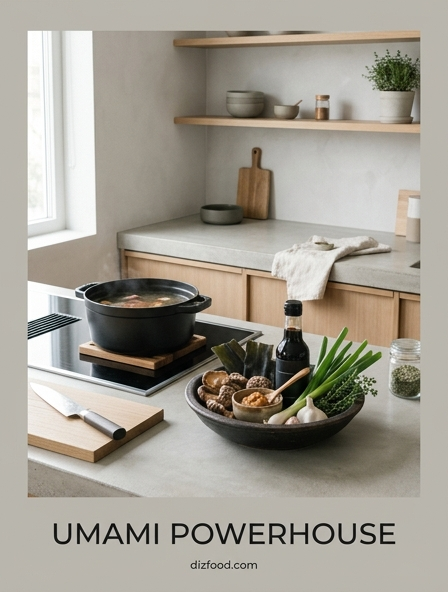
The Science of Living Marinades
Unlike traditional marinades that rely solely on acidic denaturation or osmotic pressure, living marinades utilize active biological agents to transform the cellular structure of food. These marinades are characterized by the presence of live enzymes and beneficial bacteria that engage in proteolysis, the process where complex proteins are broken down into their constituent amino acids. This biochemical transition does not merely flavor the surface; it fundamentally alters the substrate's texture and enhances its nutritional bioavailability.
The primary drivers in these mixtures are often proteolytic enzymes like bromelain or papain, or more commonly, the metabolic byproducts of fermentation. When these "living" elements interact with muscle fibers, they cleave the connective tissues without the aggressive, mushy results often seen with high-vinegar solutions. The result is a sophisticated depth of flavor known as umami, which is the sensory perception of free glutamates released during this breakdown. By understanding the kinetic energy of these microbes, a chef can control the rate of tenderization and flavor development with scientific precision.
Unlocking Umami with Miso Bases
Miso, a fermented soybean paste, serves as a cornerstone for living marinades due to its dense concentration of Aspergillus oryzae metabolites. This cultured medium introduces a complex array of enzymes that continue to work when applied to proteins or vegetables. The variety of miso chosen significantly dictates the final flavor profile and the intensity of the enzymatic activity. Light misos provide subtle sweetness, while darker varieties offer a robust, fermented pungency.
| Miso Type | Fermentation Time | Flavor Profile |
|---|---|---|
| Shiro (White) | Short (Weeks) | Sweet, mild, light salinity |
| Shio (Yellow) | Medium (Months) | Earthy, balanced, acidic notes |
| Aka (Red) | Long (Years) | Deep umami, salty, pungent |
Using a miso base allows for a slow-burn marinade that excels during overnight rests. The high salt content manages moisture through osmosis, while the protease enzymes gently dismantle tough fibers, ensuring the interior of the ingredient becomes as seasoned as the exterior.
Enzymatic Tenderizing via Cultured Dairy
Cultured dairy products, such as yogurt, buttermilk, and kefir, represent a gentle yet highly effective approach to living marinades. The secret lies in the synergy between lactic acid and active bacterial cultures. Unlike the harsh acetic acid found in vinegar, lactic acid provides a milder pH drop that tenderizes meat from the outside in without causing the surface to become chalky or dry. This is particularly effective for poultry and lamb, which benefit from the calcium content in dairy that activates indigenous enzymes in the meat.
- Lactobacillus Activity: Competes with spoilage bacteria, extending the marination window.
- Calcium Ions: Triggers calpains in muscle tissue to accelerate natural tenderization.
- Fat Suspension: Carries fat-soluble aromatics deeper into the protein fibers.
The viscous nature of dairy ensures that the marinade clings to the food, providing a consistent enzymatic interface. During the cooking process, the sugars and proteins in the dairy undergo the Maillard reaction more readily, creating a complex, caramelized crust that balances the tangy, fermented notes of the marinade.
Koji Inoculation for Meat Intensity
Koji, or rice inoculated with the mold Aspergillus oryzae, is perhaps the most potent tool in the umami-focused kitchen. While traditionally used for sake and soy sauce, modern culinary applications involve using "shio koji"-a slurry of koji, water, and salt-to inoculate meats. This process mimics the effects of dry-aging but at a vastly accelerated rate. The enzymes produced by the koji mold, specifically protease and amylase, go to work immediately, converting proteins into amino acids and starches into simple sugars.
This dual action provides a twofold benefit: an explosion of savory flavor and an incredible enhancement of surface browning. Because shio koji is a "living" brine, it requires careful temperature management to ensure the enzymes remain active. When applied to a steak for as little as four hours, the koji transforms the texture to something resembling a 30-day aged cut. It is essential to wipe away the excess grain before cooking, as the high sugar content can lead to rapid charring. The resulting profile is nutty, deeply savory, and uniquely floral.
Maximizing Brine from Fermented Vegetables
Often discarded, the liquid byproduct of lacto-fermented vegetables-such as kimchi, sauerkraut, or fermented pickles-is a concentrated reservoir of flavor and microbial life. This "liquid gold" is seasoned with the essence of the vegetables it once housed and is teeming with Lactobacillus. Using these brines as a marinade base introduces an immediate "funk" and a complex acidity that cannot be replicated with fresh citrus or vinegar alone.
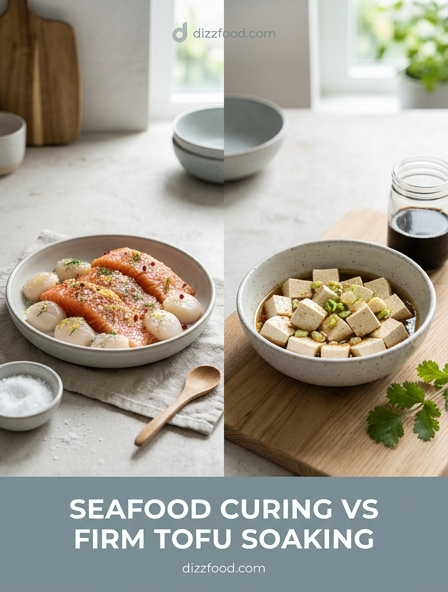
These brines are particularly effective for brining pork or firm tofu. The salt concentration is usually already optimized for preservation, making it a "plug-and-play" marinade solution. Furthermore, the brine contains dissolved aromatics like garlic, ginger, and chili that have been mellowed through the fermentation process. When using fermented vegetable brine, consider the following applications:
- Kimchi Juice: Adds heat, ginger notes, and intense red color to chicken wings.
- Sauerkraut Brine: Provides a clean, sharp acidity perfect for white fish or pork chops.
- Pickled Peppercorn Brine: Offers a floral, spicy kick for tougher beef cuts.
Balancing Acid and Funk Profiles
The success of a living marinade hinges on the equilibrium between "acid" and "funk." Acid provides the necessary brightness and initial surface breakdown, while funk-the complex, often pungent aromas resulting from fermentation-provides depth and length of flavor. Striking this balance prevents the marinade from becoming one-dimensional or overwhelmingly malodorous. A common mistake is over-acidifying, which kills the active cultures and halts the enzymatic benefits.
To master this balance, one must consider the volatile compounds present in fermented ingredients. For instance, the butyric or acetic notes in aged ferments should be tempered with sweet or fatty elements. If a marinade feels too "funky," adding a small amount of honey or mirin can bridge the gap between the savory depth and the palate. Conversely, if the marinade is too bright, a spoonful of fish sauce or a smear of black garlic paste can ground the flavors. This interplay creates a "round" sensory experience, ensuring that the umami intensity is supported by a clean finish rather than a lingering, heavy aftertaste.
The Role of Soy and Fish Sauce
Soy sauce and fish sauce are the quintessential "dead" ferments that behave like "living" marinades due to their high concentration of stable enzymes and amino acids. These liquids are the result of long-term microbial decomposition, meaning the work of breaking down proteins has already been performed. When used in a marinade, they act as an umami delivery system, flooding the ingredient with glutamates and inosinates that amplify the natural flavors of the protein.
- Glutamate Saturation: Soy sauce provides high levels of glutamic acid for a savory foundation.
- Inosinate Synergy: Fish sauce provides nucleotides that, when paired with glutamates, increase umami perception eightfold.
- Maillard Acceleration: The amino acids in these sauces react quickly with heat to produce a dark, rich crust.
Using these in combination with living cultures creates a layered effect. For example, a marinade featuring both yogurt and fish sauce utilizes the active enzymes of the dairy and the stable glutamates of the sauce to provide a multi-dimensional tenderization and flavoring process that penetrates deep into the muscle tissue.
Active Cultures and Protein Breakdown
The microbial ecology of a marinade is a battlefield where beneficial bacteria dominate to transform the food. When we speak of active cultures, we are primarily referring to probiotics like Bifidobacterium and Lactobacillus. These organisms consume the carbohydrates present in the marinade and the food surface, excreting lactic acid as a byproduct. This localized acidification is much more controlled and gradual than a traditional vinegar soak, allowing for a deep, even tenderization.
As these cultures thrive, they also produce proteases that target the sarcoplasmic proteins in meat. This leads to a significant increase in tenderness and a reduction in the "toughness" of lean cuts. Furthermore, the presence of active cultures can help eliminate "off-flavors" in certain meats, such as the gaminess in venison or the iron-heavy taste of liver. By managing the temperature-keeping the marinade between 34°F and 40°F-the chef ensures that the bacterial growth is slow enough to be safe but active enough to achieve the desired structural breakdown over a 12 to 24-hour period.
Infusing Depth with Black Garlic
Black garlic is not a fermented product in the traditional microbial sense, but rather the result of a long-term enzymatic and Maillard reaction known as "aging" under controlled heat and humidity. Incorporating black garlic into a living marinade adds a unique, balsamic-like sweetness and an incredible depth of color. Its primary contribution is S-allyl-cysteine, a compound that provides a mellowed, umami-rich garlic flavor without the sharp bite of raw cloves.
When crushed into a paste and mixed with a living base like miso or yogurt, black garlic acts as a flavor bridge. It connects the bright acidity of the cultures with the heavy, savory notes of the proteins. It is particularly effective in vegetable marinades, where it provides a "meaty" backbone to ingredients like roasted cauliflower or portobello mushrooms. Because black garlic is already highly broken down, its sugars are readily available to participate in browning, making it an excellent addition for items destined for the grill or high-heat roasting where a complex, dark glaze is desired.
Mastering Long Duration Fermented Soaks
Long-duration fermented soaks require a shift in mindset from traditional seasoning to "curing-lite." When an ingredient is submerged in a living marinade for 24 to 72 hours, the process moves beyond the surface. This duration allows the enzymes to reach the core of the ingredient, resulting in a uniform texture that is rarely achieved in professional kitchens through other means. However, this technique demands strict adherence to safety and environmental controls.
To master this, follow a structured approach to ensure consistency and safety:
- Salinity Control: Maintain a minimum salt concentration of 2% by weight to inhibit pathogenic growth.
- Temperature Stability: Ensure the refrigeration remains constant; fluctuations can cause uneven enzymatic activity.
- Airtight Submergence: Use vacuum sealing or weighted bags to ensure the ingredient is fully covered, preventing aerobic spoilage.
The reward for this patience is a product that possesses the complexity of aged charcuterie with the moisture of a fresh cut. The deep-seated umami developed during a 48-hour miso-koji soak is incomparable, providing a finish that is both cognitively familiar and shockingly intense.

Comments