
Ever wondered why your chocolate suddenly seizes or your icing looks streaky despite following every step? The secret to a professional finish lies in the fundamental chemistry of your ingredients: the choice between oil-based and water-based additives. While water-based products are the standard for sponges, meringues, and syrups, they act as an enemy to fat-rich mediums. Mastering this distinction is the ultimate kitchen "pro-tip"-using an oil-based medium for chocolate or buttercream ensures a smooth, stable emulsion, whereas the wrong choice can lead to structural failure. Understanding these molecular profiles doesn't just improve aesthetics; it saves your recipe from costly, frustrating mistakes.
| Feature | Water-Based | Oil-Based |
|---|---|---|
| Best Applications | Cakes, doughs, macarons, royal icing | Chocolate, cocoa butter, buttercream, ganache |
| Solubility | Hydrophilic (Dissolves in water/sugar) | Lipophilic (Dissolves in fats/oils) |
| Primary Carrier | Glycerin, water, or alcohol | Fractionated coconut oil or lecithin |
| Texture Impact | Adds moisture; can thin out batters | Maintains viscosity; prevents "seizing" |
| Color Intensity | Bright in porous, starch-based foods | Deep, vibrant hues in high-fat mediums |
| Major Risk | Ruins tempered chocolate instantly | Can break down delicate egg-white foams |
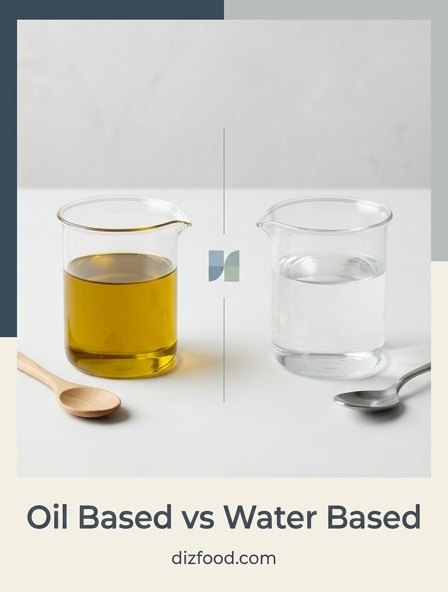
Defining Oil Based vs Water Based Coatings
In the realm of kitchen renovations and cabinetry, the distinction between oil-based and water-based coatings is fundamental to both the aesthetic outcome and the long-term protection of wood surfaces. Oil-based finishes, traditionally referred to as alkyd varnishes or urethanes, utilize organic solvents as the primary carrier for resins. These resins are often derived from linseed, tung, or synthetic oils that undergo a chemical reaction when exposed to oxygen. In a kitchen environment, these coatings are known for their ability to penetrate deep into the wood grain, providing a rich, "wet" look that enhances the natural character of hardwoods used in islands and dining sets.
Conversely, water-based coatings use water as the liquefying agent to carry acrylic or polyurethane resins. Instead of a deep chemical reaction with oxygen, these finishes rely on the evaporation of water to draw the resin particles together, forming a continuous protective film. This technology has evolved significantly, moving from simple DIY clear coats to high-performance industrial finishes suitable for heavy kitchen use. Understanding the chemistry of these two options is the first step in deciding which will better serve the specific needs of a high-traffic culinary space.
- Oil-Based: High solids content, ambering effect, petroleum-based solvents.
- Water-Based: Low odor, stays clear, acrylic-polyurethane blends.
Comparing Drying Times and Curing
The timeline of a kitchen project is often dictated by the drying and curing phases of the chosen finish. Drying refers to the "dry to the touch" stage, while curing is the process by which the finish reaches its maximum hardness and chemical resistance. Water-based finishes are the undisputed leaders in speed. In a typical kitchen setting with moderate humidity, a water-based coat can dry in as little as 30 minutes to two hours, allowing for multiple coats to be applied in a single day. This efficiency is highly valued by contractors looking to minimize the downtime of a household kitchen.
Oil-based finishes require a much larger window of time. Because the solvents evaporate slowly and the oxidation process takes time to initiate, these coatings usually require 8 to 24 hours between coats. Rushing this process can lead to "solvent entrapment," where the bottom layer remains soft, eventually causing the top layer to wrinkle or peel. While water-based finishes dry faster, both types require significant time to fully cure-often up to 30 days-before they should be subjected to heavy cleaning or high heat from kitchen appliances.
| Feature | Water-Based | Oil-Based |
|---|---|---|
| Dry to Touch | 1-2 Hours | 8-12 Hours |
| Time to Recoat | 2-4 Hours | 24 Hours |
| Full Cure Time | 7-14 Days | 21-30 Days |
Durability and Scratch Resistance Differences
Durability in the kitchen is measured by a finish's ability to withstand moisture, grease, heat, and physical impact. Oil-based finishes have long been the gold standard for hardness. Once fully cured, the film formed by oil-based polyurethane is exceptionally tough and slightly brittle, making it highly resistant to the scratches caused by sliding ceramic plates or heavy cookware. However, this brittleness can sometimes lead to cracking if the wood beneath it expands and contracts significantly due to the high humidity levels common in kitchens.
Modern water-based finishes, particularly those fortified with polyurethane, offer a different kind of durability. These finishes tend to be more flexible than their oil-based counterparts. This flexibility allows the finish to move with the wood, which can prevent the microscopic cracking that leads to water infiltration around sinks and dishwashers. While they may not reach the absolute rock-hard level of a traditional varnish, high-quality water-based products are now engineered to resist the "burnishing" or shiny spots that occur from frequent wiping and scrubbing of cabinet doors and drawer fronts.
- Impact Resistance: Oil-based excels at preventing dents from dropped utensils.
- Moisture Barrier: Both offer excellent protection, but water-based flexibility helps in humid zones.
- Heat Tolerance: Oil-based generally handles warm plates better without softening.
VOC Content and Environmental Impact
Volatile Organic Compounds (VOCs) are gases emitted by certain solids or liquids, and they are a primary concern when finishing kitchen surfaces indoors. Oil-based coatings are notorious for high VOC levels. As the solvent evaporates, it releases a strong, pungent odor that can linger for days or even weeks. These compounds contribute to smog formation and can cause respiratory irritation for inhabitants. Because of this, many regions have implemented strict regulations on the sale of high-VOC oil finishes, leading to the rise of "low-VOC" oil alternatives that use different solvents but may have longer dry times.
Water-based finishes are significantly more environmentally friendly. Since water is the primary carrier, the VOC count is remarkably low, often falling below 100 grams per liter. This makes them the preferred choice for eco-conscious homeowners and for projects where the kitchen cannot be fully sealed off from the rest of the living space. Choosing a water-based finish reduces the overall carbon footprint of a renovation and eliminates the need for harsh chemical thinners that are themselves environmentally hazardous during disposal. In the modern kitchen, where air quality is increasingly prioritized, the low environmental impact of water-based products is a major selling point.
Surface Preparation and Application Methods
Successful application in a kitchen depends heavily on preparation, and the requirements differ slightly between the two types of finishes. For oil-based products, the surface must be sanded to a medium-fine grit (usually 150-220). Because oil-based finishes have a lower surface tension, they flow out easily, which helps hide brush marks and results in a very smooth, leveled surface. They are forgiving for beginners because the slow drying time allows for "leveling" where the liquid flattens out before it sets.
Water-based finishes require more meticulous preparation. Water naturally causes wood fibers to swell, a phenomenon known as "grain raising." To combat this, many professionals "pre-raise" the grain by wiping the wood with a damp cloth, letting it dry, and then sanding it flat before applying the first coat. Additionally, water-based finishes dry so quickly that they do not level as easily as oil. This often requires the use of high-quality synthetic brushes or HVLP (High Volume Low Pressure) sprayers to avoid visible lap marks. Surface cleanliness is also more critical for water-based products, as any trace of grease or wax can cause "fish-eyes," where the finish pulls away from the contaminated spot.
- Oil Application: Natural bristle brush or foam rollers; excellent self-leveling properties.
- Water Application: Synthetic bristle brush or spray; requires fast work to maintain a wet edge.
- Sanding: Both require "scuff sanding" between coats to ensure mechanical adhesion.
Cleanup Procedures and Solvent Use
The cleanup process is perhaps the most visible difference between these two technologies during a kitchen project. Oil-based finishes require combustible solvents such as mineral spirits, paint thinner, or turpentine to clean brushes, rollers, and spills. This adds an extra layer of complexity and cost to the project, as these solvents must be handled with care and disposed of according to hazardous waste regulations. Furthermore, rags soaked in oil-based finishes and solvents pose a significant fire hazard; they can spontaneously combust if left in a pile, necessitating that they be dried flat outdoors or submerged in water.
Water-based cleanup is remarkably straightforward. Brushes and tools can be cleaned at the kitchen sink using only warm water and a mild dish soap. This eliminates the need for storing dangerous chemicals in the home and makes the end-of-day process much faster. There is no risk of spontaneous combustion with water-based rags, making the job site inherently safer. For homeowners performing their own kitchen cabinet updates, the ease of soap-and-water cleanup often outweighs the application benefits of oil-based products, as it simplifies the workflow and reduces the chemical footprint of the DIY project.
Color Retention and Yellowing Issues
Aesthetic longevity in the kitchen is often a matter of how the finish reacts to light over time. Oil-based finishes are characterized by a natural amber tint. When applied, they immediately deepen the color of the wood, giving it a warm, traditional glow. However, this ambering does not stop once the finish is dry. Over years of exposure to UV light and the ambient heat of a kitchen, oil-based finishes continue to yellow or "orange." This can be a desirable trait for dark woods like walnut or cherry, but it can be disastrous for light woods like maple or for cabinets painted white or light grey.
Water-based finishes are prized for their "water-white" clarity. They go on clear and stay clear for the duration of their lifespan. This makes them the ideal choice for modern kitchen designs that utilize white-washed woods, grey stains, or bright white paints. Because they do not yellow, the original color of the wood or the stain remains true even after years of exposure to sunlight through kitchen windows. When choosing a finish for a kitchen island that will be a focal point, the decision often comes down to whether the homeowner wants the "warmth" of oil or the "true color" of water-based technology.
| Wood Type | Oil-Based Result | Water-Based Result |
|---|---|---|
| White Oak | Amber / Golden | Natural / Straw-colored |
| Maple | Yellowish / Warm | Bright White / Clear |
| Walnut | Deep Brown / Rich | Cooler Brown / Matte |
Indoor Air Quality and Safety
In the modern home, the kitchen is more than just a place to cook; it is often the central hub for family interaction. Consequently, indoor air quality (IAQ) is a paramount concern during any finishing project. Oil-based finishes release significant amounts of VOCs during the drying and curing process, which can lead to "Sick Building Syndrome" if ventilation is inadequate. The odors can permeate fabrics and pantry items, making it difficult to use the kitchen for several days. For individuals with asthma, chemical sensitivities, or for households with young children and pets, the off-gassing of oil-based products represents a significant health consideration.
Water-based finishes offer a much safer profile for indoor application. They have very little odor, and what odor does exist is usually gone within hours of application. This allows for a "live-in" renovation where the kitchen remains accessible shortly after the finish is dry to the touch. Additionally, many water-based finishes are now formulated to be "food safe" once fully cured, which is a critical certification for butcher block countertops or kitchen tables where food might come into direct contact with the surface. Prioritizing water-based products is a proactive step toward maintaining a healthy home environment while achieving professional-grade protection for wood surfaces.
Choosing the Right Finish for Furniture
When deciding on a finish for kitchen furniture-such as chairs, barstools, or the dining table-one must weigh the intended use against the desired look. For heavy-use items like barstools that will be knocked around and frequently handled, the superior "build" and thickness of an oil-based finish can provide a protective cushion that is difficult to beat. The rich sheen of oil also tends to look more "high-end" on traditional furniture pieces, emphasizing the depth of the wood grain. However, the long drying time means these pieces must be kept in a dust-free environment for a full day, which can be challenging in a busy household.
For modern, minimalist furniture or pieces that need to match white kitchen cabinetry, water-based finishes are the better option. They provide a sleek, contemporary look and come in various sheen levels from "dead flat" to "high gloss." Because water-based finishes are thinner, they maintain the texture of the wood better, which is often preferred in "scandi-style" or rustic modern kitchens. Ultimately, if the furniture is subjected to frequent spills and requires daily wiping, the chemical resistance of a high-quality water-based polyurethane will often outperform a cheap oil-based varnish, provided it is applied in enough coats to build a sufficient barrier.
Cost Analysis and Longevity Comparison
The financial aspect of choosing a kitchen finish involves both the upfront cost of materials and the long-term cost of maintenance. On a per-gallon basis, high-quality water-based finishes are typically more expensive than oil-based alternatives. This is due to the complex resins and additives required to make water-based products perform at a professional level. Additionally, because water-based finishes have a lower solids content, you may need to apply four or five coats to achieve the same protective thickness that three coats of oil-based finish would provide. This can increase both material costs and labor time.
However, longevity and maintenance factors can tip the scales. Oil-based finishes, while durable, are harder to "spot repair." If a section of an oil-finished cabinet is damaged, the entire door often needs to be stripped and refinished because the new oil finish will not blend seamlessly with the old, yellowed finish. Water-based finishes, because they do not change color, are much easier to touch up. Furthermore, the time saved in labor-allowing a contractor to finish a kitchen in two days instead of five-can result in significant overall savings. When viewed over a ten-year horizon, the ease of maintenance and the lack of yellowing often make water-based finishes the more cost-effective choice for the modern homeowner.

Comments