
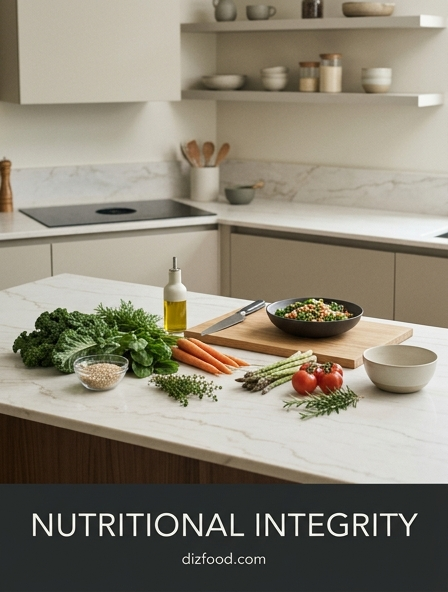
Nutrient Preservation in Scratch Cooking
Preparing meals from scratch is the most effective strategy for maintaining the nutritional integrity of whole foods. Commercial food processing often involves high-heat sterilization, extrusion, and long-term storage, all of which significantly degrade sensitive micronutrients. By controlling the preparation environment, home cooks can employ gentle cooking methods that minimize the oxidation of vitamins. Specifically, water-soluble vitamins such as Vitamin C and the B-complex group are highly susceptible to leaching and thermal destruction. When cooking at home, utilizing the liquid used for poaching or steaming into a sauce ensures these nutrients remain within the dish rather than being discarded.
- Temperature Control: Searing at lower temperatures prevents the formation of acrylamides.
- Timing: Reducing the duration between chopping and consuming limits enzyme-driven nutrient loss.
- Water Management: Using minimal water helps retain minerals and water-soluble vitamins.
Scratch cooking also allows for the exclusion of refined sugars and hidden trans fats, which are frequently used in pre-packaged meals to enhance mouthfeel and shelf stability. This focus on raw, unrefined ingredients ensures that the caloric intake is matched by a high density of bioavailable phytonutrients.
Maximizing Vitamin Retention with Fresh Marinades
Fresh marinades do more than tenderize; they create a protective chemical environment that shields delicate vitamins from oxidative stress during the cooking process. Utilizing acidic bases like citrus juice or raw vinegars helps to lower the surface pH of ingredients, which can stabilize certain antioxidants. Furthermore, the inclusion of healthy fats in marinades is essential for the transport of fat-soluble vitamins. Without a lipid medium, vitamins A, D, E, and K found in vegetables and proteins cannot be efficiently absorbed by the human digestive system.
| Vitamin Type | Optimal Carrier | Retention Method |
|---|---|---|
| Water-Soluble (C, B) | Citrus/Vinegar | Cold-infusion |
| Fat-Soluble (A, E) | Olive/Avocado Oil | Emulsification |
By blending fresh herbs and oils into a marinade, you create a barrier that reduces the direct contact of oxygen with the food's surface. This "barrier effect" is particularly useful when preparing produce that browns quickly, such as artichokes or potatoes, indicating that the polyphenols and vitamins are being preserved rather than oxidized. Freshly made marinades ensure these nutrients remain intact until they reach the plate.
Avoiding Processed Additives in Homemade Sauces
The transition from store-bought condiments to homemade sauces is a critical step in preserving nutritional integrity. Most commercial sauces rely on modified food starches, high fructose corn syrup, and emulsifiers like polysorbate 80 to maintain consistency over months of shelf life. These additives can interfere with gut health and lead to systemic inflammation. Homemade versions prioritize whole-food binders such as ground nuts, pureed vegetables, or natural reductions, which add fiber and minerals instead of empty calories.
- Identify hidden thickeners like maltodextrin in commercial labels.
- Replace refined sugars with whole fruit purees or small amounts of raw honey.
- Use mechanical emulsification (blending) instead of chemical stabilizers.
In addition to avoiding chemical fillers, homemade sauces allow for the inclusion of bioactive ingredients like raw garlic and ginger, which lose their medicinal properties during the high-heat pasteurization required for bottled products. By keeping these ingredients raw or lightly tempered in a scratch-made sauce, you retain the allicin and gingerol compounds that support immune function. This shift ensures that every component of the meal contributes to the body's nutritional requirements without the burden of synthetic processing aids.
Bioavailability of Minerals in Natural Marinades
Bioavailability refers to the proportion of a nutrient that is digested, absorbed, and metabolized by the body. Many minerals in plant-based ingredients are bound by phytates, which act as "anti-nutrients" by inhibiting absorption. Natural marinades containing organic acids-such as the acetic acid in apple cider vinegar or the citric acid in lemons-help to break these bonds, significantly increasing the bioavailability of iron, zinc, and calcium. This chemical breakdown mimics the early stages of digestion, making the minerals more accessible once consumed.
- Iron: Absorption is enhanced when paired with the Vitamin C in fresh marinades.
- Calcium: Acidic environments help dissolve calcium salts for better uptake.
- Zinc: Fermented marinade components like miso can reduce phytate interference.
Furthermore, the use of sea salt or mineral-rich seaweed in marinades provides a natural spectrum of trace elements that are often missing from highly processed table salt. When these minerals are infused into the cellular structure of the food through osmosis, they are more likely to survive the cooking process and be utilized effectively by the human body during metabolic cycles.
Enzymatic Benefits of Raw Scratch Ingredients
Enzymes are the biological catalysts responsible for nearly every chemical reaction in the body, including digestion. Raw scratch ingredients like pineapple, papaya, honey, and ginger are rich in proteolytic enzymes such as bromelain and papain. When used in the kitchen, these enzymes begin the work of breaking down complex proteins and fibers before the food even enters the mouth. This pre-digestive process reduces the metabolic load on the pancreas and small intestine, allowing for more efficient nutrient extraction and reducing bloating or discomfort.
| Ingredient | Active Enzyme | Nutritional Function |
|---|---|---|
| Fresh Pineapple | Bromelain | Protein Breakdown |
| Raw Ginger | Zingibain | Digestive Stimulant |
| Raw Honey | Diastase | Carbohydrate Digestion |
Crucially, these enzymes are extremely heat-sensitive and are destroyed at temperatures above 118°F (48°C). Commercial processing, which utilizes pasteurization to ensure safety and longevity, completely inactivates these beneficial compounds. By incorporating raw, fresh components into sauces and dressings at the final stage of food preparation, the home cook preserves the "living" quality of the meal, fostering a more vibrant internal ecosystem.
Balancing pH for Optimal Nutrient Absorption
The acidity or alkalinity of a dish, known as its pH level, plays a vital role in how nutrients are processed by the digestive tract. Maintaining an optimal pH balance in the kitchen involves the strategic use of acidic ingredients to counteract the heavy alkaline or neutral profiles of proteins and starches. For instance, the addition of a splash of lime or a spoonful of yogurt to a meal can lower the pH just enough to trigger the release of digestive juices in the stomach. This acidic environment is necessary for the activation of pepsin, the primary enzyme for protein digestion.
- Incorporate citrus zest to brighten flavor and adjust acidity.
- Use fermented vinegars to introduce beneficial organic acids.
- Balance "heavy" fats with acidic "bright" notes to improve lipid metabolism.
A balanced pH also influences the stability of phytonutrients. Anthocyanins, the antioxidants found in berries and red cabbage, are highly sensitive to pH changes; they remain most stable and bioavailable in slightly acidic conditions. By understanding and manipulating the pH of scratch-made dishes, a cook can ensure that the food is not only palatable but also chemically optimized for the highest possible level of nutrient uptake during consumption.
Reducing Sodium Through Herb Based Marinating
Excessive sodium intake is a primary driver of hypertension and cardiovascular stress, yet it is ubiquitous in processed flavorings and pre-made marinades. Scratch cooking offers a powerful alternative: using high-potency fresh herbs to provide "flavor impact" without relying on the salt shaker. Fresh herbs like rosemary, thyme, and oregano contain aromatic volatile oils that stimulate the palate, reducing the biological craving for salt. When used in a marinade, these herbs infuse deep into the fibers of the food, providing a complex flavor profile that salt alone cannot achieve.
- Garlic and Onions: Provide pungent base notes that replace salty umami.
- Citrus Peels: Offer a "top note" brightness that mimics the sharpness of salt.
- Peppercorns: Create heat and depth to distract from lower sodium levels.
Furthermore, many fresh herbs are high in potassium, a mineral that actively works to counteract the negative effects of sodium in the body. By replacing salt-heavy rubs with herb-rich infusions, the kitchen becomes a place of preventative medicine. This approach focuses on the synergy between ingredients to create satiating meals that support long-term heart health while maintaining the highest culinary standards of taste and aroma.
Antioxidant Power of Fresh Kitchen Herbs
Fresh herbs are among the most nutrient-dense ingredients in the kitchen, often containing higher concentrations of antioxidants than many fruits and vegetables. These antioxidants, such as rosmarinic acid in sage and carvacrol in oregano, serve as a defense mechanism for the body, neutralizing free radicals that cause cellular damage. In the context of scratch cooking, adding fresh herbs toward the end of the preparation process ensures that these volatile compounds are not lost to evaporation or heat degradation. This preserves the herbs' ability to fight inflammation and support the immune system.
| Herb | Primary Antioxidant | Health Benefit |
|---|---|---|
| Rosemary | Carnosic Acid | Neuroprotection |
| Parsley | Apigenin | Anti-inflammatory |
| Cilantro | Quercetin | Heavy Metal Detox |
Beyond their internal benefits, herbs also protect the food itself. When used in marinades for grilled meats, the antioxidants in herbs like rosemary have been shown to significantly reduce the formation of heterocyclic amines (HCAs), which are carcinogenic compounds produced at high temperatures. Thus, the inclusion of fresh herbs provides a dual layer of protection: safeguarding the integrity of the food during cooking and providing the body with the tools necessary for cellular repair and longevity.
Protecting Proteins During Marination Processes
The primary goal of marinating protein is often perceived as flavor, but its most critical role in nutritional integrity is the protection of protein structures. High-heat cooking can cause proteins to denature too rapidly, leading to the formation of tough, indigestible fibers and the loss of essential moisture. A well-constructed marinade uses acids and enzymes to gently begin the "denaturing" process at room temperature. This pre-treatment softens the connective tissues, allowing heat to penetrate more evenly and at lower temperatures, which prevents the protein from becoming "over-cooked" and nutritionally compromised.
- Use yogurt or buttermilk for a gentle, calcium-based tenderization.
- Limit acidic marination time to prevent protein mushiness.
- Incorporate oils to distribute heat and prevent surface charring.
By protecting the moisture content of the protein, you also preserve the water-soluble vitamins trapped within the muscle fibers. This ensures a more tender product that is easier for the human stomach to break down into amino acids. When proteins are protected through proper marination, the body can more efficiently utilize them for muscle repair, hormone production, and overall metabolic health, making the cooking process a vital partner in protein synthesis.
Wholesome Ingredient Sourcing for Better Nutrition
The nutritional integrity of a finished dish is fundamentally limited by the quality of its raw components. Sourcing ingredients that are grown in mineral-rich soil and harvested at peak ripeness ensures a higher baseline of vitamins and phytonutrients. Industrial farming practices often prioritize yield and transportability over nutrient density, resulting in produce that may look perfect but lacks the complex chemical profile of heirloom or organically grown varieties. By sourcing locally and seasonally, the time between harvest and the kitchen is minimized, which is crucial for preserving light- and oxygen-sensitive nutrients.
- Soil Quality: Organic soils often have higher microbial activity, increasing plant mineral uptake.
- Seasonality: Produce harvested in-season has reached its full phytochemical potential.
- Transparency: Knowing the source allows for the avoidance of synthetic pesticides and herbicides.
When a cook prioritizes wholesome sourcing, they are investing in the "nutrient-per-calorie" ratio of their meals. This foundational step in scratch cooking ensures that the subsequent preparation, marinating, and cooking techniques are working with the best possible material. High-quality sourcing transforms the kitchen from a place of mere caloric assembly into a laboratory of high-level nutrition, where every ingredient offers the maximum possible benefit to the consumer.

Comments