
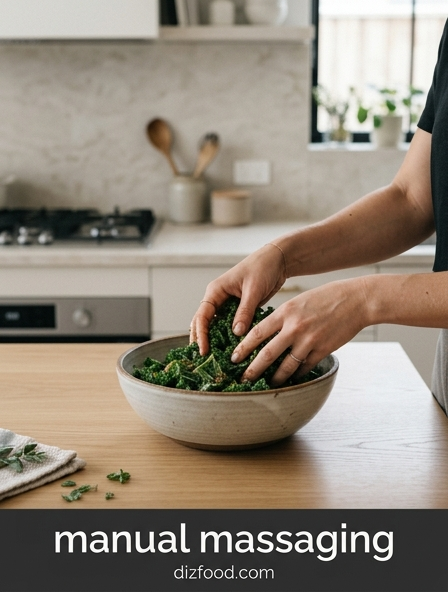
The Science of Manual Pressure Marinating
Manual pressure marinating relies on the physical principles of forced diffusion and hydrostatic pressure. When a chef applies rhythmic pressure to meat submerged in a liquid medium, they are effectively bypassing the slow, natural process of osmosis. This physical intervention creates a temporary pressure gradient that forces brine and aromatics into the microscopic interstitial spaces between muscle fibers. Without this kinetic force, large flavor molecules often struggle to move beyond the superficial exterior of the protein.
Scientific observation suggests that manual agitation increases the permeability of the sarcolemma, the cell membrane surrounding muscle fibers. By applying targeted pressure, the cook facilitates a more rapid exchange of fluids. Key benefits of this process include:
- Increased moisture retention during the cooking phase.
- Uniform distribution of salt and acidic components throughout the cut.
- Reduction of "surface-only" seasoning, leading to a more consistent profile.
- Enhanced activation of enzymes present in natural marinades like pineapple or papaya.
This method transforms the marinade from a passive bath into an active delivery system, ensuring that the chemical reactions necessary for flavor development occur deep within the tissue structure rather than just on the perimeter.
Hand Massage Techniques for Accelerated Infusion
Achieving rapid flavor infusion requires more than a casual toss in a bowl; it necessitates specific hand movements designed to manipulate meat fibers. Chefs often employ a "knead and fold" technique, similar to working bread dough, to ensure the marinade is physically pushed into the protein. This method is particularly effective for tougher cuts of beef or pork, where dense connective tissues act as barriers to liquid absorption. By rhythmically squeezing and releasing the meat, you create a vacuum effect that pulls the surrounding liquid into the center.
- The Palming Technique: Use the base of the palm to press firmly against the thickest parts of the meat, rotating in a circular motion.
- The Finger-Tip Raking: For poultry or fish, use the fingertips to gently rake across the surface, creating micro-channels for the oil and spices to enter.
- The Compression Squeeze: Cup the meat in both hands and apply steady pressure to force out air and pull in liquid.
These techniques significantly shorten the time required for the marinade to reach the core. While a standard soak might take six hours, intensive manual manipulation can achieve similar depth in under twenty minutes of focused work.
Breaking Protein Fibers for Deep Flavor
The primary goal of massaging meat in a kitchen context is the physical disruption of protein strands. Muscle tissue is composed of tightly bundled fibers held together by collagen. Manual massaging acts as a form of mechanical tenderization that begins the breakdown of these tough structures before heat is ever applied. As the fibers are stretched and compressed by the hands, they lose their rigid alignment, creating gaps where seasoning and fats can settle. This is especially vital when using marinades that contain high levels of garlic, herbs, or spices, as these solid particles need physical assistance to lodge within the meat.
Furthermore, this mechanical action helps to emulsify any fats present in the marinade with the natural juices of the meat. This creates a rich, flavor-dense coating that doesn't simply slide off when the meat hits the pan. By breaking down the exterior toughness, the cook ensures that every bite offers a consistent texture and an explosion of taste that reaches the very center of the cut. This process is the secret behind the melt-in-the-mouth quality of high-end restaurant preparations.
Active vs Passive Marination Results
Choosing between active manual massaging and passive soaking can drastically change the final outcome of a dish. Passive marination is a time-consuming process that relies entirely on the slow migration of molecules. In contrast, active massaging uses kinetic energy to expedite this process, often leading to superior texture and flavor saturation. The differences are not merely about time; they affect the structural integrity of the protein itself.
| Feature | Passive Marination | Active Massaging |
|---|---|---|
| Time Required | 4-24 Hours | 10-20 Minutes |
| Flavor Depth | Surface Level | Deep Core Saturation |
| Texture | Remains Firm | Increased Tenderness |
| Liquid Absorption | Minimal | High Volume |
As illustrated, active massaging provides a more efficient path to high-quality results. While passive soaking is suitable for delicate items like thin white fish, larger and denser proteins benefit significantly from the aggressive interaction of hand massaging, which ensures the marinade is not just a coating, but an integral part of the meat.
Speeding Up the Brining Process Manually
Brining is traditionally a slow process where salt and water move into meat to increase juiciness. However, manual agitation can cut the brining time by more than half. By massaging a concentrated brine into the meat, you accelerate the salt's ability to denature proteins. Salt works by causing muscle fibers to unwind and swell, which allows them to hold more water. Physical massage speeds up this unwinding process by applying mechanical stress to the fiber bonds. As you work the brine into the tissue, you are effectively "pumping" the saline solution through the capillary pathways of the meat.
This manual intervention is particularly useful for lean proteins like turkey breast or pork loin, which tend to dry out quickly during roasting. A ten-minute vigorous massage with a brine solution ensures that the salt reaches the innermost sections, providing a safety net of moisture. This kinetic approach prevents the common issue of an over-salted exterior and a bland, dry interior. By taking an active role in the brining phase, the cook gains greater control over the final succulent texture of the protein, ensuring professional-grade results in a fraction of the traditional time.
Tactile Methods for Enhancing Meat Tenderness
The sense of touch is an underrated tool in the kitchen, especially when preparing meat. Tactile methods of tenderization involve using the hands to identify and soften specific areas of tension within a cut. By feeling for knots of connective tissue or particularly dense muscle groups, a cook can apply targeted pressure to loosen those areas. This is a nuanced alternative to using a mallet, which can often pulverize the meat and ruin the grain. Manual massaging allows for a gentle but firm structural reorganization that preserves the aesthetic of the cut while maximizing tenderness.
To effectively tenderize via touch, one should focus on the following elements:
- Grain Alignment: Massaging along the grain to stretch fibers without snapping them.
- Connective Tissue Softening: Applying heat from the palms to slightly warm the fats.
- Uniformity Check: Ensuring the entire piece of meat has a consistent "give" when pressed.
This hands-on approach provides immediate feedback to the chef, allowing them to stop exactly when the desired suppleness is achieved. It turns a mechanical task into a culinary art, resulting in a protein that is perfectly prepared for the heat of the grill or pan.
Maximizing Spice Rub Penetration with Friction
Dry rubs often sit on the surface of meat, forming a crust but failing to flavor the interior. To overcome this, chefs use friction to drive the spices deeper. The act of rubbing creates localized heat, which can help to release volatile oils from dried herbs and ground spices. This heat, combined with the pressure of the hand, encourages the spices to bond with the meat's surface moisture, forming a paste that can then be worked into the pores of the protein. Without this friction, much of the rub is lost to the cooking surface or the drip tray.
- Apply a thin layer of binder, such as oil or mustard.
- Sprinkle the rub evenly over all surfaces.
- Use a firm, grinding motion with the heel of the hand to "lock" the spices into the meat.
- Repeat the process until the surface feels slightly tacky and the color is uniform.
This method ensures that the flavor profile is robust and that the spices remain attached during the high-heat searing process. The result is a deeply seasoned exterior that complements the natural flavors of the meat, providing a professional "bark" or crust that is full of aromatic complexity.
Optimal Hand Movements for Flavor Distribution
Consistency in flavor is the hallmark of a well-prepared dish, and this is achieved through optimal hand movements during the marinating phase. Randomly poking at meat is inefficient; instead, a systematic approach should be used. The "sweeping" motion is excellent for large surfaces, where the hand moves in long, broad strokes to distribute oils and liquids evenly. For thicker cuts, a "pincer" movement-using the thumb and forefingers to squeeze the meat-helps move the marinade from the outer edges toward the center. This ensures no pocket of the protein remains unseasoned.
Another effective movement is the "tumbling" action, where the meat is turned over repeatedly while being squeezed. This mimics the action of industrial vacuum tumblers used in commercial meat processing but allows for a more delicate, artisanal touch. By rotating the meat and changing the angle of pressure, the cook ensures that the marinade reaches every fold and crevice. This disciplined movement pattern eliminates "dead zones" of flavor, resulting in a culinary experience where the first bite is just as flavorful as the last. It is the rhythmic nature of these movements that eventually leads to a perfectly saturated product.
Reducing Marinating Time Through Kinetic Action
Time is often the scarcest resource in a kitchen, and kinetic action is the primary solution for shortening prep cycles. The traditional overnight marination is often unnecessary if one employs vigorous manual massaging. By providing the energy required for molecular transport, you can compress twenty-four hours of soaking into fifteen minutes of active labor. This kinetic energy speeds up the collision of flavor molecules with the protein surface, bypassing the stagnant boundary layer that usually slows down the absorption of acids and aromatics.
In a fast-paced environment, this ability to quickly prep proteins is invaluable. For example, if a dish needs to be prepared on short notice, a rapid massage with an acidic marinade (like citrus or vinegar) can chemically and physically tenderize the meat in the time it takes to preheat the oven. This method doesn't just save time; it provides a more vibrant flavor, as the aromatics do not have time to oxidize or lose their brightness during a long soak. The kinetic approach is thus both a time-saver and a quality-enhancer, making it a critical skill for any efficient home cook or professional chef looking to maximize throughput without sacrificing taste.
Secrets to Achieving Maximum Flavor Saturation
The secret to maximum flavor saturation lies in the combination of temperature, moisture, and repetitive manual stimulus. To reach the highest level of saturation, the marinade should be at room temperature to prevent the muscle fibers from constricting. When the meat is massaged in this state, it is more receptive to the flavors being introduced. Furthermore, the use of a "layering" technique during the massage can yield incredible results. This involves starting with a base of salt and acids, massaging for five minutes, and then adding oils and delicate herbs for a final round of infusion.
To ensure you have reached peak saturation, look for these indicators:
- Visual Change: The meat should appear slightly translucent or have a noticeable color shift from the marinade.
- Textural Shift: The protein should feel heavy and hydrated, rather than springy and dry.
- Absorption: There should be very little "free" liquid left in the bowl; most should have been taken up by the meat.
By focusing on these subtle cues and maintaining a dedicated massaging routine, you can ensure that the flavor is not just an accompaniment, but an intrinsic property of the meat. This level of saturation is what differentiates a standard meal from a truly memorable culinary achievement.


Comments