
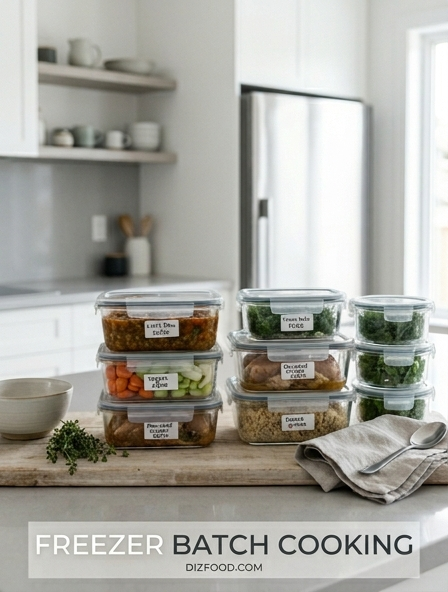
Mastering Bulk Marination Techniques
Bulk marination is a cornerstone of efficient freezer batching, allowing home cooks to transform large quantities of protein into diverse meals with minimal repetitive effort. The strategy involves creating large volumes of base marinades that can be portioned out across different freezer bags. Instead of treating each chicken breast or steak as an individual task, you should view your protein as a canvas for high-impact flavor profiles. By preparing "mother sauces"-such as a versatile lemon-garlic base or a soy-ginger infusion-you can prep ten pounds of meat in the time it usually takes to prepare two.
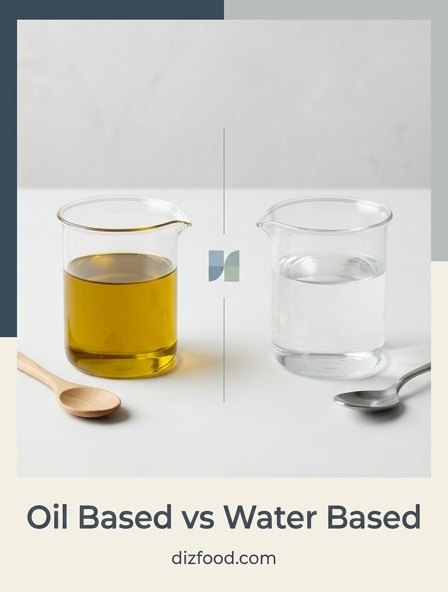
The key to success lies in the balance of elements within your bulk mixtures. A successful marinade requires a calculated ratio of fats, acids, and aromatics to ensure the food remains tender during the freezing and thawing cycles. Using high-quality oils helps prevent freezer burn, while controlled acidity ensures the fibers of the meat are broken down without becoming mushy.
- Acid-to-oil ratios: Generally 1 part acid to 3 parts oil.
- Salt concentration: Essential for denaturing proteins and moisture retention.
- Aromatic components: Fresh herbs and garlic provide depth.
- Sweetener balance: Sugar or honey aids in caramelization during the final cook.
Streamlined Prep Station Setup
An organized prep station is the backbone of successful freezer batching, turning a potentially chaotic kitchen into a high-efficiency production line. To maximize output, you must arrange your workspace into logical zones that follow the flow of food: washing, trimming, seasoning, and sealing. This "mise en place" approach ensures that you are never searching for a tool or an ingredient in the middle of a task, which significantly reduces the risk of cross-contamination and saves physical energy.
Ergonomics play a vital role when processing large volumes of food. Positioning your cutting board at the correct height and keeping a "waste bowl" nearby for scraps eliminates unnecessary movement. By grouping all similar tasks together-such as chopping all onions at once or trimming all poultry in a single session-you maintain a steady rhythm and keep your focus sharp.
- Clear all surfaces to provide maximum workspace.
- Gather all spices, oils, and liquids before beginning.
- Prepare your storage bags by labeling them with the date and cooking instructions.
- Utilize bag holders to keep openings upright and stable during filling.
The Science of Quick Flavor Infusion
Marination is an active chemical process involving osmosis and enzymatic breakdown, rather than a passive soak. When preparing items for the freezer, you are essentially leveraging time as a culinary tool. Salt plays the most critical role; it travels deep into the protein, pulling moisture and flavor compounds with it. When the food is frozen, the formation of ice crystals further breaks down the cellular structure of the meat, which allows the marinade to penetrate even deeper once the thawing process begins.
To accelerate this infusion, vacuum sealing is highly recommended. By removing the oxygen, the atmospheric pressure changes, forcing the marinade into the pores of the meat. This ensures that even a short period of contact before freezing yields professional-grade flavor saturation. Understanding these reactions allows you to adjust your recipes for the unique environment of the freezer.
| Component | Chemical Function | Common Examples |
|---|---|---|
| Acid | Denatures proteins for tenderness | Vinegar, citrus juice, yogurt |
| Salt | Enhances moisture through osmosis | Sea salt, soy sauce, fish sauce |
| Enzymes | Breaks down tough connective tissue | Pineapple, papaya, ginger |
One-Pan Marinated Meal Solutions
The primary benefit of freezer batching is the reduction of daily labor, and one-pan marinated meals are the pinnacle of this efficiency. These "dump-and-go" solutions involve freezing proteins together with compatible vegetables and starches in a single container. As the ingredients freeze and thaw together, their flavors meld, creating a cohesive dish that requires no additional seasoning when it finally hits the heat. This method is particularly effective for sheet pan dinners or slow cooker recipes.
When selecting vegetables for these kits, focus on hardy varieties that maintain their structural integrity after being frozen. Root vegetables, bell peppers, and snap peas are excellent candidates. Avoid delicate leafy greens, which should be added fresh at the end of the cooking process. By having a complete meal ready in one bag, you bypass the need for preparing multiple side dishes on busy weeknights.
- Starchy bases: Sliced potatoes or sweet potatoes.
- Fibrous vegetables: Broccoli, carrots, and onions.
- Moisture-rich aromatics: Sliced citrus or whole garlic cloves.
- Lean proteins: Sliced chicken breast, pork tenderloin, or tofu.
Automating Kitchen Workflow with Pre-Seasoning
Automating your kitchen workflow involves shifting the mental load of seasoning from the time of cooking to the time of preparation. By pre-seasoning bulk purchases immediately upon returning from the market, you eliminate the daily decision-making process. This systematic approach ensures that no ingredient enters the freezer without a clear flavor profile and intended use. Utilizing standardized spice blends allows you to treat your kitchen like a production line, ensuring consistency across every meal you prep.
This automation extends to the way you store and inventory your food. A well-organized freezer act as a "menu" where you can simply pull a pre-seasoned protein the night before. This eliminates the frantic search for ingredients and the need for last-minute grocery trips. The goal is to create a seamless transition from storage to stove, where the hard work of flavoring has already been completed in one efficient block of time.
- Sort proteins into categories (beef, poultry, seafood).
- Apply dry rubs or wet marinades immediately after portioning.
- Flash-freeze individual pieces if you require loose portions.
- Update a digital or physical inventory to track what is ready to cook.
Essential Tools for Rapid Food Preparation
To successfully manage the volume of food required for monthly freezer batching, you must employ tools that prioritize speed and safety. High-quality knives are the most important investment; a sharp blade reduces fatigue and ensures uniform cuts, which leads to even cooking. Beyond the basics, specialized equipment can cut your preparation time in half. For instance, a mandoline slicer allows for the rapid processing of vegetables into consistent shapes that freeze and cook uniformly.
For the preservation stage, a vacuum sealer is indispensable. It removes air to prevent oxidation and freezer burn, significantly extending the quality of your meals. If you are prepping alone, bag stands or "extra hands" are essential for holding freezer bags open while you pour in marinades and liquids. These tools transform a daunting task into a professional, streamlined routine that yields high-quality results every time.
- Vacuum Sealer: Prevents air contact and freezer burn.
- Mandoline Slicer: Ensures uniform vegetable thickness.
- Digital Kitchen Scale: For accurate portioning and recipe scaling.
- Bench Scraper: For rapid transfer of chopped items to containers.
Batch Processing Proteins and Vegetables
Efficient batch processing relies on grouping tasks by texture and preparation style rather than by individual recipe. For instance, if several recipes require diced aromatics, you should process every onion and garlic clove in one session before moving on to the next ingredient. This reduces the number of times you need to clean your tools and workspace. The same logic applies to proteins; trimming and slicing all of your chicken before touching beef or pork prevents the need for constant handwashing and board sanitation.
When processing for the freezer, consider the different moisture levels of your ingredients. Some vegetables benefit from a quick blanching to preserve their color and nutritional value before they are combined with proteins. Managing your components in high-volume stages ensures that the final assembly of your freezer bags is rapid, orderly, and hygienic.
| Component | Prep Method | Storage Goal |
|---|---|---|
| Aromatics | Diced or pureed | Ready for base marinades |
| Root Veg | Sliced or cubed | Uniformity for even roasting |
| Proteins | Trimmed and portioned | Maximum surface area for flavor |
Maximizing Fridge Shelf Life Through Marinating
While the freezer is the primary destination for batch prep, marinades can also be used to extend the shelf life of ingredients in the refrigerator for shorter-term use. Salt and acidic components like vinegar, wine, or citrus juice act as mild preservatives by creating an environment that is less hospitable to spoilage bacteria. When you batch prep for the upcoming week, marinating proteins immediately can give you a several-day lead time, allowing you to bridge the gap between shopping and cooking.
However, it is vital to balance the levels of acidity. While acid tenderizes and preserves, an over-acidic marinade can eventually "cook" the protein, turning the exterior mushy or grainy if left too long. For fridge-based storage, oils provide a protective barrier against oxygen, helping to maintain the vibrant color of both the meat and the added herbs. This strategy provides a flexible buffer for a busy schedule.
- Sea salt: Draws out moisture and inhibits bacterial growth.
- pH balance: Use citrus sparingly for long-term fridge storage.
- Oil barriers: Olive or avocado oil prevents oxidation.
- Antimicrobial herbs: Thyme, rosemary, and oregano provide natural protection.
Time-Saving Thaw-to-Cook Marination Methods
The transition from the freezer to the stove is where the magic of batch marination truly happens. As the meat thaws in the refrigerator, the ice crystals melt and the fibers relax, allowing the marinade to penetrate deeply into the center of the protein. This "thaw-marination" ensures that the flavor is not just on the surface but integrated throughout the entire dish. This means the time the food spends in the fridge defrosting is actually productive culinary time, rather than just a safety requirement.
To optimize this process, move your frozen meal bags from the freezer to the refrigerator at least 24 hours before you plan to cook. This slow, controlled thaw is significantly safer than quick-thaw methods and provides the ideal temperature for the marinade to work without compromising the texture of the food. By the time you are ready to heat the pan, the protein is perfectly seasoned and ready for immediate cooking.
- Transfer meal bags to the fridge 24 hours in advance.
- Ensure the bag is sealed to prevent leaks during defrosting.
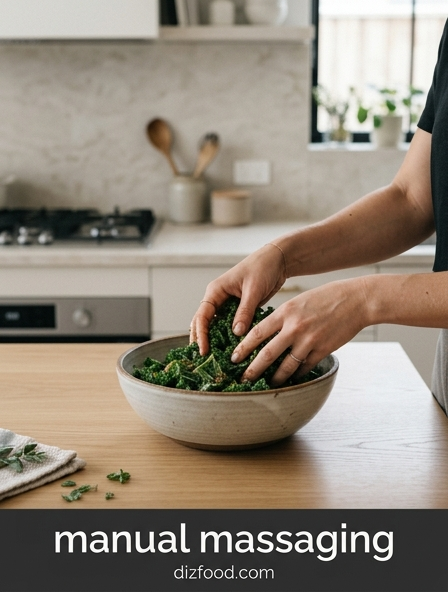
- Massage the bag halfway through thawing to redistribute liquids.
- Cook directly from the bag to retain all concentrated flavors.
Strategic Meal Planning for Reduced Cleanup
Strategic meal planning for freezer batching centers on the reduction of post-cooking cleanup. By performing the labor-intensive tasks-chopping, mixing, and seasoning-in one concentrated session, you consolidate the mess. Instead of cleaning multiple pans, knives, and cutting boards every night, you only clean them once during the prep phase. Using high-quality freezer bags or stackable containers further minimizes the footprint in your kitchen, as they can often be disposed of or placed directly in the dishwasher.
When it comes time to eat, most of these pre-marinated solutions are designed for "one-pot" or "one-pan" cooking. Whether you are roasting a sheet pan of chicken and vegetables or dumping a bag into a slow cooker, the resulting cleanup is minimal. This holistic approach to kitchen management ensures that you spend more time enjoying your meals and less time standing over the sink.
- Parchment liners: Use on sheet pans for zero scrubbing.
- Freezer-to-oven glassware: Reduces the need for extra serving dishes.
- Silicone storage bags: Eco-friendly and easy to sanitize.
- Single-skillet meals: Focus on recipes that require only one heat source.

Comments