

Understanding Natural Proteolytic Enzymes
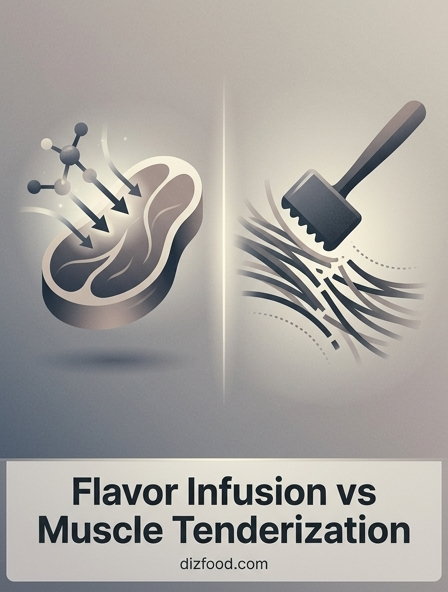
In the culinary world, proteolytic enzymes are biological catalysts that play a crucial role in altering the texture and digestibility of proteins. These enzymes, primarily found in various fruits and plants, work by breaking the long, complex chains of proteins into smaller peptides and amino acids. This process, known as proteolysis, is what chefs leverage to transform tough cuts of meat into tender, succulent dishes. Unlike mechanical tenderization, which physically tears fibers, or chemical tenderization using acids, enzymatic action specifically targets the structural integrity of the protein at a molecular level.
Understanding which enzymes are active in specific ingredients is essential for any gourmet kitchen. These natural components are highly sensitive to their environment, meaning their effectiveness can be influenced by several factors:
- Temperature: Most enzymes become inactive at high temperatures, which is why fresh juice is required over pasteurized versions.
- pH Levels: Extreme acidity can sometimes denature the enzyme before it can act on the meat.
- Concentration: The ratio of fruit pulp or juice to the protein determines the speed of the breakdown.
By mastering the use of these natural catalysts, cooks can achieve a level of tenderness that is difficult to replicate with heat or salt alone.
The Science of Bromelain Tenderization
Bromelain is perhaps the most famous proteolytic enzyme in the kitchen, derived exclusively from the fruit and stems of the pineapple. Structurally, bromelain is not a single substance but a complex mixture of different thiol endopeptidases and other components like phosphatases and glucosidases. In a culinary context, its primary function is the digestion of collagen and elastin, the connective tissues that make meat difficult to chew. When fresh pineapple juice is applied to a steak, the bromelain immediately begins to "digest" these tough fibers, effectively pre-chewing the meat on a microscopic scale.
The science of bromelain is particularly interesting because of its high efficiency. It remains active over a wide pH range, though it is most effective in slightly acidic to neutral environments. However, its potency is a double-edged sword. Because bromelain is so effective at breaking down myofibrillar proteins, leaving it on the meat for too long can result in a loss of structural integrity, leading to a "mushy" or pasty mouthfeel. This rapid action makes it ideal for quick marinades rather than overnight soaking, distinguishing it from milder enzymes found in other fruits.
Top Fruits for Gourmet Marinating
While pineapple is the most recognized source of tenderizing enzymes, several other fruits offer unique profiles that can be utilized to achieve specific culinary outcomes. Choosing the right fruit depends on the type of protein being prepared and the desired flavor profile of the final dish. Each fruit contains a specific enzyme that reacts differently with animal proteins.
| Fruit Source | Active Enzyme | Best Used For |
|---|---|---|
| Pineapple | Bromelain | Tough beef cuts and pork |
| Papaya | Papain | Thick steaks and poultry |
| Kiwi | Actinidin | Delicate meats like veal or lamb |
| Ginger | Zingibain | Fish and light poultry dishes |
| Figs | Ficin | Wild game and dense roasts |
Kiwi is often favored by high-end chefs because its enzyme, actinidin, is less aggressive than bromelain. This allows for a more controlled tenderization process that preserves the natural grain of the meat. Similarly, ginger's zingibain is excellent for seafood, as it provides a subtle softening effect without ruining the delicate flake of the fish. Selecting the appropriate fruit ensures the protein is enhanced rather than overwhelmed.
How Enzymes Break Down Muscle Fibers
To understand how enzymes like bromelain function, one must look at the anatomy of muscle tissue. Meat is composed of bundles of muscle fibers held together by connective tissue, primarily collagen. During the marination process, enzymes penetrate the surface of the meat and begin a systematic deconstruction of these components. The process generally follows a specific sequence of degradation that affects the final bite of the dish:
- Degradation of Connective Tissue: The enzymes first attack the collagen sheaths, which are the primary source of toughness in hardworking muscles.
- Myofibrillar Fragmentation: As the enzymes move deeper, they begin to break down the filaments responsible for muscle contraction (actin and myosin).
- Protein Solubilization: Finally, the large protein structures are broken into smaller, water-soluble peptides, which increases the juice-retention capacity of the meat.
This biological breakdown is vastly different from the effect of heat. While cooking eventually melts collagen into gelatin, enzymatic action performs this transformation at room temperature or during the early stages of cooking. This allows for a tender result even if the meat is served medium-rare, a feat that usually requires long, slow braising for tougher cuts.
Mastering Marination Times for Succulence
Timing is the most critical variable when working with bromelain and other proteolytic enzymes. Because these enzymes do not stop working until they are denatured by heat, the window for perfect tenderization is relatively small. Over-marinating is the most common mistake made in the kitchen, often turning an expensive cut of meat into an unappetizing, soft mess. For most proteins, the ideal time frame is measured in minutes or a few hours, rather than the traditional twelve to twenty-four hours used for acid-based marinades.
A thin flank steak or sliced pork for a stir-fry may only require fifteen to thirty minutes of exposure to fresh pineapple juice to achieve significant softening. Thicker cuts, such as a two-inch ribeye, might benefit from one to two hours. It is also important to consider the surface-to-volume ratio; if the meat is cubed or sliced, the enzymes have more surface area to act upon, accelerating the process. If you are unsure of the enzyme's potency, it is always safer to err on the side of shorter durations. Once the desired texture is reached, the meat should be cooked immediately to "switch off" the enzyme through heat exposure.
Pineapple Versus Papaya Enzyme Profiles
In the culinary landscape, the choice between using pineapple (bromelain) and papaya (papain) often comes down to the intensity of the desired effect. While both are powerful proteases, they exhibit different characteristics in how they interact with meat. Bromelain is considered more "aggressive" and has a broader range of action, attacking both the connective tissue and the muscle fibers simultaneously. This makes it highly effective for the toughest cuts but requires strict vigilance to prevent over-processing.
Papain, on the other hand, is widely used in commercial meat tenderizers but behaves differently in a fresh kitchen setting. It is particularly known for its stability at higher temperatures; papain remains active up to 140°F to 160°F, meaning it continues to tenderize the meat during the initial stages of the cooking process. Key differences include:
- Flavor Impact: Pineapple adds a distinct sweetness and acidity, whereas papaya is more neutral.
- Texture: Bromelain tends to soften the surface more quickly, while papain provides a more uniform tenderization throughout.
- Availability: Fresh pineapple is often easier to source with high enzyme activity than perfectly ripe green papayas.
Understanding these nuances allows a chef to select the right tool for the specific culinary task at hand.
Enhancing Flavor with Fresh Fruit Juices
Beyond their structural benefits, enzyme-rich fruit juices serve as complex flavor bases that enhance the overall profile of a dish. When using fresh pineapple juice, you aren't just adding bromelain; you are introducing natural sugars, organic acids, and volatile aromatic compounds. These elements undergo the Maillard reaction during searing, creating a deeply caramelized and flavorful crust that water-based marinades cannot replicate. The acidity helps balance the richness of animal fats, providing a bright contrast that lightens the palate.
To maximize flavor, it is best to use "cold-pressed" or freshly blended fruit rather than store-bought juices. Commercial juices are almost always pasteurized, a heat treatment that kills the proteolytic enzymes, rendering them useless for tenderization. When creating a gourmet marinade, consider blending the fruit with complementary aromatics such as garlic, shallots, or toasted spices. The natural sugars in the fruit juice will caramelize rapidly, so it is important to monitor the heat during cooking to prevent burning. This combination of enzymatic softening and complex sugar development creates a multi-dimensional dining experience that highlights the best attributes of both the fruit and the protein.
Common Pitfalls in Enzyme Marination
Working with live enzymes requires a level of precision that many home cooks overlook. The most prevalent issue is the "mushy texture" syndrome, caused by leaving the protein in the marinade for an excessive amount of time. Once the protein fibers are completely broken down, the meat loses its ability to hold juice, resulting in a dry yet soft consistency that is generally unappealing. Another common pitfall is using canned fruit or bottled juices. As previously noted, heat-processing destroys the enzymes, so using canned pineapple will provide flavor but zero tenderization.
To avoid these failures, keep the following points in mind:
- Temperature Control: Do not marinate in a warm environment; keep the meat refrigerated to slow down the enzyme action slightly and ensure food safety.
- Excessive Moisture: If the marinade is too watery, the meat may steam rather than sear. Always pat the meat dry before it hits the pan.
- Enzyme Distribution: Ensure the fruit pulp or juice is evenly distributed to avoid patches of mushy meat next to tough sections.
By treating these enzymes with respect and understanding their potency, you can avoid these kitchen disasters and ensure a professional result every time.
Gourmet Pairings for Enzyme-Rich Marinades
Creating a balanced dish involves pairing the enzyme source with ingredients that complement both its chemical function and its flavor. Pineapple and bromelain are staples in many traditional cuisines, particularly those from Southeast Asia and the Caribbean. In these regions, the sweetness of the fruit is often tempered with salt, heat, and umami. For a sophisticated approach, consider pairing a bromelain-based marinade with soy sauce, ginger, and sesame oil. The salt in the soy sauce helps the juice penetrate the meat, while the ginger adds its own secondary enzyme, zingibain, for a layered tenderizing effect.
For poultry, a kiwi-based marinade works beautifully when paired with fresh herbs like mint or cilantro and a touch of lime juice. The subtle tartness of the kiwi doesn't overwhelm the chicken's natural flavor. If working with pork, the classic pairing of pineapple and cloves or star anise can be modernized by adding smoky elements like chipotle or charred onions. These pairings work because they address the multiple sensory components of the meal: the enzymes handle the texture, while the supporting ingredients provide a balanced profile of sweet, sour, salty, and spicy notes.
Achieving Perfect Texture in Every Dish
The ultimate goal of using bromelain and other proteolytic enzymes is to achieve a texture that feels both intentional and luxurious. This requires a holistic approach that goes beyond the marinade itself. To ensure the perfect bite, the transition from the marinade to the cooking surface must be handled with care. If the meat is covered in fruit fibers or excess juice, it will boil in its own liquid rather than developing a savory crust. Following a disciplined workflow is essential for gourmet results:
- Rinse and Dry: After the marination time is up, lightly rinse the meat to remove excess enzymes and pat it thoroughly dry with paper towels.
- High-Heat Searing: Use a high-heat method like grilling or pan-searing to immediately stop the enzyme action and lock in the remaining moisture.
- Resting the Meat: Allow the meat to rest after cooking. This allows the redistributed juices to settle within the now-softened protein structure.
By combining the biological power of bromelain with proper culinary techniques, you can elevate humble ingredients into centerpieces. The result is a dish where the meat is tender enough to cut with a fork but retains the satisfying resistance and flavor of a perfectly cooked protein.



Comments