
The Science of Lactic Acid Tenderization
Lactic acid is the primary functional component in yogurt that differentiates it from harsher culinary acids like vinegar or citrus juice. Unlike the aggressive denaturing caused by acetic or citric acids, lactic acid works gradually. It gently lowers the pH of the meat, which allows the muscle fibers to relax and expand. This expansion creates space within the protein structure, enabling the meat to hold onto more moisture during the cooking process. Because lactic acid is a larger molecule, it penetrates the surface more slowly, preventing the "mushy" texture often associated with over-marinated proteins.
Furthermore, the live bacteria cultures present in yogurt may contribute to proteolysis, the breakdown of proteins into smaller peptides. This biological process enhances the natural savoriness of the meat while softening the connective tissues. This dual action-chemical acidification and biological enzymatic activity-results in a superior mouthfeel. When used as a coating, the yogurt provides a protective barrier that mitigates the high-heat evaporation of internal juices, ensuring that even lean cuts of poultry or lamb remain succulent throughout the roasting or grilling phase.
How Yogurt Sugars Fuel the Maillard Reaction
The Maillard reaction is a chemical interaction between amino acids and reducing sugars that gives browned food its distinctive flavor and aroma. In the context of a yogurt coating, the primary sugar involved is lactose. While lactose is less sweet than sucrose, it is highly effective at facilitating browning at lower temperatures. As the heat is applied, the lactose reacts with the proteins in both the yogurt and the meat, creating a complex array of flavor compounds that range from nutty to savory.
The presence of galactose, a byproduct of the fermentation process in yogurt, further accelerates this reaction. Because yogurt is rich in proteins (casein and whey), the coating provides an abundance of reaction sites for these sugars. This results in a thick, flavorful crust that develops more rapidly than it would on bare meat. The following factors influence the intensity of this reaction:
- Fat Content: Higher fat yogurts provide better heat conduction for even browning.
- Sugar Concentration: Naturally occurring sugars in yogurt caramelize to create a deep mahogany hue.
- Protein Density: Concentrated yogurts like Greek styles provide more amino acids for the reaction.
Comparing Acidic vs Yogurt Marinades
Traditional acidic marinades based on vinegar, wine, or citrus operate with a low pH that can quickly toughen meat if left too long. These acids work by denaturing the surface proteins rapidly, which can lead to a dry, stringy exterior. In contrast, yogurt marinades offer a buffered acidity. The calcium and dairy proteins in yogurt act as a cushion, slowing the penetration of the acid and allowing for longer marinating times without compromising the integrity of the muscle fibers.
| Feature | Acid-Based (Vinegar/Citrus) | Yogurt-Based |
|---|---|---|
| Action Speed | Fast / Aggressive | Slow / Gentle |
| Texture Effect | Can become rubbery or mushy | Remains tender and juicy |
| Moisture Retention | Low (encourages weeping) | High (binds moisture) |
| Surface Result | Thin, often charred | Thick, caramelized crust |
The physical viscosity of yogurt also ensures that the marinade clings to the food, whereas liquid acidic marinades often run off, requiring constant basting to maintain flavor contact.
Developing a Deep Golden Char
Achieving a deep golden char with a yogurt coating requires a balance between moisture evaporation and sugar caramelization. When meat coated in yogurt hits a hot surface, the water in the yogurt must first evaporate before browning can begin. This process creates a steam buffer that keeps the interior moist while the exterior undergoes a transformation. The proteins in the yogurt solidify, creating a "shell" that traps the natural fats and juices of the meat. This shell eventually browns into a rich, mottled crust that is the hallmark of tandoori and Mediterranean roasting styles.
To maximize char, it is essential to avoid overcrowding the cooking vessel, as excess steam will prevent the coating from crisping. Using a heavy-bottomed pan or a high-heat grill allows the yogurt sugars to reach the temperatures necessary for carbonization. The result is a complex texture where the soft, tangy interior of the coating meets the crispy, smoky exterior. This contrast is particularly effective on bone-in cuts, where the longer cooking time allows the yogurt to form a thick, protective, and highly seasoned bark.
The Role of Calcium in Meat Texture
Beyond the effects of lactic acid, the high calcium content in yogurt plays a critical role in the tenderization process. Calcium is a mineral that triggers the activation of endogenous enzymes within the meat known as calpains. These enzymes are naturally responsible for the post-mortem breakdown of structural proteins in muscle tissue. By introducing an external source of calcium through a yogurt coating, the activity of these calpains is enhanced, accelerating the softening of the meat's connective tissues from the outside in.
This enzymatic breakdown is much more subtle and refined than the chemical "cooking" caused by strong acids. It focuses on the structural integrity of the fibers rather than simply dissolving them. This is why yogurt-marinated meats, such as those found in Indian or Middle Eastern cuisines, possess a "melt-in-the-mouth" quality that is difficult to replicate with other ingredients. The calcium also helps to stabilize the dairy proteins during cooking, ensuring that the coating adheres firmly to the meat rather than curdling and falling off in the presence of heat.
Flavor Infusion Techniques for Yogurt Bases
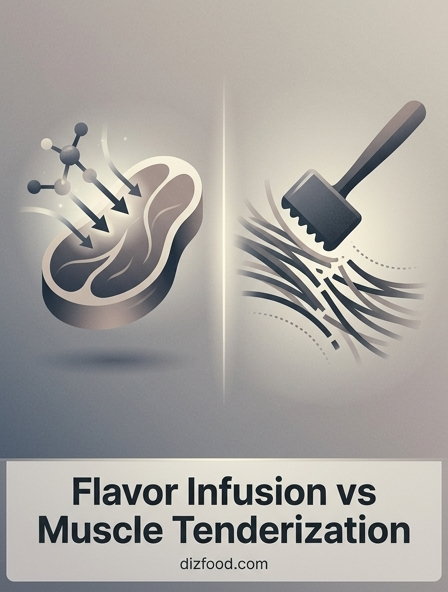
Yogurt serves as an exceptional medium for flavor infusion because it contains both water and fat, allowing it to carry a wide spectrum of aromatic compounds. Fat-soluble flavors, such as those found in cumin, coriander, and turmeric, dissolve into the milk fats, while water-soluble flavors from garlic, ginger, and fresh herbs disperse through the aqueous phase. To maximize flavor delivery, spices should be bloomed or ground fresh before being folded into the yogurt. This ensures the essential oils are fully released and captured by the dairy matrix.
- Aromatic Pastes: Blending garlic and ginger into a paste ensures even distribution through the coating.
- Dry Rub Integration: Mixing dry spices directly into the yogurt prevents them from burning on the meat's surface.
- Acid Brightening: Adding a touch of lemon juice or zest to the yogurt can brighten the earthy notes of the spices.
- Herb Suspension: Finely chopped herbs remain suspended in the thick yogurt, providing bursts of freshness in every bite.
By using yogurt as a carrier, chefs can ensure that every millimeter of the meat's surface is infused with a concentrated layer of seasoning that stays put during the cooking process.
Optimal Marinating Times for Maximum Tenderness
Timing is everything when using a yogurt coating. Because the tenderization process is gentle, yogurt requires more time than citrus-based marinades to achieve significant results. However, there is a limit; if left too long, even the mildest yogurt can eventually over-process the protein, leading to a texture that is overly soft. The thickness of the cut and the type of protein are the primary variables in determining the ideal duration.
- Seafood: 30 to 60 minutes. Delicate fish proteins break down quickly; a light coating is sufficient.
- Poultry: 4 to 12 hours. Chicken breasts and thighs benefit from an overnight soak to ensure deep moisture penetration.
- Lamb and Beef: 12 to 24 hours. Tougher muscle fibers require extended exposure to lactic acid and calcium to fully tenderize.
- Vegetables: 20 to 30 minutes. Yogurt is used here primarily for flavor and crust development rather than structural changes.
For the best results, always marinate in the refrigerator and allow the meat to sit at room temperature for about 20 minutes before cooking to ensure even heat distribution through the thick coating.
Managing Heat for the Perfect Crust
Cooking yogurt-coated meats requires a nuanced approach to heat management. Because yogurt contains sugars and proteins that brown quickly, high direct heat can sometimes cause the exterior to char before the interior is fully cooked. To prevent a burnt crust and raw center, a two-stage cooking method is often the most effective. Starting with high heat-either through searing or a hot grill-sets the coating and initiates the browning. Once the golden-brown color is achieved, the heat should be lowered, or the meat moved to an indirect heat zone.
In an oven environment, a temperature range of 375°F to 425°F is ideal for roasting. This range is hot enough to trigger the Maillard reaction but controlled enough to prevent the dairy solids from scorching. If the coating appears to be browning too quickly, a loose tent of foil can protect the surface while the internal temperature continues to rise. The goal is to reach a state where the yogurt has dehydrated into a concentrated, savory crust that is firmly attached to the succulent meat beneath.
Essential Spices for Yogurt Roasted Meats
The choice of spices in a yogurt coating is dictated by the need to balance the natural tanginess of the dairy. Warm, earthy spices are the traditional favorites as they complement the lactic acid without overpowering it. Cumin provides a smoky depth, while coriander offers a floral, citrusy top note that bridges the gap between the yogurt and the meat. Turmeric is often used not just for its mild peppery flavor but for the vibrant golden hue it lends to the finished crust.
For those seeking heat, cayenne or Kashmiri chili powder can be integrated seamlessly into the yogurt. The fat in the yogurt helps to distribute the capsaicin evenly, providing a smooth, lingering heat rather than a sharp sting. Earthy additions like garam masala, cinnamon, or cardamom can add a sophisticated aromatic profile. It is also beneficial to include a generous amount of salt within the yogurt mix; the salt works in tandem with the lactic acid to break down proteins and draw the spice flavors deeper into the meat's interior.
Consistency Secrets for Even Coating
The consistency of the yogurt used is the most important factor in achieving a uniform coating. Thin, watery yogurts will run off the meat, resulting in a patchy finish and minimal flavor impact. For the most robust crust, Greek-style yogurt or "labneh" is preferred due to its low water content and high protein density. If only standard yogurt is available, it can be strained through cheesecloth for several hours to remove excess whey, creating a thick, paste-like consistency that clings tenaciously to the protein.
To ensure the coating adheres properly, the surface of the meat must be patted dry with paper towels before application. Any surface moisture will create a barrier that prevents the yogurt from bonding. When applying the coating, a thick, even layer-approximately 1/8th of an inch-is ideal. This thickness provides enough material to form a substantial crust while still allowing heat to penetrate efficiently. Mixing a small amount of oil into the yogurt can also help; the oil improves the "spreadability" and aids in heat conduction, ensuring that every crevice of the meat is covered and protected during the roast.


Comments