
The Role of Oil Temperature
Oil temperature is perhaps the most critical factor in determining how much fat a food item absorbs during the frying process. When food is submerged in oil that is sufficiently hot, typically between 325°F and 375°F, a rapid heat transfer occurs. This causes the moisture within the food to turn into steam instantly, creating an outward pressure that prevents oil from entering the structure. If the temperature is too low, this steam pressure is insufficient, allowing the oil to seep into the pores of the food, resulting in a greasy, heavy product.
- High Heat (375°F+): Rapid crust formation, minimal oil penetration, risk of surface burning.
- Ideal Heat (350°F-365°F): Balanced cooking, crisp exterior, moderate oil uptake.
- Low Heat (Below 325°F): Slow cooking, significant oil absorption, soggy texture.
Maintaining the correct thermal environment ensures that the "steam barrier" remains active until the food is removed. Once the temperature drops, the internal pressure subsides, making the timing of removal just as important as the initial cooking temperature.
Surface Moisture and Oil Intake
The relationship between surface moisture and oil intake is governed by the displacement of water. As food fries, the water on its surface and within its outer layers evaporates. The space once occupied by this water becomes a void that oil can potentially fill. This process, often referred to as "oil-moisture replacement," means that the wetter the surface of the food, the more potential there is for oil absorption once that moisture escapes as steam.
To mitigate excessive greasiness, chefs often employ several drying techniques before frying:
- Patting the food dry with paper towels to remove surface droplets.
- Dredging in starch or flour to bind remaining moisture.
- Air-drying or chilling the food to tighten the surface structure.
By controlling the initial moisture content, you reduce the total volume of steam generated at the surface. This results in a tighter, more cohesive crust that lacks the large interstitial spaces where oil tends to settle, ultimately producing a cleaner and crispier finish.
How Batters Create Protective Barriers
Batters serve as a sacrificial layer that protects the internal food product from direct contact with the oil. When a batter-coated item hits the fryer, the proteins and starches in the coating undergo rapid denaturation and gelatinization. This creates a semi-permeable membrane that regulates the escape of moisture and the entry of fat. A well-formulated batter uses specific ingredients to enhance this barrier effect.
| Ingredient | Role in Oil Resistance |
|---|---|
| Cornstarch | Creates a tight, thin lattice that blocks oil. |
| Egg Whites | Provide protein structure that sets quickly. |
| Alcohol (Vodka) | Evaporates faster than water, limiting oil soak time. |
The thickness of the batter also plays a role; a batter that is too thick may trap steam internally, leading to a soggy interface between the coating and the food, whereas a thin, even coat provides a crisp shield without excessive oil retention.
The Physics of Vapor Pressure
At the heart of deep frying is the concept of vapor pressure. When food enters the oil, the internal water reaches its boiling point and expands. This steam travels from the center of the food toward the exterior, creating a constant flow of gas. As long as this vapor pressure is higher than the surrounding oil pressure, oil is physically pushed away from the food. This is why you see vigorous bubbling around frying food; those bubbles are steam escaping.
However, as the food finishes cooking, the moisture content decreases and the rate of steam production slows down. When the vapor pressure drops below a certain threshold, the "barrier" fails. This is the moment when oil begins to infiltrate the surface. Understanding this physics helps in recognizing the exact moment to remove food from the heat. If food is left in the oil after the bubbling slows significantly, the cooling interior will actually create a vacuum effect, actively sucking the surface oil into the pores of the food.
Porosity and Texture in Fried Foods
The microscopic structure of food, known as porosity, dictates how much oil it can hold. Foods with high porosity, such as breaded items or certain vegetables like eggplant, have a high surface area-to-volume ratio and many open channels. These channels act like capillaries, drawing oil into the center via capillary action. In contrast, dense foods with low porosity naturally resist oil penetration because there is simply no space for the oil to occupy.
The texture of the coating also influences this dynamic. A coarse breading, such as Panko, creates a large, jagged surface area. While this provides a desirable crunch, it also provides more "pockets" for oil to hide. To balance texture and oil intake, it is important to consider the following:
- The grind size of breadcrumbs or flour.
- The use of binding agents like gums or proteins.
- The inherent density of the base ingredient.
By managing the porosity through clever ingredient selection, one can achieve a light, airy texture without the food becoming a sponge for the frying medium.
Impact of Oil Type and Viscosity
Not all oils behave the same way in the kitchen. Viscosity, or the thickness of the oil, changes with temperature and age. Fresh oil has a lower viscosity, meaning it flows easily and drains more effectively from the food surface. As oil is used repeatedly, it undergoes polymerization and breaks down into polar compounds, which increases its viscosity. Thick, degraded oil clings to the surface of the food and is much harder to shake off, leading to a higher oil-to-food ratio.
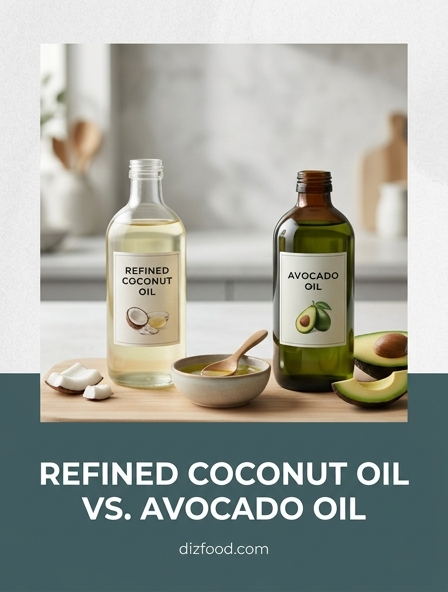
The type of fat used also matters. Saturated fats, like lard or coconut oil, are solid at room temperature. While they may provide a crisp finish, they can leave a "waxy" mouthfeel if not drained perfectly. Liquid vegetable oils with high smoke points, such as peanut or canola oil, are generally preferred for their ability to remain fluid at high temperatures. This fluidity ensures that the oil flows back into the vat rather than staying trapped in the crevices of the crust, maintaining the desired lightness of the dish.
Leavening Agents and Oil Resistance
Leavening agents like baking powder, baking soda, or carbonated liquids are essential for creating the light, bubbly texture found in tempura and beer batters. These agents release gases when heated, causing the batter to expand. This expansion increases the surface area but, if managed correctly, actually reduces total oil absorption by speeding up the dehydration of the crust. A faster-setting crust limits the window of time that oil can penetrate the interior.
However, there is a fine balance to maintain. If a batter is over-leavened, it becomes too porous and fragile. The large air pockets can collapse, and the thin walls of the bubbles may rupture, allowing oil to flood the interior of the coating. Proper leavening creates a "foamy" structure that provides insulation, keeping the food inside moist while the outside becomes a thin, crisp, and relatively oil-free shell. The goal is to create enough internal pressure from gas release to counteract the external pressure of the frying oil throughout the entire cooking duration.
Effective Draining and Resting Techniques
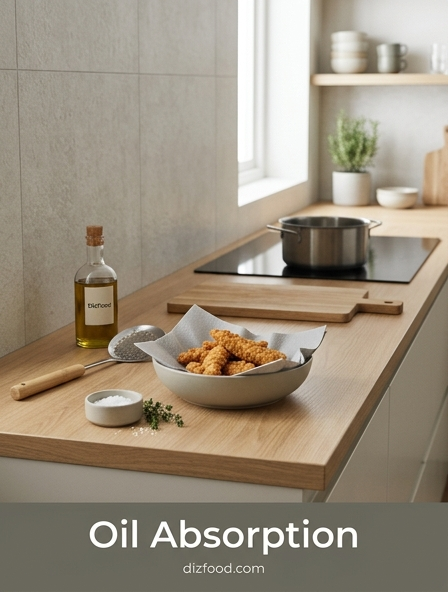
A significant portion of oil absorption actually happens after the food is removed from the fryer. As the food cools, the steam inside the food condenses back into liquid water, creating a partial vacuum that pulls surface oil into the crust. To prevent this, the "resting" phase must be handled with precision. Immediately upon removal, food should be placed on a wire rack rather than a flat paper towel. This allows air to circulate around the entire surface, preventing the food from steaming itself and becoming soft.
Effective draining involves the following steps:
- Vigorous Shaking: Removing excess oil while it is still at its lowest viscosity.
- Elevated Resting: Using a cooling rack to prevent "pooling" at the bottom of the food.
- Secondary Blotting: Gently dabbing the top surfaces to remove residual beads of fat.
By acting quickly while the food is still hot, you ensure that the surface oil is removed before the internal vacuum has a chance to pull it inward.
The Benefits of Double Frying
Double frying is a technique used to achieve maximum crispness with minimal overall greasiness. The first fry, usually done at a lower temperature (around 300°F), is intended to cook the food through and establish the basic structure of the crust. During the resting period between fries, moisture from the center of the food migrates to the surface, softening the initial crust. This might seem counterintuitive, but it sets the stage for a superior final product.
The second fry is conducted at a much higher temperature (375°F to 400°F). This flash-frying instantly vaporizes the moisture that migrated to the surface, creating an incredibly hard and dry exterior. Because the second fry is so brief, the oil does not have time to penetrate deeply into the food. The result is a product that is significantly crunchier than a single-fried item but often contains less internal oil because the final high-heat blast reinforces the moisture barrier and drives off any fat that had begun to settle during the first stage.
Maintaining Consistent Frying Heat
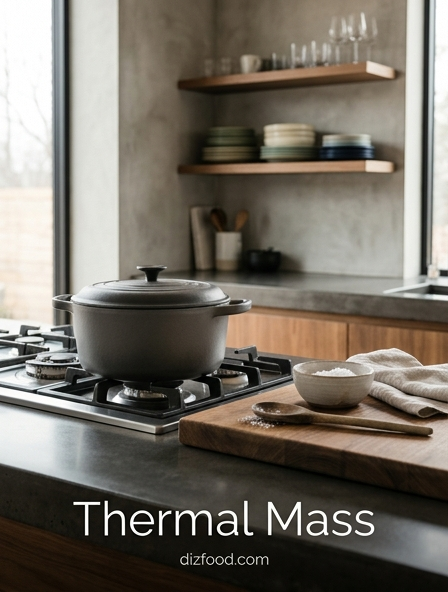
Temperature fluctuations are the primary cause of greasy fried food. When a large batch of cold food is added to a fryer, the oil temperature can drop by 50 degrees or more almost instantly. This "thermal shock" halts the production of steam, allowing oil to flood the food before the crust can set. To prevent this, it is essential to manage the thermal mass of the cooking environment. This means frying in small batches and using a heavy-bottomed vessel, like a cast-iron dutch oven, which retains heat better than thin pans.
Maintaining consistency requires constant monitoring and adjustments:
- Use a clip-on thermometer to track real-time temperature changes.
- Wait for the oil to return to the target temperature before starting a new batch.
- Increase the burner heat slightly just before adding the food to anticipate the drop.
By keeping the heat stable, you ensure that the steam barrier remains constant, preventing the oil from ever finding an opening to saturate the food, thus ensuring a light and crispy result every time.

Comments