
Optimal Oil Temperature Control
Maintaining the correct temperature is the most critical factor in minimizing oil absorption during the frying process. When food is submerged in hot oil, typically between 350°F and 375°F (175°C to 190°C), the internal moisture rapidly turns into steam. This outward pressure of steam acts as a physical barrier, preventing the surrounding oil from penetrating the food's surface. If the temperature drops too low, the steam pressure diminishes, allowing the oil to seep into the pores and creating a greasy, heavy texture. Conversely, excessively high temperatures cause the exterior to carbonize before the interior is safely cooked.
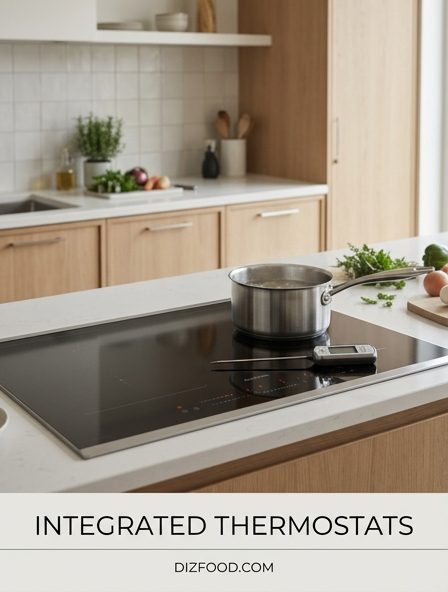
- Use a digital clip-on thermometer for constant monitoring rather than relying on visual cues like bubbling.
- Avoid overcrowding the pan, as adding too many cold items simultaneously causes a significant temperature plunge.
- Allow the oil to return to its target temperature between batches to ensure consistent results.
- Adjust the heat source dynamically as food releases its internal moisture and cools the medium.
Precision in thermal management ensures that the "Leidenfrost effect" or similar vapor-barrier dynamics remain active throughout the cooking duration, resulting in a crisp exterior and a light, non-greasy interior.
Healthy High Smoke Point Selections
Selecting the appropriate fat is essential not only for flavor but for chemical stability under high heat. An oil's smoke point is the temperature at which it begins to break down, producing acrid smoke and harmful free radicals. For frying techniques aimed at low oil retention, oils with high smoke points are preferred because they maintain their viscosity and structural integrity longer. Refined oils generally possess higher smoke points than their unrefined counterparts because the impurities that burn easily have been removed during processing.
| Oil Type | Smoke Point (°F) | Best Use |
|---|---|---|
| Avocado Oil | 520°F | High-heat searing and deep frying |
Utilizing stable fats prevents the development of polar compounds, which increase the oil's affinity for food surfaces. Choosing the right medium ensures the food remains untainted by the bitter flavors of degradation while keeping the absorption levels within a healthy, manageable range.
Batter and Coating Science
The interface between the oil and the food is defined by the coating, which serves as a sacrificial layer and a moisture seal. Modern culinary science utilizes specific ingredients to create a "crisp zone" that resists oil infiltration. High-protein flours create more gluten, which can lead to a tougher, oilier shell, whereas low-protein options like rice flour or cornstarch yield a delicate, glass-like crunch. The inclusion of leavening agents or carbonated liquids introduces air bubbles, increasing the surface area for evaporation and helping the batter set quickly before oil can penetrate.
- Alcohol Addition: Adding vodka or spirits inhibits gluten and evaporates faster than water, accelerating the drying process.
- Leavening: Baking powder releases carbon dioxide, creating a light structure that sheds oil effectively.
- Egg Whites: Proteins in egg whites provide structural integrity without the heavy fat content of the yolk.
- Cold Ingredients: Using ice-cold liquids prevents the starch from gelatinizing prematurely, leading to a lighter coat.
By manipulating the chemical composition of the batter, chefs can create a protective barrier that maximizes texture while strictly limiting the total lipid uptake of the final dish.
Moisture Reduction Pre-Cooking Techniques
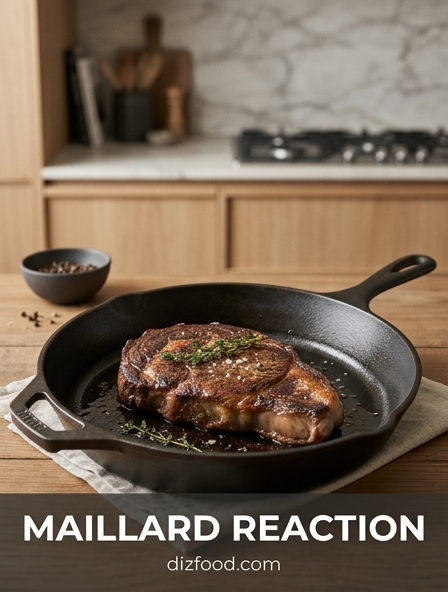
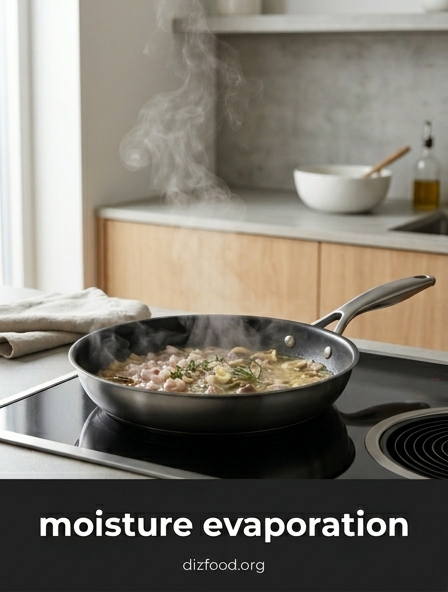
Surface moisture is the primary enemy of a crisp, low-oil finish. When wet food hits hot oil, the water must evaporate before the browning process (the Maillard reaction) can begin. This delay allows more time for the oil to interact with the food's surface. Reducing the water content on the exterior of the ingredient before it enters the fryer is a mandatory step for achieving professional results. This practice ensures that the energy of the oil is immediately spent on crisping the surface rather than boiling away excess water.
- Patting dry: Use lint-free paper towels to remove every trace of surface moisture from proteins and vegetables.
- Salting: Drawing out internal moisture from items like eggplant or zucchini via osmosis, then rinsing and drying.
- Air-chilling: Leaving uncovered proteins in the refrigerator to allow the moving air to dehydrate the skin.
- Dusting: A light coating of dry starch can absorb residual moisture, creating a dry "skin" ready for frying.
Implementing these preparatory steps significantly shortens the frying time and creates a more robust barrier against oil absorption, resulting in a cleaner mouthfeel and superior crunch.
Effective Post-Fry Draining Methods
The moments immediately following the removal of food from the oil are when the highest percentage of oil absorption occurs. As the food cools, the steam inside the food condenses, creating a vacuum effect that can pull surface oil into the interior. To prevent this, it is essential to remove as much surface oil as possible while the food is still at its peak temperature. Effective draining is a two-step process involving both gravity and capillary action to ensure the exterior remains dry and the interior stays succulent but not greasy.
- Immediate Transfer: Move food to a pre-warmed draining area within seconds of leaving the oil.
- Wire Cooling Racks: Elevate food on a rack over a tray to allow air to circulate and prevent the food from sitting in its own rendered fat.
- Dabbing: Gently blot the top surfaces with high-absorbency paper towels to remove standing oil droplets.
- Salt Application: Seasoning immediately can help draw out a final micro-layer of moisture that aids in oil shedding.
Proper post-fry management can reduce the final fat content of a dish by up to 20%, significantly altering both the caloric profile and the overall eating experience.
Deep Frying Versus Shallow Frying
The choice between deep and shallow frying significantly impacts the total oil absorption and the uniformity of the cook. Deep frying involves total immersion, which provides an even, rapid heat transfer to all surfaces simultaneously. This creates a uniform steam barrier. Shallow frying, or pan frying, involves the food resting on the bottom of the pan with only a portion submerged. This method requires manual flipping and can lead to more oil absorption if not managed carefully, as the cooler top surface doesn't push steam outward as forcefully as the submerged bottom.
| Feature | Deep Frying | Shallow Frying |
|---|---|---|
| Oil Contact | 360-degree immersion | Partial immersion (50% or less) |
| Heat Stability | High (larger volume) | Moderate to Low |
| Surface Texture | Uniformly crisp | Variable, often localized browning |
| Typical Absorption | Lower (if temp is stable) | Higher (due to temp fluctuations) |
While shallow frying uses less oil in the pan, the increased contact time and potential for temperature drops often result in a higher percentage of fat being retained by the food compared to a well-executed deep fry.
Starch Based Oil Barriers
Starches play a vital role in creating a barrier that resists oil penetration while providing the desired crunch. Different starches have varying granules sizes and amylose contents, which affect how they gelatinize and dry during the frying process. Cornstarch and rice flour are highly effective because they contain higher levels of amylose, which forms a stronger, more oil-resistant film than the amylopectin-heavy wheat flour. When these starches hit the hot oil, they dehydrate rapidly to form a "glassy" state that is largely impermeable to lipids.
- Cornstarch: Provides a very thin, very crisp layer that repels oil.
- Potato Starch: Creates a light, airy crunch often found in Japanese tempura.
- Rice Flour: Stays crisp for longer periods and absorbs significantly less oil than wheat.
- Modified Starches: Specifically engineered to enhance crispness and reduce fat uptake in commercial applications.
Blending these starches allows for a customized texture. A common professional ratio involves mixing wheat flour with cornstarch or rice flour to achieve the perfect balance between structural browning and a grease-resistant, crispy exterior.
Fresh Oil Management Practices
The quality of the oil is just as important as its temperature. As oil is used, it undergoes thermal degradation, oxidation, and hydrolysis. These processes break down the large triglyceride molecules into smaller polar compounds and free fatty acids. Older oil has a higher "surfactant" content, which reduces the surface tension between the oil and the food. This allows the oil to "wet" the food more effectively, leading to much higher absorption rates. Managing oil freshness is therefore a primary strategy for keeping fried foods light and healthy.
- Regular Filtering: Remove food particles and charred debris that accelerate oil breakdown.
- Skimming: Frequently use a fine-mesh skimmer to remove floating bits during the frying process.
- Replenishment: Add fresh oil to the pot to dilute the concentration of polar compounds.
- Storage: Store cooled oil in an airtight container in a dark, cool place to prevent oxidation between uses.
Knowing when to discard oil is key. If the oil smokes at lower temperatures than usual, smells "fishy," or becomes excessively dark and viscous, it will lead to high oil absorption and should be replaced.
Surface Area and Absorption Dynamics
The physical geometry of the food being fried dictates the potential for oil uptake. This is largely a function of the surface-area-to-volume ratio. Smaller, thinner pieces of food have a much larger surface area relative to their weight, providing more "real estate" for oil to cling to. Additionally, the texture of the surface matters; irregular, jagged surfaces with many crevices will trap more oil than smooth, uniform surfaces. Understanding these dynamics allows a cook to make better decisions regarding knife work and preparation style.
- Large Cut Sizes: Thick-cut fries (steak fries) absorb less oil as a percentage of weight than thin shoestring fries.
- Smooth Edges: Clean cuts with a sharp knife minimize the surface irregularities that trap oil.
- Uniformity: Ensuring all pieces are the same size prevents smaller pieces from overcooking and becoming oil-saturated.
- Blanching: Pre-cooking large items can set the internal structure, reducing the final time needed in the fryer.
By maximizing the volume and minimizing the relative surface area, one can significantly lower the total fat content of the finished product without sacrificing the satisfying crunch of the fried exterior.
Nutritional Balance in Fried Foods
While frying inherently increases the caloric density of food, it does not have to result in an unhealthy meal. The key lies in nutritional balance and the preservation of the food's internal nutrients. High-heat frying can actually preserve certain vitamins better than long boiling processes because the cook time is so short. To balance the fat intake, fried items should be paired with high-fiber vegetables and acidic components that help the palate process the richness and aid in digestion. Modern approaches emphasize quality over quantity and the use of healthy fats.
- Portion Control: Treat fried elements as a highlight of the meal rather than the entire plate.
- Fiber Pairing: Serve with leafy greens or cruciferous vegetables to slow down lipid absorption in the digestive tract.
- Acidic Contrast: Use lemon juice, vinegar, or pickled garnishes to cut through the perception of oiliness.
- Ingredient Quality: Choose nutrient-dense foods like fish, lean proteins, or vibrant vegetables for frying.
By applying scientific frying techniques to minimize absorption and balancing the plate with fresh, whole ingredients, one can enjoy the unique textures of fried food as part of a sophisticated and healthful diet.

Comments