
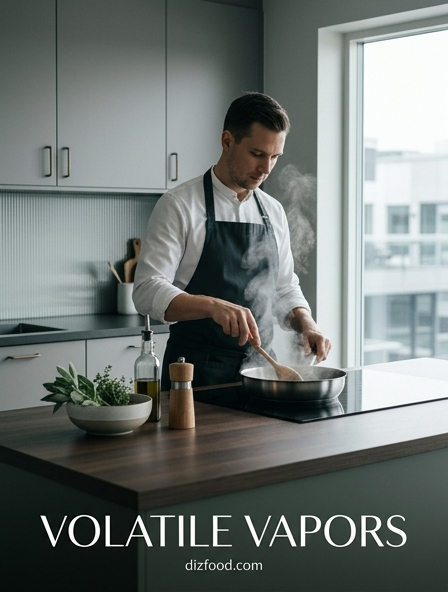
Understanding Oil Smoke Points
Every cooking oil possesses a specific temperature threshold known as the smoke point. This is the temperature at which the oil stops shimmering and begins to produce visible, bluish smoke. When an oil reaches this point, the triglycerides within the fat begin to break down, releasing free fatty acids and a volatile compound called acrolein. Acrolein is responsible for the stinging sensation in the eyes and the acrid, burnt smell that permeates a kitchen when oil is overheated. Beyond the unpleasant aroma, reaching the smoke point signifies that the oil is undergoing a chemical transformation that compromises its flavor and nutritional integrity.
| Oil Type | Average Smoke Point | Primary Use |
|---|---|---|
| Butter | 350°F (175°C) | Sautéing |
| Extra Virgin Olive Oil | 375°F (190°C) | Light Sautéing |
| Canola Oil | 400°F (200°C) | Frying |
| Avocado Oil | 520°F (270°C) | Searing |
Understanding these limits is crucial for kitchen safety. Once an oil surpasses its smoke point, it moves closer to its flash point, where the volatile vapors can ignite spontaneously. Maintaining heat below this threshold ensures both the quality of the meal and the safety of the cooking environment.
Choosing the Best High Heat Oils
Selecting the appropriate fat for high-temperature cooking is a balance between flavor profile and chemical stability. Generally, refined oils are better suited for high-heat applications like deep frying or searing because the refining process removes impurities and free fatty acids that lower the smoke point. Unrefined oils, while often more flavorful and nutrient-dense, contain proteins and plant minerals that burn at much lower temperatures, leading to premature smoke and bitter off-flavors.
- Avocado Oil: Boasts one of the highest smoke points available, making it ideal for high-heat searing and grilling.
- Refined Peanut Oil: Highly favored for deep frying due to its stability and neutral flavor profile.
- Grapeseed Oil: Offers a clean taste and a moderately high smoke point, suitable for sautéing and stir-frying.
- Safflower Oil: A very stable oil that remains neutral under intense heat conditions.
When selecting an oil, consider the cooking method. If you are preparing a stir-fry that requires a screaming-hot wok, peanut or safflower oils are superior to extra virgin olive oil. By matching the oil's thermal limits to your cooking technique, you reduce the production of harmful volatile organic compounds and prevent the risk of grease fires in the kitchen.
Essential Tools for Safe Frying
Maintaining control over volatile vapors and hot fats requires a specific set of tools designed to mitigate risk and monitor thermal energy. Without the proper equipment, frying becomes a high-stakes guessing game that can quickly lead to accidents or kitchen fires. The most critical tool is a reliable thermometer, which allows the cook to monitor the oil's temperature in real-time, preventing it from reaching the dangerous smoke point.
- Clip-on Deep Fry Thermometer: Essential for constant temperature monitoring to prevent overheating.
- Splatter Screen: A fine mesh tool placed over the pan to allow steam to escape while catching hot oil droplets.
- Spider Strainer or Long Tongs: These tools keep hands at a safe distance from the rising vapors and hot oil.
- Heavy-Bottomed Pot: A Dutch oven or cast-iron skillet provides better heat distribution and stability than thin pans.
Additionally, using a pot with high sides is vital to prevent oil from bubbling over the edges when food is added. This vertical space creates a buffer for the rapid expansion of steam that occurs when moisture hits the hot fat. Investing in these tools ensures that the process of frying remains a controlled culinary technique rather than a household hazard.
Managing Temperature and Heat Levels
Effective temperature management is the key to preventing oil from degrading and becoming a fire hazard. One of the most common mistakes in the kitchen is heating oil too quickly on the highest possible burner setting. This creates localized "hot spots" where the oil may reach its smoke point while the rest of the liquid is still relatively cool. Instead, oil should be heated gradually over medium-high heat to allow for even thermal distribution throughout the cooking vessel.
When food is added to hot oil, the temperature will naturally drop. The goal is to maintain a consistent range, typically between 350°F and 375°F for most frying tasks. If the temperature drops too low, the food will absorb excessive oil and become greasy; if it climbs too high, the oil will begin to smoke and break down. Regularly adjusting the burner and using a thermometer to verify the state of the oil ensures that the cooking process remains efficient. Always allow the oil to return to the target temperature between batches to ensure consistent results and to prevent the accumulation of burnt food particles that can lower the oil's smoke point over time.
Preparing Food for Splatter Control
The primary cause of dangerous oil splattering is the presence of moisture. When water comes into contact with oil heated above 212°F, it undergoes a phase change into steam almost instantaneously. This rapid expansion of gas forces the surrounding oil out of the pan in the form of hot droplets. To minimize this reaction, it is essential to prepare food thoroughly before it ever touches the hot fat. Surface moisture is the enemy of a safe frying environment.
- Pat Dry: Use paper towels to remove all visible moisture from the surface of meats, vegetables, or seafood.
- Thaw Completely: Never place frozen foods with ice crystals directly into hot oil, as the ice will cause a violent eruption.
- Use Flour or Starches: A light coating of flour can help absorb residual moisture, though excess should be shaken off.
- Lower Gently: Always place food into the oil by moving it away from your body to prevent splashes toward your skin.
By ensuring that food is as dry as possible, you significantly reduce the volume of volatile vapors and the intensity of the bubbling. This creates a much safer and cleaner cooking experience, reducing the cleanup required on stovetops and backsplashes.
Signs of Overheated Cooking Oil
Recognizing the early warning signs of overheated oil can prevent a kitchen disaster before it starts. The most obvious indicator is the production of smoke. However, before the smoke appears, there are subtle physical changes in the oil. Overheated oil may appear thinner and more "fluid" than usual, shimmering with an intense, rapid motion. It may also take on a darker hue as the carbonization of microscopic particles begins. If you notice a sharp, stinging smell, the oil has already begun to release acrolein vapors.
Another sign is the sound of the oil. While properly heated oil produces a steady sizzle when food is added, overheated oil may react with a violent, aggressive popping sound even before food is introduced, often caused by the rapid evaporation of tiny moisture particles. If the oil begins to produce a continuous, thick stream of smoke, it is reaching its flash point. At this stage, the risk of spontaneous ignition is extremely high. You should immediately remove the heat source and allow the oil to cool naturally without moving the pan. Monitoring these visual and olfactory cues is essential for maintaining a safe and healthy kitchen environment.
Preventing Kitchen Grease Fires
Prevention is the most effective strategy for managing kitchen grease fires. Most fires occur due to unattended cooking or improper oil levels. Never fill a pot or deep fryer more than halfway with oil; this provides necessary "headroom" for the oil to rise and bubble when food is added. Furthermore, always keep a watchful eye on the stove. A grease fire can ignite in seconds once the oil reaches its auto-ignition temperature, often without any direct flame contact.
- Clean Equipment: Ensure the stovetop and the exterior of the pan are free of grease buildup, which can ignite.
- Clear the Area: Keep flammable items like paper towels, oven mitts, and wooden utensils away from the burner.
- Check Temperatures: Use a thermometer to ensure you stay well below the oil's flash point.
- Stay Present: Never leave the room while oil is heating or while frying is in progress.
Establishing a "safe zone" around the cooking area helps prevent accidental spills. By maintaining a clean workspace and following strict temperature protocols, the likelihood of a volatile vapor ignition is significantly minimized, keeping the household safe from the devastating effects of a grease fire.
Emergency Steps for Oil Fires
In the event of a grease fire, your reaction must be swift and deliberate. The most important rule is to never use water. Water will sink to the bottom of the hot oil, vaporize instantly, and cause a massive fireball that can spread the fire across the entire kitchen. Similarly, never attempt to move a flaming pan to the sink or outdoors, as the splashing oil will cause severe burns and spread the flames.
- Turn Off the Heat: Immediately cut the power or gas to the burner if it is safe to reach the controls.
- Smother the Flames: Carefully slide a metal lid or a baking sheet over the pan to cut off the oxygen supply.
- Use Baking Soda: For small fires, a generous amount of baking soda can help extinguish the flames. Do not use flour or sugar.
- Class B/K Extinguisher: Use a fire extinguisher specifically rated for grease fires if the lid method fails.
If the fire is not contained within seconds, evacuate the building immediately and call emergency services. Personal safety is always the priority over property. Once the fire is smothered, leave the lid in place until the pan is completely cool to prevent re-ignition from the trapped heat.
Filtering and Reusing Cooking Oil
Many high-quality oils can be reused if they have been handled properly and not overheated. Reusing oil is both economical and environmentally friendly, provided that the oil has not reached its smoke point during the initial use. Each time oil is heated, its smoke point decreases slightly due to the accumulation of food particles and the breakdown of fatty acids. To maximize the lifespan of your oil, it must be cleaned and stored correctly after each use.
First, allow the oil to cool to a safe temperature, but not so cold that it becomes solid or overly viscous. Use a fine-mesh strainer lined with a coffee filter or several layers of cheesecloth to remove all burnt bits and sediments. These particles are the primary cause of oil degradation and off-flavors. Store the filtered oil in a sealed container in a cool, dark place, such as a pantry or refrigerator. Before reusing, inspect the oil for signs of rancidity, such as a cloudy appearance, a tacky texture, or a fishy smell. If the oil exhibits any of these characteristics, or if it foams excessively when heated, it has reached the end of its shelf life and should be discarded.
Proper Disposal of Used Oil
Once cooking oil has degraded or reached its smoke point too many times, it must be disposed of correctly. Improper disposal can lead to significant plumbing issues and environmental damage. One of the most critical rules in kitchen maintenance is to never pour used oil down the drain. Even when mixed with hot water and soap, oil eventually cools and solidifies in the pipes, creating "fatbergs" that can cause major sewage backups and expensive repairs.
- Solidify: For small amounts of oil, let it cool and solidify in the pan, then scrape it into the trash.
- Containment: Pour liquid oil into a non-recyclable, leak-proof container like a glass jar or a plastic jug with a lid.
- Recycling Centers: Many municipalities offer oil recycling programs where used fats are converted into biodiesel.
- Oil Hardeners: Consider using commercial oil hardening powders that turn liquid oil into a solid brick for easy disposal.
By taking the time to dispose of oil responsibly, you protect your home's infrastructure and contribute to a cleaner environment. Always ensure the oil is completely cool before transferring it to any plastic container to prevent melting and dangerous spills during the disposal process.




Comments