
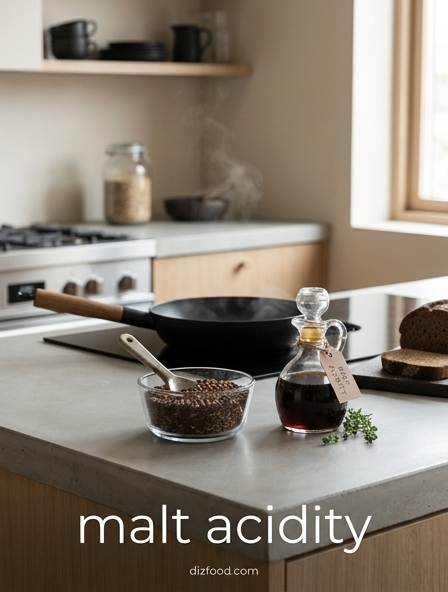
Malt Acidity and Batter Chemistry
The introduction of malt into a batter system significantly alters the chemical equilibrium through its inherent acidity and enzymatic activity. Most diastatic malt extracts possess a pH range between 4.8 and 5.5, which plays a critical role in the hydration of flour proteins. When the pH of a batter drops due to malt inclusion, it influences the rate of gluten development and the solubility of pentosans. This acidic environment is essential for optimizing the performance of leavening agents, such as baking soda, ensuring a consistent release of carbon dioxide that creates a light, aerated internal structure during the initial stages of cooking.
- Gluten Modification: Lower pH levels slightly weaken gluten strength, preventing a rubbery texture.
- Hydration Speed: Acidic conditions facilitate faster water absorption by starch granules.
- Enzymatic Activation: Amylase enzymes in malt thrive in slightly acidic environments, breaking down complex starches into fermentable sugars.
- Protein Denaturation: Acidity assists in the early setting of proteins, providing a stable frame for the batter.
Furthermore, the interaction between malt acids and minerals in the water can buffer the batter, maintaining a stable environment even when alkaline ingredients are added. This stability ensures that the batter maintains its desired rheological properties from the moment of mixing until it hits the hot oil or oven surface.
Maillard Reaction Enhancement Through Malt
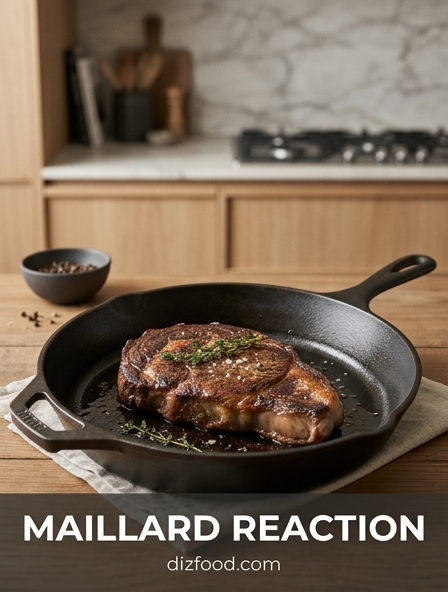
The Maillard reaction is a complex chemical process between amino acids and reducing sugars that gives fried foods their brown color and savory flavor. Malt is a powerhouse for this reaction because it provides an abundance of maltose, a highly reactive reducing sugar. The acidity found in malted ingredients acts as a catalyst, accelerating the breakdown of proteins into the peptides required for browning to occur at lower temperatures. This allows for a deep, golden-brown finish without overcooking the interior of the food product.
| Reactant | Source in Malt | Contribution to Finish |
|---|---|---|
| Maltose | Starch Conversion | Deep amber coloration and caramel notes. |
| Amino Acids | Malted Barley Protein | Savory, toasted aroma compounds. |
| Organic Acids | Fermentation byproduct | Catalyst for accelerated browning speed. |
By managing the concentration of malt, chefs can control the exact hue of the crust. Unlike sucrose, which requires higher temperatures to caramelize, the maltose and glucose derived from malt react efficiently during the rapid heat transfer typical of deep frying. This ensures that even short cook times result in a visually appealing and aromatically complex coating.
Structural Benefits of Malt in Frying
In the high-heat environment of a deep fryer, the structural integrity of a batter determines whether a coating becomes shatteringly crisp or soggy. Malt acidity influences the cross-linking of starches and proteins, creating a microscopic matrix that is both strong and porous. The presence of malt enzymes, specifically proteases, works to clip long protein chains into shorter segments. This process, governed by the acidic environment, results in a crust that breaks cleanly rather than stretching, providing the signature "snap" associated with high-quality fried goods.
- Vapor Pressure Regulation: The malt-enriched matrix allows steam to escape efficiently, preventing the batter from puffing off the substrate.
- Starch Gelatinization: The acidity helps regulate the temperature at which starches swell, ensuring they set firmly before the oil penetrates the inner layers.
- Pore Formation: Malt promotes the creation of micro-voids, which increase the surface area and enhance the perception of crunch.
This structural reinforcement is particularly beneficial for items with high moisture content, such as fish or vegetables. The malted batter acts as a rigid thermal shield, protecting the delicate interior while maintaining its own geometric form throughout the intense turbulence of the frying process.
pH Balance for Crispy Fried Textures
Achieving the perfect crunch is a matter of precision pH management. While many batters rely on chemical leaveners to increase pH, the inclusion of malt provides a necessary acidic counterbalance. A slightly acidic batter (pH 5.0 to 6.0) is ideal for creating a crisp texture because it limits the excessive expansion of starch granules. When granules expand too much, they become thin and fragile, leading to a crust that disintegrates quickly. The organic acids in malt help to "tighten" the starch network, ensuring that the resulting crust is dense enough to be audible when bitten.
- Synergistic Effects: Malt acids work with leavening acids to produce a more uniform bubble structure.
- Moisture Migration: A balanced pH slows the migration of moisture from the core to the crust after frying.
- Texture Longevity: Acid-stabilized starches resist retrogradation, meaning the food stays crispy for longer periods under heat lamps.
This pH balance also affects the surface tension of the batter. A well-balanced malted batter will adhere more uniformly to the food, preventing the formation of "bald spots" where moisture can escape and cause the crust to become limp. The result is a consistent, protective shell that remains crisp from the first bite to the last.
Flavor Depth from Malted Acid Profiles
Malt is prized not just for its functional chemistry but for its extraordinary flavor profile, which stems from its unique acid composition. Unlike the sharp, one-dimensional acidity of distilled vinegar, malt brings a complex array of organic acids, including lactic and succinic acids, produced during the malting and kilning processes. These acids provide a subtle tang that cuts through the richness of fried fats, providing a palate-cleansing effect. This acidity is balanced by the natural sweetness of maltose and the earthy, nutty notes of toasted grain.
| Acid Type | Flavor Characteristic | Culinary Impact |
|---|---|---|
| Lactic Acid | Creamy, mild tang | Softens the harshness of alkaline leaveners. |
| Acetic Acid | Sharp, bright finish | Enhances the perception of salt and savory spices. |
| Succinic Acid | Salty, umami-like | Deepens the "meaty" flavor of the coating. |
When heated, these acids interact with the oils and the sugars in the malt to produce a range of volatile aromatic compounds. These compounds are responsible for the "bakery" scent that can make fried foods smell more enticing. The depth provided by malt acidity ensures that the batter is a flavor component in its own right, rather than just a texture delivery system.
Comparing Malt to Other Acid Sources
While lemon juice, vinegar, and buttermilk are common acidic additions to batters, malt offers distinct advantages regarding heat stability and sugar content. Vinegar is highly volatile and much of its acidity can dissipate during frying, whereas the organic acids in malt are more bound to the grain solids. Furthermore, citrus juices introduce high levels of citric acid which can sometimes result in an overly sharp or "sour" note that clashes with savory proteins. Malt provides a "mellow" acidity that integrates seamlessly with the cereal notes of the flour base.
- Sugar Content: Vinegar has no sugar; malt provides maltose for browning.
- Buffering: Malt has a higher buffering capacity than lemon juice, preventing sudden pH swings.
- Enzymes: Neither vinegar nor buttermilk provides the amylase activity found in diastatic malt.
- Consistency: Malt powders and syrups offer more precise control over moisture levels than liquid acids.
In professional kitchen settings, using malt allows for a more standardized result. Because malt contains both the acid and the reactive sugars, it simplifies the formulation process. It replaces the need for adding separate browning agents (like honey) and acidulants (like cream of tartar), streamlining the preparation of high-volume batter batches.
Optimal Viscosity for Substantial Coatings
The viscosity of a batter dictates the thickness of the final crust and how well it encapsulates the food. Malt acidity plays a hidden role in this rheological property by influencing enzyme behavior. In a malted batter, alpha-amylase begins breaking down starch molecules into smaller dextrins. This process reduces the "pastiness" of the batter, allowing it to flow smoothly over the contours of the food. However, because malt also helps the starch set quickly upon contact with heat, it creates a thick, substantial coating that doesn't slide off.
- Thinning Effect: Enzymatic action prevents the batter from becoming too thick or "gloppy."
- Adhesion: The acidity alters the surface charge of the proteins, improving the "cling" to the substrate.
- Uniformity: A malt-regulated viscosity ensures the batter drains evenly, leaving no thick ridges or thin spots.
By adjusting the resting time of a malted batter, a chef can fine-tune its viscosity. Longer resting periods allow the enzymes and acids more time to work, resulting in a thinner, more delicate tempura-style coating. Shorter resting times maintain a higher viscosity, perfect for heavy-duty coatings like those found on traditional fried chicken or thick-cut onion rings.
Reducing Oil Absorption with Malt Acidity
One of the most significant challenges in frying is minimizing oil uptake, which can lead to greasy, heavy food. Malt acidity contributes to a "flash-set" phenomenon. As the batter hits the oil, the acidic environment promotes rapid protein coagulation and starch gelatinization on the outermost layer. This creates a nearly instantaneous hydrophobic barrier. Because the surface becomes sealed so quickly, the oil is unable to penetrate deep into the batter, and the internal moisture is trapped, steaming the food from the inside out.
- Surface Tension: Malt acids modify the batter's surface tension, encouraging oil to bead off rather than soak in.
- Barrier Efficiency: The dense, malt-enriched crust acts as a physical shield against lipid migration.
- Steam Pressure: Rapid sealing increases internal steam pressure, which actively pushes back against the encroaching oil.
Studies in food science suggest that batters with a slightly lower pH and higher solids content-both of which malt provides-can reduce oil absorption by up to 20%. This results in a cleaner mouthfeel and a significant reduction in the caloric density of the fried dish, without sacrificing the satisfying crunch that consumers expect from fried products.
Malt Enzymes and Golden Crust Development
The enzymes present in diastatic malt are the primary architects of a golden crust. Alpha and beta-amylase work in tandem to hydrolyze the flour's starches into simpler sugars. This process is highly sensitive to the acidity of the batter. At a pH of around 5.2, these enzymes are at their most efficient, producing a steady supply of glucose and maltose. These sugars then participate in the Maillard reaction and caramelization, creating a spectrum of colors ranging from pale gold to deep mahogany depending on the concentration used.
| Enzyme Type | Function | Visual Result |
|---|---|---|
| Alpha-Amylase | Randomly breaks starch chains | Promotes even browning across the surface. |
| Beta-Amylase | Produces maltose units | Creates "highlights" and sweet flavor peaks. |
| Protease | Breaks down gluten proteins | Prevents a tough, dark, leathery appearance. |
Without these enzymes, a batter may appear pale and undercooked even when the interior is safe to eat. By utilizing malt, the chef ensures that the visual cues of "doneness" align perfectly with the thermal reality of the food. The result is a professional-looking product that looks as good as it tastes, with a vibrant, appetizing glow that is difficult to achieve with standard flour-and-water batters.
Mastering Malted Batter Prep Techniques
To fully harness the power of malt acidity, preparation techniques must be deliberate. First, the choice between malt powder and malt extract is vital; powders are easier to distribute in dry mixes, while extracts provide more immediate acidity and enzyme availability. When mixing, it is essential to combine the malt with the liquid components first to ensure the acids are fully dissociated before adding the flour. This prevents localized "hot spots" of acidity that could cause uneven gluten development or clumping.
- Temperature Control: Use cold liquids to slow enzymatic activity if a long rest is required, or room temperature to accelerate it for immediate use.
- Resting Time: Allow the batter to rest for 20-30 minutes. This gives the malt acids time to hydrate the starch and the enzymes time to begin their work.
- Sieving: Always sieve malted dry mixes to ensure even distribution of the malt solids, which can be prone to clumping due to their sugar content.
Finally, consider the interaction between malt and salt. Salt can inhibit enzyme activity, so it should be added towards the end of the mixing process if a high degree of starch breakdown is desired. By mastering these small technical nuances, a cook can transform a standard batter into a sophisticated coating that leverages the full breadth of malt's chemical and sensory potential.

Comments