
The Science of the Starch Barrier
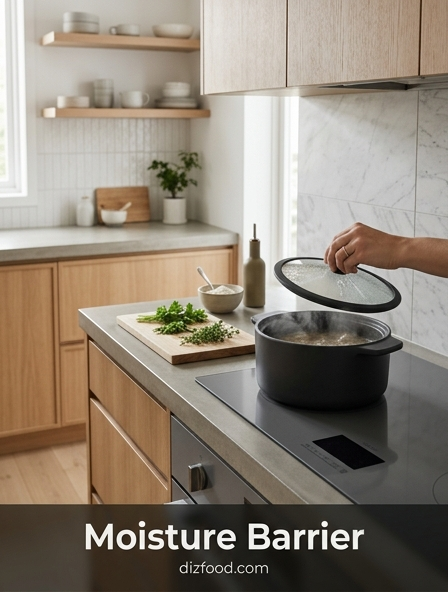
The creation of a moisture barrier in the kitchen begins with the physical transformation of starch granules. When starch is applied to the surface of a protein or vegetable and subjected to high heat, it undergoes gelatinization followed by dehydration. This process creates a semi-permeable film that acts as a shield, preventing external liquids from penetrating while simultaneously trapping enough internal moisture to keep the food succulent. The efficacy of this barrier depends largely on the ratio of amylose to amylopectin within the starch molecule.
- Amylose: Responsible for creating a rigid, crystalline structure that provides a hard crunch.
- Amylopectin: Provides volume but can lead to a more porous, less moisture-resistant surface.
- Retrogradation: The process where starch molecules realign into a solid structure as they cool, further strengthening the barrier.
As the starch molecules bond, they form a polymer-like matrix. This matrix is essential for protecting the interior from the intense heat of the oil, ensuring that the cooking process remains controlled and the final texture is consistently crispy rather than greasy.
Optimal Oil Temperature for Moisture Repulsion
Maintaining the correct oil temperature is the primary defense against grease infiltration. When food enters the fryer, the moisture at the surface immediately turns to steam, creating an outward pressure that prevents oil from entering. This phenomenon is known as the Leidenfrost effect. If the temperature is too low, the steam pressure is insufficient to repel the oil, leading to a heavy, waterlogged coating. Conversely, excessively high temperatures can scorch the exterior before the moisture barrier has fully set.
| Temperature Range | Resulting Texture | Moisture Retention |
|---|---|---|
| 325°F - 340°F | Soft, greasy crust | High oil absorption |
| 350°F - 375°F | Crispy, golden brown | Optimal repulsion |
| 380°F+ | Burnt exterior | Dry/tough interior |
The ideal window for most moisture-barrier coatings lies between 350°F and 375°F. Within this range, the outward flow of steam is vigorous enough to keep the oil at bay while the starch or protein coating dehydrates into a protective shell.
Why Cornstarch Beats Flour for Sauce Resistance
While all-purpose flour is a common kitchen staple, it is often inferior to cornstarch when creating a barrier meant to withstand sauces. The reason lies in the composition of the ingredients. Wheat flour contains gluten, a protein network that, while structurally strong, is highly hygroscopic. This means it readily absorbs water from sauces, leading to rapid softening and a "gummy" texture. Cornstarch, being a pure starch, lacks these proteins and creates a much finer, more densely packed layer.
- Pure Starch Content: Cornstarch is nearly 100% starch, allowing for a tighter molecular bond.
- Low Protein: Without gluten to swell with water, the barrier remains hydrophobic for longer periods.
- Smooth Surface: The smaller particle size of cornstarch creates a smoother shield that limits the surface area available for sauce to cling to.
When frying foods that will eventually be tossed in a liquid glaze, such as General Tso's chicken or buffalo wings, using cornstarch ensures the exterior remains brittle and crunchy even when saturated with moisture.
The Role of Protein Networks in Coating Durability
Proteins serve as the structural "rebar" within a moisture barrier. While starches provide the crunch, proteins like those found in eggs, buttermilk, or the meat itself provide the elasticity and strength needed to keep the coating attached. When heat is applied, these proteins denature and coagulate, forming a reinforced web that holds the starch granules in place. This prevents the coating from flaking off or shattering prematurely when handled or bitten.
Egg whites are particularly effective for this purpose because they consist primarily of albumen. When cooked, albumen creates a very thin, very tough film that is less permeable than whole eggs. This is why many tempura and high-end frying recipes specify the use of egg whites over yolks. The absence of fats in the white allows the protein to bond more tightly, creating a structural integrity that can withstand the internal steam pressure generated during the frying process without rupturing the protective outer layer.
Double Frying for Structural Integrity
Double frying is a sophisticated technique used to create an impenetrable moisture barrier. The first fry serves to cook the interior of the food and set the initial starch structure, but it often leaves the coating slightly damp due to the migration of internal water toward the surface. During the resting period between fries, this moisture moves into the crust. The second fry, conducted at a higher temperature, flash-evaporates this residual moisture and further hardens the starch matrix.
- First Fry (325°F): Denatures proteins and gelatinizes starches without browning.
- Resting Phase: Allows internal steam to equalize and moisture to migrate to the surface.
- Second Fry (375°F): Rapidly dehydrates the surface to create a "glass-like" crunch.
This method creates a multi-layered barrier. The first fry creates the foundation, and the second fry reinforces it by removing any remaining water molecules that could cause the crust to fail later. This is the secret behind the enduring crispness found in Korean fried chicken and Belgian-style fries.
Creating a Hydrophobic Surface Layer
A hydrophobic surface is one that actively repels water. In the kitchen, this is achieved by ensuring the outer layer of the food is saturated with stable fats and completely devoid of free water. Once a food item is removed from the oil, the residual heat continues to drive off moisture. If the surface is properly engineered with a dense starch-protein matrix, the oil that clings to the exterior fills the microscopic pores of the crust, creating a fatty seal that prevents atmospheric humidity from entering.
To maximize this effect, some chefs incorporate small amounts of oil or fat directly into the batter. This "shortens" the gluten or starch chains, making the barrier more brittle and less likely to absorb water from the air. By manipulating the surface tension through the use of fats, the kitchen scientist can ensure that even in a humid environment, the moisture barrier remains intact. This is particularly vital for carry-out foods that must survive the steam-heavy environment of a closed delivery container.
Managing Internal Steam to Prevent Sogginess
The greatest enemy of a crispy moisture barrier is not external liquid, but the steam trapped inside the food itself. As food cooks, the internal water turns to vapor; if this vapor cannot escape, it will migrate outward and soften the crust from the inside out. Managing this "internal weather" is crucial for long-term crispness. This is often handled by creating microscopic vents in the coating or by using a batter that is porous enough to breathe while still being thick enough to crunch.
One effective strategy is the use of a "dusting" layer before the main batter is applied. This initial layer of flour or starch absorbs the first wave of internal juices, turning into a secondary barrier that protects the main outer crust. Additionally, ensuring that the food is not overcrowded in the fryer allows steam to escape into the oil rather than being trapped against the surface of adjacent pieces. Proper ventilation during the cooling process is the final step in managing this internal moisture migration.
The Impact of Batter pH on Crispness Retention
The acidity or alkalinity of a batter significantly affects the Maillard reaction and the physical properties of the moisture barrier. Alkaline environments, often created by the addition of baking soda, accelerate the browning process and create a more porous, delicate structure. This increased porosity allows steam to escape more easily, which can actually help maintain crispness by preventing internal sogginess. However, if the batter is too alkaline, the barrier may become too fragile and break down.
Conversely, slightly acidic batters (using ingredients like buttermilk or vodka) can inhibit gluten development, leading to a more tender but less durable crust. The goal is to find a balance where the pH level promotes a rapid set of the exterior shell. Many modern recipes use a combination of alkaline leaveners and acidic liquids to create a chemically leavened barrier that is both airy and strong. This balance ensures the crust is robust enough to act as a barrier while remaining light enough to provide a pleasant eating experience.
The Secret of Carbonation and Air Pockets
Incorporating carbonation into a batter, such as through beer or sparkling water, is a mechanical way to enhance the moisture barrier. The dissolved carbon dioxide expands rapidly when it hits the hot oil, creating a multitude of tiny air pockets. These pockets increase the surface area of the crust, allowing for more even dehydration and a faster "set" of the starch matrix. The resulting structure is functionally an insulating foam that protects the food within.
- Expansion: CO2 bubbles push the batter outward, creating a light, aerated texture.
- Insulation: The air pockets act as a buffer, slowing the transfer of heat to the interior and preventing overcooking.
- Surface Area: A bumpy, aerated surface has more area to shed moisture and maintain a dry exterior.
Beer specifically adds proteins and sugars that further contribute to the strength and color of the barrier. The alcohol in the beer also evaporates faster than water, which speeds up the drying process of the crust, leading to a more immediate and lasting crispness.
Post-Fry Resting Techniques for Maximum Crunch
The minutes immediately following the cooking process are the most critical for the survival of the moisture barrier. If hot fried food is placed on a flat surface or a paper towel, steam becomes trapped underneath, creating a localized humid environment that destroys the crust. The objective during resting is to maximize airflow and allow the food to "breathe" as it sheds its remaining internal steam. Utilizing a wire cooling rack is the industry standard for maintaining structural integrity.
| Method | Airflow | Moisture Effect |
|---|---|---|
| Paper Towel | Minimal | Traps steam, causes sogginess |
| Wire Rack | High | Evaporates moisture from all sides |
| Closed Container | None | Rapid barrier failure |
During this period, the process of retrogradation occurs, where the starches fully harden into their final state. By allowing the food to rest uncovered on a rack, the cook ensures that the moisture barrier transitions from a hot, pliable state to a rigid, crystalline one that can withstand the addition of sauces or the passage of time.

Comments