
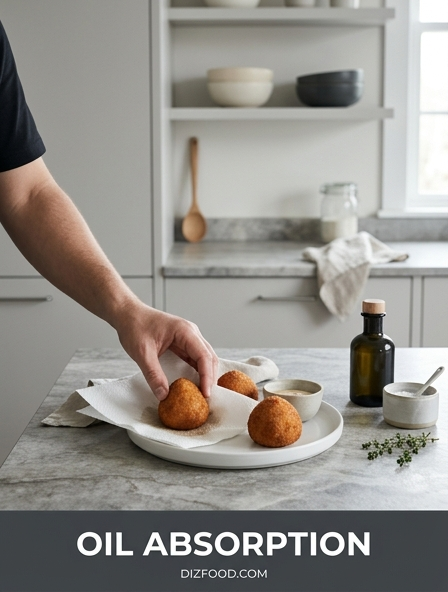
Understanding Oil Uptake Mechanics
The absorption of oil into food during frying is a complex physical process primarily dictated by the replacement of water with lipids. As food enters hot oil, internal moisture rapidly vaporizes, creating a continuous flow of steam moving from the core to the surface. This escaping steam creates a network of channels and pores within the food's structure. Oil uptake occurs through two distinct mechanisms: the condensation of steam during cooling and capillary action within the created pores.
Research indicates that the majority of oil is not absorbed during the actual immersion phase, but rather during the cooling period after the food is removed from the fryer. As the internal temperature drops, the residual steam inside the pores condenses, creating a vacuum that pulls surface oil into the structural voids. Factors influencing this process include:
- The initial moisture content of the raw ingredient.
- The surface-to-volume ratio of the food item.
- The viscosity and degradation level of the frying medium.
- The presence of surfactants or emulsifiers in the batter.
Pressure Frying for Moisture Retention
Pressure frying is a specialized culinary technique that utilizes a sealed environment to increase the atmospheric pressure surrounding the cooking medium. By raising the internal pressure of the vessel, the boiling point of water is significantly elevated. This physical shift prevents the rapid evaporation of internal fluids, allowing the food to cook in its own juices while the exterior undergoes browning. This method is particularly effective for thick cuts of protein, such as chicken, where internal moisture loss would otherwise result in a dry texture.
Because the steam remains trapped within the food's cellular structure, it acts as a pressurized barrier against the ingress of oil. The higher pressure forces heat into the center of the food faster than conventional open frying, reducing the overall cooking time. Shorter exposure to the lipid medium, combined with the internal vapor pressure resisting external oil infiltration, results in a product that is significantly juicier and contains less absorbed fat compared to traditional deep-fat frying methods.
Vacuum Frying and Lower Oil Content
Vacuum frying operates on the inverse principle of pressure frying, conducting the process under sub-atmospheric conditions. In a vacuum, the boiling point of water is drastically lowered, allowing moisture to evaporate at temperatures far below the standard 100°C. This unique environment enables the production of snacks with vibrant colors and natural flavors that would typically be lost to high-heat degradation. More importantly, vacuum frying is a premier method for achieving ultra-low oil content.
The efficiency of vacuum frying in reducing oil uptake is summarized in the following comparisons:
| Feature | Atmospheric Frying | Vacuum Frying |
|---|---|---|
| Boiling Point | 100°C | < 60°C |
| Oil Absorption | Higher (Capillary pull) | Lower (Vapor pressure) |
| Nutrient Retention | Moderate to Low | High (Reduced oxidation) |
By maintaining a low-oxygen environment, the oil itself remains stable for longer durations, further improving the nutritional profile of the finished product.
Structural Barriers to Oil Absorption
The composition of the food surface serves as the primary line of defense against oil penetration. When ingredients are coated in batters or breading, a sacrificial layer is created that undergoes rapid dehydration. The objective in modern kitchen science is to engineer this barrier to be as impermeable as possible. Hydrocolloids and proteins are often added to coatings to create a film-forming effect that seals the surface during the initial seconds of frying.
The following ingredients are frequently used to enhance structural barriers:
- Methylcellulose: A thermal-gelling agent that firms up when heated, blocking oil entry.
- Soy flour: High protein content facilitates faster crust formation.
- Rice flour: Its low starch damage prevents excessive moisture-oil exchange.
- Egg whites: Provide a protein matrix that coagulates into a dense, protective shield.
By optimizing these additives, chefs can create a "gasket" effect that allows heat to transfer inward while preventing the external lipid medium from moving past the crust layer.
Temperature Dynamics in Vacuum Systems
The thermal behavior within a vacuum frying system is vastly different from traditional kitchen environments. Because the ambient pressure is reduced, the heat transfer coefficient increases, allowing for rapid dehydration at gentle temperatures. This prevents the "case hardening" effect, where the exterior of the food becomes a dry, charred shell while the interior remains undercooked. Instead, the temperature remains consistent across the product profile, facilitating a more uniform pore distribution.
In these systems, the oil acts more as a heat transfer fluid than a flavor carrier. Because the temperature is kept low, the oil does not reach its smoke point, and the formation of harmful compounds like acrylamide is virtually eliminated. The low-temperature dynamics also mean that the steam escaping the food does not have the same kinetic energy as in high-heat frying. This creates a more controlled transition at the surface, which is critical for preventing the sudden "suction" of oil into the food during the post-frying stage.
Pressure Impact on Surface Porosity
Surface porosity is the determining factor in how much oil a food item will retain once it leaves the fryer. When food is subjected to high-pressure frying, the pores are kept small and uniform due to the pressurized steam pushing outward. In contrast, standard frying can cause pores to rupture and expand, creating large cavities that easily trap oil. Managing this porosity through pressure adjustments allows for a more "closed" surface architecture.
The impact of pressure on the microstructure involves several stages:
- Initial immersion: Vapor pressure prevents oil from entering existing pores.
- Cooking phase: High internal pressure maintains pore integrity.
- Release phase: As pressure is normalized, the steam must be managed to prevent a vacuum effect.
- De-oiling phase: Surface oil is removed before it can settle into the microscopic gaps.
By understanding these stages, industrial and home cooks can manipulate the mechanical structure of the food to reject oil rather than absorb it.
Innovative De-oiling Processing Steps
Post-frying treatments are arguably more important than the frying process itself when it comes to final oil content. Innovative de-oiling techniques focus on removing surface oil before the food cools down and the "suction" effect takes place. In commercial settings, centrifuges are often used to spin excess oil off the surface of chips and snacks. In the home kitchen, the use of high-velocity hot air or immediate agitation can achieve similar, albeit less dramatic, results.
Another emerging method involves the use of superheated steam or "air knives" to blow oil off the surface immediately upon extraction from the fryer. This ensures that the only oil remaining on the food is the thin film required for mouthfeel and flavor, rather than the deep-seated oil that contributes to high calorie counts. These processing steps are essential because they address the oil that is physically trapped on the surface by surface tension, which would otherwise become internal fat as the product reaches room temperature.
Preserving Nutrients with Modern Frying
Modern frying technologies, particularly vacuum and pressure systems, have revolutionized nutrient preservation in the kitchen. Traditional frying often destroys heat-sensitive vitamins and antioxidants due to prolonged exposure to high temperatures and oxygen. By manipulating the pressure, the cooking environment becomes much more hospitable to the delicate chemical structures within vegetables and fruits. This results in fried products that retain a significant portion of their original nutritional value.
| Nutrient Type | Standard Frying Retention | Modern Frying Retention |
|---|---|---|
| Vitamin C | 20-40% | 70-85% |
| Beta-Carotene | Low (Oxidizes) | High (Vibrant color) |
| Polyphenols | Degraded | Largely Preserved |
Furthermore, because modern methods reduce the amount of oil absorbed, the ratio of natural nutrients to calories is much higher, making these foods a more viable option for health-conscious consumers who still desire the texture of fried items.
The Role of Pressure in Crust Formation
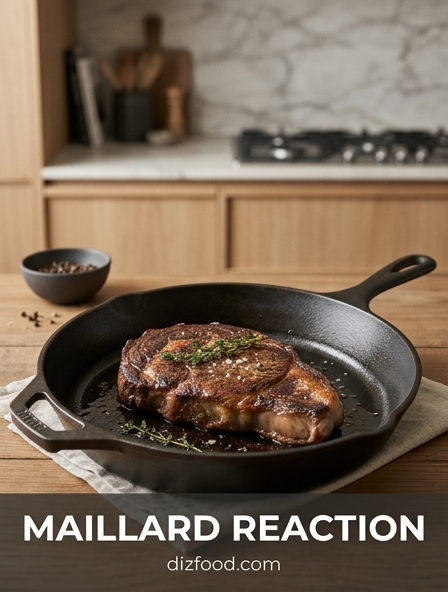
The crust is the most desirable part of fried food, providing the essential crunch and the complex flavors associated with the Maillard reaction. Pressure plays a pivotal role in how this crust develops. In a pressurized environment, the exterior of the food is subjected to higher heat transfer rates, which accelerates the browning reactions without burning the surface. This creates a crust that is thin, crisp, and remarkably uniform.
The pressure ensures that the crust forms a tight matrix. Because the moisture is being forced out against an external pressure, the resulting "vent holes" in the crust are smaller than those found in atmospheric frying. A tighter crust matrix is fundamentally less permeable to oil. This mechanical advantage means that even if the food is left in the oil for a slightly longer duration, the total oil uptake is capped by the physical density of the crust. This allows chefs to achieve a deep, golden-brown finish without the greasy texture often associated with long frying times.
Optimized Parameters for Low-Fat Results
Achieving a low-fat fried product requires the precise synchronization of several variables. It is not enough to simply use a "healthy" oil; the physics of the environment must be controlled to minimize uptake. Research suggests that the most effective way to lower fat content is through a multi-faceted approach that considers temperature, duration, and post-cook handling. When these parameters are optimized, the difference in oil content can be as high as 40%.
Key parameters for optimizing results include:
- Oil Temperature: Maintaining a minimum of 175°C to ensure immediate vapor barrier formation.
- Surface Drying: Reducing initial surface moisture to prevent large pore formation.
- Timed Extraction: Removing food the moment the moisture-exit rate slows.
- Active De-oiling: Using mechanical means to strip surface lipids immediately after frying.
By strictly adhering to these optimized parameters, kitchen professionals can produce fried foods that meet the demands for healthier options while maintaining the sensory characteristics that make fried food so popular across global cuisines.

Comments