
When it comes to elevating your culinary presentation, the choice between a tapas plate and a traditional dinner plate is a game-changer for both aesthetics and appetite. While the standard dinner plate acts as a generous canvas for hearty, structured meals, the petite tapas plate embraces a more intimate, "small-bite" philosophy that encourages flavor exploration and social sharing. By mastering the scale of these dishes, you can transform a simple meal into a curated experience, using smaller diameters to highlight intricate garnishes or larger surfaces to balance protein, starch, and greens. Whether you are aiming for the sophisticated minimalism of a tasting menu or the comforting abundance of a family feast, selecting the right vessel is the secret to making your food look as professional as it tastes.
| Feature | Tapas Plate | Dinner Plate |
|---|---|---|
| Average Diameter | 4 - 6 inches (10 - 15 cm) | 10 - 12 inches (25 - 30 cm) |
| Primary Function | Appetizers, snacks, & tastings | Main courses & full entrées |
| Dining Style | Social, shared, & experimental | Individual & structured |
| Portion Control | High; encourages bite-sized variety | Standard; accommodates large volume |
| Visual Impact | Intimate; focuses on micro-details | Expansive; focuses on composition |
| Table Footprint | Compact; allows for many dishes | Large; requires significant space |
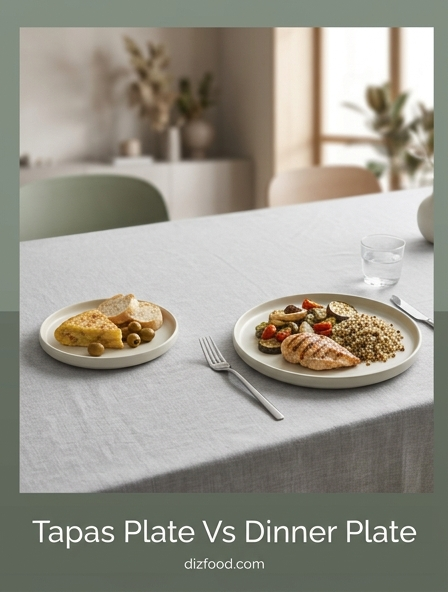
Tapas Plate vs Dinner Plate Dimensions
The primary distinction between a tapas plate and a dinner plate lies in their physical footprint and intended capacity. A standard dinner plate is the workhorse of the modern dining table, typically measuring between 10 and 12 inches in diameter. This size is designed to accommodate a full meal consisting of a main protein, a starch, and a vegetable component. In contrast, a tapas plate-often referred to as a side plate or appetizer dish-is significantly smaller, usually ranging from 4.5 to 6.5 inches in diameter. This smaller surface area is specifically scaled for bite-sized portions or single culinary items.
| Feature | Tapas Plate | Dinner Plate |
|---|---|---|
| Standard Diameter | 4.5 - 6.5 inches | 10 - 12.5 inches |
| Average Weight | 150g - 300g | 600g - 900g |
| Typical Rim Style | Often rimless or shallow | Wide rim or deep coupe |
| Surface Area | Minimal; for single items | Large; for multi-component meals |
Beyond diameter, the depth and rim style also vary. Dinner plates often feature a wider rim to provide a frame for the food, whereas tapas plates frequently utilize a coupe shape-curving upward from the center-to contain oils, sauces, or small juices common in Mediterranean small-plate cooking. Because tapas plates are lighter and smaller, they are easier to pass around a table during a communal meal, whereas dinner plates are intended to remain stationary in front of the diner.
Benefits of Small Plate Portion Control
Utilizing small plates, such as those designed for tapas, is a proven strategy for managing dietary habits and improving nutritional awareness. The psychological impact of plate size on hunger and satisfaction is profound. When a small amount of food is placed on a large dinner plate, the brain perceives a deficit, often leading to overeating or feelings of deprivation. However, placing that same amount of food on a tapas-sized plate creates a visual illusion of abundance. This trick of the mind helps diners feel more satisfied with smaller portions, as the plate appears full and the meal feels complete.
- Reduced Caloric Density: Smaller plates naturally limit the volume of food that can be served at once.
- Mindful Eating: The process of finishing a small plate and deciding whether to serve another encourages a pause in consumption.
- Satiety Signaling: Visual cues of a "clean plate" help trigger the brain's signals that the meal is over.
- Waste Reduction: Diners are less likely to overserve themselves and leave uneaten food behind.
By transitioning from large dinner plates to tapas plates for daily meals, individuals can more effectively manage their caloric intake without the stress of strict weighing or measuring. This approach shifts the focus from quantity to quality, allowing the diner to savor the flavors of a well-prepared dish rather than rushing through a large, overwhelming mound of food. Over time, this practice recalibrates the stomach's expectations for portion sizes, leading to long-term health benefits and a more balanced relationship with food.
Cultural Origins of Tapas Dining Styles
The concept of the tapas plate is deeply rooted in Spanish history and social tradition. The word "tapa" translates literally to "cover" or "lid." Historically, it is believed that bartenders in Andalusia would cover glasses of sherry with a small slice of bread or a piece of cured ham to prevent fruit flies from entering the drink. Over time, these covers evolved into elaborate small dishes served alongside alcohol. This style of eating reflects a Mediterranean philosophy that prioritizes social interaction and communal sharing over the solitary consumption of a single large entree.
In traditional Spanish culture, "tapear" or "going for tapas" is an evening ritual that involves moving from one bar to another, sampling a different specialty at each stop. This movement and variety are facilitated by the small size of the plates. Unlike the formal structure of a three-course meal served on large dinner plates, tapas dining is fluid and informal. It allows for a democratic dining experience where everyone at the table can taste every dish ordered. This cultural framework has influenced global dining trends, leading to the rise of "small plate" menus in diverse culinary traditions, from Japanese Izakayas to Middle Eastern Mezze. The tapas plate is not merely a vessel for food; it is a tool for fostering conversation, community, and a slower, more engaged way of living.
Visual Appeal of Tapas vs Dinner Plating
Aesthetics play a crucial role in how food is perceived and enjoyed. Dinner plates offer a large "canvas" for chefs to create intricate arrangements, using negative space to highlight a central protein. The visual appeal of a dinner plate often relies on balance, symmetry, and the vertical stacking of ingredients. Because of the ample space, sauces can be swirled or dotted with precision, and garnishes can be placed strategically to guide the eye. The large diameter of a dinner plate provides a sense of formality and elegance, making it the preferred choice for fine dining and traditional celebrations.
Tapas plating, conversely, focuses on vibrancy, texture, and rustic charm. Because the plate is small, the food often fills the entire surface, creating a "maximalist" aesthetic. A single grilled shrimp, a cluster of olives, or a slice of tortilla española can look incredibly appetizing when it dominates a small, brightly colored ceramic dish. Tapas plates often feature bold patterns, hand-painted glazes, and Mediterranean motifs that would be overwhelming on a large dinner plate. The visual appeal here is found in the collective; a table covered in ten different small plates creates a mosaic of colors and shapes that is more visually stimulating than a single large plate. This style of plating encourages a casual, approachable atmosphere where the focus is on the freshness of the ingredients and the variety of the spread.
Choosing Plates for Social Gatherings
When hosting a social gathering, the choice between tapas plates and dinner plates dictates the entire atmosphere of the event. If the goal is a formal, seated dinner where the conversation is focused on a specific sequence of courses, dinner plates are the standard requirement. They signal a structured mealtime and provide enough space for guests to eat comfortably without constant refills. However, for more modern, interactive parties, tapas plates are increasingly favored for their versatility and ease of use.
- Assess the Menu: If serving a buffet or heavy hors d'oeuvres, small plates prevent guests from overloading and make it easier to eat while standing.
- Evaluate Space: Tapas plates take up less room on coffee tables or bistro sets, allowing for more guests in smaller living areas.
- Consider Interaction: Small plates encourage guests to move around, sample different items, and engage with multiple people.
- Theme Consistency: Use patterned tapas plates for casual cocktail hours and solid, neutral dinner plates for traditional holiday meals.
For a cocktail party or an "open house" style event, providing a stack of high-quality tapas plates allows guests to graze throughout the evening. This prevents the "food coma" associated with large seated meals and keeps the energy of the room high. Conversely, if you are hosting a traditional three-course dinner, using dinner plates ensures that the main course feels substantial and ceremonial. Many hosts now choose to use both, starting with small plates for appetizers in the living room before transitioning to the dining table for the main event.
How Plate Size Affects Caloric Intake
Scientific research into the "Delboeuf Illusion" has frequently highlighted the relationship between plate size and the amount of food humans consume. The illusion suggests that the perceived size of a circle (the food) changes based on the size of the circle surrounding it (the plate). When people use large dinner plates, they tend to serve themselves significantly more-up to 30% more in some studies-to fill the empty space. This subconscious behavior leads to a higher caloric intake because the brain does not register the portion as "large" relative to the plate. Consequently, individuals may finish a 1,000-calorie meal on a large plate and still feel as though they have eaten a standard amount.
Switching to tapas plates can effectively reverse this trend. Because the boundaries of the small plate are reached quickly, the diner receives a visual signal that the portion is substantial. Furthermore, the physical act of returning for "seconds" creates a cognitive barrier that large plates do not provide. On a large plate, the calories are already there; on a small plate, one must make a conscious decision to eat more. This mindfulness is a critical component in weight management and metabolic health. By reducing the surface area of the primary dining vessel, people naturally align their intake with their actual hunger levels rather than the capacity of the china, leading to a more regulated and healthy caloric balance over time.
Storage Efficiency for Varied Plate Sizes
Kitchen organization often hinges on the dimensions of dinnerware. Dinner plates, due to their size and weight, require significant vertical and horizontal space. They are often heavy when stacked in groups of twelve, which can put stress on cabinet shelves. Furthermore, their wide diameter can prevent cabinet doors from closing if the cabinetry is shallow. This often forces homeowners to store dinner plates in specific lower cabinets or dedicated plate racks. For those living in urban environments or smaller apartments, a full set of large dinner plates can be a logistical challenge.
Tapas plates, on the other hand, are a dream for storage efficiency. Their small diameter allows them to be tucked into narrow shelves, stacked high in small corners, or even displayed on open shelving without looking cluttered. Because they are lightweight, they can be stored in upper cabinets or on delicate wire organizers. In many modern kitchens, homeowners are opting for "mixed-use" storage where tapas plates are kept within easy reach for daily snacks and light meals, while dinner plates are reserved for higher shelves or specialized storage. Additionally, the flat profile of many tapas plates means they take up minimal height, allowing for the storage of twenty or more plates in the same space that would only fit six or eight dinner plates. This efficiency makes them an ideal choice for people who enjoy entertaining but have limited square footage.
Versatile Uses for Tapas Dishes
One of the greatest advantages of tapas plates over dinner plates is their incredible versatility outside of a standard meal. While a dinner plate is almost exclusively used for main courses, a tapas plate can serve dozens of secondary functions in the kitchen and throughout the home. Their size makes them perfectly suited for tasks that do not require a full-sized vessel, reducing the amount of washing and the amount of space used on the counter during food preparation.
- Mise en Place: Use them to hold chopped garlic, herbs, or measured spices during cooking.
- Dessert Service: They are the ideal size for a single brownie, a slice of cake, or a handful of cookies.
- Bread and Oil: Perfect for serving individual portions of baguette with balsamic vinegar and olive oil.
- Home Organization: They function well as trinket dishes for keys, jewelry, or as coasters for large candles.
- Children's Meals: The smaller size is more manageable for toddlers and helps with kid-friendly portioning.
Beyond the kitchen, the aesthetic variety of tapas plates makes them popular as decorative elements. Because they are often sold individually or in small, mismatched sets, they can be used to add a pop of color to a shelf or a coffee table. Their utility as "spoon rests" near the stove or as "tea bag holders" near the kettle further cements their status as a multi-functional tool. Unlike the dinner plate, which is a specialized item for a specific time of day, the tapas plate is a constant companion in the rhythm of a busy household.
Designing a Balanced Table Setting
Creating a visually appealing table setting often involves layering different plate sizes to create depth and interest. A balanced table doesn't have to choose between a tapas plate and a dinner plate; instead, it uses both to enhance the dining experience. In formal settings, the tapas plate (or a similar bread/salad plate) is placed to the top left of the dinner plate or directly on top of it as part of a multi-course stack. This layering adds a sense of luxury and preparation to the meal, signaling to guests that multiple flavors and textures are to be expected.
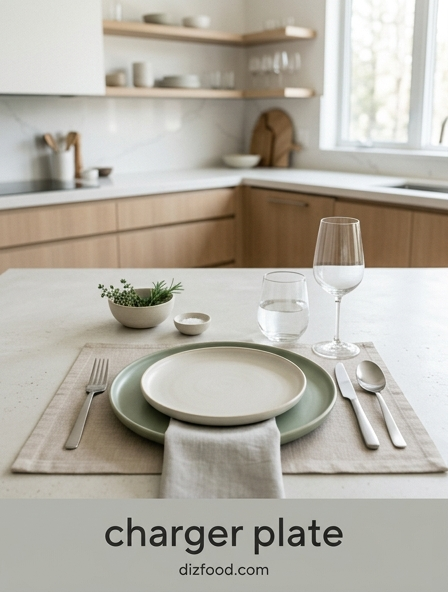
For a more casual, modern aesthetic, designers recommend "mixing and matching" textures and colors. A large, matte-finish dinner plate in a neutral tone like charcoal or cream can serve as a "charger" for a vibrant, patterned tapas plate on top. This provides a focal point and prevents the table from looking too uniform. When arranging a tapas-style meal, balance is achieved through the "scatter" method. Rather than perfectly aligned places, small plates are distributed across the center of the table at varying heights-perhaps using small wooden blocks or tiered stands-to create a dynamic "landscape" of food. This encourages guests to reach, share, and interact, breaking the rigid barriers of traditional seating. By varying the sizes and styles of the plates, the host can control the flow of the meal and the visual energy of the room.
Modern Trends in Small Plate Dining
The culinary world has seen a massive shift toward small-plate dining over the last decade, driven by a desire for variety and a more adventurous approach to eating. Modern diners are often reluctant to commit to a single large entree, fearing they might miss out on other interesting flavors. This has led to the "grazing" trend, where restaurants build entire menus around tapas-sized portions. This style allows a group of four people to try twelve different dishes rather than just four, turning a meal into an exploration of a chef's entire range. This trend is not limited to Spanish food; it has been adopted by French bistros, Italian trattorias, and modern American fusion restaurants.
In addition to variety, the small plate trend aligns with the rise of "Instagrammable" food. Smaller plates allow for more detailed, colorful, and "tight" photography, which has helped fuel the popularity of these dishes on social media. Furthermore, the trend reflects a shift in health consciousness. As more people move toward "flexitarian" or plant-forward diets, small plates offer a way to sample diverse vegetables and grains without the need for a large meat-heavy center. This evolution in dining habits suggests that the tapas plate is no longer just a regional tradition; it is a global standard for modern, social, and conscious eating. Whether it is a "charcuterie board" night at home or a high-end tasting menu, the small plate is at the center of the contemporary culinary zeitgeist.


Comments