
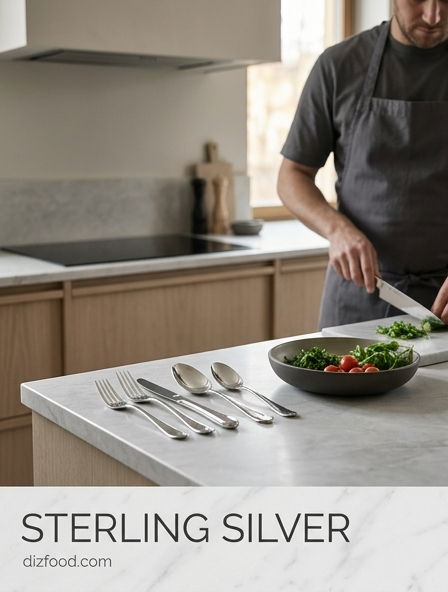
The Enduring Value of Sterling Silver
Sterling silver has occupied a central place in the domestic sphere for centuries, representing a harmonious blend of utility and luxury. Its enduring value stems from its 92.5% pure silver content, balanced with copper to ensure structural integrity. Unlike modern disposable kitchenware, sterling silver pieces are designed to last for generations, retaining a luster that synthetic materials cannot replicate. Owners often find that the psychological value of using silver-elevating a mundane meal to a formal occasion-is just as significant as its market price. This permanence is why silver is often the centerpiece of wedding registries and significant gift-giving traditions. Key reasons for its lasting appeal include:
- Inherent precious metal content that retains intrinsic worth.
- Exceptional heat conductivity for serving vessels.
- Natural antimicrobial properties that enhance food safety.
- Historical prestige and a timeless aesthetic that transcends trends.
Through fluctuations in fashion and design, silver remains a constant, serving as a reliable standard for elegance in the home. It is one of the few household items that truly improves with age and consistent use.
Defining Heirloom Quality in Tableware
Heirloom quality is a term frequently applied to sterling silver, but it encompasses more than just a high price tag. It refers to the exceptional craftsmanship and density found in high-grade tableware. Pieces categorized as heirlooms are typically forged or die-struck, resulting in a weight and balance that feels substantial and ergonomic in the hand. The intricate detailing-whether it be the Rococo swirls of a Victorian spoon or the clean lines of Mid-Century Modern forks-remains crisp over decades of use. This level of quality ensures that the item does not simply exist; it performs reliably under pressure.
A true heirloom silver piece survives the rigors of daily cleaning and handling while maintaining its structural form. It is the antithesis of the "planned obsolescence" found in modern consumer goods. When a family invests in heirloom-grade silver, they are purchasing a tool that is intended to bridge the gap between the present and future generations. It carries with it the stories and memories of every dinner party and holiday celebration it has ever graced, becoming a physical vessel for family history that stands the test of time.
Durability and Longevity of Silver Cutlery
Sterling silver is surprisingly resilient. While pure silver is too soft for functional cutlery, the addition of 7.5% copper creates an alloy strong enough for daily use. This durability allows silver forks and knives to withstand pressure without snapping, a common failure in cheap plastic or thin steel alternatives. Longevity is further guaranteed by the fact that silver can be professionally restored; bent tines can be straightened, and deep gouges can be filled and buffed away by a skilled silversmith. To maximize the longevity of a collection, users should follow these steps:
- Use the silver regularly to prevent heavy tarnish buildup.
- Hand-wash with mild detergent to avoid harsh dishwasher chemicals.
- Dry immediately with a soft cloth to prevent water spots.
- Store in felt-lined chests to minimize exposure to atmospheric sulfur.
By adhering to these simple practices, a set of sterling silver flatware can easily remain in service for over a century. They outlast the very tables they sit upon, providing a consistent sense of reliability and beauty that persists through decades of culinary evolution.
Silver as a Tangible Financial Asset
Beyond its aesthetic and functional roles, sterling silver serves as a tangible financial asset. Because it is comprised of 92.5% silver, every piece has a "melt value" based on the current spot price of the precious metal. This provides a financial floor that protects the owner's investment, unlike stainless steel which has virtually no resale value. In times of economic volatility, precious metals often serve as a hedge against inflation. Collectors also find that certain patterns from renowned makers like Tiffany & Co. or Georg Jensen command premiums far above their weight in silver.
| Asset Feature | Sterling Silver | Stainless Steel |
|---|---|---|
| Intrinsic Value | High (Precious Metal) | Low (Base Metal) |
| Resale Market | Robust and Liquid | Very Limited |
| Inflation Hedge | Yes | No |
This dual nature-being both a tool for dining and a store of wealth-makes silver a unique household acquisition. It contributes to a family's net worth while being used and enjoyed daily.
The Beauty of the Developing Patina
One of the most misunderstood yet cherished aspects of sterling silver is the patina. This refers to the soft, lustrous glow that develops on the surface of the metal after years of regular use. It is composed of millions of tiny, microscopic scratches that catch the light at different angles, creating a depth of finish that new silver lacks. Far from being a defect, a well-developed patina is the mark of a well-loved collection. It transforms the cold, mirror-like finish of a factory-new piece into something warmer and more organic.
Many collectors actually prefer "used" silver because of this character. To encourage a beautiful patina, one must simply use the silver frequently. Each time a fork is handled or a spoon is washed, the process of refining the surface continues. This evolution signifies that the objects are not museum pieces meant for display, but living tools that participate in the history of the home. The patina acts as a visual record of time, softening the edges and imbuing the metal with a soul that newer materials cannot emulate.
Comparing Sterling Silver and Stainless Steel
Choosing between sterling silver and stainless steel involves weighing luxury and investment against convenience and cost. Sterling silver is an alloy of 92.5% silver, whereas stainless steel is primarily iron mixed with chromium and nickel. The most immediate difference is the thermal conductivity; silver warms up instantly to the temperature of the food, providing a more pleasant sensory experience. Steel, conversely, remains cold and can feel jarring against the lips during a meal.
| Characteristic | Sterling Silver | Stainless Steel |
|---|---|---|
| Composition | 92.5% Silver | Iron, Chromium, Nickel |
| Feel | Warm, Heavy | Cold, Light |
| Maintenance | Occasional Polishing | Dishwasher Safe |
While stainless steel is undoubtedly easier to maintain in a busy modern kitchen, it lacks the soul and the appreciating value of sterling. Silver requires more manual care, but it rewards the owner with a sense of ceremony and a permanent asset that will never end up in a landfill.
Essential Maintenance for Lasting Silver Collections
Maintaining a sterling silver collection is less daunting than most people imagine, provided it is done consistently. The primary enemy of silver is tarnish, a chemical reaction between the metal and sulfur in the air or in certain foods like eggs and onions. Regular use is actually the best maintenance, as frequent handling and washing prevent tarnish from taking hold. For deep cleaning, specialized polishes should be used rather than abrasive home remedies like toothpaste, which can scratch the delicate surface.
- Wash Promptly: Do not let silver sit with acidic food residue overnight.
- Avoid the Dishwasher: High heat can pit the metal and loosen knife handles.
- Soft Drying: Use a lint-free cotton cloth to buff the silver dry and remove spots.
- Proper Storage: Use anti-tarnish strips in storage drawers to neutralize sulfur.
By incorporating these simple habits into a routine, the labor of polishing the silver becomes a meditative, occasional task rather than a burdensome chore, preserving the collection's brilliance for decades of future service.
Sustainable Dining Through Vintage Silver
In an era increasingly focused on sustainability and reducing waste, vintage sterling silver stands out as an eco-friendly choice for the modern kitchen. Choosing antique or pre-owned silver is a powerful form of recycling that prevents the need for new mining operations, which can be environmentally taxing. Unlike modern "fast-fashion" kitchenware made of plastic or low-grade alloys that break and are discarded, silver is infinitely circular. If a piece is beyond repair, it can be melted down and refined back into pure silver to create something new.
Furthermore, because sterling silver is designed to last centuries, it negates the cycle of constant consumption and disposal. Using vintage silver also brings a unique aesthetic to the table that cannot be mass-produced. Each piece has a history, reducing the carbon footprint associated with manufacturing and global shipping of new goods. By investing in the past, diners can enjoy a high-quality, luxurious experience that aligns with modern values of conservation and mindful living, proving that the most sustainable products are often the ones already made.
The Tradition of Passing Down Silverware
The tradition of passing down silverware is a cultural cornerstone that transcends mere utility. In many families, a chest of silver is the most significant physical link between generations. It is often gifted during pivotal life events, such as weddings or the birth of a child, serving as a foundation for a new household. These sets become repositories of memory; a grandmother's ladle or a great-uncle's carving set carries the weight of past holiday meals and family stories. This practice ensures that the history of a family is literally felt at the dinner table.
Unlike digital photos or paper documents, silverware is a tactile legacy. The act of setting the table with family silver becomes a ritual that honors ancestors and maintains a sense of continuity in an ever-changing world. It teaches younger generations the value of stewardship and the importance of shared meals. Ultimately, the silver is not just metal; it is a vessel for family identity, ensuring that even as individuals pass on, the traditions and elegance they valued remain present in the lives of their descendants.
Identifying Authentic Silver Hallmarks and Purity
To ensure you are handling genuine sterling silver, one must understand the system of hallmarks and purity marks. These stamps, usually found on the underside or neck of a piece, are the manufacturer's guarantee of metal content. In the United States, the word "Sterling" or the number "925" (representing 92.5% purity) is standard. British silver follows a more complex system of hallmarking that has been in place for centuries, providing a wealth of information for the collector. When inspecting a piece, look for these specific indicators:
- The Lion Passant: The official British mark for sterling silver purity.
- The Maker's Mark: Initials or a symbol identifying the specific silversmith.
- The Town Mark: A symbol indicating where the piece was assayed (e.g., an anchor for Birmingham).
- The Date Letter: A specific font style identifying the exact year of production.
Understanding these marks allows a collector to verify the authenticity and history of their silver. It protects them from silver-plated imitations, which consist of a base metal coated in a thin layer of silver and have no significant intrinsic value.


Comments