
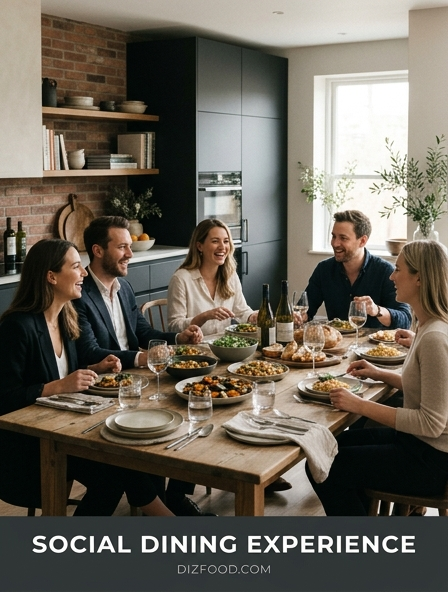
Curating an Inviting Ambiance for Your Dining Space
The foundation of any memorable social dining experience lies in the initial atmosphere encountered by guests. Creating an inviting ambiance requires a thoughtful blend of sensory elements that encourage relaxation and connection. The physical environment should feel intentional yet effortless, balancing professional aesthetics with the warmth of a residential kitchen. By focusing on the tactile and visual aspects of the room, you transform a standard meal into a curated event that prioritizes comfort and conviviality.
- Choose textiles like linen napkins and soft runners to soften hard kitchen surfaces.
- Incorporate natural elements, such as potted herbs or fresh greenery, to bring vitality to the space.
- Select a color palette that complements the cuisine, using warm tones for rustic meals and cooler tones for modern fare.
- Ensure seating is ergonomic and arranged to promote face-to-face interaction without overcrowding.
- Utilize scent carefully; avoid overpowering candles that might clash with the aromas of the cooking food.
Ultimately, a successful ambiance acts as a silent host, putting guests at ease from the moment they cross the threshold. When the environment feels harmonious, conversation flows more naturally, and the culinary offerings are received with greater appreciation.
Designing a Cohesive and Flavorful Menu Concept
A well-conceived menu serves as the narrative arc of the evening, guiding guests through a series of flavors that feel interconnected and purposeful. Rather than simply serving a collection of favorite dishes, a cohesive concept considers the progression of intensity, texture, and cultural origin. The goal is to build anticipation and provide a balanced experience that leaves diners satisfied but not overwhelmed. Effective menu planning involves selecting a central theme-be it a specific region, a seasonal ingredient, or a culinary technique-and allowing every course to reflect that choice.
- Start with light appetizers that stimulate the palate without dulling the appetite for the main course.
- Balance rich, heavy proteins with acidic or bright side dishes to maintain a palate-cleansing effect throughout the meal.
- Ensure a variety of textures, incorporating crispy, creamy, and tender elements across the different plates.
- Align the complexity of the dishes with your ability to remain present with your guests during the service.
- Conclude with a dessert that echoes the primary flavors of the meal, providing a final, harmonious note.
By adhering to these principles, the menu becomes more than just food; it becomes a curated journey that showcases the chef's vision and respect for the ingredients.
Mastering the Art of Aesthetic Tablescapes
The visual presentation of the dining table sets the stage for the culinary delights to follow. An aesthetic tablescape is not merely about decoration; it is about creating a functional work of art that enhances the mood of the dinner. The interplay between plateware, glassware, and decorative accents should reflect the theme of the menu while remaining practical for the act of eating. Layering different materials and heights can add depth to the table, making it look professional and enticing for guests who appreciate attention to detail.
- Use high-quality dinnerware that serves as a neutral canvas for the vibrant colors of the food.
- Integrate varying heights through the use of tiered stands, tapered candles, or different sizes of glassware.
- Select centerpieces that are low-profile to ensure they do not obstruct the line of sight between guests.
- Personalize the setting with handwritten place cards or small, individual garnishes at each seat.
- Pay attention to the spacing of cutlery, ensuring each tool is placed logically for the order of courses.
A thoughtful tablescape signals to your guests that their presence is valued and that the evening has been prepared with meticulous care, elevating the overall social experience.
Integrating Interactive Culinary Elements into the Evening
Modern social dining often blurs the line between the kitchen and the table, turning the act of preparation into a form of entertainment. Integrating interactive elements allows guests to engage with their food on a deeper level, fostering conversation and creating shared memories. This approach breaks down the traditional barriers of formal dining, making the kitchen the heart of the social experience. Whether it is a "build-your-own" station or a live demonstration, interaction adds a layer of playfulness to the gourmet environment.
| Interactive Element | Guest Engagement Benefit |
|---|---|
| DIY Garnish Bar | Allows for personal customization of flavor profiles. |
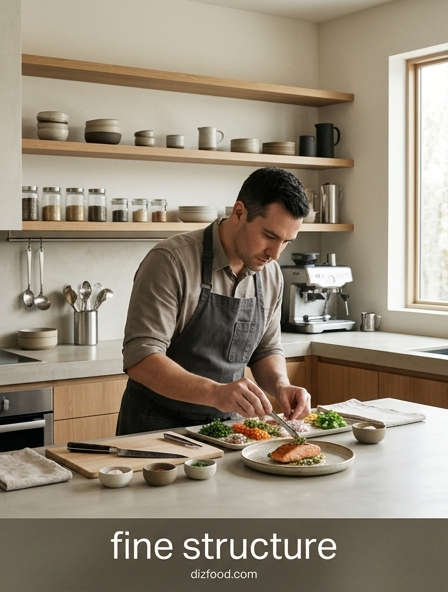
| Open Kitchen Prep | Guests can observe techniques and ask the chef questions. |
| Shared Platter Style | Encourages movement and physical interaction between diners. |
| Live Searing/Finishing | Provides a dramatic visual focal point during the service. |
By involving guests in the process, you transform them from passive consumers into active participants. This dynamic energy is the hallmark of a truly successful kitchen-centric social event, where the food becomes a catalyst for engagement.
Balancing Diverse Dietary Needs with Gourmet Flavors
In a modern social dining context, inclusivity is paramount. Hosting a successful dinner means ensuring every guest can enjoy the meal without feeling like an afterthought due to dietary restrictions. The challenge for the chef is to create dishes that meet specific needs-such as vegan, gluten-free, or nut-free requirements-while maintaining the high standards of gourmet flavor and presentation. Rather than simply removing ingredients, the focus should be on creative substitutions and naturally inclusive recipes that appeal to everyone at the table regardless of their restrictions.
- Identify guest requirements early to incorporate them into the core menu design.
- Utilize high-quality plant-based fats, like cashew cream or avocado, to maintain richness in dairy-free options.
- Leverage naturally gluten-free grains like quinoa or polenta to avoid "alternative" textures that may feel lacking.
- Create universal sauces or dressings that are free from common allergens to simplify service.
- Present modified dishes with the same level of aesthetic detail as the standard plates.
When dietary accommodations are handled with elegance, it enhances the sense of hospitality and ensures that the social flow of the evening remains uninterrupted by logistical concerns.
Optimizing the Flow of Conversation and Kitchen Space
The layout of a kitchen and dining area significantly impacts the social dynamics of a gathering. An optimized flow ensures that the chef can work efficiently while remaining part of the conversation, preventing the isolation that often occurs in traditional hosting. This requires a strategic approach to the "work triangle" and the placement of social hubs. When the kitchen is designed for social interaction, the boundaries between the host and the guests dissolve, creating a more relaxed and authentic experience for everyone involved.
- Designate a specific "social zone" with stools or a peninsula where guests can perch without blocking the cooking path.
- Clear all non-essential items from countertops to create more visual space and prep room.
- Organize the kitchen so that frequently used tools and ingredients are within arm's reach of the main station.
- Position the dining table within earshot of the kitchen to allow the host to chime into discussions.
- Minimize loud appliances or clattering during peak conversation times by timing heavy prep earlier.
A well-managed space allows the host to move with confidence, maintaining the momentum of the evening without the stress of navigating a cluttered or poorly arranged environment.
Enhancing the Meal with Expert Drink and Wine Pairings
The right beverage can elevate a dish from excellent to extraordinary by highlighting subtle flavor notes and balancing the richness of the ingredients. Expert pairings involve more than just matching red wine with meat; it is about understanding acidity, tannins, and sweetness levels. Providing a thoughtful selection of drinks-including sophisticated non-alcoholic options-ensures that every guest has a curated liquid accompaniment to their meal. The beverage program should be treated with the same level of detail as the food menu to create a unified sensory experience.
| Flavor Profile | Recommended Pairing Type | Purpose |
|---|---|---|
| Rich & Fatty | High Acid Wine or Sparkling | Cuts through grease and cleanses the palate. |
| Spicy & Bold | Off-dry Riesling or Pale Ale | Cools the heat and enhances floral notes. |
| Earthy & Savory | Pinot Noir or Herbal Mocktail | Complements the umami and mushroom tones. |
By presenting these pairings with a brief explanation of why they work, you add an educational and engaging layer to the dinner, deepening the guests' appreciation for the culinary craft on display.
Incorporating Seasonal Ingredients for Fresh Dining Appeal
Seasonality is the key to creating a menu that feels vibrant and connected to the time and place of the gathering. Using ingredients at their peak ripeness ensures maximum flavor and nutritional value, which naturally enhances the quality of the final dishes. Beyond the taste, seasonal cooking provides an organic theme for the evening, allowing the host to tell a story about local producers or the changing weather. This connection to the earth resonates with guests and often results in a lighter, more sustainable dining experience that feels modern and conscious.
- Visit local farmers' markets to discover what is currently in season and plan the menu accordingly.
- Focus on "hero" ingredients that define the season, such as heirloom tomatoes in summer or root vegetables in winter.
- Use seasonal fruits to create natural sweetness in both savory sauces and desserts.
- Adjust cooking techniques to the season; light poaching for spring and slow-roasting for the colder months.
- Incorporate edible flowers or seasonal herbs for a fresh, visually striking garnish.
When the ingredients are truly fresh, they require less manipulation, allowing the natural brilliance of the produce to shine and making the meal feel inherently sophisticated and high-end.
The Role of Lighting and Sound in Social Comfort
While food is the centerpiece, the invisible elements of lighting and sound are what truly define the "feel" of a social kitchen experience. Harsh overhead lighting can make a space feel clinical, while silence can feel awkward or stifling. Achieving social comfort requires a layered approach to the environment. Lighting should be used to create focus and warmth, while sound should provide a consistent, pleasant backdrop that fills gaps in conversation without requiring guests to raise their voices. These subtle cues tell the brain that it is time to relax and enjoy the company.
- Install dimmer switches to transition from "prep lighting" to "dining lighting" as the meal begins.
- Use accent lamps or candles to create soft pools of light rather than relying on a single source.
- Curate a playlist that matches the tempo of the evening, starting with upbeat tracks and ending with softer melodies.
- Position speakers strategically so the music is evenly distributed and not booming at one end of the table.
- Check for acoustic issues, such as echoes, and use soft goods to dampen unwanted noise.
Mastering these environmental factors ensures that the physical experience of the evening is as polished as the culinary one, allowing for a truly immersive and comfortable social atmosphere.
Planning Seamless Transitions from Preparation to Plating
The final hurdle of any social dining event is the transition from the "working" phase of cooking to the "serving" phase of plating. A disorganized transition can lead to cold food and a stressed host, which immediately impacts the mood of the guests. Success in this area depends heavily on *mise en place* and a disciplined schedule. By preparing as much as possible in advance, the host can focus on the artistic final touches and the social needs of the room. A seamless flow ensures that the momentum of the evening continues building toward the culinary climax.
- Complete all chopping, measuring, and sauce reductions before the first guest arrives.
- Warm your plates in a low oven to ensure the food remains at the ideal temperature during serving.
- Set up a dedicated plating station with all necessary garnishes and tools neatly arranged.
- Utilize "holding" techniques, such as sous-vide or slow cookers, for proteins to allow for flexible timing.
- Clear used prep dishes immediately to maintain a clean, professional-looking kitchen throughout the evening.
A calm, methodical transition demonstrates professional expertise and allows the host to remain the "director" of the evening, ensuring that every plate leaves the kitchen looking and tasting exactly as intended.

Comments