
Understanding Stainless Steel Grades 18/10 vs 18/0
When selecting flatware, the numbers 18/10 and 18/0 represent the percentages of chromium and nickel in the stainless steel alloy. Chromium is essential for hardness and rust resistance, while nickel provides the silver-like luster and enhances corrosion protection. An 18/10 grade contains 18% chromium and 10% nickel, resulting in a heavy, durable product with a high-shine finish that resists pitting over time.
| Grade | Chromium | Nickel | Characteristics |
|---|---|---|---|
| 18/10 | 18% | 10% | Superior shine, high rust resistance, heavy feel. |
| 18/8 | 18% | 8% | Good durability, standard for quality flatware. |
| 18/0 | 18% | 0% | Magnetic, budget-friendly, prone to staining. |
In contrast, 18/0 stainless steel contains negligible nickel. While it remains functional and affordable, it lacks the brilliant white glow of 18/10 and is more susceptible to oxidation if not dried promptly. Because 18/0 is magnetic, it is often preferred in commercial settings that use magnetic scrap collectors in dishwashers.
Forged vs Stamped Flatware Construction
The manufacturing process significantly impacts the strength and silhouette of your utensils. Stamped flatware is created by "punching" shapes out of a large sheet of cold stainless steel, much like a cookie cutter. These pieces are typically uniform in thickness throughout the handle and the head, resulting in a lighter, more flexible tool that is generally more affordable for casual use.
- Forged: Heat-treated and shaped for superior strength.
- Stamped: Cut from sheets; lightweight and economical.
- Tapering: Forged pieces often feature varied thickness for better grip.
Forged flatware is crafted from a thick bar of stainless steel that is heated and hammered into shape. This process allows the manufacturer to vary the thickness of the metal, making the handle thicker and the tines thinner. Forged pieces are remarkably strong and do not bend easily under pressure. Because of the extra labor and material involved, forged utensils carry a premium price tag but offer a more substantial, professional feel in the hand.
Evaluating Weight and Balance for Comfort
The physical sensation of holding a fork or spoon is just as important as its visual appeal. High-quality flatware should feel balanced, meaning the weight is distributed evenly between the handle and the head. If a knife is too handle-heavy, it may slide off the plate; if it is too blade-heavy, it can feel clumsy during use. When testing balance, the utensil should rest comfortably in the palm without requiring a tight grip to stabilize it.
Weight is often categorized into medium, heavy, and extra-heavy weight. Medium weight is common in cafeterias, while heavy and extra-heavy weights are the standard for fine dining. A heavier piece typically indicates a higher concentration of metal, which translates to better durability and a perceived sense of luxury. However, ergonomic comfort is subjective. Some users prefer the agility of a lighter set, while others find that substantial weight provides better control when cutting or scooping. Always consider the "heft" in relation to the size of your dinnerware to ensure a cohesive dining experience.
Choosing Between Mirror and Matte Finishes
The finish of your flatware defines the aesthetic tone of your table. A mirror finish is polished to a high reflective shine, reminiscent of traditional silver. This classic look brightens the table and pairs beautifully with formal china. However, mirror finishes are notorious for showing fingerprints, water spots, and fine scratches from daily use, requiring more frequent polishing to maintain their pristine appearance.
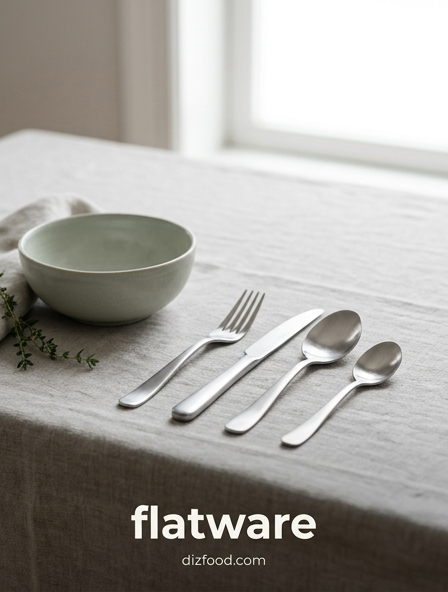
Matte and satin finishes offer a modern, understated alternative. These are achieved by brushing the metal or using bead-blasting techniques to create a soft, non-reflective surface. Matte flatware is excellent for hiding smudges and minor wear, making it a practical choice for busy households. Some contemporary designs even feature PVD (Physical Vapor Deposition) coatings, allowing for matte black, gold, or copper hues. While matte finishes are trend-forward, they can sometimes feel "dry" to the touch compared to the smooth glide of polished steel. Choosing between them depends on whether you prioritize a timeless, sparkling glow or a low-maintenance, industrial chic look.
Modern Place Settings and Essential Pieces
A standard modern place setting usually consists of five core pieces. While traditional formal services included dozens of specialized utensils, today's sets focus on versatility and efficiency. Understanding the role of each piece ensures you have the right tool for various courses, from appetizers to desserts.
- Dinner Fork: The largest fork, used for the main course.
- Salad Fork: Smaller than the dinner fork, used for greens or appetizers.
- Dinner Knife: Used for cutting food and spreading butter.
- Soup Spoon: Features a large, rounded bowl for liquids.
- Teaspoon: A versatile smaller spoon for stirring or eating desserts.
Beyond the basic five, many consumers invest in "hostess sets" to complete their collection. These include serving spoons, slotted spoons, cold meat forks, and butter knives. For specialized dining, you might add espresso spoons or steak knives. When purchasing, check if the pattern offers "open stock" availability, which allows you to buy individual pieces if a teaspoon goes missing or if you wish to expand your set later.
Rust Resistance and Long Term Material Durability
Stainless steel is "stainless," not "stain-proof." Its resistance to corrosion comes from a thin, invisible layer of chromium oxide that forms on the surface. If this layer is compromised by harsh chemicals or physical abrasion, the steel can develop rust spots or pitting. The durability of flatware is largely determined by its nickel content; the 18/10 grade is significantly more resilient against the acidic environment of certain foods, such as tomatoes, vinegar, and salt.
Long-term durability also depends on environmental factors. For instance, households in coastal areas with salty air may notice faster oxidation on lower-grade 18/0 steel. To maximize the lifespan of your investment, it is crucial to avoid leaving utensils soaking in water for extended periods, as this can lead to mineral buildup and localized corrosion. High-quality flatware is designed to last decades, but maintaining the integrity of the protective oxide layer is the key to preventing the dullness and "bleeding" of rust that affects cheaper alternatives.
Dishwasher Safety and Proper Care Routine
Most modern stainless steel flatware is labeled as dishwasher safe, but improper loading is the leading cause of damage. To prevent scratches and "nesting"-where spoons tuck into each other and fail to get clean-always place handles down and mix different types of utensils in the same basket. Avoid using detergents that contain lemon or citrus additives, as the high acidity can cause the metal surface to etch or discolor over time.
- Rinse Promptly: Remove food scraps quickly to avoid acid damage.
- Avoid Overcrowding: Ensure water circulates freely around every piece.
- Dry Immediately: Use a soft cloth to prevent water spots after the cycle.
- Separate Metals: Never wash stainless steel and silver in the same basket.
Electrolytic action can occur if stainless steel touches silver or aluminum in the dishwasher, leading to permanent pitting. For the best results, remove flatware before the heated drying cycle begins and hand-dry with a microfiber cloth. This extra step preserves the luster of the finish and prevents the formation of unsightly streaks caused by hard water minerals.
Coordinating Designs with Contemporary Tableware
Flatware serves as the jewelry of the table, and its design should complement your existing dinnerware. When coordinating, consider the lines and proportions of your plates and bowls. If your tableware features a minimalist, rimless design, look for flatware with clean, straight handles and a slender profile. Conversely, if you use heavy, artisanal stoneware, a more substantial, forged set with a hammered or textured finish will provide a balanced visual weight.
Color coordination is another vital factor in modern styling. While silver-toned stainless steel is the most versatile, gold or champagne finishes can add warmth to dark-colored ceramics. Black flatware offers a bold, graphic contrast against white porcelain. It is also helpful to match the "formality" of the pieces; an ornate, traditional pattern might clash with a casual, speckled breakfast set. Ultimately, the goal is to create a cohesive tactile experience where the shape of the spoon feels like a natural extension of the bowl it accompanies.
Ergonomic Handle Shapes for Daily Use
The ergonomics of a handle determine how much strain is placed on the hand during a meal. Modern flatware designers often focus on three-dimensional shapes rather than flat, two-dimensional cutouts. Rounded handles or "teardrop" shapes are generally more comfortable as they contour to the natural curve of the palm. This is particularly important for dinner knives, which require more downward pressure; a knife with a rounded spine will be much kinder to the index finger than one with sharp, squared-off edges.
For individuals with limited grip strength or arthritis, thicker handles are often preferred as they are easier to grasp. However, very thin, "twig-style" flatware, while aesthetically pleasing and trendy, can sometimes rotate in the hand or feel unstable during heavy cutting. When shopping, pay attention to the "neck" of the utensil-the area where the handle meets the head. A reinforced, slightly wider neck adds structural integrity and prevents the fork or spoon from bending when tackling tougher foods or frozen desserts.
Investing in Quality Flatware for Longevity
While it is tempting to purchase a budget-friendly set for immediate use, investing in high-quality flatware is more cost-effective over the long term. A premium 18/10 set can easily last 20 to 30 years without losing its luster or bending. When calculating value, consider the "cost per use." Since flatware is used three times a day, every day, the difference in price between a mediocre set and a superior one becomes negligible over a decade of service.
Another benefit of investing in reputable brands is the availability of replacements. Cheap, generic sets are often discontinued after one season, meaning if a fork is accidentally thrown in the trash, the entire set becomes incomplete. Established manufacturers maintain their patterns for years, allowing you to replace lost pieces or add to your collection as your family grows. Quality flatware also retains its resale value and can even become a cherished heirloom. Choosing a timeless design in a durable material ensures that your table remains well-appointed for many years of gatherings and daily meals.



Comments