
When it comes to mastering the art of flavor, the debate between the classic salt cellar and the traditional salt shaker is more than just a matter of kitchen aesthetics-it's about achieving ultimate seasoning control. While salt shakers offer a quick, convenient sprinkle for the dining table, professional chefs and home enthusiasts alike favor the salt cellar for its tactile accessibility and culinary precision. By allowing you to feel the grain and pinch exactly the amount of salt needed, a cellar transforms seasoning from a guessing game into a deliberate skill, ensuring your dishes are perfectly balanced every time. Whether you're finishing a gourmet steak or salting pasta water, choosing the right tool determines whether you're just adding salt or truly seasoning with intent.
| Feature | Salt Cellar (Pig) | Salt Shaker |
|---|---|---|
| Seasoning Control | Ultimate (tactile "pinch" method) | Limited (fixed hole flow) |
| Best Salt Type | Kosher, Flaky, or Coarse salts | Fine-grained or Table salt |
| Speed of Use | Fast (open access for cooking) | Moderate (requires shaking/tilting) |
| Hygiene | Open to air (needs clean hands) | Closed/Protected from moisture |
| Primary Use | Food preparation and "Mise en place" | Tabletop seasoning and finishing |
| Precision | High; avoids over-salting via touch | Low; prone to clogging or dumping |
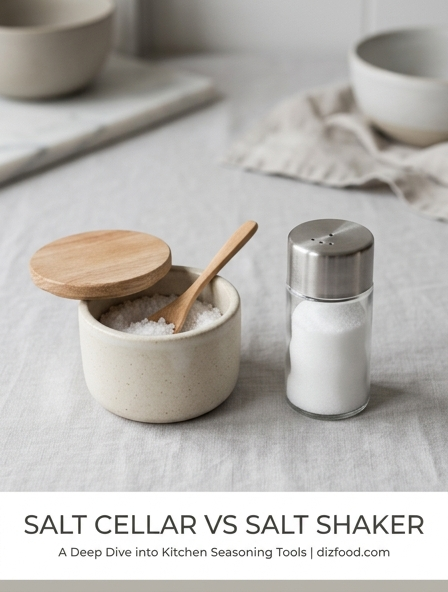
Key Differences Between Salt Cellars and Salt Shakers
In the culinary world, the primary distinction between a salt cellar and a salt shaker lies in the method of dispensing and the grain of salt they are intended to hold. A salt cellar, often referred to as a salt dip or salt pig, is an open-topped container that allows the cook to reach in and grab a pinch of salt with their fingers or a small spoon. In contrast, a salt shaker is a closed vessel with a perforated lid designed to distribute fine grains by shaking the container upside down. While shakers are a relatively modern invention-gaining popularity after the introduction of anti-caking agents in the early 20th century-cellars have a history spanning centuries, once serving as a status symbol on noble tables.
- Access: Cellars provide wide access for hands; shakers restrict output through small holes.
- Salt Type: Cellars are ideal for coarse grains; shakers require fine, free-flowing salt.
- Usage: Cellars are typically found at the "prep" station; shakers are more common for "finishing" at the table.
- Volume: Cellars often hold a larger capacity to accommodate frequent handfuls during heavy cooking.
The mechanical difference also dictates the speed of the kitchen. Professional chefs almost exclusively prefer cellars because they allow for immediate access without the need to unscrew lids or struggle with clogged holes. Shakers, meanwhile, provide a controlled, measured flow that is better suited for the precise seasoning of a prepared meal where over-salting could be catastrophic.
The Practical Advantages of Using Salt Cellars
The practical appeal of a salt cellar is rooted in the tactile feedback it provides to the cook. When seasoning a large pot of stew or a roasting chicken, the ability to "feel" the amount of salt between your thumb and forefinger is invaluable. This sensory connection allows for a level of intuition that a mechanical shaker cannot replicate. Furthermore, the wide opening of a salt cellar makes it significantly easier to refill, eliminating the need for tiny funnels or the inevitable mess created when pouring salt into the narrow neck of a traditional shaker.
Efficiency is another significant factor in the professional kitchen environment. During a busy dinner service, every second counts. A salt cellar allows a chef to season multiple components of a dish in one swift motion. Beyond speed, cellars are also more versatile regarding the types of seasonings they can hold. Because they do not rely on gravity or small perforations, they can house damp sea salts, large flaky finishing salts, or even salt blends mixed with dried herbs and citrus zest. This versatility makes the salt cellar a foundational tool for anyone looking to elevate their culinary repertoire beyond standard table salt. Additionally, many cellars are designed with heavy bases, ensuring they stay put on a cluttered countertop and are less likely to be knocked over during a frantic cooking session.
Why Salt Shakers Remain a Table Staple
Despite the rise of artisanal salt cellars in home kitchens, the classic salt shaker remains the undisputed king of the dining table. The primary reason for its enduring popularity is the level of portion control it offers to the individual diner. Unlike a communal salt cellar, which might feel intimidating or unhygienic to guests, a shaker provides a familiar and sterilized experience. It allows for a light, even distribution of fine salt over a finished plate, ensuring that every bite is seasoned uniformly without the risk of "salt pockets" that can occur with hand-pinching.
Portability and safety also play a role in the shaker's dominance. Because they are enclosed, shakers are far less likely to spill if passed between guests or accidentally bumped. This makes them ideal for outdoor dining, picnics, or casual family meals where children might be present. The design of the shaker also protects the contents from external contaminants such as dust, pet hair, or food splatters that might occur during a lively dinner. From a design perspective, shakers are often sold as part of a matching set with pepper shakers, providing a cohesive look to the table landscape. While the culinary world may favor the cellar for prep, the convenience and reliability of the shaker ensure it will likely remain a permanent fixture in households worldwide for generations to come.
Precision Cooking with Salt Cellars and Pigs
Precision in cooking does not always mean using a measuring spoon; often, it refers to the consistency of a chef's "pinch." Using a salt cellar or a salt pig (a cellar with a hooded top) allows a cook to calibrate their seasoning by muscle memory. A "three-finger pinch" from a wide cellar provides a consistent volume of salt every time, which is a skill developed through repetition. This method is far more accurate for seasoning proteins and pasta water than the erratic output of a shaker, which can vary based on how hard the container is flicked or how full it is.
- Tactile Calibration: Feeling the grains helps judge the quantity better than visual estimation alone.
- The Salt Pig Design: The curved "snout" of a salt pig protects salt from grease splatters while keeping it accessible.
- Wide Surface Area: Allows for the use of measuring spoons if a recipe requires an exact tablespoon or teaspoon.
The salt pig, specifically, is a favorite among bakers and gourmet cooks. Its unique hooded shape is not just for aesthetics; it is designed to keep kitchen debris out while allowing air to circulate, which is vital for maintaining the integrity of the salt. When you are working with expensive salts like Maldon or Sel Gris, using a cellar ensures that the delicate flakes are not crushed or ground into a fine powder, preserving their texture and the specific way they melt on the tongue.
Moisture Control and Salt Storage Solutions
One of the greatest enemies of salt is humidity. Salt is naturally hygroscopic, meaning it attracts and holds water molecules from the surrounding environment. This leads to the frustrating "clumping" seen in shakers, where the salt refuses to pass through the holes. Managing this moisture is a key consideration when choosing between storage methods. While shakers often require additives like grains of rice to absorb excess moisture, salt cellars rely on material properties to keep the contents dry.
| Material | Storage Method | Moisture Benefit |
|---|---|---|
| Ceramic (Unglazed) | Cellar/Pig | Breathable; naturally wicks away moisture. |
| Wood | Cellar | Absorbs ambient humidity to prevent clumping. |
| Glass/Plastic | Shaker | Non-breathable; requires rice or desiccant. |
| Marble | Cellar | Cool surface; excellent for temperature stability. |
In humid climates, a salt cellar made of olive wood or unglazed earthenware is often superior to a glass shaker. These natural materials allow the salt to breathe, preventing the formation of a solid block. Conversely, in very dry environments, an open cellar might cause certain flavored salts to lose their potency or become too brittle. Understanding the climate of your kitchen is essential for choosing the right vessel. For those using shakers, ensuring the lid is tightly sealed and storing it away from the steam of the stovetop can help mitigate the effects of moisture and keep the salt flowing freely.
Hygiene Comparisons for Open and Closed Containers
Hygiene is often the centerpiece of the debate between salt cellars and shakers. Critics of the salt cellar argue that an open container invites bacteria, especially if multiple people are dipping their fingers into the same pot. In a home kitchen, cross-contamination is a genuine risk if a cook handles raw meat and then reaches into the salt cellar without thoroughly washing their hands. To combat this, many culinary experts recommend using a small spoon with a cellar or designating the cellar as "cooks only" while providing shakers for guests.
Salt shakers, by design, are more hygienic for communal use. The salt is dispensed without any physical contact between the hand and the reservoir. This makes them the preferred choice for restaurants and large gatherings. However, it is important to note that salt itself is an antimicrobial agent; it is difficult for most bacteria to survive in a pure salt environment for long. Despite this natural protection, the exterior of a shaker can become a breeding ground for germs if it is not wiped down regularly. In contrast, a cellar is easy to clean because of its wide opening, allowing for a thorough scrub. Ultimately, the most hygienic choice depends on the user's habits: a shaker is safer for groups, while a cellar is perfectly safe for a disciplined cook who practices proper hand hygiene and utilizes dedicated salt spoons.
Salt Shakers Versus Cellars for Table Service
When it comes to the aesthetics of a set table, the choice between a shaker and a cellar sets the tone for the entire meal. Salt shakers are often associated with casual dining, diners, and traditional family gatherings. They are utilitarian and efficient. Salt cellars, particularly when paired with tiny silver or bone spoons, evoke a sense of formal elegance and old-world charm. Many high-end restaurants have returned to the tradition of placing individual "open salts" at each guest's setting, providing a more interactive and luxurious seasoning experience.
- Formal Settings: Individual mini-cellars with spoons are considered the height of traditional etiquette.
- Casual Settings: A pair of decorative shakers is practical for passing around a large table.
- Modern Minimalist: Sleek, magnetic salt and pepper sets often utilize a shaker design for clean lines.
- Rustic/Farmhouse: A large, central salt pig or a wooden cellar emphasizes a "family style" atmosphere.
The choice also influences the pace of the meal. Using a cellar encourages a more deliberate interaction with the food, as guests must pause to spoon out their seasoning. Shakers allow for a quicker, almost subconscious application of salt. For hostesses, the cellar offers an opportunity to showcase exotic salts, such as pink Himalayan or black Hawaiian salt, which are visually striking when presented in an open dish. Shakers, being opaque or featuring small holes, hide the beauty of these artisanal grains, making them less effective as a centerpiece or conversation starter.
Best Salt Varieties for Shakers and Cellars
Not all salts are created equal, and their physical structure dictates which dispenser they should inhabit. The most common type of salt found in shakers is "table salt." This variety is highly refined, ground into uniform, tiny cubes, and treated with anti-caking agents like calcium silicate. Its small, consistent grain size is designed specifically to flow through the narrow apertures of a shaker lid. Using table salt in a cellar is possible, but its fine texture can make it difficult to pinch accurately without it slipping through your fingers.
| Salt Type | Best Vessel | Characteristics |
|---|---|---|
| Table Salt | Shaker | Fine grain, flows easily, contains iodine. |
| Kosher Salt | Cellar | Coarse, flaky, easy to grip for pinching. |
| Maldon / Flaky | Cellar | Large, delicate pyramids; would clog a shaker. |
| Fine Sea Salt | Shaker | Small grains, mineral-rich, works in most lids. |
Kosher salt is the gold standard for salt cellars. Its coarse, craggy texture is designed to adhere to meat and is perfect for the "pinching" technique. If you were to put Kosher salt in a standard shaker, it would likely get stuck or dispense far too slowly. Similarly, specialty finishing salts like Fleur de Sel, which are naturally moist, would never work in a shaker. These premium salts require the open environment of a cellar to maintain their crystalline structure. By matching the salt variety to the correct container, you ensure both the functionality of the tool and the quality of the seasoning.
Design and Aesthetics of Modern Salt Storage
In the modern kitchen, salt storage has transcended utility to become a statement of personal style. Designers now utilize a vast array of materials to create cellars and shakers that complement contemporary interior trends. Marble salt cellars are currently a favorite in high-end kitchen design, offering a heavy, cool-to-the-touch feel that fits perfectly with stone countertops. Scandinavian-inspired wooden cellars with swivel lids provide a warm, organic touch, often featuring hidden magnetic closures that provide a satisfying "click" when shut.
For those who prefer shakers, the "grinder-shaker hybrid" has become a popular aesthetic choice. These tall, sleek towers often feature brushed stainless steel or matte ceramic finishes, blending the functionality of a salt mill with the appearance of a traditional shaker. Mid-century modern enthusiasts often seek out vintage glass "salt dips" or colorful plastic shakers from the 1950s to add a pop of retro flair to their tables. The trend toward open shelving in kitchens has also fueled the popularity of the salt pig; since the vessel is always on display, its silhouette and color become part of the room's decor. Whether it is a hand-thrown pottery cellar or a high-tech electric shaker, the aesthetic of salt storage is a reflection of the cook's personality and the home's overall design language.
How to Choose the Right Salt Dispenser
Choosing between a salt cellar and a salt shaker ultimately comes down to your primary use case: are you seasoning while you cook, or are you seasoning while you eat? If you spend significant time at the stove, a salt cellar is an essential investment. It improves your speed, accuracy, and connection to the ingredients. When selecting a cellar, look for one with a wide enough opening to fit your hand comfortably and a lid that can be opened with one finger. If you frequently cook with raw ingredients, consider a model that comes with a small spoon to maintain hygiene standards.
- Evaluate Your Salt: If you use coarse Kosher salt, buy a cellar. If you use fine table salt, a shaker is better.
- Consider Your Climate: Choose wood or ceramic for humid areas to prevent clumping.
- Analyze Your Table Habits: If you have kids or host large parties, shakers are the safer, more sanitary option.
- Check for Ease of Cleaning: Ensure the vessel is dishwasher safe or easy to hand wash.
For many, the best solution is a hybrid approach: keep a large salt pig or cellar next to the stovetop for heavy-duty cooking and a set of elegant shakers on the dining table for guests. This allows you to enjoy the professional advantages of the "pinch" while maintaining the convenience and etiquette of the shaker for formal meals. By assessing your cooking style, the type of salt you prefer, and your kitchen's environment, you can choose a dispenser that is both a functional tool and a beautiful addition to your culinary space.


Comments