
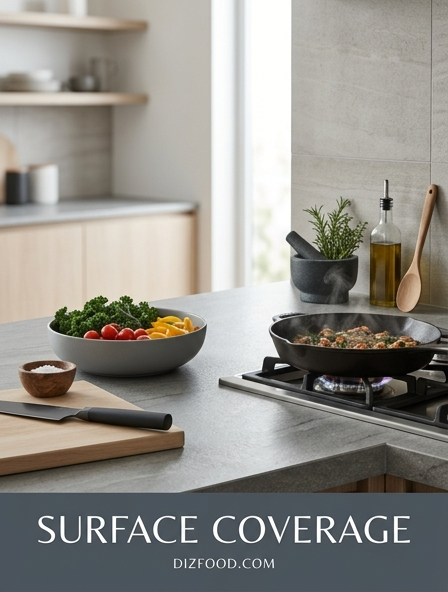
Kitchen Surface Protection Material Guide
Selecting the appropriate protection for kitchen surfaces involves understanding the specific vulnerabilities of your countertops and furniture. Kitchen environments are prone to high temperatures, moisture, and mechanical impact. Various materials offer distinct advantages depending on whether the goal is heat insulation, moisture resistance, or aesthetic preservation. Durable solutions range from soft textiles to rigid barriers designed to withstand the rigors of daily meal preparation and service.
- Silicone: Highly heat-resistant and non-slip, ideal for heavy cookware.
- Cork: Natural, sustainable, and excellent for absorbing minor impacts and heat.
- Vinyl/PVC: Waterproof and easy to wipe down, perfect for high-traffic family tables.
- Felt: Provides a soft cushion to prevent scratches on delicate wood or glass.
- Tempered Glass: Offers a modern look while protecting against cuts and heat.
Ultimately, the best choice depends on the underlying material of the kitchen island or dining table. While wood requires breathable protection to prevent rot, stone surfaces like marble benefit more from acidic-resistant barriers that prevent etching and permanent staining during food prep.
Heat Resistant Dining Table Mats
Dining tables are frequently subjected to thermal stress from hot plates, serving bowls, and steaming teapots. Without adequate heat resistant mats, wood finishes can turn white, while laminate surfaces may bubble or warp. Modern heat-resistant solutions prioritize both functionality and design, ensuring that the protective layer does not detract from the dining experience. Silicone and bamboo are among the most popular materials for this purpose due to their low thermal conductivity.
| Material | Temperature Limit | Best Use Case |
|---|---|---|
| Food-Grade Silicone | Up to 450°F | Oven-to-table dishes |
| Natural Bamboo | Up to 300°F | Standard dinner plates |
| Quilted Cotton | Up to 250°F | Warm serving platters |
When selecting mats, it is crucial to check the thickness. Thicker mats provide a larger air gap between the heat source and the table surface, significantly reducing the risk of heat transfer. For heavy cast iron pots, using a raised trivet in conjunction with a mat offers the highest level of safety for sensitive surfaces.
Waterproof Placemats for Family Meals
Family dining often involves accidental spills, ranging from water and juice to oily sauces. Waterproof placemats serve as a primary defense line, preventing liquids from seeping into wood grain or staining light-colored stone. These mats are specifically engineered to be non-porous, ensuring that moisture remains on the surface where it can be easily managed. This is particularly important for households with young children where mealtime can be unpredictable.
- Choose non-porous materials like PVC or heavy-duty vinyl for maximum liquid resistance.
- Ensure the edges are sealed; stitched edges can sometimes trap moisture if not properly treated.
- Look for non-slip backing to prevent the placemat from sliding during use.
- Verify that the material is BPA-free and food-safe for direct contact.
Beyond utility, waterproof mats come in various textures, including faux leather and woven synthetic fibers. These options provide the sophisticated look of traditional fabrics without the high maintenance. After a meal, a simple wipe with a damp cloth is usually sufficient to restore the surface to a pristine condition, making them an efficient choice for busy kitchens.
Long Lasting Wood Table Sealants
Wood is a living material that reacts to changes in humidity and temperature. To protect a kitchen or dining table long-term, applying a high-quality sealant is essential. Sealants create a microscopic barrier that fills the pores of the wood, preventing the ingress of liquids and oils that cause rot and discoloration. Unlike temporary covers, a sealant becomes part of the table itself, enhancing the natural grain while providing a hard-wearing finish that can last for years.
Polyurethane is a common choice for kitchen tables due to its extreme durability and resistance to water. For those preferring a more natural finish, tung oil or beeswax can be used, though these require more frequent reapplication. Modern water-based polyurethanes offer the benefit of low odor and fast drying times without yellowing over time. Proper application involves sanding the surface to ensure a smooth bond. Once cured, these sealants allow the table to withstand daily cleaning and occasional spills without damage, preserving the integrity of the timber for future generations.
Stain Resistant Kitchen Island Covers
The kitchen island is often the hub of the home, used for everything from meal prep to homework. This versatility makes it vulnerable to a wide array of stains, including wine, coffee, and acidic citrus juices. Stain-resistant covers provide a tailored solution for protecting these large surfaces. Whether using a custom-fitted vinyl cover or a temporary silicone work mat, the goal is to prevent permanent pigment absorption into the countertop material.
- Clear Vinyl Covers: Protects the aesthetic of marble or granite while blocking spills.
- Silicone Pastry Mats: Ideal for baking and heavy prep work, providing a removable barrier.
- Microfiber Runners: Good for light use and catching crumbs or minor splashes.
- Disposable Protective Sheets: Useful for heavy-duty tasks like meat processing or craft projects.
For high-end stone islands, the use of a stain-resistant barrier is critical. Even sealed stone can be etched by acids found in lemons or vinegar. Utilizing a cover during active cooking phases ensures that the countertop remains flawless while providing a grip-friendly surface for bowls and cutting boards.
Protective Films for High Gloss Furniture
High gloss kitchen furniture is prized for its reflective beauty but is notoriously difficult to maintain due to its susceptibility to fingerprints and micro-scratches. Protective films offer a transparent, adhesive-free solution to keep these surfaces looking new. These films are typically made from high-grade PET or TPU materials, which are similar to screen protectors used on electronic devices. They provide a sacrificial layer that absorbs abrasions from sliding plates or cleaning cloths.
- Clean the high gloss surface thoroughly with a lint-free cloth to remove all dust.
- Measure and trim the film to fit the specific dimensions of the furniture piece.
- Apply the film using a light mist of water to allow for repositioning and air bubble removal.
- Squeegee out excess moisture and allow the film to cure for a seamless finish.
Once applied, the film is virtually invisible, maintaining the original shine of the furniture. It is also heat resistant and UV stabilized, preventing the gloss finish from yellowing or fading when exposed to direct sunlight through kitchen windows. If the film becomes scratched over time, it can be easily removed and replaced without leaving any residue.
Daily Maintenance for Dining Surfaces
Consistent daily maintenance is the most effective way to extend the life of kitchen surface covers and the furniture beneath them. Establishing a routine prevents the buildup of grime and bacteria, which can degrade materials over time. Different surfaces require specific cleaning agents; for instance, harsh chemicals should be avoided on natural wood and stone to prevent stripping away protective oils or sealants. Using a pH-neutral cleaner is generally the safest approach for all kitchen coverage types.
- Wipe surfaces immediately after every meal to remove food particles and moisture.
- Use microfiber cloths to avoid creating micro-scratches on polished surfaces.
- Check under placemats and runners for trapped crumbs that could scratch the table.
- Rotate mats and decorations regularly to ensure even wear and light exposure.
- Deep clean protective covers once a week using mild dish soap and warm water.
By incorporating these simple steps into your daily kitchen wrap-up, you ensure that your surface protection remains effective and hygienic. Neglecting daily care can lead to the permanent "setting" of stains or the development of mold in damp areas hidden under protective layers.
Choosing the Right Tablecloth Fabric
Tablecloths serve as both a decorative element and a functional barrier for the dining table. The choice of fabric dictates how much protection the table receives and how easy the cloth is to maintain. While natural fibers are often preferred for their tactile feel and drape, synthetic blends offer superior durability and stain resistance for daily kitchen use. Understanding the properties of each fabric type helps in selecting the right cover for various occasions.
| Fabric Type | Durability | Maintenance Level |
|---|---|---|
| Polyester | High | Machine washable, wrinkle-free |
| Cotton Linen | Medium | Needs ironing, prone to shrinking |
| Oilcloth | Very High | Wipe clean only, waterproof |
| Damask | Medium | Dry clean recommended, formal use |
For everyday use, a polyester-cotton blend is often the best compromise, offering a soft feel with the added strength of synthetic fibers. If the table is frequently used by children, an oilcloth or acrylic-coated fabric provides a 100% waterproof barrier that can handle heavy spills and frequent wiping without needing a washing machine.
Durable Coasters for Liquid Protection
Liquid damage is one of the most common issues for kitchen and dining surfaces, often appearing as unsightly white rings or dark spots. Coasters are the primary tool for preventing condensation from cold drinks and heat transfer from hot mugs. A durable coaster must be thick enough to provide insulation and have an underside that won't scratch the surface it sits on. Materials vary widely, each offering different levels of absorption and aesthetic appeal.
- Absorbent Stone: Ceramic or sandstone coasters can soak up condensation, preventing puddles.
- Heavy-Duty Slate: Naturally heat resistant and provides a rugged, modern look.
- Cork-Backed Wood: Combines the beauty of timber with a soft, non-slip protective base.
- Leather: Offers a premium feel and develops a patina over time, though less absorbent.
When selecting coasters, consider the size of your largest mugs and glasses. Over-sized coasters are generally more practical as they catch drips that might fall from the side of a glass. Furthermore, ensuring the coaster has a soft backing, such as felt or cork, is vital for protecting delicate finishes like polished lacquer or glass from scratches.
Easy Clean Surface Coverage Solutions
In a fast-paced kitchen, convenience is key. Easy-clean surface solutions are designed to minimize the time spent on chores while maximizing protection. These products are characterized by their "wipe-and-go" nature, often featuring non-porous surfaces that do not allow liquids or food particles to bond. This category includes everything from roll-out drawer liners to large-scale tabletop protectors that can be sanitized in seconds.
Silicone mats are a standout in this category, as they are not only dishwasher safe but also resistant to odors and staining. Another popular option is the laminated placemat, which provides a rigid surface that can be sprayed with disinfectant without damage. For those who host large gatherings, disposable yet attractive paper runners can provide temporary protection that requires zero cleanup. Investing in easy-clean solutions reduces the reliance on heavy laundering and ensures that the kitchen remains a hygienic environment for food preparation. By choosing materials that prioritize ease of maintenance, homeowners can enjoy their kitchen spaces more and spend less time worrying about the inevitable mess of daily life.


Comments