
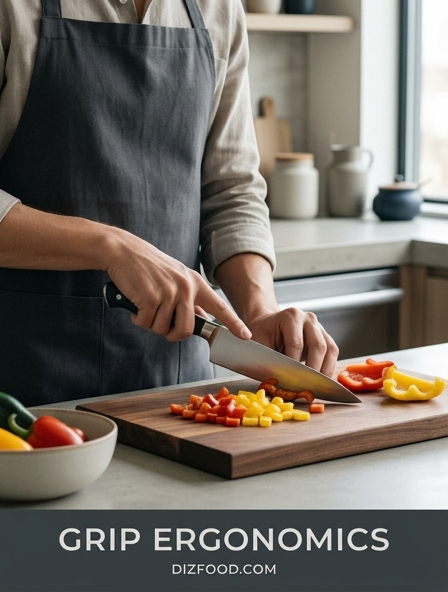
Ergonomic Contours and Grip Stability
In the modern kitchen, the physical interface between the user and the vessel determines both safety and comfort. Ergonomic contours are designed to mirror the natural curvature of the human hand, reducing the muscular effort required to maintain a secure hold. When a glass or mug incorporates a subtle indentation or a tapered waist, it aligns with the thumb's opposing pressure, creating a mechanical advantage that prevents slippage even when the surface is damp.
- Anatomical alignment to reduce wrist strain during repetitive pouring.
- Calculated diameter ratios that accommodate various hand sizes.
- Recessed grip points that lower the risk of accidental drops.
Stability is further enhanced through the strategic placement of these contours relative to the vessel's center of mass. By narrowing the grip area near the midpoint, the design ensures that the weight of the liquid is evenly distributed across the palm. This careful consideration of geometry minimizes the "lever effect" that can cause fatigue in the forearm, making high-frequency kitchen tasks more intuitive and physically sustainable over long periods of use.
The Role of Rim Thickness in Sensory Experience
The thickness of a vessel's rim is a critical factor in how a beverage is delivered to the palate. A precision-engineered rim serves as the final gateway, influencing the velocity and spread of the liquid as it enters the mouth. Fine, laser-cut rims are often preferred for delicate drinks, as they minimize the barrier between the liquid and the taste buds, allowing for a more immediate sensory engagement. Conversely, a rolled or thicker rim provides a sense of robustness and can help retain heat in artisanal coffee service.
Beyond taste, the tactile sensation of the rim against the lips contributes to the overall perception of quality. A seamless transition from the body of the glass to the edge prevents irritation and enhances the "mouthfeel" of the experience. Engineers often measure rim thickness in microns to achieve the perfect balance between structural integrity and sensory refinement, ensuring the vessel feels substantial yet sophisticated during every sip.
Structural Balance and Weight Distribution
The equilibrium of a kitchen vessel is fundamental to its functional success. Structural balance involves the precise calibration of the base's weight against the height and volume of the container. A low center of gravity is essential for preventing tip-overs, particularly in high-traffic kitchen environments where surfaces may be uneven or cluttered. By concentrating mass in the base, designers create a "self-righting" tendency that adds a layer of subconscious security for the user.
| Design Feature | Ergonomic Benefit |
|---|---|
| Weighted Base | Prevents accidental tipping and increases stability. |
| Tapered Walls | Shifts weight toward the hand for better control. |
| Balanced Handle | Neutralizes torque when the vessel is full. |
When the weight distribution is optimized, the vessel feels lighter than it actually is. This perceived lightness is a result of the liquid's mass being centered directly over the grip point, reducing the rotational force on the wrist. Proper balance ensures that even large-capacity carafes can be handled with precision and ease.
Thermal Efficiency of Double Walled Glassware
Double-walled construction represents a pinnacle of kitchen ergonomics by addressing the thermal interface between the hand and the beverage. By creating a vacuum or air-filled suspension between two layers of borosilicate glass, these vessels provide a highly effective thermal barrier. This design ensures that the exterior surface remains at a comfortable temperature, regardless of whether the contents are boiling hot or ice cold, eliminating the need for external sleeves or handles.
- Passive insulation maintains the desired beverage temperature for longer durations.
- Prevention of external condensation keeps hands dry and improves grip friction.
- The outer wall acts as a protective shield against thermal shock for the user.
This thermal efficiency also has a visual component, as the liquid appears to "float" within the inner chamber. From a functional standpoint, the absence of condensation is a significant safety feature, as it prevents the glass from becoming slippery. The result is a consistent, reliable grip that allows the user to focus on the sensory enjoyment of the drink rather than the temperature of the container.
Material Science and Everyday Durability
The selection of materials in kitchenware is a compromise between aesthetic beauty and the rigors of daily use. Borosilicate glass is frequently utilized for its low coefficient of thermal expansion, which makes it resistant to cracking when moving from extreme cold to intense heat. This molecular stability is essential for items like measuring cups and carafes that undergo rapid temperature changes during cooking or brewing processes. Durability is not just about resisting breakage; it is about maintaining a flawless surface over hundreds of wash cycles.
Modern material science has also introduced hybrid compositions that increase tensile strength without adding excessive weight. For example, ion-toughened glass offers superior scratch resistance, ensuring that the vessel remains clear and professional in appearance. This longevity is a key aspect of ergonomic design, as a smooth, unblemished surface provides a more predictable and comfortable tactile experience for the user throughout the product's lifespan.
Stackable Geometry for Modern Kitchen Storage
In urban kitchen environments where cabinet space is at a premium, the geometry of glassware must facilitate efficient storage. Stackable designs rely on precise internal and external angles that allow vessels to nest within one another without becoming wedged or "locked" by air pressure. This is often achieved through a subtle "ledge" or a specific taper that ensures only a portion of the glass makes contact with the one below it, preserving the integrity of the material.
- Integrated stacking rings prevent surface scratching during storage.
- Uniform diameters allow for standardized nesting across different volumes.
- Stable vertical alignment reduces the risk of cabinet collapses.
Effective stackability also considers the ease of retrieval. A well-designed stack allows the user to lift a single unit without the others shifting or sticking. By optimizing the vertical footprint, these geometric innovations allow for a more organized and accessible kitchen, directly contributing to a more streamlined and ergonomic workflow for the home cook or professional barista.
Fluid Dynamics and Pouring Precision
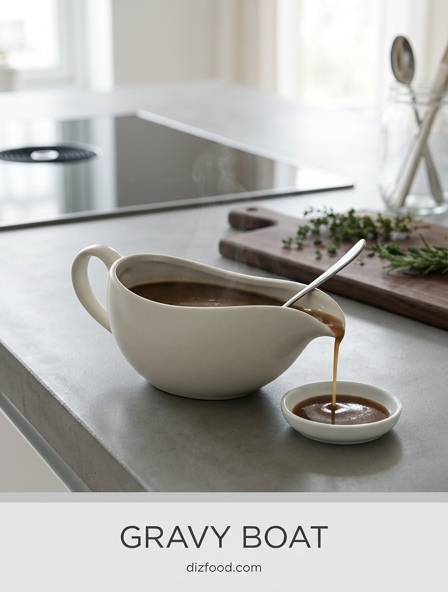
The way a liquid exits a vessel is a matter of fluid dynamics and edge geometry. Pouring precision is vital to avoid spills and maintain accurate measurements. A dripless spout is engineered to break the surface tension of the liquid at the exact moment the pour is stopped, preventing droplets from running down the side of the container. This is achieved through a sharp, angled lip that forces the liquid to detach cleanly from the glass surface.
Furthermore, the internal shape of the vessel influences the flow rate. A wide neck allows for rapid pouring, while a constricted or "gooseneck" shape provides the high degree of control required for pour-over coffee methods. By managing the turbulence of the liquid as it moves toward the exit point, designers ensure a steady, laminar flow. This precision reduces the mess in the kitchen and ensures that every pour is consistent, regardless of the viscosity of the liquid being served.
Tactile Comfort and Surface Texture
Tactile comfort is the subjective feeling of a surface against the skin, and it plays a major role in how we perceive kitchen tools. While high-polish glass is visually stunning, it can feel "sticky" or overly smooth when wet. To counter this, many ergonomic designs incorporate subtle micro-textures or frosted finishes in specific zones. These textures increase the coefficient of friction, providing a more secure purchase for the fingers without being abrasive to the touch.
The sensation of "soft-touch" surfaces is often preferred for long-duration tasks. In glassware, this might be achieved through acid-etching or the application of silicone accents. These materials dampen the vibration of the vessel and provide a thermal buffer. The interplay between smooth and textured surfaces guides the user's hand to the optimal grip position, making the use of the object feel natural and effortless. Ultimately, tactile feedback informs the user about the weight and stability of the item before it is even lifted.
Optical Clarity and Beverage Presentation
Optical clarity is more than an aesthetic preference; it is a functional requirement for precision tasks in the kitchen. Clear, high-quality glass allows the user to accurately judge the color, consistency, and volume of the contents. This is particularly important when layering ingredients or monitoring the strength of a tea infusion. Impurities or "waves" in the glass can distort the view, leading to errors in measurement or a diminished appreciation for the beverage's visual quality.
| Clarity Factor | Kitchen Application |
|---|---|
| Refractive Index | Enhances the brilliance and visual depth of liquids. |
| Color Neutrality | Ensures the true hue of the beverage is visible. |
| Surface Polish | Minimizes light scattering for a crisp view. |
The psychological impact of presentation cannot be understated. A clear, brilliant vessel suggests cleanliness and high standards of preparation. When a beverage is presented with maximum optical clarity, it enhances the anticipation of taste, proving that the visual ergonomics of a vessel are just as important as its physical grip.
Dishwasher Safety and Long Term Maintenance
The ergonomic lifecycle of a kitchen product includes its maintenance and cleaning. Dishwasher-safe glassware must be engineered to withstand high-pressure water jets, caustic detergents, and rapid temperature fluctuations. Long-term durability is measured by the glass's resistance to "etching," a chemical process that can leave surfaces cloudy and rough. A high-quality finish ensures that the glass remains non-porous and hygienic over years of service.
Maintenance is also simplified by the physical shape of the vessel. Wide openings allow for easy hand-cleaning when necessary, and the absence of sharp internal corners prevents the buildup of residue. When a product is easy to clean, it is more likely to be used frequently. Designing for maintenance ensures that the ergonomic benefits-such as a smooth rim and a clear body-are preserved for the long term, protecting the user's investment and ensuring a consistently high-quality experience in the kitchen.


Comments