
Deciding between the adaptability of flexible holiday hosting and the stability of permanent counter solutions is a pivotal step in functional home design. If your lifestyle revolves around seasonal celebrations and large guest lists, modular pieces and expandable surfaces provide the necessary versatility to transform your space on demand. Conversely, permanent installations offer a dedicated, durable workspace perfect for daily meal prep and organization. To find your ideal balance, weigh your need for occasional extra seating against your daily culinary workflow. This decision often hinges on the spatial dynamics and lifestyle benefits of choosing a Dining Table Vs Kitchen Island for your central living area.
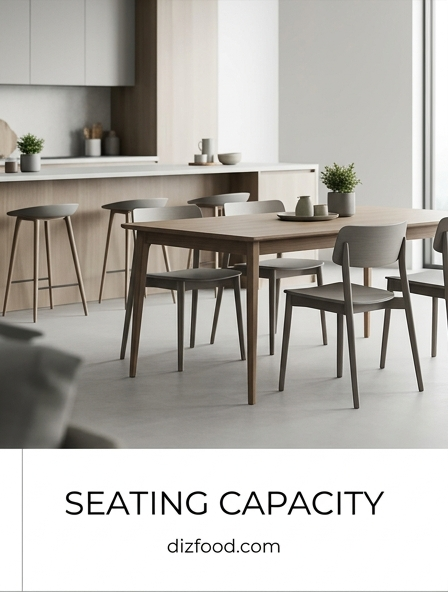
Evaluating Your Seasonal Entertaining Needs
Determining the ideal seating capacity for your kitchen begins with a realistic assessment of your hosting frequency and guest volume. While daily life might only require space for a small family, seasonal holidays often demand a more robust infrastructure. Homeowners must balance the comfort of daily movement with the peak requirements of large gatherings. Evaluating these needs involves looking at your social calendar and identifying the maximum number of individuals who typically congregate in the culinary zone.
- Calculate the average number of guests for major holidays like Thanksgiving or New Year's Eve.
- Assess the ratio of seated dining versus casual standing and socializing.
- Identify the frequency of multi-generational visits where varying seat heights are necessary.
- Determine if your current layout causes physical bottlenecks during peak service times.
By analyzing these factors, you can decide whether a permanent expansion is necessary or if modular, temporary solutions will suffice. Understanding the ebb and flow of your household's social life ensures that you do not over-invest in static furniture that hinders movement during the rest of the year, yet provides enough support when the house is full.
Benefits of Fixed Island Installations
A fixed kitchen island serves as the structural anchor of the room, offering a reliable surface for both meal preparation and social interaction. Unlike temporary fixtures, a permanent island allows for integrated utilities such as electrical outlets for appliances and plumbing for secondary sinks. This stability is essential for maintaining a consistent seating arrangement that does not shift or wobble under the weight of heavy use.
| Feature | Benefit for Seating |
|---|---|
| Cantilevered Overhangs | Provides ergonomic legroom for barstools. |
| Integrated Power | Allows guests to charge devices while socializing. |
| Stone Countertops | Offers a heat-resistant surface for buffet-style serving. |
| Built-in Storage | Keeps dining accessories close to the seating area. |
The permanence of these installations also adds significant resale value to the home. Because the island is bolted to the subfloor, it can support heavier, high-end materials like quartz or granite, which are more durable than the surfaces found on most mobile units. This creates a dedicated "hub" that naturally draws people together in a way that feels intentional and architecturally sound.
Versatility of Portable Kitchen Carts
For those dealing with limited square footage or fluctuating guest lists, portable kitchen carts offer an unparalleled level of flexibility. These units can be deployed as secondary prep stations during the cooking phase and then transitioned into a beverage station or an extra seating nook once guests arrive. The mobility provided by high-quality casters allows for the immediate reconfiguration of the kitchen floor plan based on the specific activity at hand.
- Deploy the cart as a central island to create a temporary 360-degree walking path.
- Lock the casters against a wall to serve as a stationary sideboard or coffee bar.
- Use the lower shelving to store heavy platters, freeing up primary counter space for seating.
- Relocate the unit entirely to an adjacent room if more floor space is needed for standing guests.
Modern portable carts are designed with aesthetic appeal in mind, often featuring butcher block tops or stainless steel finishes that complement existing cabinetry. When the event concludes, these carts can be tucked into a pantry or corner, ensuring that the kitchen returns to its spacious, everyday configuration without the clutter of unused permanent fixtures.
Space Optimization for Holiday Prep
Holiday meal preparation often requires significantly more surface area than standard daily cooking. Optimizing space involves a strategic approach to clearing clutter and utilizing vertical and temporary surfaces. By maximizing the available footprint, you can ensure that the "work triangle" between the stove, sink, and refrigerator remains unobstructed even when multiple people are assisting with the meal. This efficiency is key to maintaining a stress-free environment during high-pressure hosting scenarios.
- Utilize over-the-sink cutting boards to expand usable prep space.
- Install temporary wall-mounted folding desks that can hold ingredients or small appliances.
- Clear all non-essential decorative items from the counters 48 hours before the event.
- Designate specific "zones" for tasks like chopping, baking, and plating to prevent overlap.
Effective space optimization also considers the height of surfaces. Using tiered cooling racks or elevated serving trays can double the capacity of a single countertop section. By thinking vertically, you leave more room on the flat surfaces for actual food production, which ultimately leads to a smoother transition from the preparation phase to the serving phase of the evening.
Long Term Value of Permanent Counters
Investing in permanent counter extensions and built-in breakfast bars is a strategic move for long-term property appreciation. Prospective buyers often prioritize kitchen capacity and surface durability when evaluating a home. A well-designed, permanent seating area suggests a high level of craftsmanship and thoughtfulness in the home's layout. These structures are built to withstand decades of use, resisting the wear and tear that often plagues cheaper, mobile alternatives.
Beyond financial value, permanent counters provide a psychological sense of stability and "home." They become the place where children do homework, where morning coffee is shared, and where guests naturally congregate without being asked. Because they are integrated into the home's HVAC and lighting systems, these areas are often better lit and more comfortable than temporary setups. The choice of premium materials like marble or engineered stone ensures that the seating area remains hygienic and easy to clean, maintaining its luster and functionality for the entire lifespan of the kitchen renovation.
Flexible Seating and Serving Strategies
The ability to adapt your seating to the number of guests is the hallmark of an efficient kitchen. Flexible strategies often involve furniture that can be hidden or repurposed. For instance, backless stools can be tucked completely under a counter overhang when not in use, maintaining a clean sightline and open walkways. Similarly, using a mix of bench seating and individual chairs can accommodate more people in a smaller footprint than chairs alone.
- Incorporate nesting tables that can be pulled out for extra surface area.
- Use stackable chairs that can be stored in a closet until the guest list expands.
- Opt for extendable table leaves that transition from a four-top to an eight-top.
- Implement a buffet-style serving line on the main island to eliminate the need for a formal seated table.
By prioritizing versatility, you avoid the common pitfall of a "crowded" kitchen. Serving strategies should focus on flow; placing beverages in one area and appetizers in another encourages guests to circulate rather than congregating in a single tight spot. This distributed approach makes the room feel larger and more accommodating, regardless of the actual square footage available.
Durability Standards for Daily Use
Kitchen seating and surfaces endure more stress than almost any other furniture in the home. From spilled wine to heavy grocery bags, the materials must meet high durability standards to remain functional and attractive. When selecting seating for a high-traffic kitchen, it is vital to consider the Martindale or Wyzenbeek abrasion ratings for fabrics, or the hardness of wood species. High-density materials ensure that the furniture does not succumb to structural fatigue over time.
| Material | Durability Level | Best Use Case |
|---|---|---|
| Metal / Steel | High | Industrial kitchens and high-traffic bar areas. |
| Treated Leather | Medium-High | Comfortable seating that is easy to wipe clean. |
| Hardwood (Oak/Maple) | Medium | Traditional aesthetics with good impact resistance. |
| Polypropylene | High | Modern, lightweight, and chemical resistant. |
Daily use also implies frequent cleaning. Surfaces should be non-porous to prevent staining and the growth of bacteria. When evaluating chairs or stools, check for reinforced joints and high-quality glides that protect your flooring. Investing in commercial-grade durability for a residential setting pays off by reducing the frequency of replacements and repairs.
Storage Solutions for Folding Extensions
Folding extensions and collapsible tables are excellent for increasing capacity, but they require a dedicated storage plan to prevent them from becoming household clutter. The most effective solutions involve integrating storage into existing cabinetry or utilizing dead space within the kitchen layout. A well-organized storage system ensures that these extra pieces are easily accessible when needed but completely invisible during daily operations.
- Install narrow "slot" cabinets next to the refrigerator to house folding table leaves.
- Use wall-mounted hooks in the pantry to hang collapsible chairs vertically.
- Utilize the space under a built-in bench or banquette for storing extra cushions and linens.
- Incorporate a "pocket" into the side of a kitchen island specifically for a pull-out extension.
Proper storage also protects the furniture from damage. Extensions stored in damp basements or hot attics can warp or crack, rendering them useless when the holiday season arrives. By keeping these items within the climate-controlled environment of the kitchen-hidden behind custom millwork-you preserve their structural integrity and ensure they are always ready for the next big event.
Flow Management During Large Gatherings
The success of a large gathering depends heavily on the "flow" of people through the kitchen. A poorly planned layout leads to bottlenecks at the refrigerator or the sink, which can frustrate the cook and guests alike. Flow management is the art of directing movement through the strategic placement of seating and food. By creating a clear path, you allow guests to move in and out of the kitchen without interrupting the culinary workflow.
One effective technique is the "island bypass," where seating is restricted to only one side of the island, leaving the other side open for high-traffic tasks. Additionally, placing the "social" elements-like the bar or the appetizers-near the entrance of the kitchen prevents guests from wandering into the "work zone" near the stove. Lighting can also play a role; brighter task lighting in the prep area and softer, dimmable lights over the seating area naturally signal to guests where they should congregate. This subtle environmental cues help manage the crowd without the need for verbal instructions, making the event feel more natural and relaxed.
Cost Comparison of Renovation Versus Mobility
Deciding between a permanent kitchen renovation and purchasing mobile furniture is often a matter of budget and long-term goals. A full-scale renovation that includes a custom island and built-in seating requires a significant upfront investment in labor and materials. Conversely, mobile solutions offer immediate utility at a fraction of the cost. However, the return on investment (ROI) differs greatly between the two options, as permanent structures typically increase the appraisal value of the property.
| Option | Avg. Cost Range | Pros / Cons |
|---|---|---|
| Custom Fixed Island | $3,000 - $10,000+ | High ROI, custom features, but high cost. |
| High-End Mobile Cart | $400 - $1,200 | Low cost, flexible, but no added home value. |
| Built-in Banquette | $1,500 - $5,000 | Space-saving, cozy, but non-movable. |
| Folding Table Sets | $100 - $300 | Cheap, temporary, but low durability. |
While a renovation can be disruptive and expensive, it provides a tailored solution that matches the home's architecture. Mobile furniture is ideal for renters or those on a strict budget who need to solve capacity issues immediately. Ultimately, the choice depends on how long you plan to stay in the home and whether you view the kitchen seating capacity as a lifestyle improvement or a capital investment.


Comments