
Choosing between cloth and paper napkins is more than just a cleanup decision; it's about balancing everyday convenience with long-term sustainability and style. While paper napkins offer a quick, disposable solution for casual snacks and busy weeknights, cloth napkins elevate any dining setting with a touch of sophistication and significantly reduce household waste. Whether you're hosting a formal dinner party or looking to make your kitchen more eco-friendly, understanding the trade-offs in cost, absorbency, and environmental impact will help you decide which option truly earns its place at your dining table.
| Feature | Cloth Napkins | Paper Napkins |
|---|---|---|
| Sustainability | High; reusable for years, biodegradable fibers. | Low; single-use, contributes to landfill waste. |
| Aesthetics | Premium; adds texture, color, and elegance. | Functional; basic appearance, often looks "cheap." |
| Durability | Superior; won't shred or tear when wet. | Low; falls apart easily during heavy use. |
| Cost Impact | Higher upfront; saves money over time. | Low upfront; recurring lifelong expense. |
| Maintenance | Requires laundering, drying, and occasional folding. | Zero maintenance; toss in the bin after use. |
| Best Use Case | Formal dinners and eco-conscious daily living. | Large parties, picnics, and quick messy snacks. |
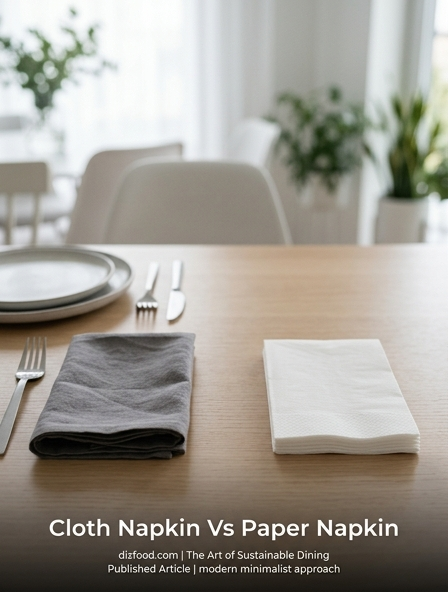
Environmental Impact Comparison of Cloth vs Paper Napkins
The debate between cloth and paper napkins often centers on their respective life cycle assessments. Paper napkins are typically single-use items derived from virgin tree pulp or recycled fibers. While they seem harmless, the sheer volume consumed globally leads to significant deforestation and energy consumption during the pulping and bleaching processes. Conversely, cloth napkins require a higher initial output of energy and water during manufacturing but offer the advantage of being reused hundreds of times. The environmental "break-even" point for a cotton napkin compared to its paper counterpart is estimated to be between 50 and 100 uses, after which the cloth version becomes the more ecological choice.
Beyond manufacturing, disposal plays a critical role in the environmental footprint. Paper napkins frequently end up in landfills where, despite being organic material, they often fail to decompose properly due to lack of oxygen, instead releasing methane-a potent greenhouse gas. Cloth napkins, while requiring regular laundering, reduce the physical mass of waste entering the municipal system. When looking at the total resource consumption, the following table highlights the primary differences:
| Impact Factor | Paper Napkins | Cloth Napkins |
|---|---|---|
| Resource Origin | Timber and Water | Cotton, Linen, or Polyester |
| Production Energy | Low (per unit) | High (per unit) | Decomposition | Moderate (if composted) | Low (long lifespan) |
| Waste Category | Post-consumer solid waste | Micro-fiber/Wastewater |
The Long Term Cost Savings of Reusable Linens
At first glance, paper napkins appear to be the more economical choice because the per-unit cost is measured in fractions of a cent. However, this is a recurring expense that never terminates. For a household of four using two napkins per person per meal, the costs accumulate rapidly over months and years. In contrast, cloth napkins represent a one-time capital investment. While a set of high-quality linen or cotton napkins might cost thirty to fifty dollars, they can easily last a decade with proper care, effectively neutralizing their cost within the first year of use.
When calculating the true cost of cloth, one must also account for the water, detergent, and electricity used during laundering. However, because napkins are small and take up negligible space in a standard laundry load, the marginal cost of washing them is nearly zero when added to existing towel or bedsheet cycles. The long-term financial benefits include:
- Elimination of weekly or monthly grocery expenditures on disposables.
- Protection against price fluctuations in the paper goods market.
- Reduced frequency of trash bag purchases due to lower waste volume.
- Potential resale value or repurposing as cleaning rags after their lifecycle as table linens.
Ultimately, the transition to cloth is a classic example of "spending to save." By opting out of the disposable cycle, homeowners reclaim a portion of their monthly budget while investing in a durable household asset that does not require constant replenishment.
Sustainability and Waste Reduction in the Kitchen
Sustainability in the modern kitchen is often a game of inches, where small changes in daily habits lead to significant reductions in a household's ecological shadow. Transitioning to cloth napkins is a foundational step in the "Zero Waste" movement. Every year, billions of paper napkins are discarded in the United States alone. Because these items are often contaminated with food oils and greases, they are frequently rejected from recycling programs, meaning they occupy vast amounts of space in local landfills. By removing this single-use item from the waste stream, a kitchen's total garbage output can be visibly reduced.
Moreover, the use of cloth encourages a broader mindset of stewardship and mindfulness. When we use durable goods, we tend to treat them with more care, leading to a more intentional dining experience. This shift often cascades into other areas of kitchen management, such as replacing paper towels with microfiber cloths or opting for glass storage containers over plastic wrap. The cumulative effect of these choices creates a sustainable ecosystem within the home that prioritizes longevity over convenience. In this context, the cloth napkin is not just a tool for cleaning hands, but a symbol of a commitment to preserving natural resources and minimizing the "take-make-waste" industrial model that dominates modern consumerism.
Texture and Absorbency Performance Differences
The functional performance of a napkin is determined by its ability to absorb liquids and remove debris from the skin without irritating the user. Paper napkins, particularly the lower-ply varieties found in bulk packaging, often suffer from "pilling" or tearing when they become saturated. This usually results in the user reaching for multiple napkins to complete a single task, which increases waste. High-quality paper napkins can be more durable, but they often lack the soft, tactile feel that many diners prefer during a meal.
Cloth napkins, specifically those made from natural fibers like cotton or linen, offer superior absorbency and structural integrity. A single cloth napkin can typically handle an entire multi-course meal, including spills, without becoming tattered or ineffective. The following comparison illustrates these performance metrics:
| Feature | Paper Napkins | Cloth Napkins |
|---|---|---|
| Absorbency Rate | Fast but limited capacity | High capacity, improves with age |
| Wet Strength | Poor (tends to disintegrate) | Excellent (remains intact) |
| Skin Feel | Rough or papery | Soft, smooth, or textured |
| Efficiency | Requires multiple units per spill | One unit handles large spills |
It is worth noting that new cloth napkins may require several washes to reach their peak absorbency. This is because natural fibers often have residual oils from the manufacturing process that need to be stripped away to allow the fibers to fully "open" and trap moisture effectively.
Maintenance and Care Requirements for Cloth Napkins
One of the primary deterrents for those considering the switch to cloth is the perceived burden of maintenance. While it is true that cloth napkins require more attention than their disposable counterparts, the process is straightforward and can be integrated into existing household routines. The key to maintaining a pristine set of linens is prompt treatment of stains and proper drying techniques to prevent mildew and permanent setting of grease marks.
For most families, a simple system of "use and collect" works best. Keeping a small, dedicated basket in the kitchen for used napkins ensures they stay organized until laundry day. To ensure your cloth napkins remain in peak condition for years, follow these care steps:
- Pre-treat Stains: Apply a small amount of dish soap or a dedicated stain remover to grease or wine spots as soon as the meal is finished.
- Wash in Warm Water: Use a standard cycle with a high-quality detergent. Avoid excessive use of fabric softeners, as these can coat the fibers and reduce absorbency.
- Shake Before Drying: Give each napkin a quick snap before placing it in the dryer to reduce wrinkling and help the fibers expand.
- Fold Promptly: Removing napkins from the dryer while they are still slightly warm and folding them immediately can eliminate the need for ironing.
- Occasional Bleaching/Stripping: For white linens, an occasional soak in an oxygen-based whitener can keep them looking bright without damaging the fabric.
The Convenience and Practicality of Single Use Paper
Despite the environmental benefits of cloth, paper napkins remain a staple in many households due to their undeniable convenience. In fast-paced modern environments, the ability to use a napkin and immediately discard it saves time and mental energy. This is particularly relevant for large gatherings, outdoor picnics, or children's birthday parties, where the volume of laundry generated by cloth napkins would be overwhelming. Paper napkins also eliminate the need for storage of soiled linens, which can be an issue in smaller apartments or during hot, humid weather where odors might develop.
Furthermore, paper napkins offer a level of hygiene that is difficult to match in specific contexts. For individuals dealing with illness, a disposable napkin ensures that germs are thrown away rather than cycled through a washing machine. They are also incredibly portable; a pack of paper napkins can be kept in a car's glove compartment or a diaper bag without any concern for maintenance. For many, the "practicality" of paper isn't just about laziness-it's about managing a busy lifestyle where the trade-off of a slightly higher ecological footprint is accepted in exchange for reclaimed time and simplified household management. However, even within the realm of disposables, users can opt for unbleached, compostable versions to mitigate some of the environmental downsides.
Elevating Table Aesthetics with Fabric Napkins
From a design perspective, there is no comparison between the visual impact of a paper napkin and a well-chosen fabric one. Cloth napkins add a layer of sophistication and "texture" to the dining table that immediately elevates the atmosphere of a meal. Whether it is a formal holiday dinner or a casual Tuesday night supper, the presence of fabric linens signals a level of care and hospitality. They allow the homeowner to introduce color, pattern, and personality into the kitchen or dining room in a way that is both functional and decorative.
The versatility of cloth also allows for various presentation styles that can be tailored to the occasion. Some of the ways fabric napkins enhance aesthetics include:
- Napkin Rings: Using wood, metal, or beaded rings to add a sculptural element to the place setting.
- Creative Folds: Mastering techniques like the bishop's hat, the pocket fold (for silverware), or the simple fan.
- Material Variation: Choosing heavy linen for a rustic, farmhouse feel or smooth damask for a classic, formal look.
- Coordinated Decor: Matching napkins to tablecloths, runners, or seasonal floral arrangements to create a cohesive theme.
By using cloth, the act of eating is transformed from a utilitarian task into an experiential event. The weight of the fabric on one's lap and the softness against the skin contribute to a sensory experience that paper simply cannot replicate.
Ecological Footprint of Manufacturing and Disposal
The manufacturing process for paper napkins is water-intensive and chemical-heavy. The transformation of wood into soft tissue involves mechanical pulping and chemical bleaching, often using chlorine-based compounds that can release dioxins into local waterways. Even recycled paper napkins, which are better for the environment, require significant energy to strip away old inks and dyes. The "disposable" nature of these products creates a linear economy that necessitates constant extraction of raw materials, putting pressure on forest ecosystems and contributing to loss of biodiversity.
Cloth napkins, while often made from thirsty crops like cotton, participate in a circular economy. The initial footprint is high because of the pesticides used in traditional cotton farming and the massive amounts of water needed for irrigation and dyeing. However, because the product stays in circulation for years, these "embodied" costs are amortized over thousands of uses. The disposal phase for cloth is also less impactful; when a cotton or linen napkin finally reaches the end of its life, it can be cut into cleaning rags, then eventually composted (if it is 100% natural fiber), returning its nutrients to the earth rather than sitting in a plastic trash bag in a landfill for decades.
Chemical Sensitivities and Natural Fiber Benefits
For individuals with sensitive skin or allergies, the choice between cloth and paper is often a matter of health. Many paper napkins are treated with various chemicals to improve their strength, whiteness, and scent. These can include formaldehyde-based resins, artificial fragrances, and chlorine bleach. When these napkins come into contact with the face and mouth, especially when wet, these chemicals can cause irritation or be inadvertently ingested. This is a particular concern for parents of young children who frequently use napkins to wipe sensitive areas.
Cloth napkins made from organic natural fibers offer a much safer alternative. By choosing GOTS-certified (Global Organic Textile Standard) cotton or linen, consumers can be certain that no harmful pesticides or toxic dyes were used in the production. The benefits of natural fibers extend beyond safety:
- Hypoallergenic: Natural fibers like linen are naturally resistant to bacteria and fungi.
- Breathability: Fabric napkins don't trap heat or moisture against the skin.
- Non-Toxic: Absence of the BPA often found in thermal receipts that sometimes contaminate recycled paper streams.
- Durability: Natural fibers are stronger and softer than the short, brittle fibers used in paper pulp.
Switching to cloth allows the user to have total control over what touches their family's skin, especially since they can choose the specific detergent and rinsing process used to clean the linens.
Practical Transition Guide to a Zero Waste Table
Transitioning from paper to cloth napkins does not have to happen overnight. The most successful shifts occur when a household builds a system that makes the "green" choice as convenient as the old one. Start by auditing your current paper usage to understand how many napkins you actually need. Most families find that having a set of 12 to 24 napkins is sufficient to last between laundry cycles without running out. If you are worried about the cost of buying a full set, consider sourcing them from thrift stores or repurposing old cotton bedsheets by cutting them into squares and hemming the edges.
To ensure a smooth transition, follow this practical implementation guide:
- Strategic Placement: Keep your cloth napkins in the same place you used to keep the paper ones so the habit of reaching for that spot remains unchanged.
- The "Hamper" Method: Place a small, ventilated bin or wet-bag under the sink or in the dining room to make disposing of dirty linens immediate and easy.
- Assign "Personal" Napkins: In some households, each family member has a unique napkin ring or color. Because the napkins aren't truly "dirty" after one wipe of a clean mouth, they can be reused for several meals, reducing the laundry load.
- Start with Dark Colors: If you are nervous about stains, choose navy, charcoal, or patterned napkins that hide coffee or tomato sauce marks easily.
- Keep a "Backup" Stash: Maintain a small pack of compostable paper napkins for when guests visit or when the laundry schedule falls behind, reducing the stress of being perfectly zero-waste.

Comments