
Benefits of Non-Porous Kitchen Surfaces
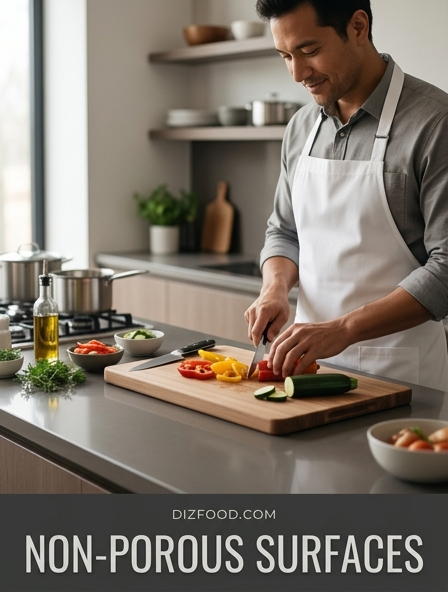
Non-porous surfaces serve as the foundation for a professional-grade kitchen environment, offering unparalleled advantages in terms of hygiene and durability. Unlike materials such as wood or certain natural stones, non-porous options like glass, stainless steel, and specialized ceramics do not contain microscopic pits or channels. This structural density ensures that liquids, oils, and food particles remain on the surface rather than being absorbed into the material's core. Consequently, these surfaces are inherently resistant to warping, swelling, and deep-seated structural degradation.
- Resistance to liquid penetration and internal rot.
- High level of hygiene due to the absence of microbial hiding spots.
- Ease of sanitation using standard household detergents.
- Aesthetic longevity with minimal fading or discoloration.
In a high-traffic culinary setting, the ability to maintain a pristine environment with minimal effort is essential. Non-porous materials provide a barrier against the rigors of daily use, ensuring that the kitchen remains a safe space for food preparation. By choosing these materials, homeowners and chefs alike benefit from a surface that remains functionally intact and visually appealing for decades, regardless of the frequency of use or the types of ingredients handled.
Preventing Bacteria Growth and Cross-Contamination
The primary concern in any food preparation area is the mitigation of foodborne illnesses. Porous materials act as a reservoir for pathogens, as microscopic cracks provide a sheltered environment where bacteria such as E. coli and Salmonella can thrive, shielded from surface-level cleaning agents. Non-porous surfaces eliminate this risk by providing a completely sealed interface. When a surface cannot absorb moisture, bacteria are deprived of the damp environment required for colonization and reproduction.
Cross-contamination is further reduced when dealing with raw proteins and allergens. On a non-porous countertop or cutting board, a simple wipe-down with a disinfectant effectively removes 99.9% of surface contaminants because there is no "depth" for the proteins to settle into. This is particularly vital in households with severe food allergies, where even trace amounts of an allergen trapped in a porous surface could trigger a reaction. By utilizing high-density, non-absorbent materials, the kitchen becomes a controlled environment where the risk of microscopic transfer is significantly neutralized, ensuring that every meal prepared is as safe as the last.
How Water Absorption Impacts Dishware Longevity
Water absorption is a silent killer of kitchenware, particularly in traditional earthenware and low-fired ceramics. When dishware is porous, it absorbs small amounts of water during the washing cycle or while soaking in a sink. This internal moisture can lead to several structural issues that compromise the lifespan of the item. Over time, the trapped water can expand and contract during temperature shifts, leading to internal stress that manifests as "crazing"-a network of fine cracks in the glaze.
- Hydration expansion causes the body of the dish to swell against the glaze.
- Trapped moisture can lead to mold growth inside the ceramic body.
- Structural weakening increases the likelihood of chips and "edge-knocking."
- Microwave use becomes dangerous as trapped water heats rapidly and creates pressure.
In contrast, non-porous dishware, such as vitrified glass or high-fired porcelain, has a water absorption rate of nearly zero. This lack of permeability ensures that the material remains inert and stable. Because no water enters the internal structure, the mechanical strength of the dishware remains constant, preventing the sudden fractures and degradations commonly seen in more absorbent materials after repeated use.
Enhancing Heat Resistance in the Dishwasher
Modern dishwashers utilize high-temperature water and steam to sanitize dishes, often reaching temperatures that can stress lower-quality materials. Non-porous materials are uniquely suited for these environments because they possess superior thermal stability. In porous items, the presence of internal moisture can lead to a phenomenon known as thermal shock. As the dishwasher heats up, any water trapped within the pores of the material expands; if this expansion happens too quickly, the dish can crack or even shatter.
Non-porous surfaces, such as tempered glass and stainless steel, do not suffer from this vulnerability. Their high-density composition allows for more uniform heat distribution across the surface. This uniformity prevents the localized stress points that lead to breakage. Furthermore, because these materials do not absorb the chemical surfactants found in dishwasher detergents, they do not suffer from chemical etching or surface dulling over time. This makes non-porous kitchenware the ideal choice for those who prioritize the convenience of machine washing without sacrificing the integrity or appearance of their equipment.
Eliminating Persistent Food Odors and Stains
One of the most frustrating aspects of kitchen maintenance is the lingering scent of garlic, onions, or spices on cutting boards and storage containers. This occurs because porous materials trap volatile organic compounds-the molecules responsible for smell-within their structure. Once these molecules are embedded, they are nearly impossible to remove with standard washing. Non-porous materials solve this problem by ensuring that odors and pigments remain strictly on the surface.
- Glass containers do not retain the scent of previous meals.
- Stainless steel surfaces neutralize sulfurous odors from prep work.
- Ceramic plates resist staining from high-pigment foods like turmeric or beets.
- Non-absorbent surfaces prevent the "ghosting" of flavors in cookware.
By preventing the penetration of oils and pigments, non-porous surfaces maintain their pristine appearance and neutral profile. This is especially important for multi-purpose kitchen tools. For example, a non-porous glass bowl can be used to marinate a spicy curry one day and serve a delicate cream-based dessert the next, with no risk of flavor carryover. This level of purity is essential for maintaining the intended flavor profiles of various culinary creations.
Structural Integrity of High-Density Materials
The mechanical strength of kitchen surfaces is directly related to their density and lack of porosity. High-density materials, such as vitrified glass-ceramics and engineered quartz, undergo manufacturing processes-often involving extreme heat and pressure-that eliminate air pockets and voids. This results in a monolithic structure that is significantly harder and more impact-resistant than its porous counterparts. When a material is non-porous, its molecular bonds are tightly packed, providing a robust defense against physical trauma.
In practical kitchen terms, this means that a non-porous surface is much less likely to chip if a heavy pot is dropped on it or if it is bumped against another dish in the sink. The lack of internal voids prevents "crack propagation," where a small surface nick quickly turns into a deep fracture. Furthermore, these materials exhibit high levels of scratch resistance, ensuring that the surface remains smooth and easy to clean. This structural integrity is not just about preventing breakage; it is about maintaining a surface that remains non-reactive and safe for food contact throughout its entire lifecycle, regardless of the wear and tear it endures.
Choosing Between Glass Ceramic and Steel
When selecting non-porous materials for the kitchen, glass-ceramic and stainless steel are two of the most popular choices, each offering distinct advantages depending on the application. Both materials are completely impervious to liquids and bacteria, making them top-tier choices for hygiene-conscious users. However, their physical properties suit different tasks within the culinary environment. Glass-ceramic is prized for its aesthetic versatility and heat-retention properties, while steel is favored for its unbreakable nature and industrial utility.
| Feature | Glass Ceramic | Stainless Steel |
|---|---|---|
| Impact Resistance | Moderate | Excellent |
| Heat Conductivity | Low (Insulator) | High (Conductor) |
| Stain Resistance | Total | Total |
| Aesthetic | Elegant/Modern | Professional/Industrial |
| Maintenance | Very Low | Low (can show prints) |
Steel is the gold standard for high-volume prep areas where heavy-duty use is common, while glass-ceramic excels in serving and stovetop applications. Choosing between them often comes down to the specific balance of form and function required in the kitchen.
Maintenance Advantages for Daily Meal Prep
The efficiency of a kitchen is often measured by the speed of cleanup following meal preparation. Non-porous surfaces provide a significant advantage in this regard, as they do not require specialized cleaners, sealants, or "seasoning" to remain functional. Unlike wood blocks that must be oiled or granite that must be periodically resealed to prevent staining, non-porous materials like glass and steel are "ready to go" at all times. A simple solution of warm water and mild soap is usually sufficient to restore the surface to a like-new condition.
During the cooking process, the benefits are even more apparent. Spills of acidic liquids like lemon juice or vinegar, which would etch and damage many porous stones, have no effect on non-porous materials. This allows the cook to focus on the recipe rather than worrying about immediate spills damaging the workspace. The time saved on maintenance over weeks and months is substantial, allowing for a more streamlined and enjoyable cooking experience. By reducing the labor-intensive aspects of kitchen care, non-porous surfaces allow the focus to remain on culinary creativity and food quality.
Impact of Surface Porosity on Hygiene
Hygiene in the kitchen is not merely a surface-level concern; it is a microscopic battle against invisible threats. The porosity of a surface dictates how easily it can be decontaminated. Scientific studies on surface hygiene demonstrate that porous materials can harbor biofilms-slimy layers of bacteria that are highly resistant to cleaning. Because these biofilms can tuck themselves into the pores of the material, they survive the mechanical action of wiping and the chemical action of disinfectants.
- Porous surfaces allow moisture to linger, creating a breeding ground.
- Cleaning agents often fail to reach the bottom of surface pits.
- Dried food particles in pores provide a constant food source for microbes.
- Evaporation is slower in pores, keeping the surface "wet" longer.
Non-porous surfaces, by contrast, facilitate rapid evaporation and allow cleaning agents to make full contact with any contaminants. There are no "safe zones" for microbes to hide. This makes the sanitization process predictable and highly effective. In any environment where food safety is a priority, minimizing surface porosity is the most effective passive strategy for maintaining a hygienic workspace.
Long-Term Cost Savings of Durable Kitchenware
While non-porous kitchenware and surfaces may sometimes carry a higher initial price tag, they offer significant long-term financial benefits. The primary source of savings comes from the extended replacement cycle. Porous items, such as low-quality plastic containers, wooden boards, or inexpensive stoneware, frequently need to be replaced due to staining, odors, or structural failure. Over several years, the cost of repeatedly purchasing these "disposable" items far exceeds the cost of a single, high-quality non-porous alternative.
Additionally, the durability of these materials reduces the likelihood of accidental loss. A high-fired, non-porous ceramic plate is much less likely to chip in the dishwasher than a cheap earthenware one. Fewer chips and cracks mean fewer sets of dishes need to be replaced. There are also hidden savings in maintenance; the lack of need for specialized oils, waxes, or professional resurfacing for non-porous countertops adds up over time. By investing in materials that are built to withstand the chemical and physical rigors of the kitchen, consumers achieve a lower total cost of ownership while enjoying a superior product that does not degrade with age.

Comments