
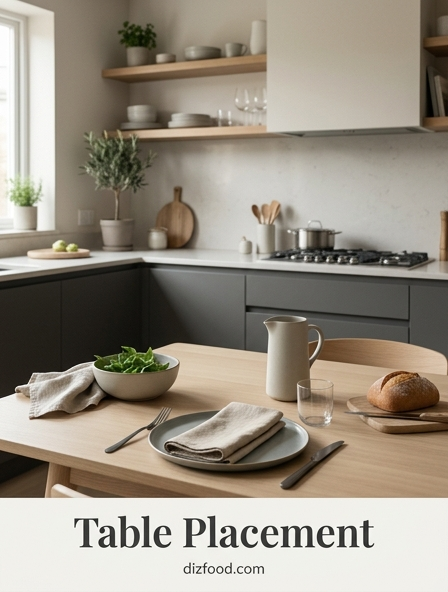
Standard Placement for the Soup Spoon
In a standard table setting, the soup spoon is positioned to the far right of the dinner knife. This placement follows the fundamental rule of dining: utensils are used from the outside in. Since soup is typically served as an early course, the spoon must be the outermost implement on the right side. The bowl of the spoon should always face upward, and the handle should be aligned with the bottom edge of the dinner plate, usually about one inch from the table's edge.
- Positioned to the right of the knives.
- Placed outermost to indicate first use.
- Handle aligned with the base of the place setting.
If the meal includes multiple liquid courses, such as a clear bouillon followed by a cream soup, the specific spoons are arranged in order of appearance. However, in most contemporary settings, a single soup spoon suffices. It is important to ensure that the spacing between the spoon and the adjacent knife is consistent with the rest of the setting, typically a thumb's width apart, to maintain a clean and professional aesthetic for the guests.
Positioning the Dessert Fork and Spoon
For many formal occasions, dessert utensils are placed horizontally above the dinner plate rather than alongside the knives and forks. This "top of the plate" arrangement saves space and clearly signals the conclusion of the meal. The dessert spoon and fork are laid out in opposing directions to facilitate easy handling when they are eventually moved down to the sides of the plate by the diner.
| Utensil | Handle Direction | Tine/Bowl Direction |
|---|---|---|
| Dessert Spoon | Points Right | Points Left |
| Dessert Fork | Points Left | Points Right |
The spoon is situated above the fork. When the dessert course arrives, the diner slides the fork to the left of the dessert plate and the spoon to the right. This transition allows for the proper grip: the fork stabilizes the dessert while the spoon performs the cutting or scooping. Ensuring these utensils are perfectly parallel and centered above the service plate is a hallmark of meticulous table service and high-end hospitality standards.
Formal Setting Rules for Soup Courses
Formal soup service requires a specific layered approach to the place setting. The soup bowl is never placed directly on the tablecloth; instead, it rests upon a transition plate, often called a liner or underplate, which sits atop the service plate or charger. This prevents heat transfer to the table and catches any potential drips. If the soup is a thin broth, it may be served in a soup cup with handles, whereas thicker soups are served in shallow rimmed bowls.
The placement of the spoon is fixed, but the removal process is equally important. Once the course is finished, the spoon should be left on the liner plate, not inside the bowl, unless the bowl is deep enough to prevent the spoon from tipping. Service staff typically clear the bowl, the liner, and the soup spoon simultaneously from the right side of the guest. In a strictly formal environment, the charger remains on the table until the main entree is served, providing a consistent visual anchor for the soup course and subsequent appetizers.
Top of Plate Dessert Utensil Layout
The horizontal layout of dessert utensils is a space-saving technique that adds a sophisticated layer to the table's geometry. By placing the fork and spoon above the plate, the sides of the setting remain uncluttered, which is particularly useful in multi-course meals where numerous wine glasses and bread plates are present. The alignment must be precise; the spoon's bowl should point toward the bread plate on the left, while the fork's tines point toward the glassware on the right.
- Place the dessert fork directly above the charger with the handle to the left.
- Place the dessert spoon above the fork with the handle to the right.
- Ensure a gap of approximately half an inch between the plate and the first utensil.
This configuration is not merely decorative; it is functional. As the dessert is served, the guest can easily rotate the utensils into their natural positions. If only one dessert utensil is required-such as a spoon for pudding or a fork for cake-it is still placed horizontally, centered above the plate, following the handle direction rules mentioned above.
Symmetry and Spacing in Formal Dining
A professional table setup relies heavily on mathematical precision and visual balance. Symmetry is achieved by ensuring that the elements on the left side of the plate mirror the weight of the elements on the right. While the types of utensils may differ, their vertical alignment and distance from the plate must remain uniform. The standard measurement for the "thumb line"-the imaginary line where the bottom of all handles rest-is exactly one inch from the edge of the table.
Spacing between individual utensils is equally vital. Typically, a distance of half an inch to one inch is maintained between the knife and the spoon, and between multiple forks. This prevents the table from looking crowded and allows the guest to pick up an item without accidentally disturbing the adjacent piece. When setting a long banquet table, professionals often use a ruler or a template to ensure that every place setting is identical down the line, creating a powerful visual impact when guests first enter the dining room.
Utensil Alignment for Multi Course Meals
In multi-course dining, the number of utensils can be overwhelming if not aligned correctly. The primary rule is that the guest uses the utensils from the outside in, with each pair corresponding to a specific course. To maintain order, all utensil handles must be perfectly aligned at the base. This creates a clean "baseline" that anchors the entire setting. For a meal consisting of an appetizer, fish course, meat course, and salad, the forks on the left would be arranged accordingly.
- Salad fork (outermost, if salad is served first).
- Fish fork (middle).
- Dinner fork (innermost, closest to the plate).
On the right side, knives follow the same logic, with blades always facing inward toward the plate for safety and tradition. The soup spoon is placed to the right of the knives. If the salad is served after the main course, as is common in some European traditions, the salad fork is placed closest to the plate. This logical progression ensures that the table remains functional and intuitive for the guest throughout the evening.
Essential Etiquette for Soup Service
Correct table placement is only the first step; understanding the etiquette of soup service is essential for a professional dining experience. When consuming soup, the diner should move the spoon in a direction away from their body, toward the back of the bowl. This motion minimizes the risk of splashes and drips onto the diner's clothing. Furthermore, the soup should be sipped from the side of the spoon, not the tip, to ensure a silent and graceful consumption.
When the soup level becomes low, it is permissible to tilt the bowl slightly. However, etiquette dictates that the bowl should be tilted away from the diner. Once finished, the spoon is placed on the saucer or liner plate. If no liner is provided, the spoon may be left in the bowl. It is considered improper to blow on hot soup to cool it; instead, one should wait for it to reach the desired temperature naturally. These small details in behavior complement the physical precision of the table setup, completing the formal atmosphere.
Professional Standards for Dessert Tableware
Professional standards for dessert service often dictate the quality and style of the tableware used to conclude a meal. Dessert utensils are typically smaller than their dinner counterparts but should match the overall pattern and weight of the main flatware set. In high-end establishments, the dessert course often involves a complete refresh of the table. This means all previous salt and pepper shakers, bread crumbs, and unused dinner utensils are removed before the dessert tableware is emphasized.
| Item | Standard Material | Placement Detail |
|---|---|---|
| Dessert Fork | Polished Silver/Steel | Tines pointing right |
| Dessert Spoon | Polished Silver/Steel | Handle pointing right |
| Dessert Plate | Fine Bone China | Centered under utensils |
In addition to the fork and spoon, professional setups must account for accompanying beverages. If coffee or tea is served with dessert, the cup and saucer are placed to the right of the dessert setting, with the handle at a four o'clock position. The teaspoon is placed on the right side of the saucer. Maintaining these rigorous standards ensures that the final course feels as deliberate and luxurious as the opening appetizer.
The Order of Use for Dining Utensils
Understanding the order of use is the key to navigating a complex formal table. The arrangement follows the menu's progression. Generally, the outermost utensils are intended for the first course, and the diner moves inward toward the plate as the meal continues. This system allows the service staff to clear away used items without disturbing the tools needed for upcoming courses. If a guest sees three forks on the left, they can safely assume there are three courses requiring a fork.
For example, a typical sequence might include a soup spoon on the far right, followed by a fish knife, and then the dinner knife closest to the plate. On the left, a corresponding fish fork would be outside the dinner fork. If a salad is served first, a small salad fork would be the outermost implement on the left. By adhering to this outside-in logic, hosts can create a seamless experience where guests never have to guess which utensil to use. This order also helps the kitchen pace the meal accordingly.
Mastering Professional Table Setups
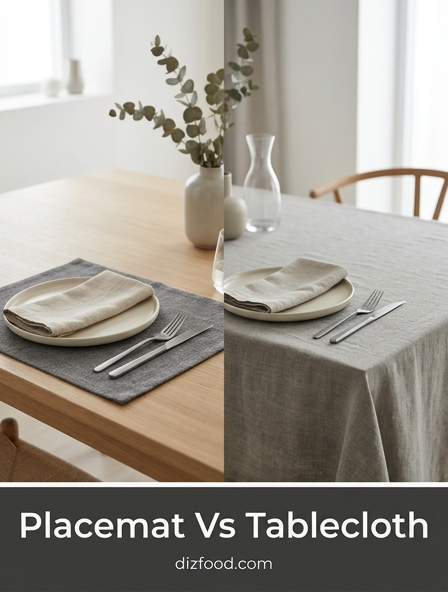
Mastering the art of table placement requires a holistic view of the dining environment. It begins with the tablecloth, which must be ironed and hang evenly on all sides, usually falling 10 to 15 inches from the table's edge. Once the foundation is laid, the "cover"-the space for one guest-is built from the center outward. The dinner plate or charger serves as the midpoint. All elements, including glassware, bread plates, and utensils, must be positioned relative to this center point.
- Check the alignment of all utensil handles against a straight edge.
- Verify that glassware is placed in a descending diagonal line to the right.
- Ensure the bread plate is placed at the upper left, above the forks.
- Conduct a final "sight-line" check from the head of the table.
A professional setup is not just about following rules; it is about creating an inviting atmosphere. Lighting, floral arrangements, and menu cards must not obstruct the guests' views or their ability to reach for their wine. When every element is perfectly aligned and spaced, the table reflects a high level of respect for the guests, setting the stage for an exceptional experience.

Comments