
Keeping your kitchen tools in top shape doesn't just save money; it ensures every meal you prepare is a culinary masterpiece. From seasoning your cast iron pans to using the right cutting boards, small habits make a huge difference in how long your favorite gadgets last. Properly storing knives and avoiding high-heat shocks are essential maintenance steps for any home chef. By adopting these smart strategies, you can keep your stainless steel, wood, and non-stick surfaces performing like new for years to come. One of the most debated topics in kitchen care is choosing between Hand Washing Versus Machine Washing to protect your investment.
Mastering Manual Dishwashing Techniques
Efficient manual dishwashing begins with a systematic approach to ensure hygiene and preserve the integrity of kitchenware. Start by scraping off excess food waste into a bin to prevent sink clogs and maintain cleaner wash water for longer durations. Filling the basin with warm, soapy water is the standard first step, followed by an organized washing order. Prioritizing items based on their level of soil prevents the rapid accumulation of grease in the water.
- Glassware and crystal: Clean these first while the water is freshest to avoid streaks.
- Flatware and utensils: Scrub thoroughly, paying attention to the tines of forks.
- Plates and bowls: Use a soft sponge to remove remaining residues.
- Pots, pans, and greasy bakeware: Handle these last to prevent oil from coating other items.
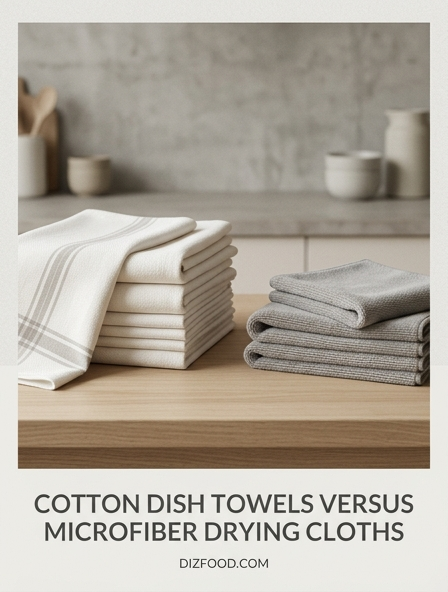
Rinsing is equally critical; use hot water to ensure all detergent is removed, which also aids in faster air-drying. Always utilize a clean, lint-free microfiber towel for drying to prevent water spots and the growth of bacteria in damp environments. For items with intricate designs or crevices, ensure they are completely dry before storage.
Caring for Cast Iron Skillets
Cast iron is prized for its heat retention and natural nonstick properties, but it requires specific maintenance to prevent rust and maintain its "seasoning." Unlike modern pans, cast iron should never be soaked in water or placed in a dishwasher. Instead, clean the skillet while it is still warm using a stiff brush and hot water. If food is stuck, a small amount of mild soap may be used, though many purists prefer using a salt scrub to preserve the polymerized oil layer.
After washing, it is imperative to dry the skillet immediately. Place it over a low flame on the stove for a minute to ensure all moisture evaporates from the pores of the metal. While the pan is warm, apply a very thin layer of neutral oil, such as grapeseed or vegetable oil, and buff it with a paper towel until no greasy residue remains. This process reinforces the protective barrier against oxidation. Regular use is one of the best ways to keep a skillet in top condition, as each cooking session adds another micro-layer of seasoning to the surface.
Preserving Nonstick Cookware Coatings
Nonstick coatings, typically made of PTFE or ceramic, are delicate and susceptible to degradation if handled improperly. To extend the lifespan of these pans, avoid using high heat settings, which can break down the coating and release fumes or reduce its release properties. Medium to low heat is generally sufficient for most cooking tasks. Furthermore, the choice of kitchen tools is vital; metal spatulas and whisks can cause microscopic scratches that eventually lead to peeling or sticking.
Cleaning should always be performed by hand using a soft cloth or non-abrasive sponge. Even if a manufacturer labels a pan as dishwasher safe, the harsh chemicals in dishwasher detergents and the high-pressure spray can eventually erode the nonstick surface. Avoid using aerosol cooking sprays, as they often contain additives like lecithin that leave a sticky residue which is difficult to remove without damaging the coating. Instead, use a small amount of butter or oil applied directly to the pan. When storing, place a felt protector or a paper towel between stacked pans to prevent the bottom of one from scratching the interior of another.
Essential Knife Maintenance and Sharpening
A sharp knife is a fundamental safety tool in the kitchen, as it requires less pressure and is less likely to slip during use. Proper maintenance involves a combination of regular honing and occasional sharpening. Honing, performed with a ceramic or steel rod, realigns the microscopic edge of the blade that bends during normal cutting. This should ideally be done before every use. Sharpening, on the other hand, involves removing metal to create a new edge and is usually required only once or twice a year depending on frequency of use.
- Hand wash knives immediately after use with mild soap; never leave them in a sink.
- Dry the blade from the spine toward the edge to prevent accidents and moisture buildup.
- Store knives in a wooden block, on a magnetic strip, or in individual sheaths.
- Avoid cutting on hard surfaces like glass, marble, or granite, which dull the edge instantly.
Using a wooden or plastic cutting board provides the necessary "give" to protect the blade's geometry. By following these steps, you ensure the longevity of the steel and the precision of your culinary preparations.
Proper Storage to Prevent Scratches
The way kitchenware is stored significantly impacts its physical condition and aesthetic appeal. In many kitchens, space constraints lead to stacking, which is the primary cause of scratches, chips, and dents. To mitigate this risk, utilize vertical organizers for baking sheets, cutting boards, and pan lids. This prevents items from rubbing against each other and makes them easier to access without shuffling heavy piles. For nested bowls and cookware, soft barriers are essential.
Silicone or felt dividers are inexpensive tools that provide a cushion between surfaces. If these are unavailable, simple paper towels or cork mats can serve the same purpose. Stemware and fragile glassware should be stored upright rather than on their delicate rims, which are prone to chipping. For high-end knives, avoid drawer storage without guards, as the blades will dull and scratch against other utensils. Maintaining a small gap between heavy ceramic plates also prevents the unglazed "foot" of one plate from scratching the glaze of the one beneath it. Organized storage not only protects your investment but also improves workflow efficiency during meal preparation.
Maintaining Wooden Utensils and Boards
Wood is a porous, organic material that requires consistent hydration to prevent cracking, warping, and the absorption of food odors. Wooden spoons, spatulas, and cutting boards should never be placed in the dishwasher, as the extreme heat and prolonged moisture will strip natural oils and cause the fibers to swell and eventually split. Instead, wash them by hand with warm water and a small amount of mild dish soap, then towel dry them immediately.
To keep wood in peak condition, apply a food-grade mineral oil or a beeswax-based conditioner once a month. This creates a hydrophobic barrier that prevents water and juices from penetrating the grain. If a board develops a lingering odor from onions or garlic, it can be deodorized by rubbing it with a halved lemon and coarse salt, which acts as a gentle abrasive. For boards that have become rough over time, a light sanding with fine-grit sandpaper followed by a thorough oiling will restore the smooth finish. Proper care ensures these tools remain hygienic and durable for decades of kitchen service.
Optimizing Dishwasher Loading Habits
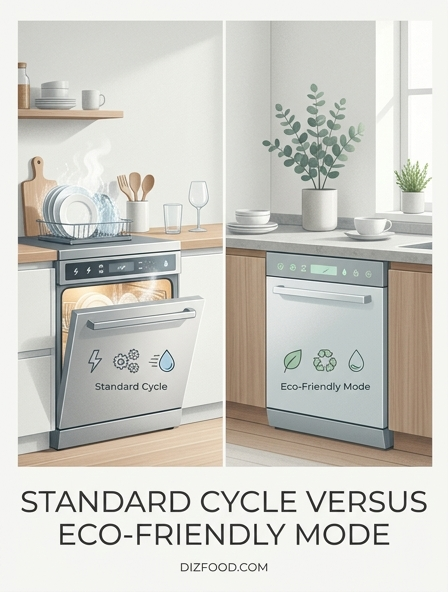
Maximizing the efficiency of a dishwasher involves more than just fitting as many items as possible; it requires strategic placement to ensure water and detergent reach every surface. Large items should be placed on the sides or back to avoid blocking the detergent dispenser or the rotation of the spray arms. Bowls and cups must be angled downward to prevent "pooling," where dirty water collects in the concave bottoms and leaves unsightly spots.
| Item Category | Recommended Location | Special Instruction |
|---|---|---|
| Glassware | Top Rack | Place between tines, not over them. |
| Plates | Bottom Rack | Face the center toward the spray arm. |
| Silverware | Cutlery Basket | Mix spoons and forks to prevent nesting. |
| Plastics | Top Rack | Keep away from the heating element. |
Overloading is a common mistake that leads to "shielding," where one item blocks the water from cleaning another. Ensuring there is adequate space between dishes allows for better heat circulation during the drying cycle, reducing the need for hand-drying afterward.
Safe Cleaning Agents for Every Material
Choosing the right cleaning agent is essential to prevent chemical damage to specialized kitchenware. While heavy-duty degreasers are effective for stainless steel, they can be ruinous for aluminum or copper. For most daily tasks, a pH-neutral dish soap is the safest option. However, for stubborn stains or mineral buildup, natural alternatives often provide the best results without the risk of pitting the metal or stripping seasoned surfaces.
Baking soda serves as an excellent mild abrasive for removing burnt-on food from stainless steel or enamel without scratching. Distilled white vinegar is highly effective at removing hard water spots from glassware and descaling coffee makers. For copper and brass, a paste made of salt, vinegar, and flour can restore luster by removing oxidation. Avoid using bleach on stainless steel, as it can cause permanent discoloration and compromise the protective chromium oxide layer. Always check the manufacturer's guidelines before applying a new cleaning agent to high-value items like specialty stone crocks or high-carbon steel knives to ensure the chemical composition will not cause irreversible etching or corrosion.
Managing Thermal Shock and Heat
Thermal shock occurs when a material undergoes a rapid temperature change, causing uneven expansion or contraction that leads to shattering or warping. This is a common cause of failure in glass, ceramic, and even some metal cookware. For instance, taking a glass baking dish directly from a hot oven and placing it on a cold marble countertop or into a sink of cool water can cause the material to explode. Always use a wooden trivet or a dry cloth towel as a buffer when setting down hot items.
Metal pans are also susceptible; plunging a searing hot stainless steel or aluminum pan into cold water can cause "warping," where the base of the pan becomes permanently bowed, preventing it from sitting flat on a burner. Allow cookware to cool to room temperature before washing. Similarly, when heating cookware, avoid using the "power boil" setting on empty pans, as the rapid temperature spike can damage internal structures or coatings. Gradual heating and cooling cycles are the keys to maintaining the structural integrity and longevity of all kitchen vessels, regardless of their material composition.
Regular Inspection and Deep Cleaning
Routine maintenance should include a periodic deep clean and a safety inspection of all kitchenware. Over time, grease can build up in hard-to-reach areas, such as the rivets of pan handles or the undersides of pot lids. A paste of baking soda and water, applied with an old toothbrush, can effectively remove these deposits. Additionally, check for loose handles; many pots and pans use screws that can loosen over time, posing a safety risk when lifting hot liquids. Tightening these with a screwdriver should be part of a monthly kitchen audit.
Inspect nonstick surfaces for deep scratches or flaking; if the coating is compromised, the pan should be replaced to avoid ingesting debris. For stainless steel, a specialized cleanser can be used occasionally to remove "rainbow" heat tints and restore the original mirror finish. Finally, examine the seals on storage containers and pressure cookers. Rubber gaskets can become brittle or moldy if not cleaned and dried properly. By dedicating time to these detailed inspections, you ensure that your kitchen tools remain safe, functional, and aesthetically pleasing for the long term.

Comments