
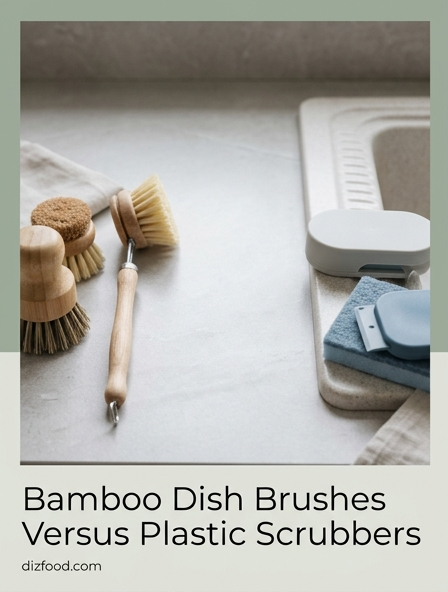
When it comes to sustainable kitchenware, natural sisal fibers offer a superior and eco-friendly scrubbing experience that easily outperforms synthetic alternatives. Harvested from the agave plant, these durable bristles provide the perfect balance of toughness for removing stubborn food residue and gentleness to protect your delicate non-stick pans from scratches. Beyond their impressive cleaning power, sisal fibers are completely biodegradable and compostable, helping you eliminate microplastics from your home and the water supply. Embracing this botanical solution ensures a high-performance clean that supports a healthy, zero-waste lifestyle. Learn more about making the switch by comparing Bamboo Dish Brushes Versus Plastic Scrubbers.
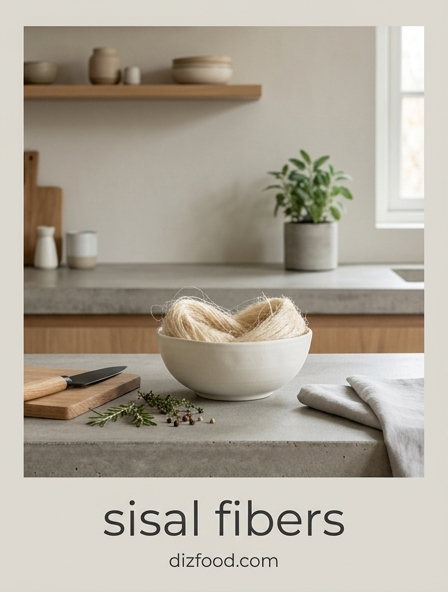
The Origin and Strength of Agave Sisalana
Sisal fibers are derived from the Agave sisalana, a hardy succulent plant primarily cultivated in arid regions of East Africa and Brazil. Historically utilized for industrial ropes and twine, this robust fiber has found a specialized home in the modern sustainable kitchen. The extraction process involves decortication, where the long, sword-shaped leaves are crushed to reveal resilient, creamy-white strands. These fibers are prized for their exceptional tensile strength and resistance to deterioration in moisture-heavy environments.
In the context of kitchenware, the physical properties of the Agave plant provide a distinct mechanical advantage. The fibers are naturally stiff and possess a high degree of friction, making them ideal for structural integrity in scrubbing tools. Unlike softer natural fibers, sisal maintains its shape and density even when saturated with water and dish soap.
- Botanical Source: Agave sisalana succulent leaves.
- Primary Regions: Tanzania, Kenya, and Brazil.
- Physical Traits: High tensile strength, coarse texture, and pale coloration.
- Kitchen Application: Base material for heavy-duty pot brushes and exfoliating dish cloths.
Superior Scouring Power Without Scratches
One of the most significant challenges in kitchen maintenance is removing stubborn, burnt-on food residues without compromising the finish of delicate cookware. Sisal fibers offer a unique middle ground between the soft texture of cellulose sponges and the harsh abrasiveness of steel wool. The inherent rigidity of the fiber provides the necessary mechanical force to lift grease and carbonized particles from cast iron or stainless steel surfaces with minimal effort.
Despite its toughness, sisal is surprisingly forgiving on various finishes. When properly hydrated, the fibers soften just enough to be used on ceramic glazes and certain non-stick pans without leaving micro-scratches that can harbor bacteria. This balance makes it an incredibly versatile tool for daily dishwashing tasks. Users find that the natural grip of the fiber allows for better pressure distribution, ensuring that every corner of a roasting pan or a deep pot is thoroughly cleaned while maintaining the longevity of the kitchenware itself.
Sisal Fibers versus Synthetic Microplastic Pollution
Traditional kitchen sponges are frequently manufactured from polyurethane and polyester, materials that shed microscopic plastic fragments during every wash cycle. These microplastics are too small to be captured by standard wastewater treatment systems, eventually migrating into aquatic ecosystems and the food chain. In contrast, sisal fibers represent a biological alternative that eliminates the release of synthetic polymers into the environment.
| Feature | Sisal Fiber Tools | Synthetic Plastic Sponges |
|---|---|---|
| Material Origin | Plant-based (Agave) | Petroleum-based polymers |
| Particle Shedding | Biodegradable organic matter | Non-degradable microplastics |
| Chemical Leaching | None | Dyes and antimicrobial agents |
| Environmental Impact | Carbon sequestering crop | High-emission manufacturing |
Switching to sisal tools ensures that the mechanical action of cleaning does not contribute to the global plastic crisis. As the fibers wear down over time, the resulting debris is simply organic plant matter that poses no threat to marine life or water quality.
Compostable Solutions for a Zero Waste Kitchen
The hallmark of a zero-waste kitchen is the ability to dispose of items in a way that nourishes the earth rather than filling a landfill. Sisal scrubbing tools are uniquely suited for this lifecycle because they are composed entirely of organic cellulose. When a sisal brush or cloth reaches the end of its functional life, it can be seamlessly integrated into a home composting system. Unlike "biodegradable" plastics that require industrial facilities, sisal breaks down naturally in backyard bins.
- Remove any non-compostable components like metal staples or plastic rings.
- Cut the sisal fibers or wooden handle into smaller pieces to accelerate decomposition.
- Place the pieces into a nitrogen-rich compost pile.
- Allow 3 to 6 months for the fibers to break down into nutrient-dense soil.
This closed-loop process ensures that the energy used to grow the Agave plant is returned to the soil. By choosing sisal, homeowners can significantly reduce their weekly trash output while contributing to a circular domestic economy that prioritizes regeneration over waste.
Natural Resistance to Bacteria and Mold
Synthetic sponges are notorious for their porous nature, which traps moisture and food particles, creating a breeding ground for pathogens like E. coli and Salmonella. Sisal fibers possess a different structural density that facilitates rapid drying. Because the fibers are naturally breathable and do not retain water as aggressively as foam, they are significantly less likely to develop the sour odor associated with bacterial growth and mold colonization.
- Fast Drying: Air circulates through the coarse fibers quickly.
- Low Porosity: Doesn't hold onto liquid organic waste as easily as synthetic foam.
- Structural Aeration: The open weave of sisal cloths prevents stagnant moisture.
- Odor Prevention: Reduced bacterial activity leads to a fresher smelling kitchen.
Maintaining a hygienic kitchen is easier when the cleaning tools themselves resist contamination. While regular rinsing and air-drying are still necessary, the inherent properties of sisal provide an extra layer of protection against the common pitfalls of kitchen sanitation.
Sustainable Sourcing of Sisal Scrubbing Tools
Sustainability begins long before a product reaches the kitchen sink; it starts with how the raw materials are cultivated. The Agave sisalana plant is an exceptionally low-impact crop. It thrives in poor soils with very little water, requiring no irrigation once established. Furthermore, it is naturally resistant to most pests, which largely eliminates the need for synthetic pesticides and fertilizers that can contaminate local groundwater supplies. This makes sisal one of the most eco-friendly fibers available on the global market.
Furthermore, the cultivation of sisal often supports rural economies in developing nations. Because the plant provides a steady yield for several years, it offers a reliable income for small-scale farmers. When consumers purchase sisal kitchen tools, they are often supporting agricultural practices that have a much lower carbon footprint than the heavy industrial processes required to create petroleum-based cleaning products. The renewability of the plant, combined with its minimal environmental demands, establishes it as a premier choice for the ethically-minded consumer.
Enhanced Durability for Heavy Duty Dishwashing
Durability is a critical factor in determining the environmental value of a product. A tool that must be replaced every week is inherently less sustainable than one that lasts for months. Sisal fibers are world-renowned for their physical resilience. In a kitchen setting, these fibers can withstand high temperatures, acidic vinegar cleaners, and harsh alkaline soaps without losing their structural integrity or becoming brittle.
| Performance Metric | Sisal Performance Level |
|---|---|
| Heat Resistance | Excellent (Safe for boiling water) |
| Abrasion Resistance | High (Retains stiffness over time) |
| Chemical Stability | High (Resistant to common dish soaps) |
| Lifespan | 3-5 months with proper care |
While plastic sponges often crumble or lose their scouring layer within a few uses, sisal maintains its "bite." The fibers are woven or bundled in a way that prevents shedding and fraying, ensuring that the brush remains effective for heavy-duty scrubbing tasks throughout its entire lifespan.
Eco Friendly Alternatives to Traditional Plastic Sponges
The transition toward an eco-friendly kitchen often starts with the most used items. Traditional yellow-and-green sponges are actually a mix of wood pulp and petroleum-based plastic mesh, which are glued together with adhesives that prevent them from ever being recycled. Sisal alternatives offer a direct, high-performance replacement that circumvents these environmental hazards. These tools come in various forms, from handheld scrubbers to long-handled bottle brushes and flat woven cloths.
Modern manufacturing has allowed sisal to be fashioned into ergonomic shapes that mimic the convenience of plastic counterparts. Users do not have to sacrifice functionality or comfort when making the switch. In many cases, the natural aesthetics of sisal, with its neutral tones and wooden handles, also provide a more visually appealing addition to the kitchen counter than bright, neon-colored synthetic sponges. By choosing these plant-based alternatives, households take a tangible step toward reducing their reliance on the petrochemical industry while maintaining high standards of cleanliness and hygiene.
The Lifecycle of a Fully Biodegradable Scrub Brush
Understanding the lifecycle of a sisal scrub brush highlights its superiority over mass-produced plastic options. The journey begins in the field, where the Agave plant captures carbon dioxide as it grows. Once harvested and processed, the fibers are typically attached to handles made from FSC-certified beechwood or bamboo using stainless steel or cotton twine. Every component is selected with the end-of-life stage in mind, ensuring that no permanent waste is created during its production or use.
- Growth: Agave plants mature over 3-5 years, sequestering carbon.
- Manufacturing: Mechanical extraction and assembly with renewable wood.
- Usage: Months of effective, microplastic-free kitchen cleaning.
- Decomposition: Return to the earth via composting, completing the cycle.
This holistic approach to product design ensures that the utility of the brush does not come at the expense of the planet. When the bristles finally wear down, the brush does not sit in a landfill for centuries; it vanishes within months, leaving behind nothing but organic compost to help grow the next generation of plants.
Transitioning to Sustainable Kitchen Cleaning Habits
Adopting sisal fiber tools is a foundational step in transitioning to a more sustainable lifestyle. To maximize the benefits of these natural materials, it is important to adjust cleaning habits to suit their unique properties. Unlike plastic, natural fibers benefit from being allowed to dry completely between uses. This simple maintenance task extends the life of the tool and ensures the highest level of hygiene. Placing a sisal brush on a slatted soap dish or hanging it by a string allows for maximum airflow.
- Always rinse thoroughly after use to remove food debris.
- Store in a dry, ventilated area rather than a damp sink bottom.
- Occasionally sanitize the fibers with a dip in a vinegar solution.
- Compost the head or cloth once it begins to significantly lose its fibers.
By making these small adjustments, the transition to sisal becomes effortless. The shift represents a conscious choice to prioritize the health of the household and the environment, proving that effective cleaning does not require synthetic chemicals or non-biodegradable materials.


Comments