
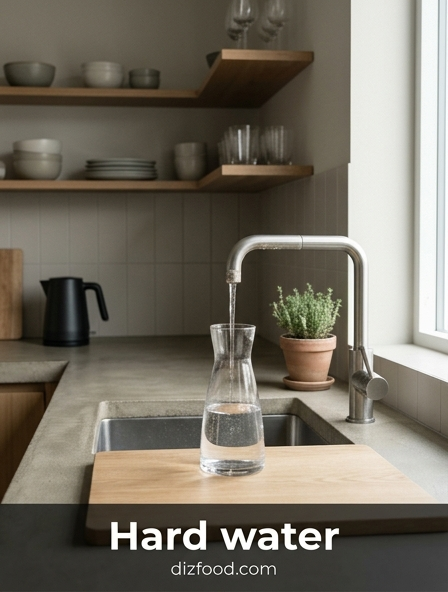
The Impact of Limescale on Kitchen Fixtures
Limescale, primarily composed of calcium carbonate, is a relentless adversary for kitchen fixtures. When hard water flows through faucets and sprayers, it leaves behind crusty, white deposits that gradually solidify. These mineral accumulations are not merely a cosmetic concern; they physically obstruct the intricate mechanisms of modern plumbing. Aerators, which are designed to mix air with water for a smooth flow, frequently become clogged, resulting in erratic spray patterns or significantly reduced water pressure. Over time, the buildup can migrate into the internal valves of a faucet, leading to persistent leaks or stiff handles that are difficult to operate.
- Reduced water flow through faucet aerators and pull-out sprayers.
- Hardened deposits that corrode the finish of chrome or brushed nickel.
- Internal valve damage leading to costly leaks and replacements.
- Obstruction of decorative finishes, making fixtures look aged and neglected.
The cumulative effect of limescale necessitates frequent maintenance. If left unaddressed, the calcium deposits can fuse with the metal or plastic components of the fixture, making it nearly impossible to disassemble for cleaning. This often forces homeowners to replace high-end kitchen hardware much sooner than expected, adding to the long-term maintenance costs of the household.
Why Glassware Loses Its Sparkle
There is a distinct frustration in pulling a glass from the dishwasher only to find it covered in a cloudy, milky film. This phenomenon is rarely due to poor cleaning and is almost always a result of hard water minerals. As water evaporates during the drying cycle, calcium and magnesium ions remain on the surface, creating visible streaks and spots. Over time, these minerals can undergo a chemical reaction with the glass itself, leading to a condition known as etching. Unlike simple mineral deposits, etching is a permanent scratching or pitting of the glass surface that cannot be washed away.
- Mineral Residue: Dissolved solids settle on the glass as water evaporates.
- Silicate Leaching: High heat and soft water (ironically) or hard water minerals can degrade glass quality.
- Mechanical Abrasion: Suspended mineral particles act like sand, scratching delicate surfaces.
To mitigate this, many homeowners rely on rinse agents or vinegar, but these are often temporary fixes for an underlying water quality issue. The persistent presence of hard water means that even the highest quality crystal will eventually lose its clarity, appearing dull and weathered regardless of how many times it is hand-polished or treated with specialized cleaning solutions.
Hard Water and Soap Scum Formation
In a kitchen environment, soap is used constantly for hand washing, dish cleaning, and surface maintenance. However, when hard water minerals-specifically calcium and magnesium-mix with liquid or bar soaps, a chemical reaction occurs. Instead of creating a rich, cleansing lather, the minerals bind with the fatty acids in the soap to create an insoluble curd known as soap scum. This sticky, greyish-white substance adheres to everything it touches, including sinks, countertops, and even the dishes themselves. It acts as a magnet for bacteria and food particles, turning a supposedly clean area into a breeding ground for grime.
Soap scum is notoriously difficult to remove because it does not dissolve in water. While standard detergents are designed to be rinsed away easily, soap scum requires acidic cleaners to break the chemical bond between the minerals and the soap. In the kitchen sink, this buildup creates a dull film that masks the shine of porcelain or stainless steel. Furthermore, the lack of lather means that users often use significantly more soap than necessary, attempting to achieve the cleaning power that is being neutralized by the hard water. This leads to a cycle of waste and increased chemical usage in the kitchen.
Reduced Efficiency of Dishwashing Detergents
The chemical composition of hard water directly interferes with the performance of dishwashing detergents. Most modern cleaning agents contain surfactants that are designed to lift grease and food particles away from surfaces. When these surfactants encounter high concentrations of dissolved minerals, they become occupied by the calcium and magnesium ions rather than focusing on the grime on the dishes. This neutralization means that the detergent's cleaning power is significantly handicapped from the moment it enters the wash cycle.
| Water Hardness | Detergent Effectiveness | Recommended Action |
|---|---|---|
| Soft (0-3 GPG) | 100% Efficiency | Use standard amounts. |
| Moderate (3-7 GPG) | 70-80% Efficiency | Increase detergent by 25%. |
| Hard (7-10+ GPG) | Below 50% Efficiency | Use heavy-duty boosters. |
Because the water effectively "fights" the soap, users often find that food residue remains on plates even after a heavy cycle. This lack of efficiency forces the dishwasher to work harder and longer, often requiring pre-rinsing by hand. This not only wastes time but also significantly increases water and energy consumption, as the mechanical action of the machine cannot compensate for the chemical failure caused by mineral interference.
Mineral Deposits in High-Tech Dishwashers
Modern high-tech dishwashers are designed with precision components to maximize water efficiency and cleaning power. Unfortunately, these same components are highly susceptible to damage from hard water. Internal sensors that detect water clarity can become clouded with mineral film, leading to inaccurate cycle adjustments. The tiny holes in the rotating spray arms are easily blocked by calcified deposits, which prevents water from reaching all corners of the machine. This leads to "dead zones" where dishes remain dirty despite a full wash cycle.
- Clogged spray arm nozzles causing uneven water distribution.
- Mineral buildup on water level sensors leading to overflows or dry runs.
- Pump seal degradation caused by abrasive mineral particles.
- Calcification of internal hoses, which can lead to restricted drainage and odors.
The sophisticated nature of these appliances means that repairs are often expensive. When a pump or motor fails due to the abrasive nature of calcium deposits, the cost of labor and specialized parts can approach the price of a new unit. Regular descaling becomes a mandatory chore to protect the investment, yet even with maintenance, the lifespan of a dishwasher in a hard water environment is significantly shorter than in areas with soft water.
The Struggle with Stainless Steel Water Spots
Stainless steel is a staple in the modern kitchen, prized for its sleek look and durability. However, it is perhaps the most unforgiving surface when it comes to hard water. Every time water splashes from the sink onto the backsplash or the dishwasher door, it leaves behind "water spots." These are not merely dirt; they are the crystalline remains of minerals left behind after the liquid evaporates. On a reflective surface like stainless steel, these white rings and streaks are highly visible and give the kitchen a perpetually messy appearance regardless of how recently it was cleaned.
The struggle goes beyond aesthetics. If water spots are allowed to remain on stainless steel for extended periods, the concentrated minerals can cause localized corrosion or "pitting." This happens because the deposits can trap moisture and chemicals against the metal, breaking down the protective chromium oxide layer that makes the steel "stainless." Removing these spots often requires specialized stainless steel cleaners or acidic solutions like vinegar, but if the minerals have already caused pitting, the damage is permanent. The constant need for buffing and polishing to maintain a spot-free shine adds a significant layer of labor to daily kitchen maintenance routines.
How Mineral Buildup Damages Kitchen Pipes
While the visible effects of hard water on faucets are annoying, the damage occurring inside the kitchen's plumbing system is far more serious. Over years of use, calcium and magnesium deposits accumulate on the inner walls of pipes in a process known as scale buildup. This scale narrows the effective diameter of the pipe, much like cholesterol constricts an artery. In the kitchen, this manifests as a gradual loss of water pressure, making it take longer to fill a pot or rinse the sink. The problem is particularly acute in hot water lines, as heat accelerates the precipitation of minerals.
- Restricted flow rates due to internal pipe diameter reduction.
- Increased pressure on pipe joints, leading to unexpected pinhole leaks.
- Corrosion of copper and galvanized steel pipes underneath the scale.
- Inefficient drainage as scale traps food waste and grease in the drain lines.
Replacing the plumbing hidden behind kitchen cabinets and walls is a massive undertaking. By the time the symptoms of clogged pipes become obvious-such as a whistling sound in the walls or a total loss of pressure-the damage is often widespread. This "silent" destruction is one of the most expensive aspects of living with hard water, as it eventually necessitates a full repiping of the kitchen area.
Increased Physical Effort in Scrubbing Surfaces
Maintaining a clean kitchen in a hard water area requires significantly more physical exertion than in soft water regions. Because mineral deposits bond chemically to surfaces, they cannot be simply wiped away with a damp cloth. Instead, homeowners find themselves engaging in vigorous scrubbing to break the bond of limescale and soap scum. This repetitive motion can lead to physical strain over time, particularly for those with joint issues or limited mobility. Surfaces like tiled backsplashes, granite countertops, and porcelain sinks become rough to the touch as the minerals create a microscopic texture that grips onto dirt.
This added texture means that every cleaning session takes twice as long. A task that should be a quick wipe-down becomes a multi-step process involving soaking the area in acidic cleaners, scrubbing with abrasive pads, and then drying the surface immediately to prevent new spots from forming. The abrasive pads used to remove the stubborn scale can also inadvertently scratch the very surfaces being cleaned, leading to a permanent loss of gloss on countertops and sinks. The mental and physical fatigue associated with this constant battle makes kitchen upkeep feel like an uphill struggle against the water itself.
The Hidden Costs of Hard Water Cleaning
The financial impact of hard water is often underestimated because it is spread across various small purchases. Over a year, the "hard water tax" adds up through the increased consumption of cleaning supplies and the need for specialized chemical treatments. When water is hard, more product is required to achieve the same results as soft water, leading to a faster depletion of household inventory. This includes not just dish soap, but also all-purpose cleaners, descaling agents, and even the water itself as extra rinsing is required to remove residue.
| Expense Category | Hard Water Impact | Estimated Annual Increase |
|---|---|---|
| Detergents | Higher dosage required | $50 - $150 |
| Cleaning Chemicals | Need for descalers/acids | $40 - $100 |
| Appliance Longevity | Early failure/repairs | $200 - $500 |
| Energy Bills | Lower heating efficiency | $30 - $80 |
Beyond the cost of chemicals, the hidden expense of hard water is found in the premature replacement of small kitchen appliances. Coffee makers, kettles, and steamers often fail within two years in hard water environments, whereas they might last five or more in soft water areas. These "hidden" costs represent a significant drain on the household budget that many people accept as a normal part of home ownership, unaware that water quality is the primary culprit.
Long-Term Damage to Appliance Heating Elements
Heating elements are the most vulnerable components in kitchen appliances like electric kettles, coffee machines, and dishwashers. In hard water, as the temperature of the water rises, the solubility of minerals decreases, causing them to precipitate directly onto the hottest surface: the heating element itself. This creates a thick layer of insulation around the element. Because the heat cannot easily transfer from the metal into the water, the element must run hotter and for longer periods to reach the desired temperature. This thermal stress eventually causes the metal to crack or the internal coil to burn out.
- Efficiency Loss: The appliance takes significantly longer to boil or heat water.
- Overheating: The heating element exceeds its design temperature, leading to internal failure.
- Energy Waste: More electricity is consumed to overcome the insulating mineral layer.
- Flavor Contamination: Flaking scale can fall into coffee or tea, affecting the taste and texture.
Once a heating element is encased in "rock," the damage is often irreversible. Even if the scale is eventually removed with a strong acid, the metal may have already been weakened by the constant overheating and cooling cycles. For built-in appliances like dishwashers, a failed heating element can be a complex and expensive repair, often signaling the end of the machine's useful life.

Comments