

Defining the Kitchen Golden Triangle
The kitchen golden triangle is a cornerstone of interior design, established in the 1940s to maximize the efficiency of residential cooking spaces. This concept focuses on the three primary work centers: the sink, the refrigerator, and the stovetop. By arranging these three elements in a triangular layout, designers ensure that the most frequent tasks-preparing food, cooking, and cleaning-are performed with minimal obstruction and wasted movement. The effectiveness of this layout relies on specific distance requirements between the points of the triangle to maintain a balance between accessibility and comfort.
- Each leg of the triangle should measure between four and nine feet.
- The total sum of all three legs should range from 12 to 26 feet.
- No major traffic paths should cross through the defined triangle.
- Obstacles, such as islands or floor cabinets, should not intersect the legs by more than 12 inches.
When these guidelines are followed, the kitchen becomes an intuitive environment where the user can transition effortlessly from retrieving ingredients to washing produce and eventually to the heat source, reducing physical strain and improving total meal preparation time.
Compact Dishwasher Integration Strategies
In modern urban kitchens, the traditional golden triangle must often adapt to limited square footage. Integrating compact dishwashers is a primary strategy for maintaining this efficiency without sacrificing floor space. A standard dishwasher requires 24 inches of width, whereas compact models, often referred to as slimline units, require only 18 inches. Choosing the correct placement for these units relative to the sink is vital for maintaining the cleanup zone's integrity within the triangle.
| Feature | Standard Model | Compact Model |
|---|---|---|
| Width | 24 Inches | 18 Inches |
| Place Settings | 12-16 | 8-10 |
| Ideal Layout | Large L-Shape | Galley or Studio |
To optimize flow, the compact dishwasher should be installed directly adjacent to the sink. This allows for a singular plumbing connection and ensures that the "wet" point of the triangle remains consolidated. By reducing the appliance footprint, designers can reclaim cabinet space for storage while keeping the cleanup process streamlined and close to the primary water source.
Optimizing the Cleanup Zone Workflow
The cleanup zone, centered around the sink and dishwasher, is perhaps the most active point of the golden triangle. To optimize this area, one must consider the logical progression of cleaning tasks. An efficient workflow typically follows a linear path: scraping waste, rinsing dishes, and loading the dishwasher. If the dishwasher is placed on the side of the sink corresponding to the user's dominant hand, the physical effort required for repetitive motions is significantly reduced.
- Scraping: Position the organic waste bin or disposal unit within reach of the sink.
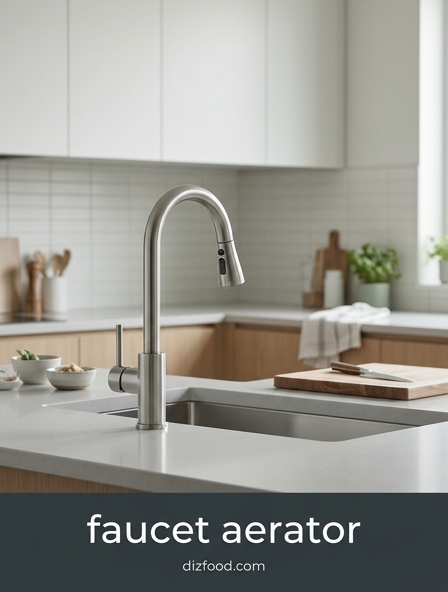
- Rinsing: Use a high-arc faucet to manage larger pots and pans effectively.
- Loading: Ensure the dishwasher door does not block the walkway when fully extended.
- Drying: Allocate a small section of countertop for air-drying delicate items.
By treating the cleanup zone as a micro-station within the larger triangle, the kitchen remains organized even during heavy use. Strategic placement of cleaning supplies beneath the sink further enhances this workflow, keeping necessary tools at hand while maintaining a clutter-free environment that supports the overall design aesthetic.
Space Saving Solutions for Small Layouts
Small kitchen layouts, such as single-wall or narrow galley designs, require creative applications of the golden triangle principles. In these scenarios, the "triangle" often flattens into a line, making the proximity of appliances even more critical. To save space, designers often turn to multifunctional fixtures and integrated appliances that blend into the cabinetry. Utilizing vertical space is another essential tactic, moving storage upward to free up the primary work surfaces between the three core points.
- Install over-the-sink cutting boards to expand the prep area.
- Use wall-mounted magnetic strips for knife storage to save drawer space.
- Select "panel-ready" compact dishwashers to maintain a continuous visual line.
- Incorporate pull-out pantry towers near the refrigerator for ingredient access.
Effective small-scale design hinges on the idea that every inch must serve a purpose. By choosing slimline appliances and minimizing the distance between the sink and the stove, the user can manage the entire cooking process from a single pivot point. This maximizes utility without making the kitchen feel cramped or overcrowded during peak meal times.
Streamlining the Prep and Wash Cycle
Preparation and washing are inextricably linked in the culinary process. Within the golden triangle, the space between the refrigerator and the sink serves as the primary "prep zone." This is where ingredients are staged, cleaned, and chopped before moving to the heat source. Streamlining this cycle requires a clear countertop surface and immediate access to water and waste disposal. When the dishwasher is integrated into this zone, it also allows for "cleaning as you go," which prevents post-cooking clutter.
- Retrieve ingredients from the refrigerator and place them on the counter.
- Wash produce in the sink, utilizing colanders or integrated basins.
- Prep items on a dedicated surface located between the sink and stove.
- Discard scraps immediately into a bin or disposal to keep the area clear.
This sequential movement minimizes the distance traveled and reduces the risk of spills. If the sink is positioned centrally between the fridge and the range, it acts as a transition point that facilitates both the start of the meal and the eventual cleanup, ensuring the triangle remains highly functional throughout the entire cooking session.
Ergonomic Placement for Seamless Flow
Ergonomics in the kitchen is about more than just distance; it is about the height, reach, and physical comfort of the user within the golden triangle. Poorly placed appliances can lead to back strain or unnecessary reaching. For instance, the height of the dishwasher and its proximity to storage for clean dishes can dictate how taxing the cleanup process feels. Raising a dishwasher slightly off the floor can eliminate the need for deep bending, which is a major ergonomic improvement in modern kitchen design.
| Work Station | Ergonomic Goal | Design Solution |
|---|---|---|
| Sink | Back comfort | Appropriate basin depth |
| Dishwasher | Minimal bending | Raised installation |
| Storage | Easy reach | Pull-out shelving |
Furthermore, ensuring that the dishwasher is placed away from the corner of an L-shaped kitchen prevents "trapping" the user between the appliance door and the adjacent cabinets. This careful consideration of clearances ensures that the flow between the sink and the storage areas remains seamless and physically sustainable for all users.
Enhancing Efficiency with Slimline Models
Slimline dishwashers are specifically engineered for high-efficiency performance in smaller footprints. While they are narrower than standard units, they often feature advanced racking systems that maximize internal volume. These models are particularly beneficial when trying to maintain the golden triangle in apartments or secondary suites. By reducing the width of the cleaning appliance, designers can allocate more space to the prep area or the refrigerator, which are often the bottlenecks in small kitchen workflows.
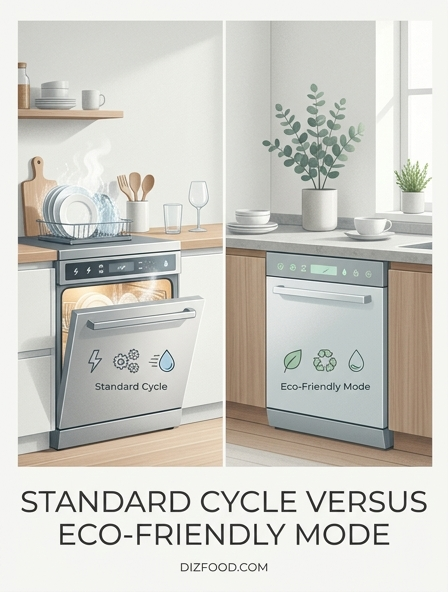
- Consumes less water and energy per cycle compared to older, full-sized units.
- Allows for more flexible cabinetry configurations near the sink.
- Ideal for households of one or two people who wash dishes frequently.
- Fits easily into 18-inch gaps, preserving precious counter length.
The efficiency of a slimline model extends beyond its utility consumption; it also influences the speed of the kitchen cycle. Because they fill up faster, users tend to run them more often, which keeps the sink clear of dirty dishes and maintains the aesthetic and functional cleanliness of the triangle's most visible point.
Balancing Storage and Dishwashing Capacity
A common challenge in kitchen design is the trade-off between appliance capacity and cabinet storage. Every inch dedicated to a large dishwasher is an inch taken away from pot drawers or pantry space. Within the golden triangle, storage should be located where it is most needed: spices near the stove, dishes near the dishwasher, and cleaning supplies near the sink. Balancing these needs requires a critical look at how much dishwashing capacity the household truly requires.
| Kitchen Size | Recommended Capacity | Storage Priority |
|---|---|---|
| Under 100 sq ft | Slimline (18") | Maximized cabinetry |
| 100-200 sq ft | Standard (24") | Balanced drawers |
| Over 200 sq ft | Dual Units | Specialized zones |
By opting for a compact dishwasher, a designer can often insert a narrow pull-out spice rack or a dedicated knife drawer that would otherwise be impossible. This balance ensures that while the cleanup tools are smaller, the overall organization of the triangle is improved, leading to a more pleasant and less cluttered cooking experience.
The Impact of Compact Appliances on Design
The rise of compact appliances has shifted the aesthetic possibilities of the modern kitchen. No longer are small kitchens forced to look cluttered or utilitarian; instead, they can embrace a minimalist, "hidden" look. Compact dishwashers, especially those with panel-ready fronts, disappear into the cabinetry, allowing the golden triangle to feel more like a living space than a work zone. This design shift emphasizes the continuity of materials and the flow of lines across the kitchen's primary walls.
- Promotes a seamless visual transition between the sink and storage.
- Encourages the use of high-end materials on smaller surface areas.
- Supports the "open concept" trend by reducing appliance bulk.
- Allows for islands to be smaller while still housing essential tools.
When the visual weight of appliances is reduced, the focus shifts to the architecture of the space. This allows for more creative lighting and backsplash choices that define the work centers. Ultimately, compact models prove that functionality and high-end design can coexist, even when working within the strict geometric requirements of an efficient work triangle.
Maintaining Connectivity Between Work Centers
The final aspect of a successful golden triangle is the connectivity between the work centers. Connectivity is not just about physical distance but also about the visibility and ease of transition between tasks. A well-designed kitchen ensures that the user can move from the sink to the stove without turning their back on the room or navigating around difficult corners. This is particularly important in multi-user kitchens where the path between the refrigerator and the sink must remain clear of the secondary cook's movements.
- Keep the path between the three points free of rugs or floor transitions.
- Ensure adequate task lighting at each point of the triangle.
- Position the dishwasher so its open door doesn't block the path to the stove.
- Align counters to provide a continuous surface for sliding heavy pots.
By maintaining this connectivity, the kitchen functions as a single cohesive unit rather than three isolated stations. This synergy is the ultimate goal of the golden triangle, ensuring that the process of cooking remains an enjoyable, efficient, and safe activity for everyone in the home, regardless of the kitchen's overall size or layout.




Comments