
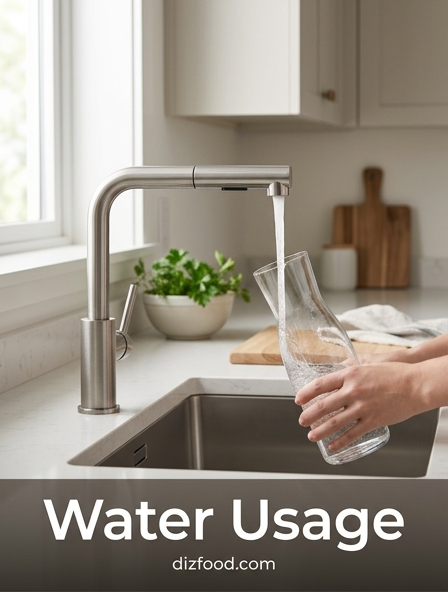
Water Efficiency Hand vs Machine
The debate between hand washing dishes and using a dishwasher is often settled by modern engineering. Contemporary Energy Star-certified dishwashers are designed to circulate a small amount of water extremely efficiently, often using as little as 3 to 5 gallons per cycle. In contrast, a running kitchen faucet can flow at a rate of 2.2 gallons per minute, meaning a mere two minutes of active rinsing can exceed the total water consumption of a full machine cycle.
| Method | Average Water Use | Efficiency Level |
|---|---|---|
| Modern Dishwasher | 3-5 Gallons | High |
| Hand Washing (Tap Running) | 20-27 Gallons | Low |
| Hand Washing (Two-Basin) | 8-12 Gallons | Moderate |
While the two-basin method-where one side is for soapy water and the other for rinsing-improves manual efficiency, it still rarely competes with the thermal and hydraulic precision of a machine. Dishwashers also maintain higher temperatures, which sanitizes dishes more effectively than human hands can tolerate.
Maximizing Dishwasher Loads
Operating a dishwasher only when it is fully loaded is one of the simplest ways to conserve water in the kitchen. Running a half-empty machine wastes the same amount of water and energy as a full load, effectively doubling your consumption per dish. Proper loading technique is essential to ensure that every item is cleaned in a single pass, preventing the need for re-washing.
- Place large platters and trays along the outer edges to avoid blocking the spray arms.
- Angle bowls and cups downward so water can drain freely and prevent pooling.
- Avoid nesting spoons and forks together; mix different types of cutlery in the basket.
- Ensure that tall items on the bottom rack do not obstruct the rotation of the middle sprayer.
By treating the dishwasher like a puzzle, you maximize the utility of every gallon used. Modern appliances are equipped with sensors that detect soil levels, but these systems work best when the water can circulate freely. Overcrowding can lead to "shielding," where one dish blocks another from the cleaning jets, ultimately leading to wasted water through necessary second cycles.
Eco Friendly Detergent Impact
The choice of detergent has a profound impact on the environmental footprint of your kitchen water usage. Traditional detergents often contain phosphates, which can lead to eutrophication in local waterways, causing harmful algal blooms that deplete oxygen and kill aquatic life. Transitioning to eco-friendly, biodegradable formulas ensures that the greywater leaving your home is less toxic to the ecosystem.
Beyond chemical composition, many plant-based detergents are designed to rinse away more cleanly than synthetic alternatives. High-sudsing conventional soaps often require more water to fully remove residues from glassware and ceramic. Furthermore, many concentrated eco-strips or powders reduce plastic waste and carbon emissions associated with shipping heavy liquid bottles. When using a dishwasher, look for "enzyme-based" eco-detergents; these utilize natural proteins to break down food particles, allowing the machine to work effectively even on shorter, water-saving cycles. By aligning your cleaning agents with water-saving habits, you protect both the volume and the quality of the water supply.
Low Flow Faucet Aerators
The kitchen faucet is the primary point of water delivery, and its flow rate determines the baseline of your daily consumption. Installing a low-flow aerator is a cost-effective modification that can reduce water flow by up to 50% without a perceived loss in pressure. These small devices work by mixing air into the water stream, creating a steady, bubbly flow that is ideal for rinsing food and washing hands.
- Unscrew the existing nozzle from the tip of your kitchen faucet.
- Identify the current flow rate, usually stamped on the side (e.g., 2.2 GPM).
- Replace it with a high-efficiency aerator rated at 1.5 or 1.0 GPM.
- Tighten the new aerator by hand to ensure a leak-free seal.
This simple switch is particularly effective for those who tend to leave the water running while prepping vegetables or scrubbing pots. Because the aerator increases the velocity of the water as it exits the tap, the "wetting" capability remains high, ensuring that you do not spend more time rinsing to compensate for the lower volume.
The Myth of Pre Rinsing
Many homeowners believe that dishes must be rinsed clean before being placed in the dishwasher, but this practice is largely a relic of older technology. Modern dishwashers are equipped with turbidity sensors that measure how dirty the water is during the initial rinse. If you pre-rinse your dishes until they are nearly clean, the sensors may conclude that a heavy wash is unnecessary, leading to a less effective cycle. Furthermore, most modern detergents contain enzymes that are specifically designed to latch onto food particles.
Without food debris to break down, these enzymes can actually become less effective, and in some cases, the abrasive nature of the detergent can etch glassware. Instead of rinsing, simply scrape solid food scraps into the compost or trash. This shift in habit can save upwards of 15 gallons of water per load. By trusting the technology of the appliance, you not only conserve a significant amount of water but also save time and reduce the energy costs associated with heating the water used for pre-rinsing.
Smart Water Monitoring Systems
In the digital age, managing kitchen water usage has moved beyond manual observation to real-time data tracking. Smart water monitors are devices installed on the main water line or under the sink that track flow rates and detect anomalies. These systems use machine learning to identify the "signature" of different water-using activities, allowing you to see exactly how much water is used by the kitchen faucet versus the dishwasher.
- Receive instant smartphone alerts if a leak is detected behind cabinets.
- Track daily, weekly, and monthly consumption trends to set reduction goals.
- Identify "silent leaks," such as a dripping faucet that can waste hundreds of gallons.
- Shut off the water supply remotely in the event of a pipe failure.
By visualizing usage patterns, households can make informed decisions about their habits. For instance, seeing the high cost of a 10-minute rinse session can provide the necessary motivation to adopt more efficient techniques. These systems turn an invisible resource into a manageable metric, fostering a culture of accountability and conservation.
Reducing Hot Water Waste
Water conservation is intrinsically linked to energy conservation. In many kitchens, significant amounts of water are wasted simply waiting for the tap to turn hot. This "dead water" sitting in the pipes cools down between uses, and most people let it run down the drain while waiting for the desired temperature. Reducing this waste requires a combination of behavioral changes and structural improvements.
| Solution | Implementation | Impact |
|---|---|---|
| Pipe Insulation | Wrap foam sleeves around hot water lines. | Reduces heat loss during transit. |
| Point-of-Use Heater | Install a small electric tank under the sink. | Provides instant hot water. |
| Recirculation Pump | Add a pump to cycle cold water back to the heater. | Eliminates waiting time at the tap. |
On a behavioral level, you can catch the initial cold water in a pitcher to use for watering plants or filling the kettle. Understanding the "energy-water nexus" helps in realizing that every gallon of hot water wasted also represents a loss of the electricity or gas used to heat it.
Gray Water Recycling Tips
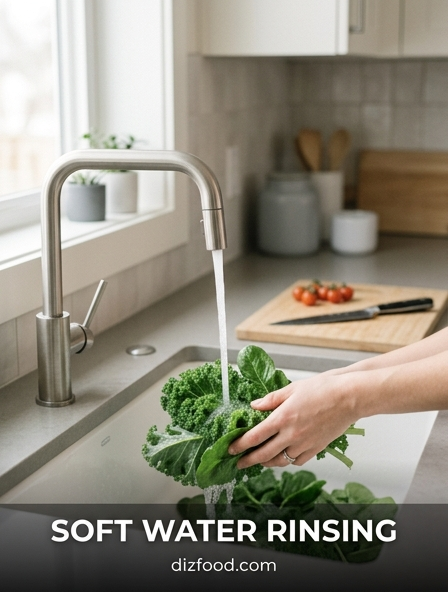
Not all water that goes down the kitchen drain is truly "waste." Kitchen gray water-water that has been used for tasks like washing produce or boiling pasta-can often be repurposed for other household needs. While water from a dishwasher or greasy pot should go to the sewer for treatment, cleaner "light" gray water is a valuable resource for indoor and outdoor plants.
- Place a basin in the sink while washing vegetables to catch the runoff.
- Save unsalted pasta water and let it cool completely before using it as a nutrient-rich fertilizer.
- Collect the water used for steaming vegetables to hydrate garden beds.
- Use the "waiting for hot" water mentioned previously to fill the pet's bowl or a mop bucket.
Implementing these recycling tips requires a small shift in kitchen workflow but results in a significant reduction in total freshwater demand. By creating a secondary life for water, you move toward a circular consumption model, ensuring that every drop performs at least two functions before leaving your home.
Sustainable Scrubbing Tools
The tools we use to clean can influence how much water we consume. Traditional synthetic sponges are made from plastics and often harbor bacteria, leading users to rinse them excessively with hot water to keep them "fresh." Switching to sustainable scrubbing tools can improve hygiene and change the way water is applied during cleaning. Natural fibers like bamboo, sisal, and coconut husk are naturally antimicrobial and often require less water to create a rich lather.
- Cast iron chainmail scrubbers clean without soaking or heavy water flow.
- Wooden dish brushes with replaceable heads allow for targeted scrubbing with minimal moisture.
- Loofah sponges dry faster than synthetic foam, reducing the need for constant rinsing.
- Copper cloths provide abrasive power that removes stuck-on food without long soaking periods.
High-quality, sustainable tools are often designed for durability and efficiency. For example, a stiff-bristled brush can remove debris with a quick flick, whereas a soft sponge might require several minutes under a running tap to achieve the same result. Choosing the right tool for the task ensures that mechanical action replaces excessive water volume.
Tracking Your Water Footprint
Understanding your kitchen's water footprint is the final step in a comprehensive conservation strategy. A water footprint includes both direct usage-what comes out of the tap-and indirect usage, which accounts for the water required to produce the food you consume. For instance, meat and dairy products generally have a much higher water footprint than grains and vegetables. By tracking these metrics, you can identify which areas of your kitchen lifestyle have the greatest environmental impact.
Start by auditing your monthly water bill to establish a baseline. Look for seasonal spikes that might indicate inefficiencies or leaks. On a micro-level, try a "bucket test" for one day: catch all the water you would normally let run down the kitchen drain and measure the volume at the end of the evening. Most people are shocked to find they "waste" several gallons just through habit. Combining mindfulness about food choices with rigorous hardware efficiency creates a holistic approach to sustainability. Every liter saved contributes to a more resilient local water supply and a smaller overall ecological footprint.




Comments