
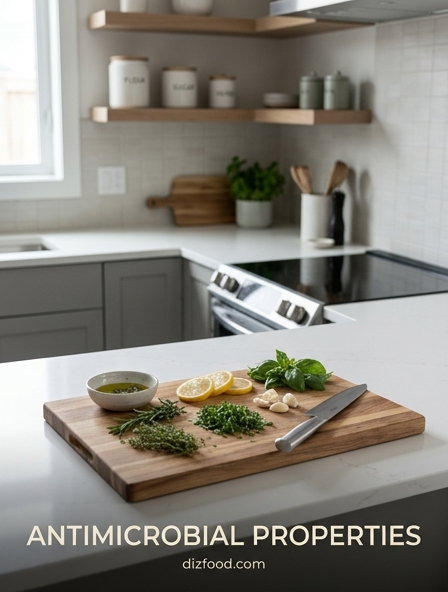
Understanding Bamboo Natural Antimicrobial Power
Bamboo is uniquely suited for kitchen environments due to its inherent biological defenses. Unlike most timber, bamboo contains a naturally occurring bio-agent known as "Bamboo Kun." This substance is tightly bound within the plant's molecular structure, providing a permanent layer of protection that resists the growth of bacteria and fungi. In a kitchen setting, where moisture and food particles are prevalent, this property is invaluable for maintaining a sanitary workspace.
- Inherent resistance to pests and pathogens during growth.
- Maintains antimicrobial properties even after intensive processing into utensils.
- Does not require heavy chemical treatments to resist rot.
- Naturally hypoallergenic, making it safe for food-contact surfaces.
Beyond its chemical makeup, the physical density of bamboo fibers prevents deep penetration of liquid contaminants. While softwoods might absorb meat juices or vegetable starches, bamboo's tight grain acts as a barrier. This ensures that microbes remain on the surface where they can be easily washed away, rather than festering within the material. Consequently, bamboo tools offer a level of biological safety that traditional wooden or porous plastic alternatives often struggle to match over long-term use.
Hygiene Benefits of Bamboo vs Plastic Brushes
When comparing kitchen scrubbing tools, the material choice significantly impacts long-term hygiene. Plastic brushes are prone to developing microscopic scratches and gouges during use. These tiny crevices become breeding grounds for bacteria like E. coli and Salmonella, which are difficult to remove even with high-temperature dishwashing. Bamboo, conversely, maintains a smoother structural integrity that resists the formation of deep bacterial pockets.
| Feature | Bamboo Brushes | Plastic Brushes |
|---|---|---|
| Surface Durability | Resists micro-scarring | Easily scratched |
| Bacterial Growth | Naturally inhibited | Thrives in scratches |
| Chemical Leaching | None (Natural) | Potential BPA/Phthalates |
| Heat Resistance | High stability | Can melt or warp |
Furthermore, plastic is a petroleum-based product that can harbor odors and stains more aggressively than bamboo. Because bamboo is breathable yet dense, it dries faster than the sponge-like heads often attached to plastic handles. This rapid drying cycle is critical in a kitchen, as most harmful pathogens require sustained moisture to proliferate and form dangerous biofilms on cleaning equipment.
Reducing Kitchen Bacteria with Sustainable Bamboo
Integrating bamboo into the kitchen workflow is an effective strategy for reducing the overall microbial load. The kitchen is often the most germ-laden room in a home, frequently harboring more bacteria than a bathroom. By utilizing bamboo cutting boards, brushes, and spatulas, homeowners leverage a material that actively works against cross-contamination. This is particularly important when handling raw proteins and fresh produce simultaneously.
- Reduces the survival rate of bacteria transferred from raw foods.
- Provides a self-sanitizing surface that complements regular washing.
- Lowers the risk of cross-contamination between different food groups.
- Decreases the reliance on harsh chemical disinfectants for tool maintenance.
The sustainability aspect of bamboo also contributes to hygiene by encouraging more frequent replacement cycles. Since bamboo is biodegradable and cost-effective, users are less likely to hold onto a worn-out, contaminated tool for too long. Unlike plastic items that persist in landfills for centuries, bamboo can be composted once it shows signs of wear, ensuring that the kitchen environment is constantly refreshed with new, clean, and effective antimicrobial tools.
Why Bamboo Brushes Improve Dishwashing Safety
Dishwashing safety involves more than just removing visible grease; it requires the elimination of invisible pathogens. Bamboo brushes improve this process through mechanical efficiency and chemical safety. The stiff fibers of a bamboo brush, often made from union fiber or sisal, provide excellent scrubbing power without damaging the seasoning on cast iron or the coating on non-stick pans. This prevents the release of toxic particles into food.
- Ergonomic handles allow for better pressure, ensuring stuck-on food is fully removed.
- Natural bristles do not melt or release microplastics into the water stream.
- The antimicrobial handle prevents the user's hand from transferring bacteria to the bristles.
- High heat tolerance allows for use in boiling water for sterilization.
Moreover, bamboo brushes do not leach synthetic chemicals when exposed to hot water and soap. Many plastic alternatives contain bisphenols or phthalates that can migrate onto dishes during the scrubbing process. By choosing bamboo, you ensure that the tools used to clean your plates are as pure as the food you serve on them. This holistic approach to safety protects both the integrity of the cookware and the health of the household.
The Science Behind Bamboo Kun Resistance
The secret to bamboo's antimicrobial success lies in a specific phytochemical known as "Bamboo Kun." This natural substance is an antimicrobial bio-agent that protects the plant from pathogens in the wild, and it remains active even after the bamboo has been harvested and manufactured into kitchenware. Scientific studies have shown that bacteria placed on bamboo fabric or wood exhibit a significantly lower survival rate compared to those on cotton or other wood species.
- Lignin-rich cell walls provide a physical barrier against microbial entry.
- Bamboo Kun functions as a natural pesticide and antibacterial agent.
- The material maintains its efficacy through hundreds of wash cycles.
- It inhibits the metabolic processes of common household fungi.
This resistance is not a coating that can be washed off; it is part of the cellular makeup of the plant. Unlike treated plastics that may use silver ions or triclosan-chemicals that can wear off or contribute to antibiotic resistance-bamboo provides a mechanical and biological defense that is entirely natural. This makes it an ideal material for items that are frequently wet and exposed to food particles, such as dish brushes and vegetable scrubbers.
Preventing Mold Growth in Scrubbing Tools
Mold and mildew are common challenges for kitchen tools that remain damp between uses. Traditional sponges and plastic-backed brushes often trap water in enclosed spaces, creating an anaerobic environment perfect for mold spores to flourish. Bamboo's porous structure, ironically, is its greatest defense against mold because it allows for superior air circulation and faster evaporation of moisture compared to synthetic materials.
- Natural breathability facilitates rapid air-drying after use.
- The alkaline nature of bamboo fibers can inhibit fungal spore germination.
- Low moisture retention prevents the "sour" smell associated with bacteria.
- Minimal glue and adhesive use in bamboo brushes prevents moisture traps.
To maximize this mold-preventative property, bamboo tools should be stored in a way that allows air to flow around them. Because bamboo is a grass and not a traditional hardwood, its vascular bundles are designed to transport and then shed moisture efficiently. This evolutionary trait ensures that even in humid kitchen environments, bamboo brushes remain resilient against the black spots and fuzzy growths that often ruin synthetic cleaning tools within weeks of purchase.
Sustainable Scrubbing for a Germ Free Kitchen
Achieving a germ-free kitchen does not require a heavy environmental footprint. Sustainable scrubbing relies on the principle that the tools we use to clean should not pollute the earth. Bamboo is the fastest-growing grass on the planet, requiring no pesticides and very little water to thrive. When utilized in the kitchen, it provides a high-performance cleaning experience while aligning with zero-waste goals and reducing the presence of toxic pathogens.
| Impact Category | Bamboo Solution | Environmental Benefit |
|---|---|---|
| Resource Renewability | Harvested every 3-5 years | Prevents deforestation |
| End of Life | 100% Biodegradable | No landfill accumulation |
| Production Toxins | None (Natural growth) | Cleaner waterways |
| Cleaning Efficacy | High (Antimicrobial) | Reduced chemical use |
By opting for bamboo, consumers reduce the demand for disposable plastic sponges that contribute to the microplastic crisis in our oceans. Every time a bamboo brush is used, it replaces a synthetic alternative that would eventually fragment into harmful particles. This sustainability extends to the home environment, as bamboo tools do not off-gas volatile organic compounds (VOCs), ensuring that the air in your kitchen remains as clean as the surfaces you scrub.
Maintaining Bamboo Brushes for Optimal Hygiene
While bamboo is naturally antimicrobial, proper maintenance is essential to extend its lifespan and ensure peak hygienic performance. Because it is an organic material, it responds best to care routines that respect its natural properties. Avoiding prolonged soaking is the most critical rule; bamboo should never be left submerged in a sink of water, as this can cause the wood to swell and eventually crack, creating sites for bacterial ingress.
- Rinse the brush thoroughly after each use to remove all food debris.
- Shake out excess water and store the brush bristle-side down to drain.
- Sanitize once a week by dipping the bristles in a solution of white vinegar and salt.
- Apply a food-grade mineral oil to the handle occasionally to prevent drying.
If a bamboo brush begins to show dark spots or a change in texture, it may be reaching the end of its functional life. However, with regular air-drying in a well-ventilated area, a high-quality bamboo brush can last for several months. By following these simple steps, you ensure that the natural Bamboo Kun remains effective and that the brush remains a powerful ally in your daily kitchen sanitation routine.
Eco Friendly Antimicrobial Kitchen Cleaning Solutions
Bamboo tools work most effectively when paired with eco-friendly cleaning agents. Traditional dish soaps often contain harsh surfactants and synthetic fragrances that can strip the natural oils from bamboo, potentially shortening its lifespan. Using natural alternatives like castile soap, lemon juice, or baking soda complements the antimicrobial nature of bamboo without introducing unnecessary toxins into the kitchen ecosystem.
- Lemon juice provides citric acid to break down grease and brighten wood.
- Baking soda acts as a gentle abrasive alongside bamboo bristles.
- White vinegar serves as a natural disinfectant for deep cleaning.
- Essential oils like tea tree or thyme offer additional antibacterial boosts.
Creating a synergy between your tools and your detergents leads to a healthier home. For example, a bamboo vegetable brush paired with a simple vinegar rinse effectively removes wax and bacteria from produce without leaving a chemical residue. This holistic approach ensures that the entire cleaning cycle-from the tool to the liquid to the surface-remains free of synthetic irritants, supporting both personal health and environmental preservation.
Transitioning to Chemical Free Dishwashing Tools
Making the switch to chemical-free dishwashing tools like bamboo is a significant step toward a non-toxic lifestyle. Many people are unaware that their standard cleaning kit is a major source of indoor chemical exposure. From the dyes in synthetic sponges to the antibacterial chemicals embedded in plastic handles, these substances can linger on cookware. Transitioning to bamboo eliminates these risks while providing a superior tactile and aesthetic experience.
- Audit your current cleaning supplies and identify high-plastic items.
- Replace sponges with compostable bamboo or sisal fiber brushes.
- Switch from plastic dish racks to bamboo draining boards for better hygiene.
- Dispose of old plastic tools responsibly through specialized recycling programs.
The transition is not just about the environment; it is about reclaiming the kitchen as a place of purity and health. Bamboo's warm aesthetic and natural scent transform the chore of dishwashing into a more grounded, sensory experience. Over time, users find that bamboo tools are more durable and effective than their plastic counterparts, proving that the most advanced technology for kitchen hygiene is the one perfected by nature millions of years ago.

Comments