
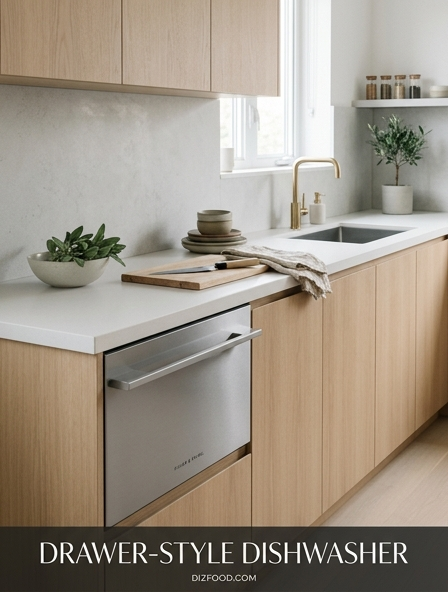
Ergonomic Loading and Reduced Physical Strain
The traditional dishwasher design requires significant bending, stooping, and lifting, which can place considerable strain on the lumbar region and joints over time. Drawer-style dishwashers revolutionize this interaction by bringing the appliance to the user. Mounted at waist height or integrated into high-functioning cabinetry, these units allow for a "top-loading" motion that aligns with natural human posture. This ergonomic advantage is particularly beneficial for individuals with chronic back pain or limited mobility, as it eliminates the need to crouch to reach the back of the bottom rack.
- Minimizes spinal flexion during daily chores.
- Reduces the reach distance required to organize heavy plates.
- Allows for easy visibility of all contents without squatting.
- Facilitates a "sliding" motion rather than a "lifting" motion for heavy racks.
By treating the dishwasher like a standard kitchen drawer, the physical effort associated with cleaning up after a meal is drastically reduced. This thoughtful design ensures that the kitchen remains a comfortable environment for users of all physical capabilities, promoting long-term joint health and ease of use in a high-activity household.
Maximizing Efficiency with Independent Wash Zones
One of the most significant advantages of a double-drawer dishwasher system is the ability to operate two completely independent wash zones. Unlike conventional units that require a full load to justify a cycle, drawer systems allow users to run a single drawer for small, immediate needs. Each drawer functions as a self-contained dishwasher with its own wash arms, filtration system, and control panel. This means you can run a heavy-duty cycle for greasy pots in the bottom drawer while simultaneously running a delicate cycle for fine crystal in the top drawer.
This dual-zone functionality eliminates the common kitchen dilemma of waiting days for the dishwasher to fill up. It also allows for continuous cleaning; as one drawer is being loaded with dinner plates, the other can be finishing a cycle of breakfast dishes. This staggered workflow ensures a constant supply of clean cutlery and dishes, preventing clutter from accumulating on the countertops. The flexibility to choose different temperatures, durations, and intensities for each zone ensures that every item receives the specific care it requires without wasting energy on a half-empty large cavity.
Universal Design for Enhanced Kitchen Accessibility
Universal design aims to create environments that are usable by all people, regardless of age or ability. Drawer dishwashers are a cornerstone of this philosophy in modern kitchen planning. Their intuitive "pull-open" mechanism requires less grip strength than traditional heavy-latching doors, making them ideal for young children, the elderly, or those with arthritis. The horizontal configuration ensures that every corner of the appliance is within easy reach, promoting independence for all family members.
- Easy-to-use handles that require minimal force to actuate.
- Clear, eye-level displays that reduce the need for bending to read settings.
- Simple sliding racks that do not require complex locking mechanisms.
- Audible and visual cues that assist users with sensory impairments.
By integrating these units into a kitchen, designers create a space that adapts to the user rather than forcing the user to adapt to the appliance. This inclusivity extends the "aging in place" potential of a home, ensuring that the kitchen remains functional and safe as the needs of the occupants evolve over several decades.
Optimizing Small Load Performance and Water Savings
For smaller households, urban apartments, or individuals living alone, a standard dishwasher is often too large. This leads to either running inefficient half-loads or leaving dirty dishes to sit for days, which can cause odors and bacterial growth. Drawer dishwashers solve this by optimizing water and energy consumption for smaller batches. Because the internal volume is smaller, the machine requires significantly less water to reach the necessary pressure and coverage for an effective clean.
| Load Type | Standard Dishwasher | Single Drawer Unit |
|---|---|---|
| Water Usage (Avg) | 3.5 - 5.0 Gallons | 1.6 - 2.4 Gallons |
| Cycle Time (Eco) | 120+ Minutes | 60 - 90 Minutes |
| Energy Used | High (Full Cavity) | Low (Targeted) |
The ability to wash as few as six place settings efficiently means users can maintain a hygienic kitchen without feeling guilty about environmental impact. This precision-based approach to dishwashing aligns with modern conservation goals while providing the convenience of automated cleaning for every meal, regardless of its size.
Flexible Placement Strategies for Modern Kitchen Layouts
The compact and modular nature of drawer dishwashers allows for creative placement strategies that go beyond the traditional spot next to the primary sink. These units can be installed at varying heights and in unconventional locations to suit the specific needs of the homeowner. For instance, a single drawer can be placed in a kitchen island for easy access to prep bowls, or in a butler's pantry to handle glassware during parties. This flexibility allows designers to break the "work triangle" and create specialized zones within the kitchen.
Architects often use drawer units to fill unconventional spaces, such as the end of a cabinet run or even stacked in different areas of the room. This modularity is particularly useful in "galley" style kitchens where space is at a premium. By deconstructing the dishwasher into smaller components, the kitchen layout can be optimized for traffic flow and task management. You are no longer tethered to a bulky 24-inch appliance, allowing for more cabinetry or open floor space where it is needed most, ultimately enhancing the architectural harmony of the home.
Streamlining Workflow with Point of Use Dishwashing
Point-of-use dishwashing is a concept that places the appliance exactly where the dirty items are generated. Drawer dishwashers are the primary tool for this strategy because of their small footprint and ease of integration. By decentralizing the dishwashing process, you reduce the time spent carrying items across the kitchen, which minimizes the risk of spills and breakage. This localized approach creates a much more efficient workflow during both meal preparation and clean-up phases.
- Coffee Stations: A drawer located near the espresso machine for mugs and spoons.
- Wet Bars: Dedicated glassware cleaning in entertainment areas or basements.
- Baking Zones: Quick cleaning for measuring cups and whisks during complex recipes.
- Outdoor Kitchens: Weather-resistant drawers for poolside dining convenience.
Implementing point-of-use drawers means that specialized items never have to enter the main cleanup zone. This keeps the primary sink clear for heavy pots and food prep, effectively doubling the kitchen's productivity during high-demand periods like holiday hosting or large family gatherings.
ADA Compliant Solutions for Inclusive Kitchen Design
The Americans with Disabilities Act (ADA) sets specific standards for appliance accessibility, and drawer dishwashers are frequently the preferred choice for meeting these requirements. Traditional dishwashers with drop-down doors often block the clear floor space required for a wheelchair maneuver, and the bottom rack is typically too low for a seated person to reach comfortably. Drawer units, conversely, can be installed at heights that allow for a side-approach or a forward-approach without requiring the user to lean dangerously over their lap.
Controls on these units are usually located on the front face or the top edge of the drawer, making them easily reachable within the 15-to-48-inch zone required by ADA guidelines. Furthermore, the sliding action of the drawer is much more manageable for those with limited upper-body strength. By utilizing these units, developers and homeowners can ensure that the kitchen is fully compliant with federal standards while maintaining a high-end, luxury aesthetic. It represents a marriage of legal compliance and sophisticated engineering that benefits everyone in the household.
Energy Efficiency Benefits of Compact Drawer Cycles
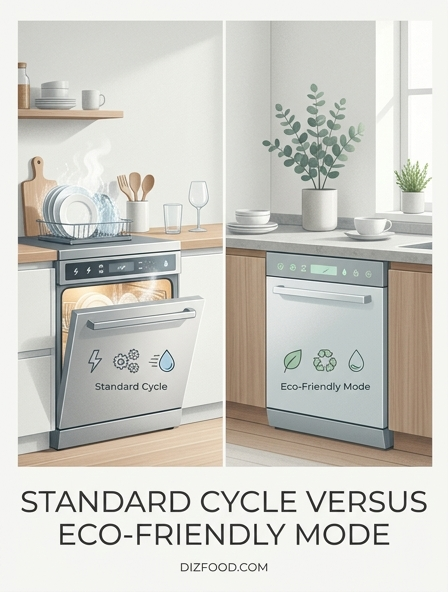
Energy efficiency is a primary concern for the modern consumer, and drawer dishwashers provide a unique advantage in this sector. By isolating the wash to a smaller, sealed compartment, the appliance requires less energy to heat the water to the necessary sanitizing temperatures. Traditional dishwashers must heat a large volume of air and water, even if the rack is only partially filled. The drawer system's compact dimensions ensure that every watt of electricity is used effectively to clean the items within that specific space.
| Feature | Standard Unit | DishDrawer Technology |
|---|---|---|
| Heating Element | Large/Open | Internal/Integrated |
| Air Circulation | Passive Cooling | Fan-Assisted Drying |
| Eco-Mode Savings | Moderate | Significant (Small Vol) |
Many drawer models also feature sophisticated sensors that detect the soil level of the water, automatically adjusting the cycle time and temperature. This prevents over-washing and further reduces energy consumption. For those looking to lower their carbon footprint, the ability to run frequent, small, and highly efficient cycles is a superior alternative to the "wait and wash" method used with larger appliances.
Seamless Aesthetics and Integrated Kitchen Styling
In contemporary kitchen design, the trend is moving toward "hidden" appliances that blend seamlessly with the cabinetry. Drawer dishwashers excel in this area because they can be fitted with custom cabinet panels that match the rest of the kitchen perfectly. Unlike traditional dishwashers, which have a visible toe-kick or a large metal door that breaks the vertical lines of the room, a paneled drawer unit looks exactly like any other set of drawers. This creates a cohesive, streamlined aesthetic that is highly sought after in open-concept living spaces.
The controls are often hidden on the interior top lip of the drawer, meaning the exterior remains completely flush and free of buttons or digital displays. This "integrated" look is essential for minimalist or ultra-modern designs where visual clutter is discouraged. Additionally, because they are smaller, they can be stacked or placed side-by-side to create symmetrical layouts that enhance the architectural balance of the room. The result is a high-performance kitchen that doesn't "look" like a utility room, but rather an extension of the home's furniture and decor.
Improving Safety and Mobility in High Traffic Areas
Safety in the kitchen is often overlooked until an accident occurs. Traditional dishwasher doors open downward, creating a significant trip hazard that blocks the walkway. In a busy household with children or pets, an open dishwasher door can lead to bruised shins or dangerous falls. Drawer dishwashers mitigate this risk by only extending as far as a standard drawer would. Because they do not drop all the way to the floor, the path remains clearer, and the risk of someone tripping over the door is virtually eliminated.
- Eliminates the "floor-level" barrier in narrow galley kitchens.
- Prevents children from climbing or sitting on an open door.
- Allows for easier passage of other family members during cleanup.
- Reduces the risk of broken dishes caused by bumping into a low door.
This increased mobility is particularly vital in multi-cook kitchens where several people are moving simultaneously. By keeping the floor space unobstructed, the drawer-style design ensures a safer, more fluid environment. It allows for a "close as you go" habit that keeps the kitchen organized and the walkways safe throughout the entire cooking and cleaning process.




Comments