
Understanding Finger Guard Basics
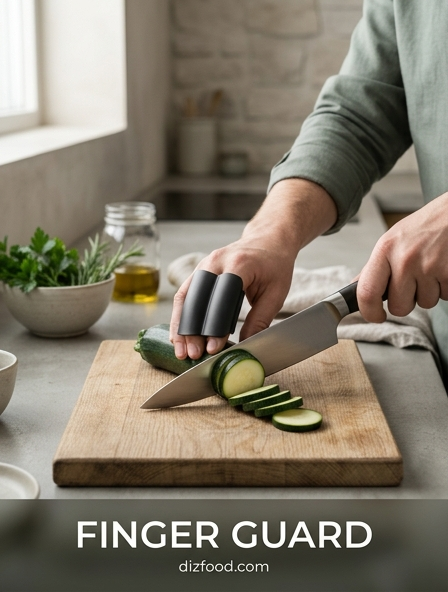
A finger guard is a specialized kitchen accessory designed to act as a physical barrier between a chef's hand and the sharp edge of a knife. In the culinary world, where speed and precision are paramount, these small tools provide an essential layer of security. Typically constructed from a flat metal plate with a ring or loop on the back, the device slides onto the middle finger, shielding the knuckles while allowing the other fingers to hold the food items in place during the cutting process.
The primary function of this tool is to prevent accidental nicks and deep cuts that occur when the blade strays from the intended path. By using a finger guard, both home cooks and professionals can maintain better control over their movements. This tool is particularly useful when handling small or slippery ingredients that require close contact with the blade. Using a finger guard offers several immediate advantages:
- Prevents direct contact between the blade and skin.
- Allows for a consistent cutting rhythm.
- Protects the fingernails from being chipped or sliced.
- Increases the speed of food preparation without increasing risk.
Stainless Steel Durability Benefits
Most high-quality finger guards are manufactured from 430 or 304-grade stainless steel. This choice of material is not accidental; stainless steel provides the necessary rigidity to withstand the impact of a sharp knife without bending or puncturing. Unlike plastic alternatives, which can crack or be sliced through over time, a steel shield offers a lifetime of service. The smooth surface of the metal also ensures that the knife blade glides effortlessly along the shield rather than catching on it.
Beyond physical strength, stainless steel is prized for its environmental resilience in a busy kitchen. It does not react with acidic foods like lemons or tomatoes, ensuring that the tool remains pristine even after heavy use. The following table highlights the specific benefits of choosing stainless steel for your kitchen safety gear:
| Feature | Benefit |
|---|---|
| Corrosion Resistance | Will not rust after repeated washing or exposure to moisture. |
| Material Hardness | Resists deep scratches and prevents the knife from piercing the guard. |
| Non-Porous Surface | Prevents food particles from getting trapped, ensuring food safety. |
Precision Dicing for Beginners
For individuals just beginning their culinary journey, mastering knife skills can be one of the most intimidating hurdles. The fear of injury often leads to slow, uneven cuts that can affect the cooking time and presentation of a dish. A finger guard serves as a set of "training wheels," allowing beginners to focus on the mechanics of the knife stroke rather than worrying about the position of their fingertips. This leads to more uniform dicing and chopping early in the learning process.
To achieve professional-level precision as a novice, following a structured approach with the guard is highly recommended. The process generally involves these steps:
- Secure the guard on your middle finger, ensuring the shield covers your knuckles.
- Place the food item firmly on the cutting board.
- Rest the side of the knife blade against the front of the shield.
- Use a rocking motion to slice through the food while sliding the guard backward.
By keeping the blade in constant contact with the shield, the beginner ensures that the knife never rises high enough to clear the protective barrier, resulting in safe, consistent results every time.
Anatomy of a Kitchen Shield
The design of a finger guard is a masterclass in functional simplicity. While it may look like a simple piece of metal, every curve and angle is engineered for maximum protection and utility. The main component is the shield plate, which is usually wide enough to cover the span of three fingers. This plate is slightly curved to accommodate the natural arc of the fingers when they are curled in a protective position. This curvature also helps in guiding the knife blade downward in a straight path.
On the reverse side of the plate is the finger loop or ring. This part is often adjustable or designed with an open-ended back to fit various finger sizes comfortably. The placement of this ring is crucial; it must be centered so that the weight of the shield is balanced. Key features of the anatomy include:
- Smooth Edges: Beveled edges prevent the guard from scratching the user's skin.
- Welded Ring: A sturdy connection between the ring and plate ensures the guard won't snap under pressure.
- Polished Surface: A mirror finish reduces friction against the blade.
Eliminating Knife Slip Anxiety
Kitchen anxiety is a real phenomenon that can prevent people from enjoying the process of cooking. Much of this stress stems from the potential for sharp blades to slip, especially when working with wet vegetables or greasy meats. When a cook is nervous, their movements become jerky and unpredictable, which paradoxically increases the likelihood of an accident. The introduction of a finger guard acts as a psychological safety net, drastically reducing the mental load associated with food preparation.
When the fear of injury is removed, the cook can focus on the creative aspects of the recipe. The physical presence of the metal shield provides immediate feedback; if the knife moves too close, it hits the steel instead of the skin. This tactile reassurance allows for a more relaxed grip on the knife handle, which actually improves cutting accuracy. Over time, the confidence gained from using a shield translates into better technique, as the user learns to trust their movements. Eliminating the "flinch factor" is essential for anyone looking to transition from a casual cook to a confident home chef.
Mastering the Claw Grip
Professional chefs are taught the "claw grip" early in their training. This technique involves curling the fingertips inward and using the knuckles to guide the knife. While effective, it takes years of practice to master and maintain under pressure. A finger guard is essentially a mechanical implementation of the claw grip. It forces the hand into the correct protective posture while providing a rigid surface that a human knuckle simply cannot offer. This makes the technique accessible to everyone instantly.
To master the integration of the guard with professional techniques, consider the following progression:
- Practice the claw grip without a knife to get used to the finger positioning.
- Attach the finger guard and notice how it reinforces the tucked-under position of the fingertips.
- Begin slow, rhythmic cuts, allowing the flat of the blade to rub against the guard's face.
- Increase speed gradually as the coordination between the leading hand and the knife hand becomes seamless.
Using the guard effectively mimics the habits of world-class chefs, ensuring that the "claw" remains unbroken even when the cook is distracted or working at high speeds.
Ergonomic Design and Comfort
For a safety tool to be effective, it must be comfortable enough for regular use. Modern finger guards prioritize ergonomics, ensuring that the device does not cause hand fatigue during long prep sessions. The rings are often designed with soft, rounded edges to prevent pinching, and the lightweight nature of the stainless steel ensures that the hand does not feel weighed down. Because the guard is adjustable, it can be tightened or loosened to fit any user, from those with slender fingers to those with larger hands.
The ergonomic benefit extends to the way the guard interacts with the food. A well-designed shield allows the user to exert downward pressure on the ingredient, stabilizing it more effectively than bare fingers could. This stability is crucial for cutting through tough items like butternut squash or thick carrots. When the tool fits correctly, it feels like a natural extension of the hand. This seamless integration ensures that the cook doesn't feel the need to remove the device mid-task, maintaining a constant level of safety throughout the entire meal preparation process. Comfort is the bridge that turns a safety gadget into a permanent kitchen staple.
High Speed Chopping Safety
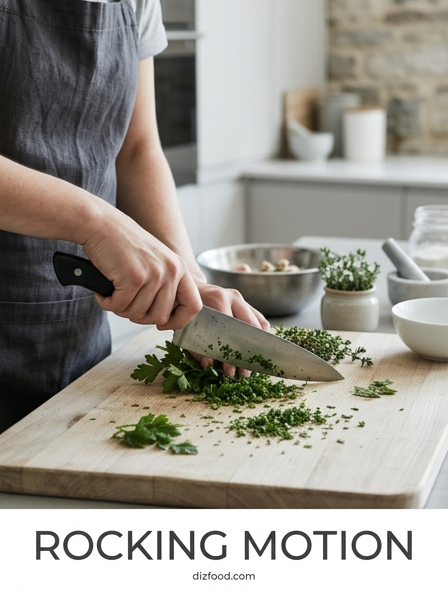
Speed is often the enemy of safety in the kitchen. As the pace of chopping increases, the margin for error shrinks significantly. Professional kitchens demand high output, but an injury can stop a line cook in their tracks. This is where the finger guard becomes an invaluable asset for high-speed tasks. It allows the user to maintain a rapid, consistent "up and down" or "rocking" motion without the constant mental check of where their fingers are located. The metal shield serves as a physical limit for the blade's horizontal movement.
When working at high speeds, several factors come into play that the finger guard helps manage:
- Rhythmic Consistency: The guard acts as a metronome, providing a physical stop for each stroke.
- Blade Guidance: It keeps the knife vertical, preventing it from tilting toward the fingers.
- Impact Absorption: If the knife is moved too quickly, the steel plate absorbs the force, protecting the hand.
By utilizing this tool, a cook can achieve the "blur" of professional chopping while maintaining a zero-accident record, making it a critical tool for efficiency-minded cooks.
Easy Maintenance and Hygiene
Hygiene is a non-negotiable aspect of kitchen tool design. Since finger guards come into direct contact with raw ingredients, they must be easy to sanitize. Stainless steel guards excel in this area because they are completely non-porous and resistant to bacterial growth. Unlike plastic or wooden tools, there are no microscopic grooves where food particles or pathogens can hide. After use, a simple rinse or a trip through the dishwasher is usually all that is required to return the tool to a sterile state.
Maintenance of these devices is minimal, requiring no sharpening or special oils. However, understanding the best cleaning practices can extend the life of the tool and ensure food safety. The following table compares common cleaning methods:
| Method | Effectiveness | Notes |
|---|---|---|
| Dishwasher | High | Safe for all stainless steel models; reaches high sanitizing temperatures. |
| Hand Washing | Medium | Use warm soapy water; ensures the ring area is thoroughly cleaned. |
| Boiling Water | Excellent | Can be used for deep sterilization if the guard was in contact with raw poultry. |
Essential Kitchen Safety Gear
A well-equipped kitchen is defined not just by the quality of its ovens or knives, but by the safety measures in place to protect the cook. The finger guard stands alongside items like oven mitts, cut-resistant gloves, and stable cutting boards as a foundational element of a safe cooking environment. While some might view it as a tool for novices, its value in preventing life-altering injuries cannot be overstated. A single slip of a sharp chef's knife can result in stitches or nerve damage, making the small investment in a guard highly practical.
In addition to physical protection, the finger guard encourages better overall kitchen habits. It serves as a constant reminder to respect the sharpness of the tools being used. When integrated into a standard toolkit, it promotes a culture of safety that is essential for both domestic and commercial settings. Whether you are a parent teaching a child how to cook or a seasoned chef looking to improve your efficiency, the finger guard provides the peace of mind necessary to excel. It is a simple, inexpensive, and indestructible solution to one of the most common hazards in the home.

Comments