
Slap Chop vs Pull String Mechanics
Choosing between a slap-style chopper and a pull-string processor involves understanding the fundamental mechanical differences in how they apply force to ingredients. The slap chop mechanism relies on a spring-loaded plunger that drives a zig-zag blade downward into a base or directly onto a cutting board. Each "slap" rotates the blade slightly, ensuring the food is hit from different angles. This design is highly effective for quick, aggressive chopping of smaller items like garlic cloves, nuts, or individual celery stalks.
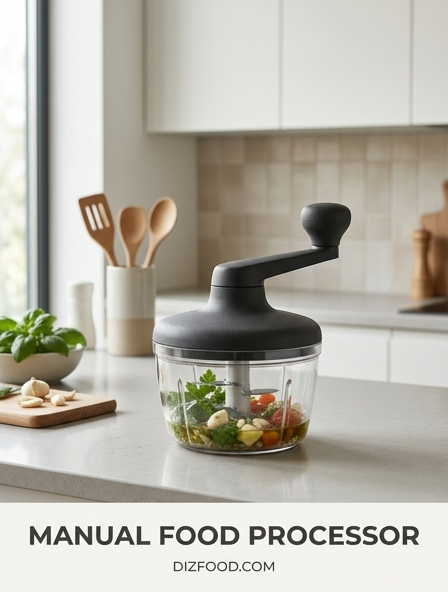
In contrast, pull-string processors utilize a rotary drive system. When the user pulls the cord, it spins a central spindle equipped with multiple horizontal blades, similar to a lawnmower's action. This method generally offers more control over the final texture, as the number of pulls directly correlates with the fineness of the dice. While both tools eliminate the need for electricity, their mechanical advantages cater to different kitchen tasks:
- Slap Chop: Best for high-impact, small-batch dicing on flat surfaces.
- Pull String: Superior for larger volumes, emulsions, and uniform salsas.
- Physical Effort: Slap chops require vertical downward force, while pull strings require lateral arm movement.
Manual Dicing Efficiency Comparison
Efficiency in the kitchen is often measured by the time saved during prep work relative to the cleanup required afterward. Manual food processors provide a significant speed advantage over traditional knife work, especially for home cooks who lack professional-grade dicing skills. By utilizing multiple blades that rotate or strike simultaneously, these tools can complete in seconds what would take minutes with a chef's knife. This efficiency is particularly noticeable when preparing complex bases like mirepoix or holy trinity.
Beyond speed, volume capacity plays a major role in determining which manual tool is most efficient for a specific recipe. A compact handheld unit might be perfect for a single onion, but a larger bowl-based manual processor is necessary for family-sized salads. The following table compares efficiency factors between manual processors and traditional cutlery:
| Factor | Manual Processor | Chef's Knife |
|---|---|---|
| Preparation Speed | High (Multi-blade action) | Moderate (Single blade) |
| Uniformity | Consistent with practice | Skill dependent |
| Safety Level | Enclosed blades | Exposed blade |
Blade Design and Cutting Precision
The core of any manual food processor is its blade assembly. High-quality manual choppers typically feature stainless steel blades that are curved or tiered to maximize contact with the food as they spin or strike. A tiered blade design is particularly effective in bowl-style pull-string processors because it ensures that ingredients at the top of the container are processed just as thoroughly as those at the bottom. This prevents the common issue of bottom-layer mush while top-layer chunks remain whole.
Precision is also a result of blade sharpness and the angle of the edge. Dull blades tend to crush cell walls in vegetables like tomatoes and onions, leading to excess moisture release and a "bruised" flavor. Sharp, well-engineered blades provide clean cuts that preserve the structural integrity of the ingredient. Users should look for the following blade characteristics when selecting a tool:
- Serrated Edges: Excellent for gripping waxy skins on peppers or tomatoes.
- Reinforced Hubs: Prevents the blades from snapping under the pressure of hard root vegetables.
- Corrosion Resistance: Essential for long-term exposure to acidic ingredients like citrus or onions.
Ergonomic Handheld Chopper Features
Ergonomics are vital for manual kitchen tools, as the user provides all the power for the dicing process. A poorly designed handle or pull-grip can lead to hand fatigue or slipping, which is both frustrating and potentially dangerous. Modern handheld choppers prioritize a natural grip, often incorporating soft-touch silicone or rubberized coatings to ensure the tool remains stable even when hands are wet or oily. The base of the unit should also feature a non-slip ring to keep it anchored to the countertop during vigorous use.
For those with limited hand strength or mobility issues like arthritis, certain ergonomic features are non-negotiable. Designers focus on reducing the resistance felt during the initial "bite" into the food. The following features are common in highly-rated ergonomic models:
- Oversized Pull T-Grips: Allows for a full-hand hold rather than a finger-tip pull.
- Contoured Lids: Provides a comfortable palm rest for the stabilizing hand.
- Balanced Centering: Ensures the center of gravity stays low to prevent the unit from tipping during operation.
Uniform Vegetable Dicing Results
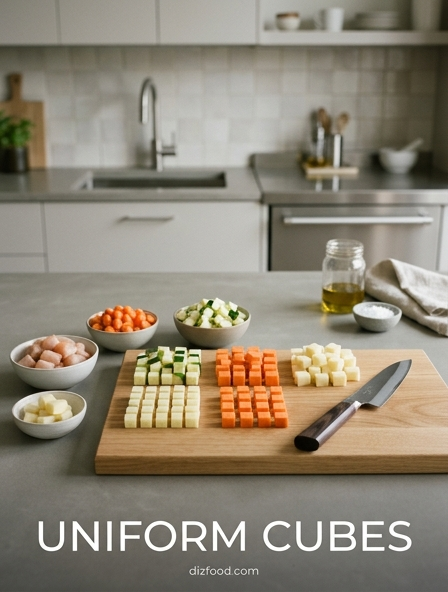
Achieving a uniform dice is not just about aesthetics; it is a critical component of even cooking. When vegetable pieces are of varying sizes, the smaller bits may dissolve or burn before the larger chunks are fully softened. Manual food processors excel at providing this consistency because the internal geometry of the bowl forces the ingredients back into the path of the blades. This creates a more homogenous mixture than most casual cooks can achieve with a knife and board.
To maximize uniformity, it is important to pre-cut larger vegetables into smaller, manageable chunks before placing them in the processor. Overloading the container is the primary cause of uneven results. When used correctly, these tools are ideal for specific culinary applications where texture matters:
- Salsas and Pico de Gallo: Creates perfectly chunky textures without liquefying the tomatoes.
- Finely Minced Mirepoix: Ensures carrots, celery, and onions sauté at the same rate.
- Nut Toppings: Produces even crumbles for baking or salads without creating "nut dust."
Cleaning and Dishwasher Safety
Maintenance is a frequent concern with manual processors due to the intricate parts and sharp blades. Most manufacturers design these tools to be easily disassembled, separating the lid, the blade assembly, and the clear collection bowl. While many components are marketed as dishwasher safe, the high heat and harsh detergents of a dishwasher can dull the blades over time or warp the plastic housing of the lid. Hand washing the blade component is generally recommended to maintain peak performance for years.
The pull-string mechanism requires special attention. If the cord gets soaked, it can harbor mold or weaken the internal spring. Proper cleaning should follow a specific routine to ensure the tool remains hygienic and functional. Consider the following cleaning steps:
- Rinse the bowl and blades immediately after use to prevent food from drying in crevices.
- Wipe the lid with a damp cloth rather than submerging it if it contains a pull-cord mechanism.
- Air-dry all components thoroughly before reassembling to prevent moisture trapped in the blade hub.
Durability of Manual Food Processors
The durability of a manual processor depends largely on the quality of the plastics and the strength of the internal gears or springs. Because these tools are subjected to repetitive mechanical stress, lower-end models often fail at the connection point between the handle and the blade. High-quality units use BPA-free, impact-resistant plastics like Tritan or heavy-duty ABS to ensure the bowl does not crack if dropped or stressed by hard ingredients like frozen fruits or hard cheeses.
When assessing durability, the thickness of the blade steel and the construction of the drive shaft are the two most important factors. A thin plastic shaft is likely to snap when faced with a raw carrot, whereas a metal-reinforced or thick nylon shaft will endure. The table below outlines the expected lifespan based on material quality:
| Component | Standard Quality | Premium Quality |
|---|---|---|
| Blade Material | 420 Grade Steel | 440C or High-Carbon Steel |
| Bowl Plastic | Standard Polystyrene | BPA-Free Reinforced ABS |
| Drive Mechanism | Plastic Gears | Nylon or Metal-Reinforced Gears |
Compact Storage for Small Kitchens
One of the primary selling points of manual food processors is their small footprint. Unlike electric models that require bulky motors and cord storage, manual units are lightweight and often no larger than a standard mixing bowl. This makes them indispensable for residents of small apartments, owners of RVs, or those who enjoy camping. Many designs take storage into account by allowing the handle or pull-cord to sit flush with the lid, making the units easily stackable in cabinets or drawers.
Furthermore, the lack of an electric cord means these tools can be used anywhere, including at the dining table or outdoors. The versatility of the bowl itself often adds value, as it can serve as a storage container for the prepped ingredients. Key storage-friendly features to look for include:
- Nesting Blades: Some models allow blades to be stored safely inside the bowl.
- Locking Lids: Prevents the plunger from popping up during storage in low-clearance drawers.
- Flat Lids: Allows other small containers to be stacked on top of the processor in the pantry.
Versatility for Various Ingredients
While often called "onion choppers," manual food processors are surprisingly versatile tools capable of handling a wide array of ingredients. Beyond basic vegetables, they are excellent for processing fresh herbs like cilantro and parsley, which can be difficult to mince finely with a knife without bruising. They are also effective for making small batches of dips such as guacamole, hummus, or pesto, providing a rustic texture that many prefer over the smooth puree of an electric blender.
The adaptability of these tools extends to baking and snacks as well. By controlling the number of strikes or pulls, a user can transition from a rough chop to a fine mince effortlessly. The following list highlights the diverse range of ingredients these processors can manage:
- Hard Ingredients: Walnuts, almonds, ice (in specific models), and hard cheeses like Parmesan.
- Soft Ingredients: Hard-boiled eggs for egg salad, cooked chickpeas, and soft fruits like berries.
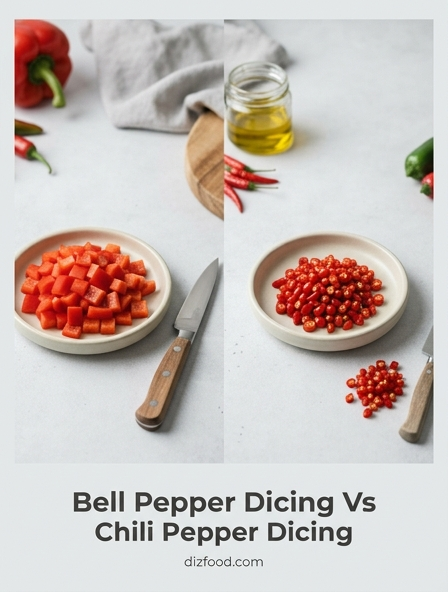
- Aromatics: Ginger, garlic, and chili peppers, keeping the spicy oils off the cook's hands.
Final Decision Manual Processor Guide
Deciding on the right manual food processor requires balancing your specific cooking habits with the physical design of the tool. If you frequently prep small amounts of garlic and ginger, a compact slap-style chopper is likely your most efficient choice. However, if your recipes often involve making salsas, salads, or chopping large onions, a pull-string rotary processor offers better capacity and control over the final texture. You should also consider the storage space available and your preference for hand-washing versus dishwasher use.
Ultimately, a manual processor should simplify your workflow rather than add complexity. To ensure you choose the best model for your kitchen, follow these final evaluation steps:
- Assess Capacity: Ensure the bowl size matches your typical batch size to avoid the need for multiple rounds of chopping.
- Check Blade Quality: Look for stainless steel with a tiered arrangement for the most consistent dicing.
- Test the Grip: If possible, choose a model with a non-slip base and an ergonomic handle to minimize physical strain.

Comments