
The Science Behind Wood Fiber Resilience
The self-healing nature of wooden kitchen surfaces is rooted in the complex biological arrangement of cellulose, hemicellulose, and lignin. Unlike synthetic materials that possess a rigid, monolithic structure, wood is composed of millions of microscopic tubular cells. These cells are naturally designed to transport water and nutrients, which gives them a high degree of elasticity and structural memory. When a sharp blade applies pressure to the surface, these cellular walls do not simply fracture; instead, they undergo elastic deformation, temporarily displacing themselves to accommodate the edge of the knife.
This resilience is further enhanced by the hygroscopic nature of wood. Wood fibers inherently attract and hold moisture, which keeps the cellular walls supple. When the blade is retracted, the inherent tension within the lignin-the natural polymer that binds the fibers-works to pull the cells back into their original alignment. This microscopic "spring-back" effect is the fundamental mechanism that allows deep gashes to appear as though they have vanished. Over time, the surface maintains its integrity because the fibers are parted rather than severed, ensuring the structural network remains intact through thousands of repeated impacts.
End Grain Architecture and Knife Longevity
In the culinary world, end grain construction is considered the pinnacle of self-healing technology. This architecture is achieved by arranging wood blocks so that the vertical growth rings face upward, resembling the bristles of a firm brush. When a chef strikes an end grain board, the knife tip travels between the individual wood fibers rather than cutting across them. This separation of fibers is significantly less destructive than the shearing action required on edge grain or plastic surfaces, where the material is physically removed from the board.
The benefits for knife longevity are substantial. Because the blade meets minimal resistance, the delicate edge-often sharpened to a microscopic width-is not subjected to the abrasive forces that lead to rolling or chipping. The vertical fibers act as shock absorbers, cushioning the impact of every chop. This configuration not only preserves the sharpness of the steel for longer periods but also ensures the board itself lasts for decades. As the knife is lifted, the vertical fibers naturally press back together, effectively closing the channel created by the blade and preventing the accumulation of deep, permanent scars.
How Self Healing Surfaces Prevent Blunting
Blunting is the result of friction and impact force deforming the apex of a knife blade. When a blade hits a hard, non-yielding surface like glass, marble, or high-density polyethylene, the energy is reflected directly back into the steel. This reflection causes the microscopic edge to fold or dull. Self-healing wood surfaces mitigate this by providing a "giving" medium. The surface energy of wood is significantly lower than that of hard synthetics, allowing the blade to sink slightly into the material, which redistributes the force across a larger surface area of the edge.
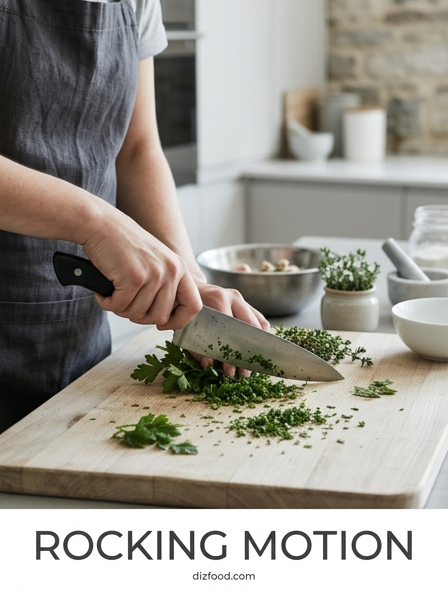
By absorbing the kinetic energy of the stroke, self-healing surfaces prevent the rapid degradation of the knife's burr. This interaction is essential for maintaining "bite" during precision tasks like julienning or mincing. Furthermore, the absence of permanent deep grooves means there are fewer jagged edges on the board itself to snag the blade during horizontal movements. A smooth, self-healing surface allows for a fluid "rocking" motion, which is the hallmark of efficient prep work. Consequently, users find they need to hone their knives far less frequently when using premium wood surfaces compared to traditional alternatives.
The Impact of Wood Density on Dicing Precision
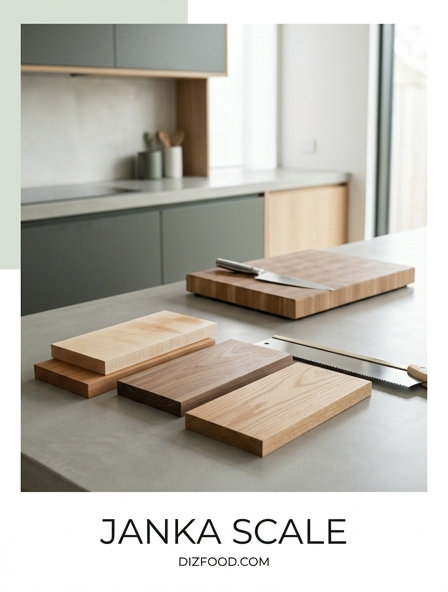
Density is a critical factor in how a self-healing surface performs during high-precision kitchen tasks. Measured by the Janka hardness scale, the density of the wood determines the balance between surface "give" and structural support. If a wood is too soft, the knife may sink too deeply, causing the blade to stick and ruining the rhythm of a fast dice. Conversely, if the wood is too dense, the self-healing properties are diminished because the fibers are packed too tightly to displace easily. Selecting the right density ensures that the board provides a stable platform while remaining kind to the blade.
For dicing precision, a medium-density wood like maple or walnut is often preferred. These materials provide enough resistance to give the chef tactile feedback-allowing them to "feel" the board through the knife-without being so hard that the blade bounces. This feedback is essential for maintaining consistent thickness in vegetable cuts. The subtle compression of the wood fibers under the blade creates a micro-trough that guides the knife, ensuring that each stroke follows the intended path without slipping. This synergy between density and resilience results in cleaner cuts and more uniform culinary results.
Comparing Wood and Plastic Blade Friction
The friction profile of a cutting surface significantly influences both the speed of the cook and the wear on the tool. While plastic is often touted for its ease of cleaning, its interaction with steel is fundamentally different from that of self-healing wood. Plastic surfaces tend to develop "furrows" where the material has been pushed aside or gouged out. These furrows create uneven friction, often catching the blade and requiring more force from the user. Wood, particularly when properly oiled, provides a consistent, low-friction interface that facilitates smooth slicing.
| Surface Material | Friction Coefficient | Self-Healing Ability | Blade Impact |
|---|---|---|---|
| End Grain Wood | Low / Consistent | High | Very Gentle |
| Edge Grain Wood | Moderate | Moderate | Gentle |
| High-Density Plastic | Variable | None | Moderate / Harsh |
| Bamboo | High | Low | Harsh |
As shown in the comparison, end grain wood offers the best balance of low friction and high self-healing capacity. The organic nature of wood fibers allows them to lubricate the blade's path slightly through the release of natural oils, whereas plastic can become "gummy" under the heat of high-speed friction, leading to increased drag and reduced precision.
The Microscopic Mechanics of Fiber Closure
At a microscopic level, the "healing" of a wood surface is a combination of mechanical expansion and capillary action. When a knife creates a micro-fissure, it disrupts the equilibrium of the wood's surface tension. Because wood is a porous medium, it is constantly interacting with the ambient humidity and the moisture from the food being processed. As the wood absorbs minute amounts of moisture, the cells swell slightly. This swelling is often enough to bridge the gap created by a thin blade, effectively sealing the surface back together and preventing food particles from becoming trapped.
Furthermore, the presence of lipids and resins within certain wood species acts as a natural adhesive. These substances help the fibers stick back together after they have been parted. This process is most effective when the fibers are oriented vertically, as the lateral pressure from surrounding cells pushes the walls of the cut back into contact. This microscopic closure is not just aesthetic; it serves a vital hygienic function. By closing the gaps, the wood limits the depth to which bacteria can penetrate, making the self-healing property a key component of the material's natural antimicrobial defenses.
Reducing Blade Maintenance Through Premium Wood
Investing in a premium self-healing wooden surface is effectively an investment in the longevity of one's cutlery. Standard kitchen maintenance often involves frequent honing on a ceramic rod or regular trips to a professional sharpener. However, the abrasive nature of poor-quality cutting surfaces-such as glass, bamboo, or scarred plastic-accelerates the removal of metal from the knife's edge. A self-healing wood board acts as a protective buffer, significantly extending the intervals between necessary sharpenings. This reduction in maintenance preserves the profile of the knife, preventing it from being ground down prematurely.
For professional chefs and enthusiasts who use high-carbon steel or specialized Japanese blades, this protection is invaluable. These knives are often hardened to a high Rockwell scale, making them exceptionally sharp but also brittle. A surface that "heals" and yields to the blade prevents the micro-chipping that occurs on harder surfaces. By maintaining a consistent, soft contact point, the wood ensures that the edge remains straight and true. Over a year of heavy use, a premium wood board can save a user hours of maintenance time and hundreds of dollars in professional sharpening fees and replacement costs.
Why Softwood Fibers Protect Sharpened Edges
While hardwoods like maple are standard, certain softwoods-most notably Larch and Japanese Hinoki-are prized specifically for their superior self-healing and blade-protective qualities. The term "softwood" in this context refers to the botanical classification, but in practice, these woods possess a unique cellular density that is exceptionally forgiving. Hinoki, for instance, contains a high concentration of natural resins and a soft, springy fiber structure. When a razor-sharp blade strikes a Hinoki board, the wood provides almost zero resistance, allowing the edge to remain pristine for an incredible amount of time.
The secret lies in the tracheids, the long cells that make up the bulk of softwood. These cells are more elongated and flexible than the vessel elements found in hardwoods. This allows for a greater degree of compression and a faster recovery time after the pressure is released. For tasks requiring extreme delicacy, such as slicing raw fish for sashimi, the use of a softwood board is nearly mandatory. The board absorbs the stroke completely, ensuring that the knife does not "bounce" or "skitter" across the surface, which could lead to an uneven cut or damage to the incredibly thin edge of a traditional yanagiba.
Long Term Benefits for Professional Chef Knives
For a professional chef, a knife is more than a tool; it is an extension of the hand. The interaction between that tool and the cutting surface dictates the efficiency of the kitchen. A self-healing surface provides long-term benefits by maintaining the "sweet spot" of the knife's geometry. Every time a knife is sharpened, a small amount of metal is removed, gradually changing the taper and the weight of the blade. By using a self-healing board that minimizes wear, the chef can maintain the original factory geometry of a high-end knife for many years longer than would be possible on synthetic surfaces.
Beyond the physical tool, there is the factor of physical strain. The shock absorption provided by self-healing wood fibers reduces the impact transmitted to the chef's wrist and elbow. Over an eight-hour shift involving thousands of repetitive motions, the "soft" landing provided by wood can prevent the onset of fatigue and repetitive strain injuries. This ergonomic advantage, combined with the decreased need for mid-shift honing, allows for a more focused and productive culinary environment. Ultimately, the synergy between a professional blade and a self-healing surface represents the ideal balance of performance, preservation, and ergonomic health.
Maintaining the Self Healing Capacity of Wood
To ensure that a wooden surface retains its self-healing capabilities, proper maintenance is essential. The elasticity of wood fibers is dependent on their moisture and oil content. A dry board becomes brittle; the fibers lose their ability to bend and instead begin to snap or splinter under the pressure of a knife. Regular conditioning with food-grade mineral oil or a beeswax blend is necessary to keep the cellular structure supple and responsive. This treatment creates a hydrophobic barrier that prevents the wood from absorbing too much water while keeping the internal fibers hydrated.
- Apply food-grade mineral oil monthly to saturate the internal fibers.
- Use a beeswax cream to seal the surface and provide a smooth glide for the knife.
- Avoid harsh detergents that strip the natural oils and resins from the wood.
- Never soak the board, as extreme water absorption can cause the wood to warp or the glue joints to fail.
- Store the board in a cool, dry place away from direct heat sources to prevent the fibers from shrinking.
When these steps are followed, the wood's microscopic "memory" remains active. The fibers continue to part and reunite, maintaining a smooth, sanitary, and knife-friendly surface for a lifetime of use.


Comments