
Texture Control and Crunch
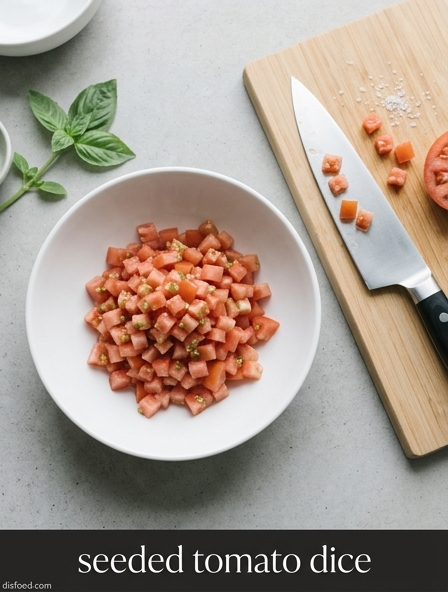
In the realm of professional culinary arts, texture control remains a cornerstone of high-quality vegetable preparation. When dicing tomatoes, the decision to remove the seeds and the surrounding locular gel is often driven by the desire for a specific mouthfeel. Seeded tomato dice, consisting primarily of the firm outer walls known as the pericarp, provide a consistent, satisfying crunch that is absent in unseeded versions. This firm texture is particularly essential in dishes where the tomato must stand alone as a structural component rather than a saucy accompaniment. By isolating the flesh, chefs can ensure that every bite offers a uniform resistance, preventing the slippery or slimy sensation often associated with the internal seed cavities.
- Enhances the "snap" of the vegetable in raw salads.
- Eliminates the gelatinous texture that can detract from crisp greens.
- Ensures uniform density across all pieces in the dish.
- Provides a stable base for heavy dressings and marinades.
- Improves the tactile experience of hand-held appetizers.
This precision allows for better integration with other crisp ingredients, such as onions or cucumbers, maintaining a cohesive dish profile. The absence of excess liquid ensures that the dice do not break down prematurely when tossed with acidic dressings or oils, preserving the structural rigidity that is the hallmark of a well-executed dice.
The Secret to Non-Watery Salsa
Creating a restaurant-quality salsa at home often comes down to one critical step: removing the tomato seeds. The locular gel surrounding tomato seeds is composed of high levels of water and mucilage, which can quickly turn a chunky salsa into a thin, soup-like consistency. By dicing only the meaty walls of the tomato, you control the hydration levels of the final product. This technique is especially vital when using high-moisture varieties like beefsteak or heirloom tomatoes, where the seed cavities are proportionally large.
- Slice the tomato into quarters to expose the internal seed cavities.
- Use a spoon or thumb to gently scoop out the watery gel and seeds.
- Pat the remaining tomato petals dry with a paper towel.
- Dice the firm flesh into precise, even cubes.
- Combine with other dry-diced ingredients to maintain a chunky profile.
When the seeds are removed, the flavors of the chili, cilantro, and lime can coat the tomato flesh directly rather than being diluted in a pool of tomato juice. This results in a punchier, more vibrant salsa that holds up well during service and remains appetizing even after sitting for several hours in the refrigerator.
Enhancing Natural Tomato Flavor
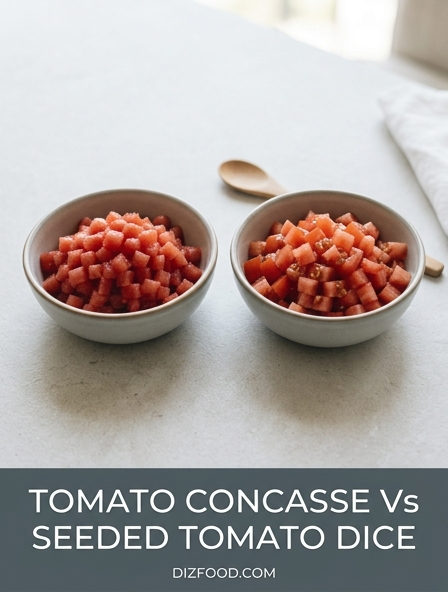
While some argue that the seeds hold significant flavor, the concentration of sugars and acids is actually most prominent in the tomato flesh. By removing the seeds, you are effectively concentrating the essential "tomato" taste by reducing the water-to-flesh ratio. This is particularly beneficial when the tomato is used as a garnish or in a cold preparation where evaporation cannot help reduce liquid. The following table highlights the differences between seed-in and seeded dice in culinary applications.
| Attribute | With Seeds | Seeded (Flesh Only) |
|---|---|---|
| Flavor Profile | Diluted, slightly acidic | Concentrated, sweet |
| Moisture Content | High / Unpredictable | Low / Controlled |
| Culinary Use | Soups and Stews | Bruschetta and Garnish |
By focusing on the pericarp, the natural sweetness of the tomato is allowed to shine. This concentrated flavor profile pairs excellently with high-quality olive oils and flaky sea salts, as the seasoning adheres to the dry surface of the flesh rather than dissolving into the seed gel.
Visual Appeal of Uniform Dices
The visual impact of a dish is significantly improved when using seeded tomato dice. In professional garnishing, the presence of seeds can often look messy or cluttered, distracting from the clean lines of a well-plated meal. A seeded dice allows for a perfect cube shape, as the knife only has to pass through the consistent, solid flesh of the fruit. This creates a geometric precision that is highly valued in fine dining and photography. Without the greenish hue of the seed gel, the deep red of the tomato becomes the primary focus.
- Creates clean, sharp edges on every cube.
- Prevents the "bleeding" of red juice onto white plates or pale cheeses.
- Provides a high-contrast pop of color against green herbs.
- Ensures a professional, standardized appearance across large batches.
- Allows for intricate stacking or layering in modern plating styles.
When every piece is uniform in size and color, the dish conveys a sense of care and expertise. This attention to detail is what separates a casual home-cooked meal from a professional culinary presentation, making the simple act of seeding a tomato a transformative step in the kitchen.
Structural Integrity in Rustic Recipes
Rustic recipes, such as panzanella or hearty pasta salads, rely on the structural integrity of their components to survive the mixing process. Tomatoes that still contain their seeds are prone to collapsing because the internal structure is hollow once the gel is released. In contrast, seeded tomato dice act like solid building blocks. When tossed with heavy bread cubes or dense pasta shapes, these solid pieces of tomato flesh maintain their shape and provide a consistent bite throughout the meal.
- Choose firm-ripe tomatoes to ensure the flesh is resilient.
- De-seed thoroughly to remove any internal weaknesses.
- Cut into larger, rustic cubes to match the scale of other ingredients.
- Toss with dressings just before serving to maintain firmness.
This durability is also essential for dishes that are prepared ahead of time. A pasta salad made with seeded tomatoes will not become mushy by the next day, as the firm flesh resists the softening effects of salt and acid much better than the delicate seed sacs. This makes seeded dicing the preferred method for picnic dishes and buffet-style catering where longevity is a priority.
Dicing Techniques for Seedless Tomatoes
Mastering the technique for dicing seeded tomatoes is a fundamental skill for any serious cook. The goal is to maximize the yield of the usable flesh while minimizing waste and maintaining safety. The most efficient method involves "filleting" the tomato, a process where the outer walls are removed from the central core in a series of clean swipes. This approach keeps the seeds contained in the core, preventing them from spreading across the cutting board and making the process much cleaner.
- Cut the top and bottom off the tomato to create a stable base.
- Follow the curve of the fruit to slice off the outer flesh in panels.
- Discard or save the seed-heavy core for stocks or sauces.
- Lay the flat panels skin-side down for stable slicing.
- Cut the panels into "batonnet" strips before cross-cutting into dice.
Using a very sharp serrated knife or a high-carbon steel chef's knife is crucial to prevent bruising the flesh. By working with flat panels of tomato flesh, you can achieve a level of precision that is impossible when trying to dice a whole, round fruit filled with slippery seeds. This technique ensures safety and speed in a high-volume kitchen environment.
Maintaining Vibrant Salsa Colors
The aesthetic quality of a salsa or relish is often judged by its color vibrancy. The internal components of a tomato, specifically the locular gel and the seeds, often have a yellowish or slightly translucent green tint. When mixed into a salsa, this liquid can dull the bright red of the tomato flesh and the sharp green of the jalapeños. By removing these elements and focusing solely on the red pericarp, the final dish maintains a vivid, high-definition color palette that looks fresh and appetizing.
| Component | Color Contribution | Impact on Dish |
|---|---|---|
| Tomato Flesh | Deep, Brilliant Red | Provides primary visual "pop" |
| Locular Gel | Yellow/Green/Clear | Dulls colors and adds cloudiness |
| Seeds | Off-white/Tan | Creates a cluttered visual appearance |
Furthermore, the absence of excess liquid prevents the colors from "running." In a multi-colored pico de gallo, the white of the onions and the green of the peppers remain distinct rather than being stained by a pinkish tomato wash. This color separation is key to a professional presentation.
Preventing Soggy Tortilla Chips
Nothing ruins a snack faster than a soggy tortilla chip. When tomatoes are diced with their seeds and juice intact, they immediately begin to release liquid through osmosis as soon as salt is added. This liquid pools at the bottom of the bowl and is quickly absorbed by the chips during dipping. By using seeded tomato dice, you significantly reduce the free-flowing moisture in the dish, ensuring that the chips remain crisp even when topped with a generous amount of salsa.
- Seeded dice have less surface moisture to transfer to the chip.
- The lack of gel prevents the "capillary action" that pulls liquid into the corn matrix.
- Ensures the salsa "clings" to the chip rather than sliding off.
- Allows for a longer "counter life" at parties and gatherings.
- Maintains the structural integrity of the chip under the weight of the toppings.
This principle also applies to bruschetta and crostini. By using dry, seeded dice, the toasted bread stays crunchy for much longer, providing a better contrast to the soft tomato topping. It is a simple mechanical solution to a common culinary problem involving moisture migration.
Concentrating the Tomato Flesh
When a recipe calls for "one cup of diced tomatoes," the actual amount of fruit you get can vary wildly depending on whether the seeds are included. Seeded tomato dice provide a much higher density of tomato "meat" per volume. This concentration is vital for achieving the correct balance in recipes where the tomato is a primary flavoring agent. By removing the hollow spaces and the water-weight of the seeds, you are packing more fiber and nutrients into every spoonful, leading to a more substantial and satisfying dish.
- Yield is more predictable when only using the solid pericarp.
- Calculations for seasoning are more accurate without the dilution of juice.
- The caloric and nutrient density of the dish is increased.
- Cooking times for quick-sautés are reduced as there is less liquid to evaporate.
This concentration also impacts the mouthfeel, as the diner perceives a richer, fuller flavor. In Mediterranean and Middle Eastern cuisines, where chopped salads are a staple, this concentration of flesh allows the tomatoes to hold their own against bold ingredients like feta cheese, olives, and heavy vinaigrettes without becoming lost in the mix.
Balancing Moisture for Peak Freshness
While moisture is necessary for a fresh-tasting tomato, "free moisture" is often the enemy of freshness in prepared dishes. Seeded tomato dice strike the perfect balance by retaining the intrinsic hydration within the cellular walls of the flesh while eliminating the external liquids that lead to spoilage and texture degradation. This balance ensures that the tomato tastes juicy when bitten into, but does not weep liquid onto the plate. Managing this moisture is the secret to salads that look as fresh at the end of a meal as they did at the beginning.
- Internal cellular moisture provides the "burst" of flavor.
- Eliminating external gel reduces the rate of enzymatic browning.
- Prevents the dilution of added acids like lemon or vinegar.
- Helps maintain the "bloom" of fresh herbs mixed with the dice.
- Reduces the risk of microbial growth associated with stagnant vegetable juices.
By carefully dicing and seeding, you are essentially "sealing" the moisture inside each cube. This controlled environment allows the tomatoes to interact harmoniously with other ingredients, ensuring that each component of the dish remains at its peak freshness for the longest possible duration during service.

Comments