
Stainless Steel Resilience for Dicing
In the high-pressure environment of a modern kitchen, the physical resilience of stainless steel is a foundational requirement for any serious cook. When dicing through dense root vegetables or fibrous proteins, the structural integrity of the blade determines both safety and efficiency. High-carbon stainless steel alloys are engineered specifically to balance hardness with enough flexibility to prevent shattering under lateral pressure. This metallurgical balance ensures that the steel does not deform or "roll" its edge when it encounters hard surfaces like wooden cutting boards or bone fragments.
- Molecular density prevents microscopic chipping during repetitive impacts.
- High tensile strength allows for thinner, sharper blade geometries.
- Resistance to mechanical fatigue ensures a long service life under heavy use.
- Elasticity helps the metal return to its true form after slight bending.
The resilience of this material extends beyond just the blade. Stainless steel handles and tangs provide a robust chassis that can withstand the torque and grip pressure applied during intensive prep sessions. Unlike plastic or soft wood, stainless steel does not develop cracks or fissures over time, maintaining a solid, unified feel that gives the chef total control over every cut.
Superior Rust and Corrosion Resistance
The kitchen is an inherently hostile environment for metals, characterized by constant exposure to moisture, salt, and acidic organic compounds. Stainless steel's primary advantage is its high chromium content, which reacts with oxygen to form an invisible, self-healing layer of chromium oxide. This passive film acts as a permanent shield, preventing iron atoms from oxidizing and forming rust. In professional settings where tools are frequently wet, this characteristic is essential for maintaining tool performance and longevity without constant oiling or specialized storage.
| Factor | Stainless Steel Response |
|---|---|
| Moisture | Impermeable passive layer prevents oxidation. |
| Saline Exposure | Resists pitting and surface degradation. |
| Citric Acids | Prevents etching and discoloration of the metal. |
Furthermore, even if the surface is scratched during heavy use, the chromium oxide layer quickly reforms in the presence of air. This unique regenerative property ensures that the internal core of the metal remains protected. Consequently, chefs can focus on their culinary tasks rather than worrying about the immediate drying of their utensils, knowing the material is naturally equipped to handle the humid and chemically active atmosphere of a busy cook line.
Hygienic Surfaces for Safe Prep
Food safety is the cornerstone of any kitchen operation, and the material composition of prep surfaces plays a vital role in sanitation. Stainless steel is a non-porous material, meaning it lacks the microscopic pores or cracks found in wood or certain plastics where bacteria, mold, and food particles can hide. This smooth surface makes it nearly impossible for pathogens like Salmonella or E. coli to colonize, provided standard cleaning protocols are followed. Because the metal does not absorb liquids, there is zero risk of cross-contamination from lingering juices or odors from previous prep tasks.
- Non-porous architecture prevents the absorption of organic matter.
- Resistant to the harsh chemical sanitizers used in commercial kitchens.
- Smooth finish allows for rapid visual inspection of cleanliness.
- Neutral surface does not harbor biological films or allergens.
Beyond its physical structure, stainless steel is incredibly easy to sanitize. It can withstand high-temperature steam and caustic detergents without degrading. This makes it the preferred choice for commercial worktables and sinks. By choosing stainless steel, cooks ensure that their preparation environment meets the highest standards of hygiene, protecting the health of the consumer while simplifying the end-of-shift breakdown and cleaning process.
Impact Durability During Rapid Chopping
Rapid chopping involves high-frequency impacts that generate significant kinetic energy, placing immense stress on both the tool and the work surface. Stainless steel excels in this context due to its high impact toughness, a property that allows it to absorb and dissipate energy without fracturing. When a chef is moving through a mirepoix at high speed, the knife strikes the cutting board hundreds of times; a brittle metal would eventually develop micro-fractures, but stainless steel's grain structure is designed to endure such repetitive shocks. This durability ensures that the tool remains safe to use, as there is no risk of metal shards breaking off into the food. The material's density also provides a satisfying weight, allowing the gravity of the tool to assist in the chopping motion, reducing hand fatigue. Even when used for heavy-duty tasks like splitting poultry or crushing garlic cloves, the structural stability of stainless steel remains uncompromised. It provides a reliable, rigid platform that translates the cook's physical force directly into the cutting action, resulting in cleaner cuts and more consistent results during time-sensitive service hours.
Low Effort Cleaning and Maintenance
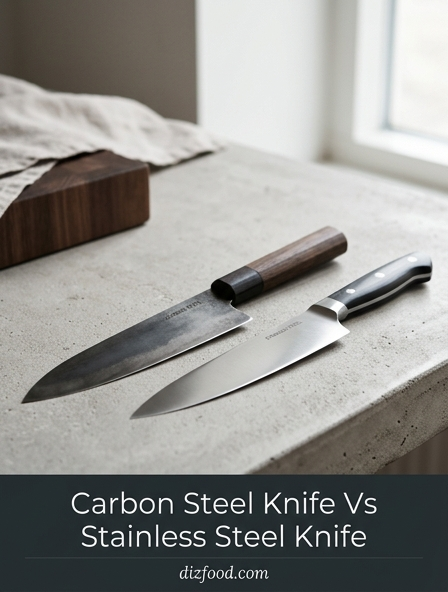
Efficiency in the kitchen is not just about cooking speed but also about the time spent on maintenance. Stainless steel is widely regarded as the lowest-maintenance material available for culinary tools. Unlike carbon steel, which requires immediate drying and regular seasoning with food-grade oil to prevent rust, stainless steel is virtually "set and forget." It is generally dishwasher safe-though hand washing is often recommended for knives to preserve edge sharpness-and it does not require any specialized cleaners to maintain its luster or functionality.
- Resistant to staining from dark pigments like beets or turmeric.
- Does not require seasoning or surface treatments.
- Compatible with abrasive scrubbing pads for removing burnt-on food.
- Maintains its finish without the need for periodic polishing.
For high-volume kitchens, this ease of cleaning translates into significant labor savings. Prep cooks and dishwashers can move through large volumes of equipment quickly without the fear of damaging the finish. The durability of the surface also means that it can withstand the physical rigors of a commercial dishwasher's high-pressure jets and high-heat drying cycles, ensuring the equipment is ready for the next shift with minimal manual intervention.
Non Reactive Metals and Flavor Purity
The chemical neutrality of stainless steel is one of its most critical yet overlooked benefits in the kitchen. Many common ingredients, such as tomatoes, citrus fruits, and vinegars, are highly acidic. When these items come into contact with reactive metals like aluminum or cast iron, a chemical reaction occurs that can leach a metallic tang into the food and discolor the ingredients. Stainless steel, being non-reactive, ensures that the flavor profile of the dish remains exactly as intended, preserving the delicate balance of spices and the natural sweetness of the produce.
- Maintains the vibrant color of acidic vegetables and sauces.
- Prevents "off-flavors" caused by metallic leaching.
- Ensures that delicate sauces do not turn gray or dull.
- Allows for long-term marinating without altering the food's chemistry.
This purity is essential for professional chefs who spend years refining their recipes. When using stainless steel bowls, pans, and knives, there is no risk of the equipment interfering with the culinary outcome. Whether reducing a balsamic glaze or whipping a lemon curd, the cook can be confident that the final product will be free from chemical interference, showcasing the true essence of the ingredients used.
Retaining Sharp Edges for Precision
Precision in the kitchen is directly linked to the sharpness of the cutlery. Stainless steel alloys used in high-end knives are formulated with specific amounts of carbon, vanadium, and molybdenum to enhance edge retention. While "soft" steel might dull after just a few minutes of use on a polyethylene board, modern stainless steel undergoes sophisticated heat treatment processes to reach a high Rockwell hardness. This allows the blade to maintain a razor-sharp apex through hours of intensive prep work, reducing the need for frequent honing and sharpening.
| Steel Grade | Edge Retention Property |
|---|---|
| Standard Stainless | Good for general tasks; easy to sharpen. |
| High-Carbon Stainless | Excellent retention; stays sharp through heavy use. |
| VG-10 / CPM-S35VN | Premium retention; professional-grade precision. |
The ability to retain a fine edge is not just about convenience; it is a matter of safety and quality. A sharp knife requires less pressure to pass through food, reducing the likelihood of the blade slipping and causing injury. It also ensures that delicate herbs are sliced cleanly rather than crushed, preserving their essential oils and preventing premature browning, which is vital for high-end presentation.
Withstanding Extreme Kitchen Temperatures
Stainless steel is uniquely suited to handle the radical temperature fluctuations common in culinary environments. From the freezing depths of a walk-in freezer to the intense heat of a gas range or industrial oven, the material maintains its structural integrity without warping or becoming brittle. This thermal stability is a result of the metal's low coefficient of thermal expansion, which ensures that stainless steel pans and utensils do not distort when moved rapidly between different thermal zones. In professional cooking, where a pan might go from a searing-hot burner to a cold deglazing liquid, this resistance to thermal shock is paramount to prevent permanent damage to the cookware. Furthermore, stainless steel does not melt or release toxic fumes at standard cooking temperatures, making it a safer choice than non-stick coatings that can degrade under high heat. Whether it is a stainless steel cooling rack or a heavy-duty stockpot, the material's ability to withstand these extremes makes it an indispensable asset in any kitchen that demands high performance and reliability across a wide range of cooking techniques and storage conditions.
Professional Aesthetics with Rugged Build
The visual appeal of stainless steel is synonymous with the modern, professional kitchen. Its sleek, silvery finish provides a clean and organized aesthetic that reflects light, making even small kitchens feel more spacious and bright. However, this beauty is far from superficial; it is backed by a rugged build that can withstand the daily "warfare" of a busy cook line. Unlike painted or coated surfaces, the color of stainless steel is consistent throughout the metal, meaning it will never chip, peel, or fade, regardless of how many times it is scrubbed or bumped.
- Brushed finishes hide fingerprints and minor surface scratches.
- Mirror polishes provide a high-end, luxury look for open kitchens.
- Complements a wide variety of other materials like stone or wood.
- Resists denting from accidental drops or heavy equipment.
This combination of form and function is why stainless steel remains the industry standard. It communicates a sense of cleanliness and professionalism to customers in open-kitchen concepts while providing the "bulletproof" durability that chefs need. Over years of service, the metal develops a fine patina of use that many professionals admire, signaling a kitchen that is hard-working yet meticulously maintained.
Cost Effective Longevity for Cooks
While the initial investment in high-quality stainless steel equipment may be higher than cheaper alternatives like aluminum or plastic, the long-term cost effectiveness is unparalleled. Stainless steel tools often last for decades, if not a lifetime, because they do not suffer from the degradation, rust, or breakage that plague other materials. When calculating the "cost per use," stainless steel consistently emerges as the most economical choice for both home cooks and professional restaurateurs who wish to avoid the constant cycle of replacing worn-out gear.
| Material | Expected Lifespan | Replacement Frequency |
|---|---|---|
| Plastic / Composite | 1-3 Years | High |
| Standard Aluminum | 3-7 Years | Moderate |
| Stainless Steel | 20+ Years | Very Low |
The longevity of stainless steel also contributes to environmental sustainability by reducing the volume of kitchen waste sent to landfills. A single set of high-quality stainless steel pots or knives can serve multiple generations of cooks. This permanence makes it a wise financial decision, as the value of the tool is realized over thousands of meals, far outweighing the upfront price. For the serious cook, stainless steel represents a one-time purchase that delivers consistent, reliable performance for a lifetime of culinary exploration.

Comments