
Selecting Premium Peppers for Optimal Texture
Achieving structural uniformity in the kitchen begins long before the knife touches the cutting board. When selecting peppers, the chef must prioritize turgidity and wall thickness. A premium pepper should possess a firm, glossy skin that resists slight pressure, indicating high water content and cellular integrity. This internal pressure is vital for clean cuts; a soft or shriveled pepper will compress under the blade, resulting in jagged edges and inconsistent dimensions that disrupt the visual harmony of a dish.
- Wall Thickness: Thicker walls provide a more stable substrate for precise cubing.
- Surface Curvature: Selecting peppers with flatter sides reduces waste during the squaring-off process.
- Skin Elasticity: Vibrant, taut skin ensures the blade shears through rather than tearing the outer layer.
- Weight Density: Heavier peppers typically indicate a denser cellular structure, essential for maintaining shape during high-heat cooking.
By curating ingredients based on these physical attributes, the foundation for mathematical precision is established. Uniformity is not merely a skill of the hand but a consequence of the material's structural viability.
Essential Knife Geometry for Precise Dicing
The mechanical success of a uniform dice is heavily dependent on the geometry of the blade. A traditional French chef's knife or a Japanese Santoku offers the necessary profile for high-level precision. The blade must have a slight distal taper, allowing the tip to handle intricate work while the heel provides power for initial breakdown. Understanding the bevel angle is equally crucial; a 15-degree angle provides the sharpness required to pierce pepper skin without sliding, which is the primary cause of irregular cuts.
- The Spine: A thicker spine provides stability and prevents the blade from flexing during deep cuts.
- The Edge: A razor-sharp edge ensures that the vegetable's cells are sliced rather than crushed.
- The Heel: Useful for making the primary vertical incisions when processing large batches of peppers.
- The Tip: Essential for the "squaring off" phase where precision trimming is required.
A balanced knife acts as an extension of the forearm, allowing the chef to maintain a consistent angle throughout the dicing process. Without proper tool geometry, even the most practiced technique will fail to produce the geometric perfection required for professional plating.
The Square Off Technique for Uniformity
To transform a naturally globular pepper into perfectly uniform cubes, the "square off" technique is indispensable. This process involves removing the stem and the base to create two flat, parallel surfaces. By making a single vertical slit down the side and rolling the pepper flat against the board, the chef creates a rectangular sheet of flesh. This flat plane is the prerequisite for all subsequent geometric reductions, ensuring that every piece of dice originates from a uniform thickness.
| Step | Action | Objective |
|---|---|---|
| Top/Tail | Remove ends | Establish flat base |
| Unrolling | Slit and flatten | Create a 2D plane |
| Trimming | Squaring edges | Remove irregularities |
This systematic approach minimizes "off-cuts" and ensures that the final product consists only of right-angled pieces. While it may seem wasteful, the trimmings can be reserved for purees or stocks, preserving the primary cuts for the most visually demanding elements of the presentation.
Removing the Pith for Clean Presentation
The internal anatomy of a pepper includes the pith, or the white placental ribs, which can compromise the structural uniformity and flavor profile of a dish. The pith is spongy and lacks the crisp texture of the outer flesh; if left attached, it creates a dual-textured piece that cooks unevenly and appears unrefined. Professional preparation requires the removal of these membranes to achieve a sleek, monolithic appearance for every dice. Using a sharp blade to plane away the pith ensures a consistent thickness across the entire vegetable sheet.
- Visual Clarity: Removing white pith ensures the vibrant pigment of the pepper is the sole focus.
- Texture Consistency: Eliminates the soft, fibrous mouthfeel that contrasts poorly with the crunch of the flesh.
- Flavor Neutrality: The pith often contains bitter notes that can detract from the pepper's natural sweetness.
- Structural Evenness: A flat, pith-free surface allows for perfectly rectangular batonnets.
By meticulously cleaning the interior, the chef guarantees that the resulting dice will be uniform not only in dimensions but also in color and density, elevating the overall professionalism of the preparation.
Mastering Standard Dice Dimensions
In the culinary arts, uniformity is governed by standardized measurements. Mastery over these dimensions allows a kitchen to function with mathematical predictability. For peppers, the dice size determines the cooking rate and the mouthfeel of the final dish. When every piece is the same size, they respond to heat at the exact same rate, preventing the textural failure of having some pieces overcooked while others remain raw. The following table outlines the standard measurements used to achieve structural harmony.
| Cut Name | Dimensions (Metric) | Common Use |
|---|---|---|
| Brunoise | 2mm x 2mm x 2mm | Fine garnishes |
| Small Dice | 6mm x 6mm x 6mm | Salsas and relishes |
| Medium Dice | 12mm x 12mm x 12mm | Stews and sautéed sides |
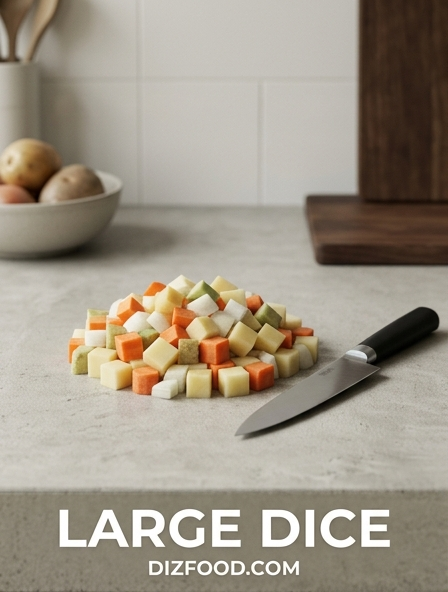
| Large Dice | 20mm x 20mm x 20mm | Roasting and hearty soups |
Consistency in these dimensions is the hallmark of a disciplined chef. Utilizing a ruler during practice sessions can help calibrate the eye to these specific measurements, ensuring that the visual output remains consistent across various shifts and service periods.
Cutting Skin Side Down for Stability
A critical technical nuance in pepper preparation is the orientation of the vegetable on the cutting board. Placing the skin side down-flesh side up-provides significant mechanical advantages. The waxy exterior of a pepper can be remarkably slippery, often causing a knife blade to deflect or "skate" if the cut is initiated from the skin side. By cutting through the internal flesh first, the blade gains immediate purchase, allowing for a stabilized and controlled descent through the tougher skin layer at the bottom.
- Place the squared-off pepper sheet flat with the skin touching the board.
- Align the knife for the vertical batonnet cuts.
- Apply steady downward pressure; the flesh will guide the blade.
- Complete the cut through the skin for a clean, snap-like finish.
This technique is not only a matter of precision but also of safety. Reducing the likelihood of the blade slipping ensures that the chef can maintain a rapid pace without sacrificing the geometric integrity of the dice or risking injury. Stability is the silent partner of uniformity.
Maintaining Structural Integrity Through Blade Sharpness
The structural integrity of a pepper is held together by its cellular walls. When a dull knife is used, these walls are crushed rather than sliced, leading to "weeping"-the loss of internal moisture and turgor. This cellular collapse results in a flaccid dice that lacks the crisp, architectural edges required for premium presentation. A razor-sharp blade preserves the microscopic structure, ensuring that the edges of each dice remain sharp and the juices stay inside the vegetable. This is especially important for items served raw, where the "crunch" factor is paramount.
- Cellular Preservation: Clean cuts prevent the oxidation and browning associated with bruised tissue.
- Moisture Retention: Sharp blades minimize the release of enzymes that degrade texture.
- Geometric Precision: A sharp edge follows the intended path without deviating due to resistance.
- Efficiency: Reduced physical effort allows the chef to focus on the symmetry of the movement.
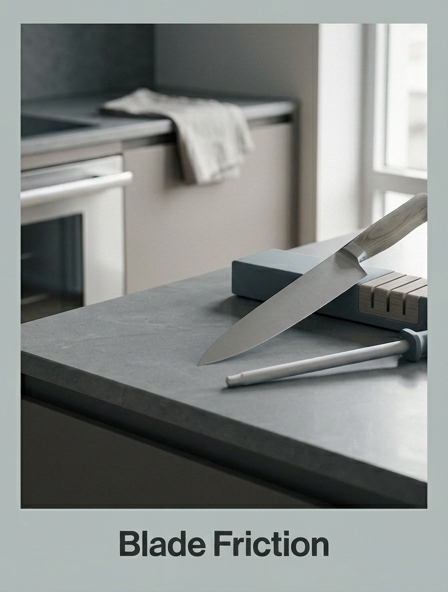
Frequent honing and regular whetstone sharpening are non-negotiable practices for maintaining the tools that define kitchen uniformity. A sharp knife is the only way to achieve the "glass-like" finish on the cut surfaces of a pepper.
Color Coordination and Visual Plating Impact
Structural uniformity extends beyond shape into the realm of chromatic balance. When peppers of different colors-red, yellow, and green-are diced to the exact same dimensions, they create a mosaic effect that is visually arresting. The symmetry of the shapes allows the eye to focus on the vibrant color palette rather than being distracted by irregular sizes. In high-end plating, the geometric repetition of colorful dice provides a sense of order and intentionality that signals quality to the diner.
| Color | Visual Role | Plating Effect |
|---|---|---|
| Red | Bold contrast | Draws immediate attention |
| Yellow | Brightness | Adds highlights to the dish |
| Green | Earthy base | Provides a grounded aesthetic |
Using a mix of colors while maintaining identical sizing creates a sophisticated "confetti" effect. This level of detail transforms a simple ingredient into a decorative element, proving that uniformity is a powerful tool for enhancing the psychological appeal of a meal.
Texture Retention During Pre Cook Preparation
Once the peppers have been meticulously diced, maintaining their structural integrity until the moment of service is the next challenge. Exposure to air can cause the edges of the dice to dry out and curl, ruining the uniform appearance. To prevent this, diced peppers should be stored under specific conditions that inhibit moisture loss. For short-term storage, a damp paper towel placed over the prep container is often sufficient. For longer periods, submerging the dice in a cold-water bath can maintain turgor pressure, keeping the peppers crisp and the edges sharp.
- Temperature Control: Keep prep in a refrigerated environment (approx. 4°C) to slow enzymatic breakdown.
- Humidity Management: Use airtight containers to prevent the refrigerator's dry air from desiccating the cuts.
- Avoid Over-Stacking: Do not pile dice too high; the weight of the top layers can bruise the pieces at the bottom.
By treating the prepared vegetable as a delicate architectural product, the chef ensures that the labor invested in the dicing process is not lost to environmental degradation before the plate reaches the customer.
Advanced Brunoise Techniques for Fine Garnishes
The Brunoise is the pinnacle of the dicing hierarchy, requiring a level of precision that tests the most seasoned professionals. This technique involves reducing the vegetable into tiny cubes measuring approximately 2 millimeters on each side. Achieving uniformity at this scale requires a perfect mastery of the julienne cut first. Each batonnet must be exactly 2mm wide before being turned 90 degrees for the final reduction. This cut is rarely about volume and almost always about the delicate, jewel-like finish it provides to soups, sauces, or appetizers.
- Create ultra-thin sheets of pepper by carefully planing the internal wall.
- Cut the sheets into fine julienne strips (2mm wide).
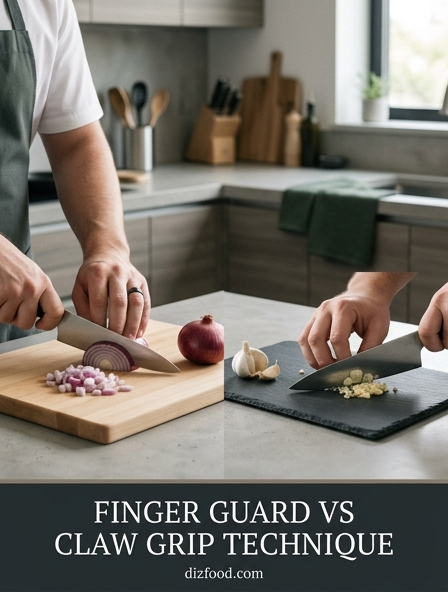
- Bundle the strips tightly with the non-cutting hand using the "claw" grip.
- Perform rapid, micro-adjustments with the knife to produce the 2mm cubes.
At the Brunoise level, there is no room for error. A single oversized cube will stand out against the thousands of uniform counterparts. This technique represents the ultimate marriage of tool, talent, and structural discipline in the modern kitchen.

Comments