
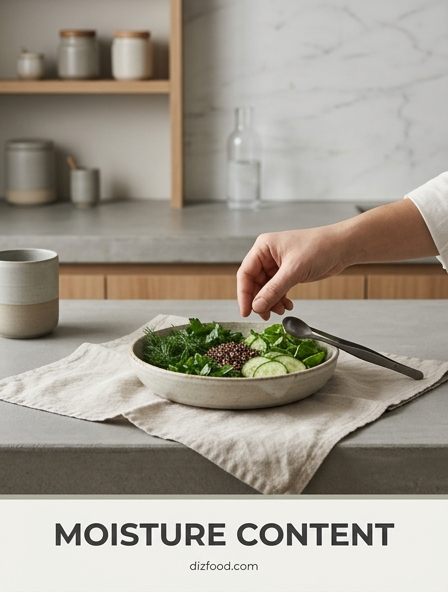
Mastering moisture control is the secret handshake of professional chefs, ensuring your dishes maintain their intended texture and vibrant flavor profiles. To prevent soggy culinary creations, it is essential to employ techniques like salting watery vegetables, patting proteins dry, and choosing the right cutting methods to minimize liquid release. Whether you are layering a crisp salad or building a gourmet sandwich, managing internal hydration prevents ingredients from breaking down into a mushy mess. A great place to start refining your precision and moisture management is by exploring the nuances of Tomato Concasse Vs Seeded Tomato Dice.
Optimizing Knife Sharpness to Reduce Cellular Damage
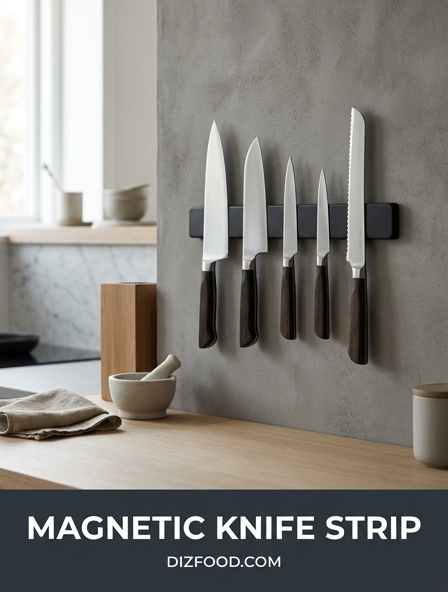
The precision of a chef's knife directly dictates the moisture retention of the ingredient being processed. When a blade is dull, it acts as a wedge rather than a shearing tool, exerting downward pressure that crushes plant and animal cells. This mechanical trauma ruptures the vacuole membranes in vegetables and the sarcolemma in proteins, leading to a phenomenon known as "weeping." In this state, intracellular fluids leak onto the cutting board, resulting in a loss of nutrients, flavor, and structural integrity.
To minimize this fluid loss, maintenance of a razor-sharp edge is essential. A clean slice minimizes the surface area of damaged tissue, ensuring that the moisture remains trapped within the cellular walls until heat is applied during the cooking process. The following factors contribute to cellular integrity:
- Edge Geometry: Thinner blades reduce the displacement of fibers.
- Honing Frequency: Regular use of a ceramic rod aligns the microscopic teeth of the blade.
- Slicing Motion: Utilizing the full length of the blade reduces the vertical force required to pass through the ingredient.
Strategic Salting for Pre Cooking Moisture Extraction
Salting serves a dual purpose in the kitchen: seasoning and moisture management. Through the process of osmosis, salt draws water from the interior of vegetables and meats toward the surface. This is particularly critical for ingredients with high water content, such as eggplant, zucchini, and cabbage. By applying salt well before cooking, the chef can induce "sweating," which firms the texture of the ingredient and prevents the final dish from becoming watery or sodden.
- Apply a generous coating of kosher salt to the sliced surfaces of the vegetable.
- Allow the ingredient to sit for 20 to 60 minutes depending on thickness.
- Observe the accumulation of beads of water on the surface.
- Rinse away the excess salt and pat the ingredient thoroughly dry.
This technique is indispensable for achieving a crisp exterior during frying or roasting, as it removes the excess liquid that would otherwise convert to steam and dampen the Maillard reaction.
The Science of Surface Area in Diced Ingredients
The relationship between an ingredient's volume and its surface area is a primary driver of moisture loss during preparation. When an item is diced into smaller pieces, the total surface area exposed to the atmosphere increases exponentially. This increased exposure facilitates faster evaporation and greater exudation of juices. In a professional kitchen, understanding this ratio allows for better control over the final texture and concentration of flavors.
| Cut Type | Surface Area Ratio | Moisture Loss Rate |
|---|---|---|
| Large Dice (2cm) | Low | Slow / Retained |
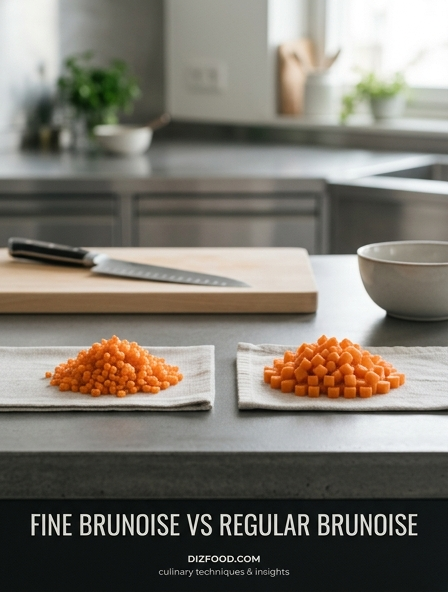
| Brunoise (3mm) | High | Rapid / Evaporative |
| Mincing | Extreme | Maximum / Immediate |
Choosing the correct cut size depends on the desired outcome. Larger cuts are preferable for long braises where moisture retention is key, while finer cuts are ideal for quick reductions where rapid moisture evaporation is the goal.
Effective Drainage Methods Using Paper Towels and Racks
Managing surface moisture is a critical step that occurs between preparation and the application of heat. Even after dicing, ingredients often carry residual moisture from washing or internal weeping. If this liquid is not managed, it creates a barrier between the food and the cooking fat, leading to uneven browning. Effective drainage utilizes gravity and capillary action to clear away these fluids.
Using a combination of specialized tools ensures the best results:
- Elevated Wire Racks: These allow for 360-degree airflow, preventing the bottom of the ingredient from sitting in its own juices.
- Multi-layered Paper Towels: High-absorbent liners placed beneath diced goods wick away moisture via capillary action.
- Centrifugal Spinners: Useful for leafy greens to remove wash water without bruising the delicate structures.
For high-moisture vegetables like tomatoes or cucumbers, dicing directly into a mesh strainer set over a bowl allows the liquid to separate immediately, preserving the integrity of the remaining solids for salads or garnishes.
Managing Osmosis in High Water Content Vegetables
Osmosis is the movement of water through a semi-permeable membrane from a region of low solute concentration to a region of high solute concentration. In the kitchen, we manipulate this biological process to control the turgidity of vegetables. When vegetables like cucumbers are diced and left untreated, they slowly lose water to the drier air; however, when sugar or salt is introduced, the process accelerates dramatically.
This management is vital when creating raw preparations or quick pickles. If the osmotic pressure is not addressed before the vegetable is added to a dressing, the vegetable will release its water into the sauce, thinning the emulsion and diluting the flavor profile. To prevent this, "purging" the vegetable through a controlled osmotic environment allows the chef to remove the excess water beforehand. This results in a "crunchier" texture, as the cell walls collapse slightly and become more concentrated with fibers and solids, providing a superior mouthfeel in the finished dish.
The Importance of Patting Dry After the Dice
While internal moisture is often desired for juiciness, surface moisture is frequently the enemy of high-quality cooking. Once an ingredient is diced, the newly exposed surfaces are coated in cellular fluid. If these pieces are moved directly to a hot pan, the energy of the stove is first spent evaporating that surface liquid before any browning can occur. This delay often results in the ingredient being boiled or steamed in its own juices, leading to a soft, gray exterior.
Patting dry is a simple yet transformative step in prep work. By using a clean lint-free towel or heavy-duty paper towel to press against the diced ingredients, you achieve several goals:
- Immediate Searing: Proteins and sugars react instantly with the hot surface.
- Oil Retention: Prevents hot oil from splattering when it contacts water.
- Flavor Concentration: Removes the water that would otherwise dilute the seasoning.
This step is particularly vital for scallops, mushrooms, and cubed root vegetables intended for roasting.
Thermal Regulation for Thawing and Dicing Frozen Goods
The moisture content of frozen goods is significantly affected by the rate of thawing. When food is frozen, ice crystals form within the cells. Large crystals, caused by slow freezing, puncture cell walls. Upon thawing, these damaged cells release "purge," the liquid often found in the bottom of a container. To manage moisture during dicing, it is often beneficial to cut proteins or vegetables while they are still partially frozen, a state known as "tempering."
Tempering provides two main advantages for moisture management. First, the semi-solid state of the water within the cells prevents it from leaking out during the dicing process. Second, the cold temperature keeps the fats and proteins firm, allowing for more precise cuts with less mechanical pressure. However, once diced, these pieces must be monitored closely. As they reach room temperature, the increased surface area will cause them to release moisture faster than a whole piece. Immediate cooking or proper refrigerated storage on an absorbent surface is required to maintain quality.
Timing Ingredient Preparation to Prevent Cellular Breakdown
In a professional mise en place, timing is as much a factor in moisture control as temperature. Many ingredients begin to degrade the moment they are cut. Enzymatic browning and cellular respiration increase once the skin or rind is breached. For high-moisture items, dicing them too far in advance of service leads to a significant loss of structural turgor. The cell walls, no longer supported by internal pressure, begin to soften, and the texture turns from crisp to mealy.
To optimize moisture levels, a "just-in-time" preparation strategy is often best. Use the following guidelines for prep timing:
- Aromatics (Onions, Garlic): Can be diced 2-4 hours ahead if stored airtight.
- Leafy Herbs: Should be cut immediately before use to prevent wilting.
- High-Acid Fruits: Cut close to service to prevent the juices from macerating the fruit.
- Cruciferous Vegetables: Can be prepped earlier as their hardy cell walls resist moisture loss longer.
Maximizing Airflow During Pre Prep Storage
When diced ingredients are stored in airtight containers, they often "sweat." This occurs because the vegetables continue to respire, releasing water vapor into the small pocket of air. Without proper ventilation, this vapor condenses on the walls of the container and falls back onto the food, creating a swampy environment that encourages bacterial growth and spoilage. Maximizing airflow during storage is essential for maintaining the "dry" state required for sautéing or frying.
Proper storage configurations include:
- Perforated hotel pans nested inside solid pans to allow drainage.
- Loosely covering containers with a damp cloth rather than a plastic lid.
- Utilizing specialized produce storage bins with built-in vents.
By allowing the surface of the diced ingredients to stay slightly dry through controlled airflow, you preserve the natural snap of the vegetable and ensure that it reacts favorably when introduced to the high heat of a skillet or wok.
High Heat Sauteing Techniques for Rapid Evaporation
The final stage of moisture management occurs in the pan. High heat sautéing is essentially a race between the release of internal moisture and the evaporation of that moisture into the air. If the pan temperature is too low, or if the pan is overcrowded, the moisture being released by the diced ingredients accumulates at the bottom. This drops the temperature further, leading to an unintended boil.
To ensure rapid evaporation, the chef must maintain a high thermal mass. This is achieved by using heavy-bottomed pans and cooking in batches. The goal is to flash-evaporate the water as soon as it exits the cell. This process concentrates the sugars and proteins on the surface of the food. When done correctly, the steam rises away from the food quickly, leaving the exterior dry and crisp while the interior remains succulent. Constant movement of the ingredients in the pan also aids this process by ensuring that no single side of the dice remains in contact with trapped moisture for too long.

Comments