
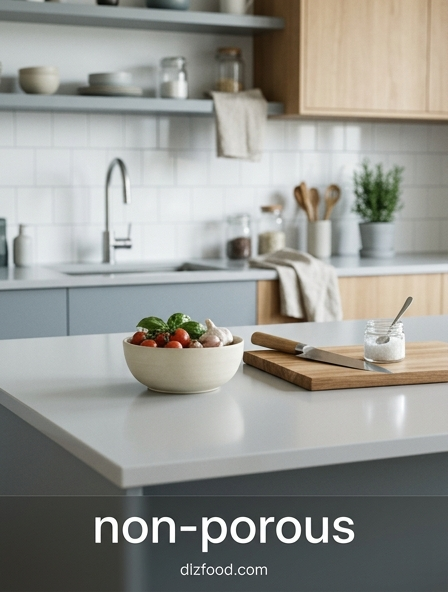
Understanding Non-Porous Surfaces in Modern Kitchens
Non-porous surfaces are fundamental to the architecture of a high-functioning modern kitchen. Unlike natural wood or certain unsealed stones, these materials possess a solid, impermeable structure that prevents air, water, and microscopic particles from penetrating the surface. In a culinary environment, this characteristic is essential because it ensures that liquids, such as raw meat juices or acidic vegetable extracts, remain on the surface where they can be easily wiped away rather than being absorbed into the core of the material.
- High-density polyethylene (HDPE) used in professional cutting boards.
- Stainless steel countertops and prep stations.
- Tempered glass surfaces and backsplash protectors.
- Engineered quartz and non-porous resins.
By opting for non-porous materials, homeowners and professional chefs alike create a more controlled environment. These surfaces do not require the intensive sealing treatments that porous alternatives demand, making them lower maintenance over their lifespan. Understanding the molecular density of these items helps in selecting the right tools for tasks that involve high moisture or high risk of bacterial transfer, ensuring the kitchen remains both aesthetic and functional.
Preventing Bacterial Growth on Food Prep Areas
The primary defense against foodborne illnesses in any kitchen is the management of moisture. Bacteria, such as Salmonella and E. coli, thrive in damp, nutrient-rich environments. When a kitchen surface is porous, it acts like a sponge, drawing in moisture and organic food particles that become trapped deep within the material. Once embedded, these microbes are shielded from surface-level cleaning agents, allowing them to colonize and multiply rapidly. This hidden bio-burden can lead to persistent contamination issues that are difficult to eradicate with standard wiping.
Non-porous materials disrupt this biological cycle by denying bacteria a place to hide. Because the surface is sealed at a molecular level, any liquid remains accessible to sanitizing solutions. This exposure ensures that disinfectants can come into direct contact with pathogens, neutralizing them effectively. Furthermore, the lack of internal moisture prevents the "wicking" effect, where contaminated water is pulled through the board or countertop. By maintaining a dry, impermeable barrier, you significantly reduce the risk of creating a reservoir for harmful microorganisms, keeping your food preparation areas naturally more hygienic throughout the day.
Comparing Porous versus Non-Porous Cutting Boards
Selecting the right cutting board involves understanding how different materials interact with food and moisture. While many prefer the aesthetic of natural wood, the structural differences between porous and non-porous options have significant implications for daily kitchen hygiene and maintenance protocols.
| Feature | Porous (Wood/Bamboo) | Non-Porous (Plastic/Glass) |
|---|---|---|
| Liquid Absorption | High; can swell or warp. | Zero; remains stable. |
| Sanitization | Manual wash; air dry only. | Dishwasher safe; chemical resistant. |
| Bacterial Risk | Traps microbes in fibers. | Microbes stay on surface. |
| Odor Retention | Often retains pungent smells. | Resistant to odors. |
The table above illustrates that while porous boards may be gentler on knife edges, they require much more diligent care to prevent contamination. Non-porous boards, particularly those made from high-density plastics, offer a practical solution for handling high-risk proteins. Because they do not absorb blood or juices, they are the preferred choice for poultry and seafood preparation in both residential and commercial settings.
Why Material Density Matters for Food Safety
Material density is a critical factor in determining how a kitchen surface performs under the pressure of daily use. From a scientific perspective, density refers to how closely the molecules of a material are packed together. In high-density materials like specialized kitchen plastics or stainless steel, there are no "voids" or microscopic gaps. This lack of space is what makes a material non-porous. When you dice wet ingredients or handle raw proteins, the density of the surface determines whether the fluids remain on top or migrate into the interior of the tool.
- Structural Integrity: High-density materials resist the deep gouging that can lead to bacterial reservoirs.
- Hydrophobic Properties: Denser surfaces naturally repel water, making them easier to dry.
- Use color-coded non-porous boards for different food groups.
- Ensure surfaces are rinsed with high-temperature water between tasks.
- Avoid using the same surface for raw meat and ready-to-eat vegetables.
- Take advantage of the non-absorbent nature of plastic to use bleach-based sanitizers safely.
- HDPE Plastic: Durable, dishwasher safe, and gentle on knives.
- Stainless Steel: The ultimate in hygiene; perfect for pastry and raw meat.
- Tempered Glass: Completely non-porous and heat resistant, though tough on knife edges.
- Solid Surface Resins: Non-porous man-made materials that offer a stone-like feel without the porosity.
Food safety is fundamentally improved when materials are dense enough to prevent "flavor bleeding" and microbial colonization. If a material is low-density, it is inherently more susceptible to absorbing cleaning chemicals or food waste, which can lead to chemical leaching or rot. Investing in high-density, non-porous equipment ensures a safer culinary workflow.
Eliminating Persistent Odors and Deep Stains
One of the most frustrating aspects of kitchen maintenance is the lingering smell of garlic, onions, or fish on preparation surfaces. This phenomenon occurs when volatile organic compounds from the food are absorbed into the microscopic pores of a cutting board or countertop. Once these compounds are inside the material, simple surface washing is often insufficient to remove them. Over time, these trapped odors can transfer to other foods, such as fruits or bread, altering their flavor profile and ruining the culinary experience.
Non-porous surfaces provide a definitive solution to this problem. Because the material does not allow for absorption, odor-causing molecules remain on the exterior where they can be completely emulsified by soap and rinsed away. The same principle applies to deep stains from highly pigmented foods like beets, turmeric, or red wine. On a non-porous surface, these pigments cannot penetrate the "skin" of the material. This ensures that your kitchen tools remain aesthetically pristine and free from the cross-flavoring that plagues porous equipment. By choosing materials that reject absorption, you maintain the sensory integrity of every ingredient you prepare.
Reducing Cross Contamination Risks While Dicing
Cross-contamination is a leading cause of food poisoning, occurring when pathogens are transferred from one food item to another via a shared surface. During the dicing process, knives frequently push juices across the board. If the board is porous, these juices-and any bacteria they contain-can become lodged in the grain. Even if the board is wiped between tasks, the internal contamination remains a threat when the next item is sliced, as the pressure of the knife can "squeeze" old contaminants back to the surface.
By utilizing non-porous materials, the risk is significantly mitigated because the surface can be fully neutralized in seconds. There is no hidden "reservoir" of liquid that can leak out later. This allows for a much safer transition between dicing chicken and dicing salad greens, provided the surface is properly sanitized. Non-porous materials facilitate a "clean as you go" philosophy that is essential for health safety.
Sanitization Benefits of Non-Absorbent Materials
The ability to thoroughly sanitize kitchen equipment is the hallmark of a professional-grade kitchen. Non-absorbent materials offer a distinct advantage in this area because they are compatible with a wider range of cleaning methods. Most non-porous cutting boards, for example, are heat-resistant and chemically stable enough to be placed in a commercial dishwasher. The combination of high-temperature water and specialized detergents provides a level of sterilization that is impossible to achieve with porous materials, which would warp, crack, or delaminate under such harsh conditions.
Furthermore, non-absorbent surfaces allow for the use of potent disinfectants without the fear of the material soaking up the chemicals. In a porous surface, cleaning agents can become trapped, potentially leaching into food during the next use. With non-porous items, the chemical sits on the surface, kills the pathogens, and is then completely rinsed away. This leads to a surface that is not just visibly clean, but biologically safe. The efficiency of cleaning non-porous materials saves time and provides peace of mind, ensuring that the kitchen environment remains sterile even after processing high-risk ingredients.
Avoiding Deep Knife Grooves and Microbe Traps
While no cutting surface is completely immune to the effects of a sharp blade, non-porous materials like high-density polyethylene (HDPE) are engineered to minimize the impact of "scarring." When a knife cuts into a surface, it creates microscopic grooves. In porous materials, these grooves often splinter or open up, creating deep fissures that are nearly impossible to clean. These fissures become "microbe traps," where food particles and moisture collect, creating a protected breeding ground for bacteria that no sponge can reach.
Non-porous surfaces, particularly high-quality plastics, tend to be more resilient. While they will eventually show signs of use, the grooves remain shallow and the material does not "open up" in the same way organic fibers do. Because the material is non-absorbent, even when a groove is present, the bacteria cannot penetrate deeper into the board's core. Regular maintenance, such as resurfacing or replacing boards when they become excessively scarred, is much easier with non-porous options. By preventing the formation of deep microbe traps, you ensure that your dicing tasks remain hygienic throughout the entire lifespan of the kitchen tool.
Impact of Surface Porosity on Kitchen Longevity
The longevity of kitchen tools and surfaces is directly tied to their porosity. Porous materials are subject to internal stresses caused by the absorption and evaporation of moisture. This constant cycle of swelling and shrinking leads to structural failure, including cracking, splitting, and warping. Over time, these defects make the surface unusable and unsafe.
| Material Type | Expected Lifespan | Failure Mode |
|---|---|---|
| Unsealed Wood | 1-3 Years | Cracking and rot. |
| Low-Density Plastic | 2-5 Years | Deep scarring and staining. |
| High-Density Plastic | 5-10 Years | Surface wear; remains flat. |
| Stainless Steel | 20+ Years | Minimal wear; no structural failure. |
As shown, non-porous materials generally offer superior durability. Because they do not absorb water, they are immune to the rot and mold that can destroy porous items. This makes them a more cost-effective investment in the long run. They maintain their flat profile and structural integrity even after thousands of wash cycles, ensuring that your kitchen remains equipped with reliable, safe, and long-lasting preparation surfaces.
Best Non-Porous Materials for Daily Dicing Tasks
When selecting materials for daily dicing and food preparation, several non-porous options stand out for their balance of safety, durability, and knife-friendliness. The goal is to choose a surface that protects the food from contamination while also preserving the edge of your cutlery. High-density polyethylene (HDPE) is widely considered the industry standard for professional kitchens due to its resilience and ease of cleaning.
For most home cooks, a set of high-quality HDPE cutting boards provides the best results for daily tasks. These boards are lightweight, easy to store, and can be sanitized quickly. By focusing on these non-porous materials, you ensure that your kitchen prep is efficient and meets the highest standards of food safety. Selecting the right material for the task at hand is the first step toward a healthier and more professional culinary environment.

Comments