
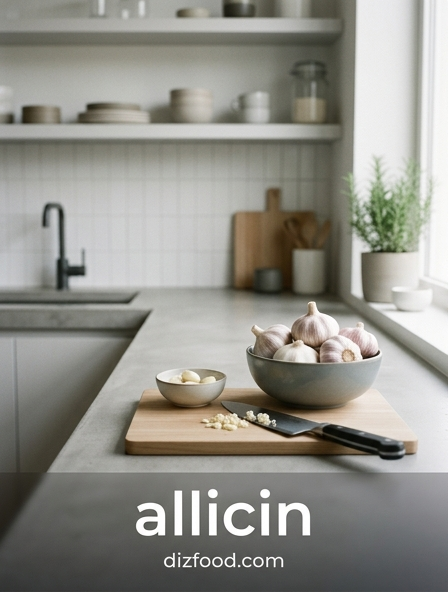
The Molecular Trigger of Garlic Pungency
The distinctive, sharp aroma of fresh garlic is not present within an undisturbed clove. Instead, it is the result of a sophisticated molecular defense mechanism triggered by physical trauma. When the cellular structure of garlic is compromised-whether by a knife's edge, a grater, or a mortar and pestle-a chemical cascade begins immediately. This transition from a dormant, odorless state to a pungent powerhouse is governed by the synthesis of allicin, an organosulfur compound that serves as the primary driver of garlic's sensory profile.
At the molecular level, this trigger is highly efficient, designed by nature to deter herbivores. In the kitchen, however, this defense mechanism is harnessed to create the foundation of countless savory dishes. The intensity of the pungency is directly proportional to the degree of cellular disruption. Because the compounds involved are highly volatile, the timing and method of the molecular trigger dictate the final aromatic outcome of the culinary preparation, influencing both the immediate scent in the kitchen and the long-term depth of the finished meal.
Enzymatic Activation via Precision Dicing
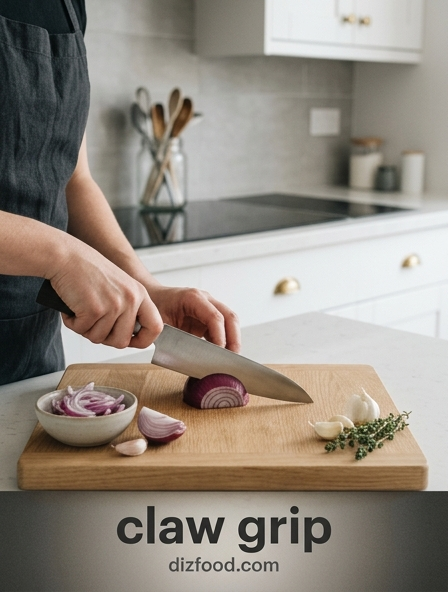
Precision dicing serves as more than just a culinary technique for visual uniformity; it is the physical catalyst for enzymatic activation. When a sharp blade slices through the garlic bulb, it shears the plant's cell walls, allowing previously separated components to mix. This mixing is essential for the creation of allicin, as the enzymes responsible for its production are stored in different compartments within the cell. The cleaner the cut, the more controlled the release of these enzymes, whereas bruising or crushing the garlic leads to a more chaotic and intense enzymatic surge.
Chef-level precision allows for a calculated manipulation of flavor. By choosing a specific dicing size, a cook determines exactly how many cells are ruptured per square millimeter. A fine dice creates a high volume of enzymatic interactions, leading to a sharp, assertive bite. Conversely, a rough chop leaves more cells intact, preserving the milder precursors and preventing the flavor from becoming overwhelming. Mastering this activation through knife skills is the first step in controlling the chemical potency of garlic in any recipe.
The Alliin and Alliinase Relationship
The synthesis of allicin requires a specific interaction between a substrate and an enzyme. Alliin, a derivative of the amino acid cysteine, acts as the precursor, while alliinase serves as the enzymatic catalyst. In an intact garlic clove, these two are kept strictly apart; alliin resides in the cytoplasm, while alliinase is sequestered within the vacuoles. This compartmentalization ensures that the potent sulfur compounds are only produced when the plant is under threat or being prepared for a meal.
| Component | Cellular Location | Primary Role |
|---|---|---|
| Alliin | Cytoplasm | Stable precursor substrate |
| Alliinase | Vacuole | Enzymatic catalyst |
| Allicin | Extracellular Space | Resultant pungent compound |
When the cell walls shatter, the enzyme alliinase quickly finds the alliin molecules. It cleaves the alliin to produce sulfenic acids, which then rapidly condense to form allicin. This relationship is highly sensitive to the environment, including pH levels and moisture, making the initial moments of kitchen preparation the most critical phase for chemical development.
Thiosulfinate Formation in the Kitchen
Allicin belongs to a class of organosulfur compounds known as thiosulfinates. The formation of these compounds is a rapid-fire chemical reaction that occurs within seconds of garlic being crushed. While allicin is the most prominent thiosulfinate, it is also highly unstable and begins to degrade or transform almost as soon as it is created. In the kitchen, this means the "garlic smell" is actually a snapshot of a moving chemical target. As thiosulfinates form, they contribute the characteristic "bite" and "burn" associated with raw garlic preparations like aioli or bruschetta topping.
The kitchen environment significantly influences how these thiosulfinates behave. For example, the presence of acids, such as lemon juice or vinegar, can inhibit the alliinase enzyme, thereby slowing down the thiosulfinate formation. This is why adding garlic to a vinaigrette results in a different flavor profile than adding it to plain oil. Understanding the temporary nature of these compounds allows a cook to better predict how the flavor will evolve from the cutting board to the final plate, ensuring the desired level of zest is maintained throughout the cooking process.
Surface Area and Chemical Concentration
The intensity of garlic flavor in a dish is fundamentally a function of surface area. As the surface area increases through finer processing, more cells are exposed to the atmosphere and more internal enzymes are liberated. This direct correlation allows cooks to use geometry to balance the flavor profile of a dish. The following list illustrates how different preparation methods impact the concentration of allicin and the resulting flavor intensity:
- Whole Cloves: Minimal surface area; produces a mild, nutty flavor when cooked.
- Sliced Garlic: Moderate surface area; provides a balanced, localized garlic flavor.
- Diced Garlic: High surface area; creates a strong, pervasive aromatic base.
- Pressed or Grated Garlic: Maximum surface area; results in the highest concentration of allicin and an aggressive, sharp heat.
By selecting the appropriate cutting method, a chef controls the kinetic energy of the flavor release. A paste made from garlic will distribute sulfur compounds uniformly throughout a sauce, while sliced chips will provide intermittent bursts of flavor. This relationship between physical dimensions and chemical concentration is a vital tool for achieving culinary balance.
Thermal Impact on Allicin Stability
Heat is the primary enemy of allicin stability. The enzyme alliinase is extremely heat-sensitive; once garlic is exposed to temperatures above 60°C (140°F), the enzyme denatures and the production of allicin ceases. Furthermore, allicin that has already been formed is rapidly broken down by heat into other sulfur-containing compounds, such as diallyl trisulfide and ajoene. These secondary compounds lack the sharp pungency of allicin and instead provide the mellow, sweet, and savory notes associated with roasted or sautéed garlic.
To preserve the medicinal and sharp sensory qualities of garlic, it must be added at the end of the cooking process or consumed raw. If the goal is a deep, caramelized background flavor, garlic should be introduced to the heat early. The speed at which garlic is heated also matters. Dropping minced garlic into a scorching hot pan will instantly deactivate the enzymes, resulting in a much milder flavor than if the garlic were started in a cold pan with oil and gradually brought up to temperature, allowing some enzymatic activity to occur before deactivation.
The Science of Resting Chopped Garlic
One of the most effective ways to maximize the chemical potential of garlic is to allow it to rest after it has been chopped but before it is exposed to heat. Scientific studies suggest a "10-minute rule" for garlic preparation. This resting period allows the alliinase enzyme to work through the available alliin substrate undisturbed, reaching a peak concentration of allicin. If garlic is thrown into a hot pan immediately after dicing, the enzyme is destroyed before it can complete its conversion, resulting in lower thiosulfinate levels.
This rest period acts as a buffer, ensuring that the garlic's health-promoting properties and its full flavor spectrum are "locked in" to some degree. Even when subsequently heated, garlic that has been allowed to sit retains more of its organosulfur benefits than garlic cooked immediately. For the home cook, this means that prepping garlic at the very beginning of the "mise en place" process is not just a matter of organization, but a strategic move to enhance the biochemical and sensory quality of the final dish.
Flavor Profiles of Sulfur Compounds
The complex flavor of garlic is not a single note but a symphony of various sulfur-containing molecules. While allicin provides the initial "hot" and "pungent" sensation that can be felt on the tongue and in the nasal passages, its degradation products offer a wider variety of tastes. As allicin breaks down during cooking, it transforms into sulfides that provide the "umami" and "sulfurous" depth essential to savory cooking. These compounds interact with other ingredients, particularly fats, to create a rounded mouthfeel.
In raw applications, the sulfur profile is dominated by the aggressive bite of thiosulfinates. However, when garlic is fermented, such as in the production of black garlic, the sulfur compounds undergo a slow Maillard reaction and enzymatic change, leading to a flavor profile that is sweet, balsamic, and entirely devoid of the original pungency. This demonstrates the versatility of garlic's chemistry; by manipulating the state of its sulfur compounds through time, temperature, and preparation, a cook can move from an sharp, abrasive flavor to a soft, candy-like sweetness.
Biochemical Benefits of Proper Prep
Allicin is widely studied for its potent antimicrobial, antifungal, and antioxidant properties. However, these benefits are entirely dependent on how the garlic is handled in the kitchen. Because allicin is the source of many of these health benefits, preparations that maximize its production-such as crushing and resting-are considered the most "bioactive." Once consumed, allicin interacts with red blood cells to produce hydrogen sulfide, which helps relax blood vessels and supports cardiovascular health.
To optimize these benefits, the following kitchen habits are recommended:
- Crush or mince garlic to maximize cellular disruption.
- Wait at least ten minutes before applying heat.
- Use low to medium heat to avoid scorching the delicate compounds.
- Incorporate raw garlic into dressings or dips whenever possible.
By understanding the biochemistry of allicin, the cook bridges the gap between culinary art and nutritional science. Proper preparation ensures that the garlic does more than just season a meal; it provides a functional boost to the body's defense systems through the efficient release of its protective sulfur molecules.
Mastering Kinetic Release through Cutting
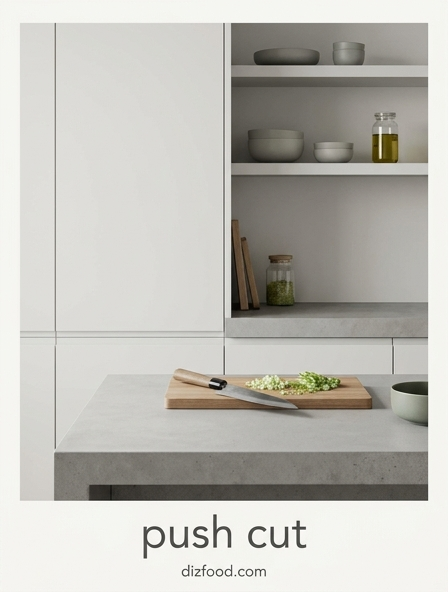
The final mastery of garlic in the kitchen involves controlling the "kinetic release" of its volatiles. This refers to the speed and volume of flavor transformation during the cooking process. A chef can orchestrate a multi-layered garlic experience by using different cutting techniques for the same dish. For example, starting a sauce with sliced garlic provides a steady, mellow base, while finishing with a small amount of grated garlic adds a fresh, sharp top note. The following sequence outlines a professional approach to kinetic release:
- Identify the desired intensity level for the specific dish.
- Select the cutting tool (knife for precision, grater for intensity).
- Execute the cut to manage the surface-area-to-volume ratio.
- Allow for a specific enzymatic rest period based on health or flavor goals.
- Introduce heat at the strategic moment to halt or encourage further transformation.
This controlled approach treats garlic not as a static ingredient, but as a dynamic chemical system. By mastering these kinetic variables, a cook can ensure that the garlic perfectly complements the other ingredients without overpowering them, resulting in a sophisticated and well-balanced culinary result.

Comments