
The Science of Surface Area and Heat
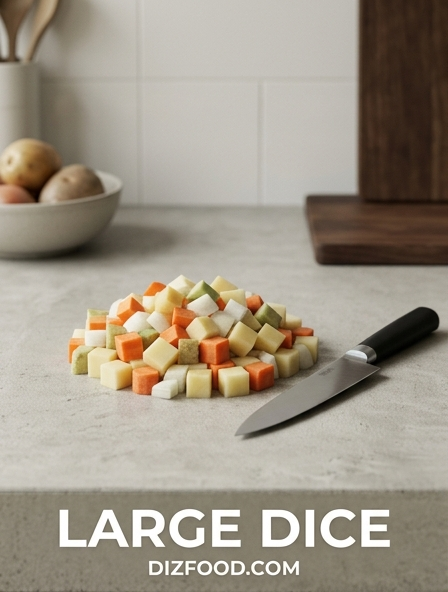
In the culinary arts, the dimensions of a cut significantly influence the thermodynamic interaction between the ingredient and the cooking medium. A large dice, typically defined as a three-quarter-inch cube, possesses a lower surface-area-to-volume ratio compared to smaller cuts like brunoise or maceré. This geometric property dictates the rate of heat conduction; because there is less exposed surface area relative to the internal mass, heat penetrates the center of the ingredient more slowly. This delayed thermal transfer is essential when dealing with high-density vegetables or proteins that require prolonged exposure to heat to reach palatability.
When heat is applied, the exterior of a large-diced ingredient undergoes dehydration and chemical transformation while the interior remains protected. This gradient allows for a controlled transition of textures. In a high-heat environment, such as a hot skillet or a preheated oven, the outer layers may reach temperatures conducive to browning while the core gently softens. Understanding this relationship between volume and energy absorption is fundamental for chefs aiming to manage the delicate balance between a seared exterior and a perfectly cooked interior.
Preserving Structural Integrity in Slow Roasts
During extended cooking processes, such as braising or slow roasting, the cellular structure of ingredients is under constant thermal stress. The large dice is specifically utilized in these scenarios to prevent the complete breakdown of plant cell walls or muscle fibers. As hemicellulose and pectin dissolve in vegetables, or collagen converts to gelatin in meats, the physical size of the piece acts as a structural buffer. A smaller cut would lose its form entirely, resulting in a homogenous mush or a disorganized sauce. The large dice ensures that individual components remain identifiable and intact.
- Prevents pectin degradation from turning stews into purees.
- Maintains a distinct "bite" or resistance even after hours of simmering.
- Supports the weight of other ingredients in a layered pot roast.
- Allows for easy identification of ingredients in complex, multi-component dishes.
By maintaining these larger dimensions, the chef guarantees that the final dish offers a variety of textures rather than a singular, soft consistency. This preservation of form is what defines the difference between a refined rustic stew and a standard vegetable soup.
Optimizing Texture for Long Cooking Cycles
Long cooking cycles are designed to transform tough, fibrous ingredients into tender morsels. The large dice is the preferred cut for this transformation because it aligns with the timing of chemical breakdowns. For example, root vegetables like parsnips or rutabagas contain dense networks of cellulose that require significant time to soften. If these were cut into small pieces, the exterior would disintegrate into the liquid before the interior achieved the desired tenderness. The large dice allows the softening process to occur uniformly without the risk of the ingredient losing its physical presence in the dish.
Furthermore, the substantial size of a large dice creates a unique mouthfeel that smaller cuts cannot replicate. The diner experiences an initial resistance followed by a creamy or tender center, a contrast that is highly valued in comfort foods and traditional slow-cooked meals. This optimization of texture ensures that the ingredient serves as a focal point of the meal, providing a satisfying substance that complements the more fluid elements of a sauce or broth. Mastering the large dice is therefore a prerequisite for successful long-form cookery.
Consistent Sizing for Uniform Results
Precision in the kitchen is not merely about aesthetics; it is about predictability. When preparing a large dice, maintaining exact three-quarter-inch dimensions is critical for ensuring that every piece in the pot finishes cooking at the same moment. If the cuts are inconsistent, the smaller pieces will overcook and dissolve while the larger pieces remain raw or unpleasantly firm. This uniformity is particularly important in commercial kitchens where timing and consistency are the benchmarks of quality. A disciplined approach to knife skills ensures that the thermal energy distributed throughout the cooking vessel affects every ingredient equally.
| Cut Name | Dimensions (Inches) | Common Use Case |
|---|---|---|
| Large Dice | 3/4 x 3/4 x 3/4 | Stews, Roasts, Mirepoix for Stocks |
| Medium Dice | 1/2 x 1/2 x 1/2 | Sautés, Soups |
| Small Dice | 1/4 x 1/4 x 1/4 | Salads, Fine Garnishes |
By adhering to these standardized measurements, a cook can accurately estimate the total cooking time required. This level of control is what allows for the complex layering of flavors without compromising the physical quality of the individual components.
Enhancing Flavor Retention in Root Vegetables
Root vegetables are often the primary candidates for a large dice due to their high starch content and dense internal structures. When these vegetables are cut into larger cubes, they retain more of their natural sugars and aromatic compounds during the cooking process. Smaller cuts expose more of the interior to the surrounding liquid, which can lead to "leaching"-a process where the flavor and nutrients bleed out into the water or stock. While this may be desirable for making a flavorful broth, it often leaves the vegetable itself tasting bland and watery.
The large dice minimizes this leaching effect by keeping the majority of the vegetable's cells encased within the bulk of the cube. As the vegetable cooks, the internal sugars concentrate, leading to a richer, more potent flavor profile upon consumption. This is especially evident in vegetables like carrots, sweet potatoes, and beets, where the natural sweetness is a primary goal. By utilizing a larger cut, the chef ensures that the vegetable remains a flavor powerhouse within the dish, rather than a mere textural filler.
Preventing Overcooking in Hearty Ingredients
Hearty ingredients such as winter squashes, potatoes, and thick-cut tubers are prone to overcooking if not handled with spatial awareness. The large dice serves as a protective measure against the aggressive heat of boiling or roasting. Because the center of a three-quarter-inch cube takes longer to reach the target internal temperature, the chef has a wider window of time to remove the heat source before the ingredient reaches a state of over-saturation. This margin of error is vital when managing multiple components in a single pan or pot.
- Protects the delicate starch granules in potatoes from rupturing too early.
- Provides enough mass to withstand the agitation of stirring in a heavy pot.
- Ensures that the exterior can caramelize without the interior turning to mush.
- Allows for reheating without immediate loss of quality.
In many culinary applications, "doneness" is a fleeting moment. The thermal mass of a large dice effectively slows down the progression of doneness, giving the cook greater control over the final result and ensuring that hearty ingredients maintain their intended bite and flavor.
The Role of the Three Quarter Inch Cube
The three-quarter-inch cube, known formally as the large dice or "Carré," is a cornerstone of classical French knife skills. Its role extends beyond mere preparation; it defines the visual and structural language of a dish. This specific size is large enough to be substantial and rustic, yet small enough to be eaten in one or two bites without the need for a table knife. It is the standard for the "Mirepoix" used in brown stocks, where long extraction times are required, and the ingredients must not disintegrate and cloud the liquid.
In a culinary context, the large dice represents a balance between the precision of fine dining and the robustness of country-style cooking. It is often used in preparations where the ingredient is meant to be seen and appreciated as an individual element. Whether it is a cube of butternut squash in a fall salad or a piece of chuck roast in a traditional beef bourguignon, the three-quarter-inch cube provides a consistent, professional appearance that signals a high level of craftsmanship and an understanding of traditional kitchen ratios.
Maximizing the Maillard Reaction in the Oven
The Maillard reaction is the chemical process responsible for the browning and deep flavor of roasted foods. When using a large dice for oven-roasting, the goal is to maximize this reaction on the six faces of the cube while maintaining a moist interior. Because the cubes are large, they can withstand the high temperatures required to trigger the reaction (roughly 285°F to 330°F) for a longer duration. This results in a thicker crust of caramelized sugars and toasted proteins on the outside of the ingredient.
The substantial flat surfaces of a large dice provide ideal contact points for the roasting pan, facilitating efficient heat transfer through conduction. As the moisture evaporates from the surface, the concentration of solutes increases, accelerating the browning process. The result is a piece of food that offers a complex, savory exterior and a soft, steamed interior. This contrast is the hallmark of expertly roasted vegetables and meats, making the large dice an essential tool for any cook looking to harness the full potential of dry-heat cooking methods.
Aesthetic Appeal of Rustic Hand Cut Pieces
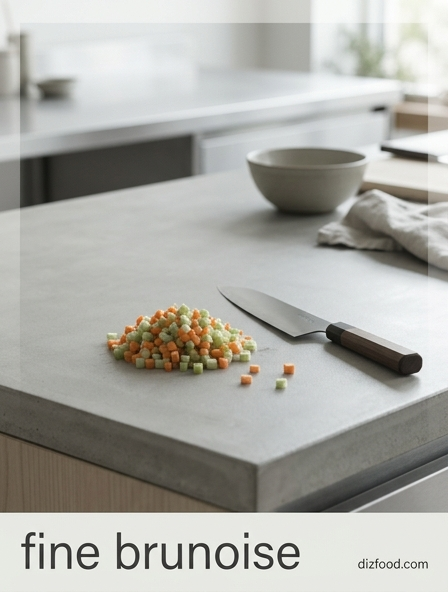
The visual impact of a dish is heavily influenced by the geometry of its components. A large dice conveys a sense of heartiness and abundance, often associated with rustic or farmhouse-style cuisine. Unlike the delicate, almost invisible nature of a fine brunoise, large-diced ingredients demand attention. They provide a structural "skeleton" to the plate, creating height and volume that can make a dish look more satisfying. The bold, clean lines of hand-cut cubes show the diner that the food was prepared with intention and care.
In vibrant stews or vegetable-forward platters, the large dice allows the natural colors of the ingredients to shine. A large cube of golden beet or deep purple carrot remains a distinct splash of color, whereas smaller cuts might blend into a muted, muddy hue. This aesthetic clarity is essential for modern plating, where the goal is often to highlight the raw beauty of the produce. By choosing a large dice, the chef honors the ingredient's natural form while elevating it through precise, uniform technique, resulting in a dish that is as visually appealing as it is delicious.
Balancing Moisture Loss and Caramelization
Achieving the perfect balance between moisture retention and caramelization is one of the primary challenges in cooking. The large dice provides a strategic advantage in this effort. Because the volume is significant, the interior of the cube acts as a reservoir of moisture. As the exterior is subjected to dry heat and begins to caramelize, the internal moisture migrates outward, preventing the surface from burning too quickly. This internal hydration ensures that the finished product is succulent rather than desiccated.
- Preheat the cooking vessel to ensure immediate surface searing.
- Apply a thin layer of oil to the large dice to facilitate even heat distribution.
- Avoid overcrowding the pan to allow steam to escape, which promotes browning.
- Monitor the internal temperature to ensure the core reaches doneness as the crust peaks.
This dynamic interplay allows for the development of deep, complex flavors on the outside without sacrificing the tender, juicy quality of the inside. The large dice is the ideal medium for this balance, providing enough physical mass to survive the intense environment of the oven or stovetop while delivering a superior eating experience.

Comments