
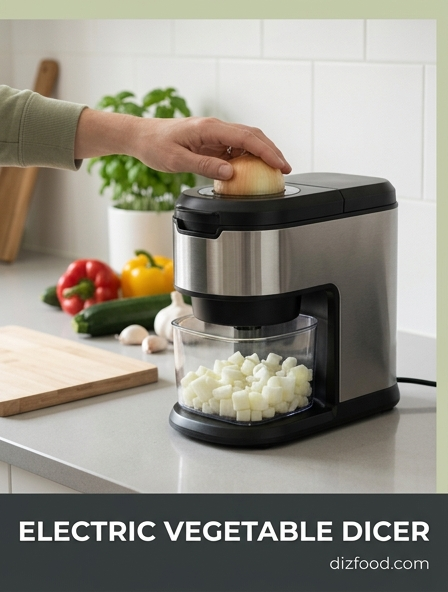
Benefits of Electric Vegetable Dicers
Electric vegetable dicers represent a significant upgrade for home cooks and professional chefs alike, offering a level of precision and speed that manual knife work rarely achieves. One primary benefit is the remarkable consistency in piece size; when vegetables are uniform, they cook at the exact same rate, preventing the common issue of some pieces being mushy while others remain raw. This consistency is particularly vital for stews, soups, and roasted medleys where texture defines the quality of the dish.
Beyond culinary results, these machines provide substantial ergonomic relief. Manual dicing requires repetitive wrist and hand motions that can lead to fatigue or exacerbate conditions like carpal tunnel syndrome. An electric dicer handles the physical resistance of hard vegetables like sweet potatoes or carrots with minimal user effort. Furthermore, these devices significantly reduce the time spent on tear-inducing tasks, such as dicing large quantities of onions, by processing them in seconds within a contained chamber, keeping pungent vapors away from the eyes.
Food Processor vs Electric Vegetable Dicer
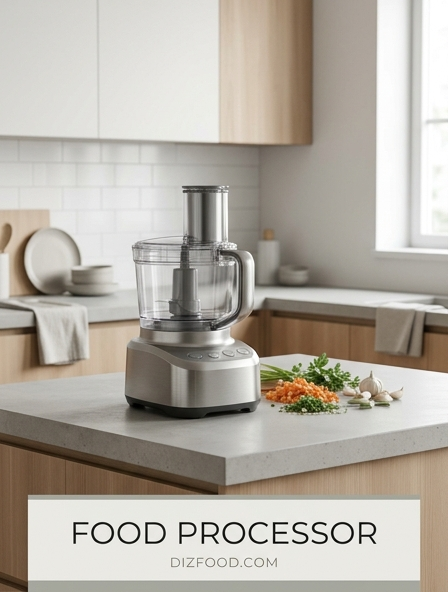
While often confused, food processors and electric vegetable dicers serve distinct functions in the kitchen. A standard food processor typically utilizes a rotating S-blade that chops, minces, or purees. Because the blade passes through the food repeatedly, it is difficult to achieve a uniform cube; the result is often an inconsistent mix of large chunks and fine bits. In contrast, an electric dicer uses a specialized grid system combined with a slicing motion to produce distinct, three-dimensional cubes every time.
| Feature | Food Processor | Electric Dicer |
|---|---|---|
| Primary Result | Chopped, Minced, Pureed | Uniform Cubes (Diced) |
| Texture Control | Variable/Inconsistent | Highly Consistent |
| Best Use | Dough, Sauces, Pesto | Salsa, Mirepoix, Salads |
| Blade Type | Rotating S-Blade | Grid & Slicing Disc |
Choosing between them depends on your culinary goals. If your priority is making hummuses or pie crusts, the food processor is essential. However, if your daily cooking involves heavy vegetable preparation for salads or soups, the electric dicer is the superior tool for maintaining structural integrity and professional presentation.
Proper Blade Selection for Uniform Cuts
The secret to professional-grade dicing lies in selecting the appropriate blade grid for the specific vegetable and recipe requirements. Most electric dicers come with interchangeable inserts, typically ranging from small 1/4-inch grids to larger 1/2-inch or 3/4-inch options. Selecting the right size is not just about aesthetics; it affects the surface area of the vegetable and how it interacts with heat or dressing. Smaller cubes are ideal for relishes and garnishes, while larger cubes are preferred for hearty roasts.
- Small Grid (approx. 6mm): Best for garlic, shallots, and peppers for fine salsas.
- Medium Grid (approx. 10mm): The standard for mirepoix (onions, carrots, celery) and potatoes for hash browns.
- Large Grid (approx. 13mm+): Perfect for stews, fruit salads, and chunky roasted root vegetables.
It is also crucial to consider the density of the produce. For softer items like tomatoes or strawberries, ensure the blades are razor-sharp to prevent crushing. For denser items like butternut squash, ensuring the vegetable is trimmed to fit the chute properly will prevent the motor from straining and ensure the cuts remain perfectly square.
Batch Prepping Veggies for Weekly Meals
Batch prepping is the most effective way to utilize an electric vegetable dicer for time management. By dedicating a single hour on a Sunday to process a week's worth of vegetables, you can reduce daily cooking time by up to 70%. The electric dicer excels here because it does not suffer from the fatigue that a cook might experience when chopping five pounds of various vegetables by hand. You can move from onions to peppers to zucchini in a continuous flow, creating a "mise en place" that rivals professional kitchens.
- Wash and dry all vegetables thoroughly before dicing to increase shelf life.
- Peel skins that are tough or unpalatable, such as those on older carrots or large cucumbers.
- Trim vegetables to a size that fits comfortably in the feeder tube to ensure the blades can strike the surface evenly.
- Dice "dry" vegetables like carrots first, followed by "wet" vegetables like tomatoes, to keep the machine running smoothly.
Once diced, store the vegetables in clear, airtight containers. This organized approach not only speeds up weeknight dinners but also encourages healthier eating by making fresh ingredients readily available for quick sautéing or raw snacking.
Speeding Up Mirepoix and Base Prep
In French cooking, the "mirepoix"-a combination of onions, carrots, and celery-serves as the foundational flavor profile for countless sauces, soups, and braises. Traditionally, achieving the perfect small dice for these three ingredients is a labor-intensive task that requires significant knife skill. An electric vegetable dicer transforms this chore into a momentary task. Because these three vegetables have different densities, the electric motor provides the consistent power necessary to move through the fibrous celery and the hard carrot with equal ease.
To optimize mirepoix prep, maintain the standard 2:1:1 ratio (two parts onion to one part each of carrot and celery). Feed the ingredients through the medium dicing grid. The uniformity ensured by the dicer allows the natural sugars in the onions to caramelize at the same rate the carrots soften, preventing the common kitchen error where the celery remains crunchy while the onions have already burnt. This mechanical precision elevates the flavor profile of the base, as the even surface area maximizes the release of aromatic compounds during the initial sautéing phase.
Safety Tips for Using Electric Dicers
While electric vegetable dicers are designed to be user-friendly, they contain high-speed motors and extremely sharp blade grids that require careful handling. The most critical safety rule is to always use the provided food pusher. Never use your fingers to press a vegetable into the chute, as the mechanism can pull items in faster than you can react. If a vegetable becomes lodged in the dicing grid, always turn off the power and unplug the unit before attempting to clear the obstruction with a cleaning tool or brush.
Furthermore, ensure the unit is placed on a stable, dry surface to prevent it from sliding during operation. Most modern dicers include locking mechanisms; the motor should never be forced if the lid or blade assembly is not perfectly seated. Before cleaning, check that the blades have come to a complete stop. It is advisable to wear cut-resistant gloves when swapping out blade grids or performing deep cleaning, as the edges are often sharper than standard kitchen knives to facilitate clean cuts through dense produce.
Easy Cleaning and Blade Maintenance
To maintain the longevity of an electric vegetable dicer, immediate cleaning after use is essential. Vegetable starches and sugars can dry quickly, creating a sticky residue that is difficult to remove from the intricate corners of a dicing grid. Most units feature removable parts that are top-rack dishwasher safe, but hand-washing the blades is often recommended to preserve their sharpness over time. Use a long-bristled brush to push out any remaining vegetable fibers from the grid squares safely.
Maintenance also involves regular inspection of the dicing grids. If a blade becomes bent or dull, it will begin to tear or crush the vegetables rather than cutting them, which puts unnecessary strain on the motor. To keep the blades in peak condition, ensure they are completely dry before storage to prevent oxidation or rust. Some manufacturers recommend a light coating of food-grade mineral oil on the metal components if the machine will not be used for an extended period. Proper care ensures that the motor runs efficiently and the cuts remain crisp for years of service.
Storing Diced Vegetables for Freshness
The increased surface area of diced vegetables means they are more susceptible to oxidation and moisture loss. Proper storage is key to making your prep work last through the week. After using the electric dicer, transfer the produce to airtight glass or BPA-free plastic containers. For high-moisture vegetables like cucumbers or peppers, placing a dry paper towel at the bottom of the container can help absorb excess liquid, preventing the vegetables from becoming soggy.
| Vegetable | Storage Method | Shelf Life |
|---|---|---|
| Onions/Carrots | Airtight Container | 5-7 Days |
| Bell Peppers | Airtight with Paper Towel | 3-5 Days |
| Potatoes | Submerged in Water | 24 Hours |
| Zucchini | Airtight Container | 3-4 Days |
Avoid dicing certain vegetables too far in advance; for example, potatoes will brown quickly due to enzymatic browning unless kept in water, and tomatoes lose their structural integrity if stored diced for more than a day. By matching your dicing schedule to the shelf life of the produce, you ensure that the convenience of the electric dicer does not result in food waste.
Reducing Prep Time for Complex Recipes
Complex recipes like ratatouille, gazpacho, or vegetable minestrone often intimidate home cooks because of the sheer volume of chopping required. These dishes rely on a harmony of many different vegetables, all cut to similar sizes. An electric vegetable dicer removes this barrier to entry. What would normally take forty-five minutes of precision knife work can be completed in under five minutes. This allows the cook to focus on the more nuanced aspects of the recipe, such as seasoning, temperature control, and layering flavors.
In addition to speed, the dicer allows for experimentation with recipes that require "small dice" (brunoise) which is notoriously difficult to master by hand. You can easily incorporate finely diced aromatics into meatloaves, veggie burgers, or delicate sauces where large chunks would be intrusive. By automating the most tedious phase of food preparation, the electric dicer encourages cooks to attempt more diverse and vegetable-heavy recipes that might otherwise be dismissed as too time-consuming for a standard weeknight meal.
Essential Kitchen Setup for Electric Dicing
To maximize the efficiency of an electric vegetable dicer, your kitchen workspace should be organized to facilitate a smooth "flow." Place the dicer near a power outlet on a clear stretch of countertop, ideally between your washing station (sink) and your cooking station (stove). This minimizes the distance you carry wet produce and ensures the diced ingredients are ready to go straight into the pan. Having a large "scrap bowl" nearby is also essential for quickly discarding peels, ends, and seeds as you prep the vegetables for the machine.
Your setup should also include a variety of storage containers and a sturdy cutting board for the initial trimming of vegetables to fit the dicer's chute. Ensure there is ample overhead or drawer space nearby for the various blade grids so you can switch them out without searching through cluttered cabinets. A well-organized dicing station not only speeds up the process but also makes the subsequent cleanup much more manageable. By treating the electric dicer as a central hub of your prep zone, you create a professional-style environment that makes healthy meal preparation feel effortless.


Comments