
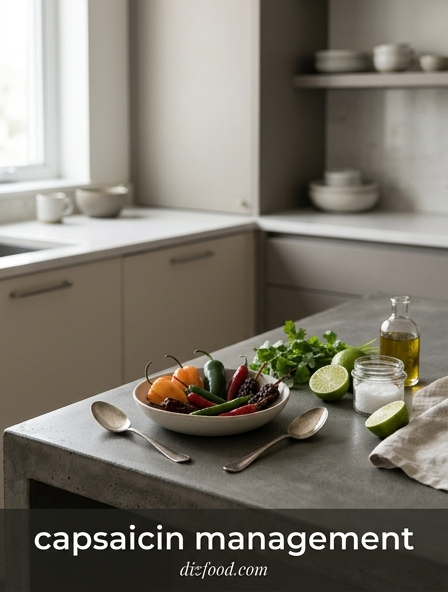
Protective Gear and Skin Safety
Managing capsaicin requires a proactive approach to physical barriers to prevent the painful sensation known as "chili burn." Capsaicin is an alkaline oil that adheres stubbornly to the skin and can easily be transferred to sensitive areas like the eyes or nose. Professional chefs prioritize the use of nitrile gloves over latex, as nitrile offers a more robust chemical resistance against the oils found in habaneros and bird's eye chilies. In addition to hand protection, wearing long sleeves can prevent accidental contact with the forearms during heavy prep sessions.
- Always wear powder-free nitrile gloves when handling peppers above 50,000 Scoville units.
- Apply a thin layer of vegetable oil to your hands before gloving to create an additional hydrophobic barrier.
- Avoid touching any part of your face or personal items, such as cell phones, until gloves are discarded.
- Wash hands with grease-cutting dish soap and cold water immediately after removing protective gear.
If skin contact occurs, remember that water alone often spreads the oil rather than removing it. Utilizing high-fat liquids or specialized soaps designed for oil removal is the most effective way to neutralize the lingering heat on the epidermis.
Precision Dicing for Capsaicin Control
The intensity of a pepper's heat is not just determined by its variety but also by how it is physically manipulated during the dicing process. Capsaicin is stored within the internal vesicles; the more these cells are crushed rather than cleanly sliced, the more oil is released onto the cutting surface and the vegetable's exterior. Precision cutting ensures that the heat remains localized within the pieces rather than coating the entire dish in a frantic, unmanageable spice level.
- Utilize a razor-sharp chef's knife to ensure clean incisions through the pepper's skin.
- Slice the pepper lengthwise first to expose the internal structure without crushing the exterior.
- Maintain a steady, rhythmic rocking motion to prevent bruising the delicate flesh of the chili.
- Keep the diced pieces in a dedicated bowl to prevent the spread of oils across the primary workspace.
By focusing on technique, a cook can dictate whether a pepper provides a sharp, localized pop of heat or a pervasive, overwhelming burn. Properly diced peppers allow for a controlled culinary experience where the flavor of the pepper can shine alongside its heat, rather than being eclipsed by a messy extraction of oils.
Strategic Removal of Seeds and Membranes
A common misconception in the kitchen is that the seeds are the primary source of heat in a chili pepper. In reality, the highest concentration of capsaicin is found in the placental tissue, which is the white pithy membrane that attaches the seeds to the fruit's wall. To effectively manage the spice level of a dish, one must master the art of removing these internal structures without contaminating the outer flesh. This process allows for the inclusion of the pepper's floral and fruity notes while significantly reducing the Scoville impact.
- Use a small paring knife or a grapefruit spoon to gently scrape out the white pith.
- Work from the stem end down to the tip to ensure all concentrated oil pockets are removed.
- Rinse the deseeded peppers under cold running water to wash away any loose capsaicin droplets.
- Discard the membranes immediately in a sealed bin to prevent aerosolizing the heat.
When the membranes are removed, the resulting pepper flesh can be used more liberally in recipes. This is particularly useful when cooking for guests with varying heat tolerances, as it provides the aesthetic and flavor of chilies with only a fraction of the intensity.
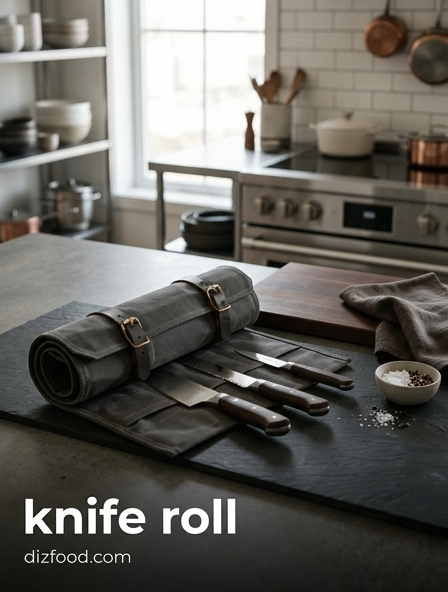
Knife Maintenance After Processing Peppers
Post-processing care for cutlery is essential to prevent cross-contamination in the kitchen. Capsaicin is extremely resilient and can linger on stainless steel or high-carbon blades long after they appear clean. If a knife used for habaneros is subsequently used to slice an onion for a raw salad, the heat will transfer, leading to unexpected spice for the diner. Proper maintenance involves breaking down the capsaicin molecules using specific solvents rather than relying on a quick rinse under the tap.
| Cleaning Agent | Effectiveness | Recommended Use |
|---|---|---|
| Dish Soap | Moderate | General cleaning of surface oils. |
| Vegetable Oil | High | Dissolving stubborn capsaicin bonds. |
| Rubbing Alcohol | Very High | Total sanitation and oil removal. |
| Cold Water | Low | Should be avoided as it spreads oils. |
After dicing peppers, wipe the blade with a paper towel soaked in oil to lift the capsaicin, then wash with hot, soapy water. This two-step process ensures the knife is truly neutralized and ready for the next task without any residual heat.
Neutralizing Spiciness with Culinary Acids
When a dish becomes inadvertently too spicy, the application of culinary acids can provide a chemical balance. Capsaicin is an alkaline molecule, and introducing acidic components can help neutralize the pH levels on the palate, effectively "cutting" through the heat. This does not necessarily lower the Scoville rating of the food, but it significantly alters how the human tongue perceives the burn, making the meal more palatable and complex. Balancing heat with acid is a foundational technique in Southeast Asian and Mexican cuisines.
- Fresh lime or lemon juice added just before serving for a bright, heat-masking effect.
- Rice vinegar or apple cider vinegar incorporated into simmering sauces.
- The addition of diced tomatoes or tomatillos to provide a bulky, acidic base.
- Pickled vegetables as a side dish to refresh the palate between bites.
Acids stimulate salivation and provide a sharp counterpoint to the oily sensation of capsaicin. This creates a more dynamic flavor profile where the heat is a background note rather than the dominant force. Always add acids incrementally to avoid making the dish overly sour while attempting to fix the spice level.
Fat Incorporation for Heat Modulation
The most effective biological way to manage the burn of capsaicin is through the introduction of fats and lipids. Capsaicin is non-polar and hydrophobic, meaning it dissolves in oil and fat rather than water. By incorporating high-fat ingredients, the capsaicin molecules are bound and washed away from the vanilloid receptors on the tongue. This is why dairy products, specifically those containing the protein casein, are the traditional remedy for an over-spiced meal. Casein acts like a detergent, breaking the bond between capsaicin and the pain receptors.
- Whisk in heavy cream or sour cream to thicken and mellow a spicy soup.
- Finish a hot curry with coconut milk or full-fat yogurt to provide a cooling contrast.
- Stir in a knob of cold butter at the end of a pan sauce to emulsify and coat the heat.
- Serve spicy dishes with avocado or cheese to provide a physical fat barrier on the tongue.
Choosing the right fat depends on the flavor profile of the dish. For Western dishes, dairy is often preferred, while plant-based fats like coconut or nut butters are more suitable for Eastern flavor palettes. Each provides a reliable safety net for heat management.
Uniform Dicing for Consistent Spice Distribution
Inconsistent dicing is a primary cause of "spice bombs," where a diner encounters an unexpectedly large piece of chili that overwhelms their palate. To ensure a harmonious eating experience, peppers must be cut into uniform dimensions that match the other aromatics in the dish, such as onions and garlic. This uniformity allows the heat to be distributed evenly across every spoonful, preventing localized intensity and ensuring that the flavor profile remains consistent from the first bite to the last.
- Use the "brunoise" technique for peppers to create tiny, 2mm cubes that blend seamlessly into sauces.
- Ensure all pieces are of equal size to promote even cooking and oil extraction.
- Avoid leaving large strips of skin, which can become tough and concentrate heat in one area.
- Mix the diced peppers thoroughly with other vegetables before adding them to the pan.
Achieving uniformity requires patience and a steady hand. When peppers are finely and evenly minced, they provide a gentle, glowing heat that warms the dish without shocking the system. This level of control is what separates amateur cooking from professional-grade spice management.
Managing Aerosolized Heat During Sautéing
Cooking peppers over high heat can lead to a phenomenon known as "pepper gas," where capsaicin becomes aerosolized and irritates the respiratory system. This can cause coughing, sneezing, and burning eyes for anyone in the kitchen. Managing the environment and the temperature of the pan is crucial when sautéing spicy ingredients, especially varieties like habaneros or dried chilies. The goal is to cook the pepper to release its flavor without turning the kitchen into an inhospitable environment.
- Turn on the exhaust fan to its highest setting before the peppers hit the pan.
- Keep the pan temperature moderate; avoid the "smoking point" of the oil.
- Add the peppers alongside water-heavy vegetables like onions to help trap the oils.
- Cover the pan with a lid if the fumes become too intense to contain the vapor.
If you are working with dried chilies, toasting them briefly in a dry pan is common, but keep the time minimal. Once the peppers begin to smell fragrant, immediately add liquid or other ingredients to stop the aerosolization process. Proper ventilation is not just a comfort issue; it is a vital safety protocol for high-heat spicy cooking.
Sanitization Protocols for Spicy Ingredients
Kitchen sanitization after handling peppers is about more than just bacteria; it is about chemical decontamination. Standard cleaning procedures often fail to fully remove capsaicin from porous surfaces like wooden cutting boards or plastic containers. Establishing a dedicated protocol ensures that your kitchen equipment doesn't "carry" heat into unrelated recipes. This is particularly important in commercial settings or for home cooks who frequently prepare mild meals for children or sensitive individuals.
| Surface Type | Cleaning Method | Risk Level |
|---|---|---|
| Stainless Steel | Hot water and degreasing soap. | Low - non-porous. |
| Plastic/Silicone | Bleach solution or oil rub. | High - absorbs oils easily. |
| Wood | Salt and lemon scrub or sanding. | Very High - traps oils in grain. |
| Glass | Standard dishwasher cycle. | Low - easy to sanitize. |
For best results, use a dedicated glass or non-porous composite cutting board specifically for hot peppers. If using wood, ensure it is well-oiled to prevent the capsaicin from penetrating the fibers, and wash it immediately with a high-strength surfactant.
Optimal Timing for Pepper Integration
The stage at which you add peppers to a dish drastically changes the nature of the spice. Capsaicin is heat-stable, but its flavor compounds are volatile. Adding peppers early in the cooking process allows the oils to infuse into the entire fat base of the dish, resulting in a deep, integrated heat that lingers. Conversely, adding peppers at the end provides a sharp, immediate bite with fresh, herbaceous notes. Understanding this timeline is key to layering flavors and controlling the "arc" of the spice experience.
- Add dried or whole peppers at the beginning to build a foundation of warmth.
- Incorporate diced fresh chilies mid-way to balance cooked flavor with moderate heat.
- Garnish with raw peppers at the very end for a bright, localized "pop" of intensity.
- Remove whole peppers before serving to prevent accidental ingestion of concentrated spice.
Timing also affects the perceived heat level; long-simmered peppers tend to mellow in their sharp sting but spread their warmth more broadly. By strategically choosing when to introduce the heat, a chef can control whether a dish has a "front-palette" bite or a "back-of-the-throat" glow.

Comments