
Mastering Fundamental Knife Skills for Precision
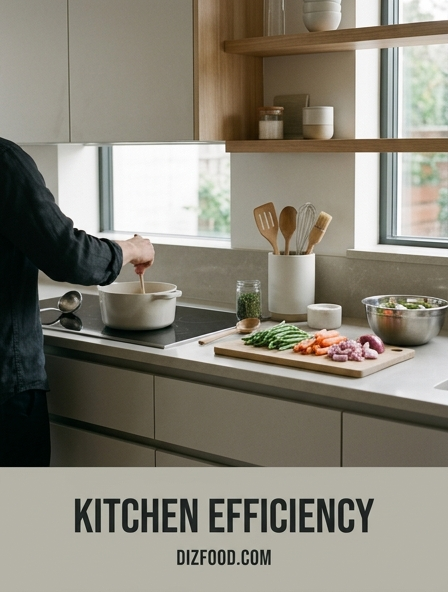
The foundation of kitchen efficiency lies in the chef's ability to handle a blade with both speed and accuracy. Mastering fundamental knife skills, such as the rock chop, the draw cut, and the specialized batonnet or brunoise, allows for a fluid workflow that minimizes wasted motion. Precision is not merely an aesthetic choice; it ensures that every piece of an ingredient is identical in size, leading to predictable results during the cooking process. A sharp, well-maintained chef's knife acts as an extension of the arm, reducing the physical effort required for repetitive tasks.
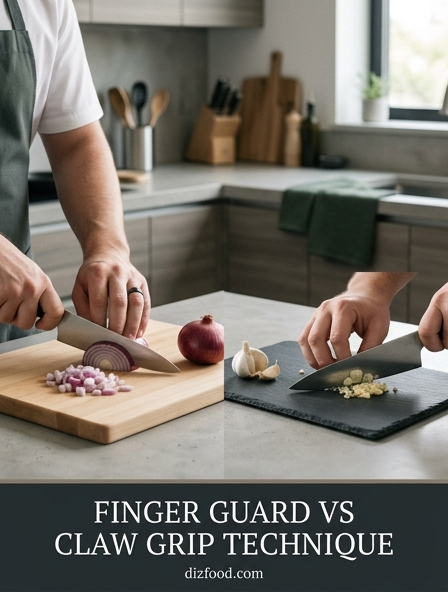
- The Claw Grip: Essential for protecting fingertips and maintaining a consistent guide for the blade.
- Blade Contact: Keeping the tip of the knife on the board for specific cuts to increase stability.
- Weight Distribution: Utilizing the heel of the knife for tougher produce to maximize leverage.
By internalizing these movements, a cook can significantly reduce prep time. This manual dexterity provides a level of versatility that machines often cannot replicate, especially when working with delicate herbs or irregularly shaped vegetables that require constant adjustment.
Maximizing Efficiency with High Speed Food Processors
High-speed food processors are the workhorses of a high-volume kitchen, offering a level of throughput that manual labor simply cannot match. These machines excel at tasks that require rapid pulverization, emulsification, or bulk slicing. When time is the primary constraint, a processor can turn minutes of hand-chopping into seconds of automated work. This is particularly useful for base preparations like mirepoix, pestos, or nut butters where the fine cellular structure is broken down intentionally.
| Attachment | Best Use Case | Efficiency Gain |
|---|---|---|
| S-Blade | Pureeing and fine mincing | High |
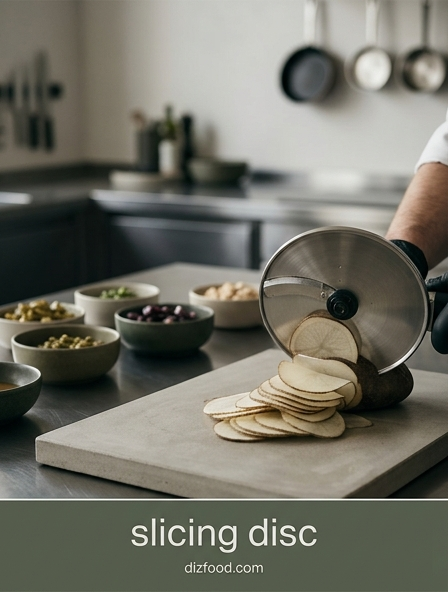
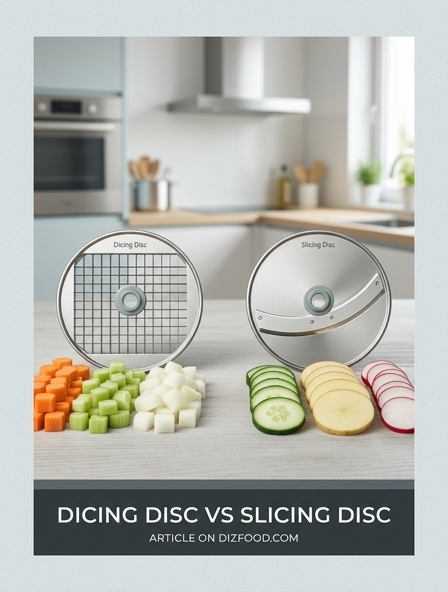
| Slicing Disk | Uniform chips or slaw | Extreme |
| Dicing Kit | Cubing root vegetables | Moderate |
To maximize efficiency, it is vital to prep ingredients into sizes that fit the feed tube comfortably. Overloading the bowl can lead to uneven results, forcing the cook to spend extra time sorting through the output. Using the pulse function strategically prevents over-processing, ensuring the motor works at peak performance without overheating during long shifts.
The Role of Hand Dicing in Culinary Texture
While machines offer speed, hand dicing remains the gold standard for preserving culinary texture and "mouthfeel." When a knife slices through an ingredient, it creates a clean break through the cell walls. In contrast, many automated blades use high-speed impact which can crush or bruise delicate produce, leading to moisture loss and a "mushy" consistency. For dishes where the visual definition of a dice is paramount-such as in a classic tartare or a crisp salsa-the manual approach is indispensable.
Hand dicing allows the cook to respect the natural grain of the food. For instance, dicing an onion by hand follows its radial layers, resulting in uniform pieces that hold their shape even after sautéing. This preservation of structural integrity ensures that the vegetable retains its characteristic crunch or specific softness. In high-end gastronomy, the subtle variations achieved through hand-cutting contribute to a more complex and artisanal dining experience that automated solutions often homogenize into a singular, less interesting texture.
Streamlining Prep Work with Electric Mandolines
Electric mandolines bridge the gap between the precision of manual slicing and the sheer power of a food processor. These devices are specifically designed to produce consistent, paper-thin slices or julienne strips with minimal physical exertion. By automating the "push" and "slice" motion, they eliminate the risk of the repetitive strain injuries often associated with manual mandoline use. This makes them ideal for preparing large quantities of potato gratin, cucumber salads, or fruit garnishes where uniformity is essential for presentation and even cooking.
- Set the desired thickness gauge according to the recipe requirements.
- Engage the safety pusher to ensure ingredients are fed through the blades without hand contact.
- Clear the catch tray frequently to prevent jams and maintain a continuous workflow.
The primary advantage of the electric mandoline is its predictability. Unlike hand-slicing, where fatigue might lead to variations in thickness toward the end of a batch, the machine maintains the exact same calibration from the first slice to the last, ensuring that every piece of produce responds to heat in the same way.
Balancing Hand Speed and Mechanical Assistance
True kitchen efficiency is found in the strategic balance between manual skills and mechanical assistance. A professional chef must determine which tasks benefit from the nuance of a knife and which are better suited for the raw speed of a motor. This decision-making process is a critical component of mise en place management. For example, while a food processor can handle the bulk of a vegetable stock's aromatic base, the garnish for the final dish should be prepared by hand to ensure aesthetic perfection and correct textural contrast.
This balance also involves the logistical flow of the kitchen. Using a machine for every task creates a bottleneck at the sink for cleaning, whereas relying solely on hand-cutting can lead to exhaustion. Efficient cooks often "parallel process," using a machine for a long-duration task while simultaneously performing precision knife work on a separate component. By alternating between these modes, the kitchen maintains a high output while ensuring that the quality of the final plate remains uncompromised by the limitations of automation or the fatigue of manual labor.
Achieving Uniformity in Large Batch Cooking
Uniformity is the cornerstone of successful large-batch cooking. When preparing food for hundreds of diners, any variation in ingredient size is magnified during the cooking process. If potato cubes in a massive stockpot vary by even half an inch, the smaller pieces will disintegrate into starch while the larger ones remain raw in the center. Achieving this level of consistency requires a disciplined approach to prep, often utilizing specialized tools like commercial dicers or high-capacity slicers that guarantee mathematical precision across pounds of produce.
- Heat Distribution: Uniform pieces allow for even contact with the cooking surface or liquid.
- Predictable Seasoning: Consistent surface area ensures that salt and spices are absorbed evenly.
- Visual Appeal: Large batches look more professional when every component is identical.
Beyond the technical benefits, uniformity simplifies the timing of the kitchen. When ingredients are standardized, the chef can rely on set cooking times rather than constant tasting and checking. This predictability is essential for maintaining a high pace in commercial environments where every second counts toward the final service deadline.
Tactile Control vs Automated Cutting Solutions
Tactile control refers to the sensory feedback a cook receives through their hands while preparing food. This connection allows for real-time adjustments; a chef can feel the resistance of a fibrous carrot or the softness of an overripe tomato and change their pressure or angle accordingly. Automated cutting solutions lack this "feel," operating on a fixed mechanical path regardless of the ingredient's condition. While automation wins on volume, it loses on adaptability, often requiring the cook to pre-sort or discard produce that doesn't fit the machine's rigid parameters.
The choice between tactile control and automation often depends on the value of the raw material. For expensive, delicate ingredients like wild mushrooms or aged proteins, the risk of machine damage is too high. In these cases, the human hand provides the necessary sensitivity to navigate the ingredient's unique geometry. Conversely, for low-cost, high-volume items like onions for a commercial soup base, the efficiency gains of automation far outweigh the need for tactile nuance. Understanding this trade-off is key to optimizing both the budget and the quality of the kitchen output.
Selecting the Right Tool for Different Ingredients
Kitchen efficiency is often a matter of choosing the right tool for the specific physical properties of an ingredient. Not all blades or machines are created equal, and using the wrong equipment can lead to damaged food or wasted time. Hard, dense root vegetables require different handling than soft, moisture-heavy fruits or fibrous leafy greens. Matching the tool to the ingredient ensures that the prep work is both fast and clean.
| Ingredient Type | Recommended Tool | Reasoning |
|---|---|---|
| Leafy Herbs | Sharp Chef's Knife | Prevents bruising and oxidation |
| Firm Tubers | Electric Mandoline | Ensures even thickness for roasting |
| Soft Cheeses | Wire Slicer | Prevents sticking and tearing |
| Citrus Zest | Microplane | Captures oils without the bitter pith |
By assessing the density, skin toughness, and internal structure of the food, a cook can select the path of least resistance. This targeted approach minimizes the physical toll on both the chef and the tools, extending the lifespan of equipment and maintaining the highest possible quality of the prepared ingredients.
Reducing Fatigue through Hybrid Prep Techniques
Repetitive motion is one of the primary causes of fatigue in a professional kitchen. Reducing this physical strain is essential for maintaining high efficiency over long shifts. Hybrid prep techniques involve switching between manual and mechanical methods to distribute the workload across different muscle groups and cognitive states. For example, a chef might use a food processor for the initial breakdown of bulk items and then switch to hand-finishing for the final, precise cuts. This breaks the monotony and gives the hands a rest from the high-pressure grip required for constant knife work.
Ergonomics also plays a vital role in this hybrid approach. Using mechanical assistance for the "heavy lifting" of prep-such as dicing five gallons of peppers-preserves the chef's energy for the more mentally demanding tasks of service and plating. By strategically delegating the most taxing physical movements to machines, the culinary team can maintain a higher level of focus and precision throughout the day. This holistic view of kitchen labor ensures that the staff remains productive and injury-free, which is the ultimate form of operational efficiency.
The Impact of Dicing Methods on Cooking Times
The method used to dice an ingredient has a direct correlation with its thermal conductivity and overall cooking time. A clean, sharp dice created by hand exposes a specific surface area to heat, whereas a rough chop from a food processor might create uneven edges and "dust," which can burn before the larger pieces are cooked. This variation in surface area-to-volume ratio dictates how quickly moisture evaporates and how fast the Maillard reaction-the browning process-occurs. Smaller, more uniform pieces will cook faster and more evenly than larger, irregular ones.
In a professional environment, understanding these dynamics allows a chef to synchronize the cooking of different ingredients. By dicing denser vegetables smaller than softer ones, they can be added to the pan at the same time and finish simultaneously. This precision in prep translates to a streamlined cooking process, reducing the need for staggered additions and constant monitoring. Ultimately, the way an ingredient is cut determines the pace of the entire recipe, making prep work the most influential factor in the timing of a successful service.

Comments