
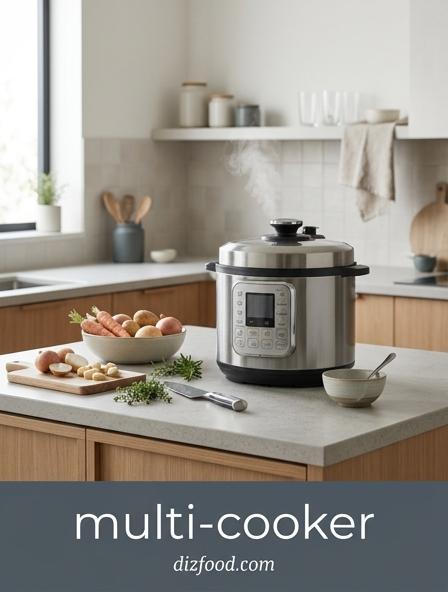
Maximizing Kitchen Space with All-in-One Appliances
The modern kitchen often suffers from a surplus of specialized gadgets that clutter countertops and fill cabinets to capacity. Embracing the multi-cooker is a strategic move for any home chef looking to streamline their workspace without sacrificing culinary versatility. By integrating several functions into a single footprint, these appliances eliminate the need for individual devices that only serve one purpose. This consolidation is particularly beneficial for those living in urban apartments or smaller homes where every square inch of counter space is a premium commodity.
Replacing a traditional suite of tools allows for a more minimalist and organized cooking environment. When a single machine can handle various tasks, the physical and mental clutter of managing multiple power cords and storage lids disappears. Consider the following appliances that a high-quality multi-cooker typically replaces:
- Electric pressure cookers and traditional stovetop models
- Slow cookers or crock pots
- Dedicated rice cookers and grain steamers
- Yogurt makers and fermentation chambers
- Electric skillets used for browning and searing
This transition not only clears physical space but also simplifies the cleaning process, as there are fewer external housings and specialized parts to maintain over time.
The Time-Saving Power of Pressure Cooking Functions
Pressure cooking is perhaps the most celebrated feature of the multi-cooker, primarily due to its ability to reduce cooking times by up to 70 percent. By creating a sealed environment where steam cannot escape, the internal pressure raises the boiling point of water. This intense heat penetrates food much faster than traditional boiling or baking methods. For busy professionals and families, this means that complex meals which usually require hours of simmering can be completed in a fraction of the time, often under an hour from start to finish.
- Add ingredients and liquid to the inner pot, ensuring the sealing ring is properly seated.
- Lock the lid and set the steam release valve to the sealed position.
- Select the high-pressure setting and adjust the timer based on the specific recipe requirements.
- Allow for a natural or quick pressure release depending on the delicacy of the food.
This function is particularly effective for transforming tough cuts of meat into tender morsels and cooking dried legumes without the need for overnight soaking. The rapid heat transfer ensures that even dense vegetables are cooked through while maintaining their structural integrity, making it a cornerstone for efficient weeknight meal preparation.
Mastering Slow Cooker Settings for Effortless Meals
While speed is a major draw, the slow cooking function of a multi-cooker offers a different kind of convenience through "set-and-forget" technology. This setting mimics the gentle, low-temperature heat of a traditional ceramic crock pot, allowing flavors to develop deeply over several hours. It is the ideal solution for those who wish to prep their ingredients in the morning and return home to a fully cooked, warm meal. The steady, even heat is perfect for breaking down connective tissues in stews and pot roasts, resulting in a melt-in-your-mouth texture that is difficult to achieve with faster methods.
Mastering this setting involves understanding the difference between low and high heat levels. The low setting is generally used for longer 8-to-10-hour cycles, while the high setting can accomplish similar results in 4 to 6 hours. Unlike pressure cooking, slow cooking allows for the gradual evaporation of some liquids, which can help in thickening sauces and intensifying the overall flavor profile. Many modern units will automatically switch to a "keep warm" mode once the cycle is complete, ensuring the food remains at a food-safe temperature until it is time to serve, providing ultimate flexibility for unpredictable schedules.
Healthy Steaming Techniques for Nutrient-Rich Dishes
Steaming is widely regarded as one of the healthiest cooking methods because it does not require added fats or oils and prevents water-soluble vitamins from leaching into boiling water. Multi-cookers excel at this task by using a specialized rack or basket to suspend food above a small amount of simmering liquid. This creates a gentle cooking environment that preserves the vibrant color, crisp texture, and nutritional profile of vegetables, seafood, and dumplings. Because the food is not submerged, it retains more of its natural antioxidants and minerals compared to traditional boiling.
To achieve the best results with the steaming function, it is important to follow these guidelines:
- Use at least one cup of water or broth to ensure constant steam production.
- Arrange food in a single layer to allow for even circulation of hot vapors.
- Cut vegetables into uniform sizes to ensure they finish cooking at the same time.
- Experiment with flavoring the steaming liquid with herbs or lemon for subtle infusions.
The precision of the multi-cooker's thermostat ensures that the steam remains at a consistent temperature, preventing the overcooking that often occurs with stovetop steaming baskets. This results in restaurant-quality fish and perfectly tender-crisp broccoli every time.
Achieving Perfect Sear and Sauté Without Extra Pans
One of the greatest advantages of the multi-cooker is the "Sauté" or "Brown" function, which allows users to perform high-heat tasks directly in the inner pot. Before this innovation, many slow cooker recipes required meat to be seared in a separate frying pan on the stove to develop flavor, leading to more dishes to wash. The multi-cooker eliminates this step by providing a high-temperature surface that triggers the Maillard reaction-the chemical process that gives browned food its distinctive savory flavor and appealing aroma.
This function is not just for meat; it is essential for softening aromatics like onions, garlic, and celery before adding liquids for a soup or stew. It also allows for deglazing, where a liquid is added to the hot pot to loosen the flavorful browned bits (fond) stuck to the bottom. Incorporating these bits back into the dish adds a depth of flavor that cannot be achieved through boiling or pressure cooking alone. Furthermore, the sauté function is useful after the main cooking cycle is finished to reduce sauces or thicken gravies, making the multi-cooker a truly comprehensive tool for every stage of the recipe.
Energy Efficiency Advantages of Compact Multi-Cookers
In an era of rising utility costs and environmental consciousness, the energy efficiency of the multi-cooker is a significant benefit. Unlike a traditional oven, which requires a long preheating period and loses a substantial amount of heat to the surrounding air, a multi-cooker is highly insulated. It focuses all its energy on heating the relatively small volume of the inner pot. This targeted heating means that the appliance uses significantly less electricity to maintain cooking temperatures over long periods, whether it is under high pressure or on a low slow-cook setting.
| Appliance Type | Energy Consumption | Heat Retention |
|---|---|---|
| Standard Electric Oven | High (2000-5000 Watts) | Low (Radiates Heat) |
| Electric Multi-Cooker | Medium (700-1200 Watts) | High (Insulated) |
| Stovetop Burner | Variable | Moderate |
Because the cooking cycles are often shorter and the unit is smaller, the total kilowatt-hours used per meal are drastically lower. Additionally, using a multi-cooker in the summer prevents the kitchen from heating up, reducing the load on air conditioning systems and further contributing to overall household energy savings.
Simplifying Meal Prep and Batch Cooking Routines
For those who practice weekly meal prepping, the multi-cooker is an indispensable ally. Its large capacity allows for batch cooking of base ingredients that can be used in various recipes throughout the week. For example, a single session can produce a massive quantity of shredded chicken, a large batch of quinoa, or several quarts of vegetable stock. Having these staples ready to go significantly reduces the time required for daily meal assembly and helps maintain a consistent, healthy diet by reducing the temptation to order takeout.
To maximize efficiency during a meal prep routine, consider these tips:
- Choose recipes that freeze well, such as chilis, soups, and bean-based dishes.
- Use the pot-in-pot method to cook two different items, like rice and curry, simultaneously.
- Prepare "dump meals" in freezer bags that can be emptied directly into the pot for cooking.
- Utilize the delay start timer to have fresh grains ready exactly when you need them.
By automating the cooking process, the multi-cooker frees up time to focus on chopping vegetables or portioning meals, making the entire preparation cycle more fluid and less stressful.
Creating Homemade Yogurt and Specialty Fermented Foods
Beyond standard dinner fare, many multi-cookers feature a dedicated "Yogurt" button that manages the delicate temperature requirements for fermentation. Making yogurt at home is not only more cost-effective than buying commercial brands, but it also allows for complete control over ingredients, sugar content, and bacterial strains. The multi-cooker maintains a precise, low heat (usually around 110°F to 115°F) for several hours, providing the perfect environment for probiotics to thrive and thicken the milk into a creamy consistency.
- Heat the milk to 180°F using the sauté or yogurt-boil function to kill unwanted bacteria.
- Cool the milk to roughly 110°F to ensure the starter culture isn't damaged by heat.
- Whisk in a small amount of active yogurt starter or specialized culture.
- Incubate using the yogurt setting for 8 to 12 hours depending on desired tanginess.
This fermentation capability extends to other specialty foods as well. Enthusiasts use these settings for proofing bread dough in a fraction of the usual time or creating traditional fermented products like jiu niang (sweet fermented rice). This versatility transforms the multi-cooker from a simple dinner tool into a comprehensive food processing center for the home artisan.
Retaining Flavor and Nutrients Through Precision Cooking
The physics of a sealed multi-cooker environment play a crucial role in the sensory quality of the finished dish. In traditional open-pot cooking, many of the volatile compounds responsible for aroma and flavor escape into the air. However, in a pressurized multi-cooker, these vapors are trapped and forced back into the food. This results in meals that are notably more aromatic and flavorful, even when using less seasoning or salt. The lack of oxidation during the cooking process also helps in maintaining the natural colors and textures of ingredients, which is often lost in long, open-air boiling.
Precision is another factor that contributes to superior results. Modern multi-cookers are equipped with advanced microprocessors and sensors that monitor internal temperature and pressure hundreds of times per minute. This level of control prevents the erratic temperature swings common with stovetop cooking, reducing the risk of scorching or unevenly cooked food. By maintaining a steady thermal environment, the appliance ensures that delicate proteins remain moist and starches reach their ideal gelatinization point without becoming mushy. This scientific approach to heat management allows even novice cooks to achieve consistent, high-quality results that rival professional kitchen techniques.
Modern Kitchen Integration for Smart Home Cooking
The latest generation of multi-cookers has moved beyond simple timers and buttons, integrating seamlessly into the smart home ecosystem. With built-in Wi-Fi and Bluetooth connectivity, these appliances can be monitored and controlled via smartphone applications from anywhere in the home. This integration allows users to receive notifications when the pressure has been reached, adjust cooking temperatures remotely, or follow guided recipes that automatically program the cooker for each step. This technology is particularly useful for multitasking, as it removes the need to stay in the kitchen to monitor the progress of a meal.
Key features of smart multi-cooker integration include:
- Access to vast cloud-based libraries of tested recipes with one-touch settings.
- Voice control compatibility with assistants like Alexa or Google Home for hands-free operation.
- Real-time progress tracking through mobile apps, including estimated time to completion.
- Software updates that introduce new cooking modes or optimize existing algorithms.
As kitchen technology continues to evolve, the multi-cooker remains at the forefront, bridging the gap between traditional culinary techniques and the convenience of the digital age. This smart integration ensures that even those with limited cooking experience can produce complex, delicious meals with confidence and ease.

Comments