
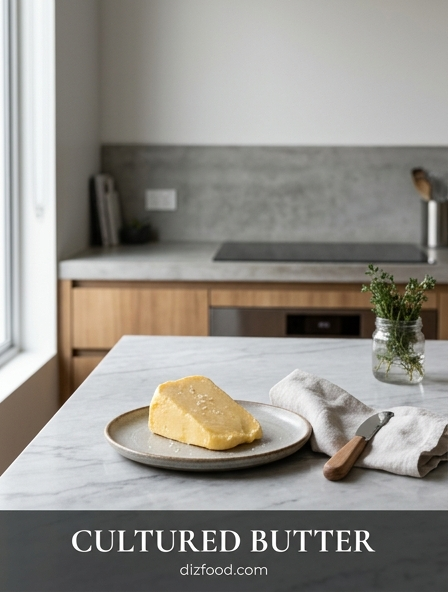
Understanding the Fermentation Process
The journey of cultured butter begins with high-quality cream that is inoculated with specific live bacterial cultures. Unlike sweet cream butter, which is churned immediately from fresh cream, cultured butter undergoes a ripening period lasting anywhere from 12 to 24 hours. During this phase, bacteria such as Lactococcus lactis and Leuconostoc mesenteroides consume the natural sugars, or lactose, present in the cream. This metabolic process produces lactic acid, which slightly acidifies the cream, and diacetyl, the compound responsible for that iconic buttery fragrance.
The fermentation provides several key benefits to the raw ingredient:
- Development of complex, tangy flavor profiles that standard butter lacks.
- Transformation of the cream's pH levels, which influences the final texture and stability.
- Natural preservation through acidity, which historically extended the butter's shelf life.
- Partial breakdown of proteins, making the resulting butter more aromatic and easier to digest.
Once the cream has reached the desired level of acidity and aromatic depth, it is chilled and then churned. This traditional method mimics the "old world" style of butter making, resulting in a product that is denser and far more expressive than its industrial counterparts.
Higher Butterfat for Superior Flakiness
One of the primary technical advantages of cultured butter is its significantly higher butterfat content. While standard American sweet cream butter typically contains around 80% butterfat, cultured varieties-often referred to as European-style-usually range between 82% and 86%. This difference might seem negligible, but in the realm of pastry chemistry, it is revolutionary. High fat means less water, and water is often the enemy of a truly short, tender crust.
| Butter Type | Butterfat % | Water Content % |
|---|---|---|
| Standard Sweet Cream | 80% | 16-18% |
| European-Style Cultured | 82-84% | 13-15% |
| Premium Artisan Cultured | 85-86% | 11-12% |
When used in pie doughs or puff pastry, the concentrated fat creates thinner, more resilient layers. Because there is less water to hydrate the flour, gluten development is naturally inhibited. This ensures that the final product is meltingly tender rather than chewy. Additionally, when the minimal water content does evaporate in the oven, it creates precise bursts of steam that lift the layers of dough, resulting in the coveted "shatter" effect upon the first bite.
The Science of Lactic Acid Flavor
The flavor profile of cultured butter is defined by the presence of lactic acid and diacetyl. While sweet cream butter is often described as simple or milky, cultured butter offers a sophisticated palate of nutty, tangy, and slightly sour notes. This is the direct result of the controlled fermentation where bacteria convert lactose into lactic acid. The lower pH provides a bright counterpoint to the richness of the fat, preventing the palate from feeling weighed down by grease.
This acidity acts as a natural flavor enhancer, similar to how a squeeze of lemon brightens a heavy sauce. In baked goods, this tang persists even after exposure to high heat, providing a lingering depth that complements sugar and fruit. In savory applications, such as a finishing touch on a steak or whisked into a beurre blanc, the lactic acid cuts through the richness, creating a more balanced and rounded profile. The concentration of these flavors is why many professional chefs prefer cultured butter for "raw" applications, such as spreading on sourdough, where the nuances of the fermentation can be fully appreciated without the interference of other ingredients.
Enhanced Plasticity for Perfect Lamination
Lamination is the process of folding fat into dough to create hundreds of distinct layers, and the plasticity of cultured butter is unmatched for this task. Plasticity refers to the ability of the butter to be rolled out into thin, continuous sheets without cracking or melting too quickly. Because of its specific fat-to-water ratio and the changes in crystal structure that occur during the aging process, cultured butter remains more "workable" at cooler temperatures.
To achieve perfect lamination, the butter must match the consistency of the dough:
- Temper the butter until it is pliable but still cold to the touch.
- Encase the butter block within the flour-based dough (detrempe).
- Perform a series of folds, ensuring the butter remains a solid, thin film between layers.
- Keep the environment cool to prevent the high-fat content from leaching into the flour.
Standard butter often becomes brittle when cold, causing it to break into shards that puncture the dough. Cultured butter, however, stretches elegantly. This ensures that every layer of a croissant or Danish remains discrete, allowing for the maximum expansion and "honeycomb" internal structure that defines high-end patisserie.
Moisture Content and Crust Crispness
Moisture management is the hallmark of professional baking, and cultured butter is a critical tool in this endeavor. Standard butter contains a higher percentage of water, which, when incorporated into dough, activates the proteins in the flour to form gluten. While some gluten is necessary for structure, too much results in a tough, bread-like crust. Cultured butter's lower moisture content allows the baker to add the necessary fat for flavor while keeping the flour relatively dry.
This reduction in water leads to a crispier finish. In cookies, for instance, using cultured butter results in edges that are snappy and caramelized rather than soft and cakey. For tarts and shortbreads, the lack of excess moisture prevents the dough from shrinking in the oven, as there is less water to evaporate and cause the structure to collapse. The result is a pastry that holds its shape with architectural precision while maintaining a delicate, melt-in-the-mouth texture. This moisture balance also affects the shelf life of the baked product; a crust made with less water is less prone to becoming soggy over time.
The Distinct Aroma of Cultured Dairy
The sensory experience of using cultured butter begins long before the first bite. When heated, cultured butter releases a complex bouquet of aromas that are far more intense than those of sweet cream butter. This is due to the volatile compounds generated during the fermentation process. As the butter melts in a pan or bakes in the oven, these compounds are released into the air, creating a rich, toasted, and slightly floral scent that is synonymous with high-end bakeries.
Key aromatic notes found in cultured butter include:
- Toasted hazelnuts and brown sugar.
- Light citrus or floral tang.
- Deep, cooked-milk sweetness.
- Earthy, fermented undertones.
This aromatic profile is particularly valuable in recipes where butter is a primary component, such as pound cake or shortbread. The scent acts as a precursor to flavor, stimulating the appetite and enhancing the overall perception of quality. For the home cook, the simple act of browning cultured butter (beurre noisette) transforms these aromas into something truly extraordinary, as the milk solids caramelize and interact with the fermented notes to create a fragrance that is both savory and sweet.
Structural Integrity in High Heat Baking
Cultured butter behaves differently under the intense heat of the oven compared to standard butter. Because it has been fermented, the proteins and milk solids have undergone a chemical shift that makes them slightly more heat-stable. In high-heat applications, such as searing or roasting at 400°F (200°C) and above, the higher fat content provides a buffer, while the specific composition of the milk solids allows for a more controlled browning process without immediately burning.
In the context of a hot oven, the structural integrity of the fat is paramount. Cultured butter maintains its "body" for a longer period as the temperature rises. This allows the dough to set around the fat before it fully liquefies. If a butter melts too quickly, it can leak out of the pastry, leading to a greasy bottom and a flat, dense top. Cultured butter's unique melting curve ensures that it stays in place long enough to support the rising structure of the dough. This stability is why it is the preferred choice for heavy-duty tasks like puff pastry and brioche, where the fat must withstand long bake times.
Comparing Cultured and Sweet Cream Butters
Understanding the differences between these two kitchen staples is essential for any serious cook. While sweet cream butter is the "blank slate" of the dairy world-mild, creamy, and predictable-cultured butter is the "character actor," bringing its own personality to the dish. The choice between them often depends on whether the goal is to have the butter blend into the background or stand out as a primary flavor note.
| Feature | Sweet Cream Butter | Cultured Butter |
|---|---|---|
| Flavor | Mild, creamy, neutral | Tangy, nutty, complex |
| Aroma | Faintly milky | Pungent, floral, rich |
| Fat Content | Lower (approx. 80%) | Higher (82%+) |
| Best Use | Daily cooking, general baking | Pastries, finishing, bread |
Sweet cream butter is excellent for recipes where other strong flavors like chocolate or heavy spices dominate. However, when the recipe is butter-forward-such as in a croissant, a shortbread cookie, or a simple butter sauce-the cultured variety provides a depth that sweet cream simply cannot match. The fermentation adds a layer of "umami" to the dairy, making everything it touches taste more intentional and artisanal.
The Secret to Golden Professional Pastry
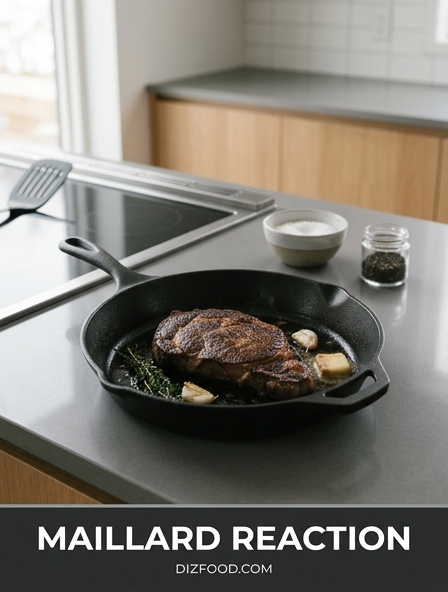
The visual appeal of professional pastry-that deep, lustrous golden-brown hue-is often attributed to the use of cultured butter. This aesthetic transformation is driven by the Maillard reaction, the chemical reaction between amino acids and reducing sugars that gives browned food its distinctive flavor and color. In cultured butter, the fermentation process increases the availability of certain precursor compounds that accelerate and deepen this browning during baking.
The process of achieving that professional gold includes:
- The higher fat content facilitates even heat distribution across the surface of the dough.
- Lactic acid influences the pH, which can slightly alter the rate of the Maillard reaction.
- Milk solids in cultured butter caramelize more readily, providing a rich mahogany tint.
- Reduced moisture prevents the "steamed" look, allowing for a dry, crisp exterior.
When you pull a tray of croissants or a pie from the oven, the difference is immediate. Pastries made with cultured butter possess a vibrant, multi-tonal golden crust that signals a high level of craftsmanship. This isn't just about looks; the darker color corresponds to a more developed, toasted flavor profile that enhances the overall eating experience.
Why Fermentation Elevates Final Bake Quality
Ultimately, the use of cultured butter represents a commitment to the fundamental principles of fermentation, which has always been the key to elevating simple ingredients into something extraordinary. Just as sourdough bread surpasses standard white bread in texture, aroma, and digestibility, cultured butter brings a similar level of sophistication to the world of fats. The fermentation process breaks down complex molecules, creating a more bioavailable and flavorful product that interacts harmoniously with flour and sugar.
The elevation of quality is evident in the "mouthfeel" of the final bake. Because the fat is cleaner and more concentrated, it leaves a luxurious coating on the tongue without the waxy residue sometimes associated with lower-quality butters. Furthermore, the natural acidity of cultured dairy acts as a subtle preservative, keeping the crumb of cakes and the layers of pastries fresher for longer by inhibiting staling. For the discerning baker, cultured butter is not merely an ingredient but a foundational tool that bridges the gap between home-style cooking and professional-grade patisserie, ensuring that every bake is defined by its complexity and structure.



Comments