
Understanding Magnetic Induction Principles
The foundation of modern induction cooking lies in the sophisticated marriage of electromagnetism and ferrous metallurgy. Unlike traditional thermal conduction from a flame or electric element, induction relies on a high-frequency alternating current passing through a copper coil beneath the glass cooktop. This process generates a dynamic magnetic field that penetrates the cooking vessel above. When a ferrous metal object is placed within this field, the magnetic flux induces an electrical current directly within the material of the pan.
This method of heating is fundamentally different because the cooktop itself remains relatively cool while the pot becomes the heat source. The efficiency of this system depends on the following physical interactions:
- Electromagnetic Field Generation: The coil creates an oscillating field that switches direction thousands of times per second.
- Magnetic Flux Linkage: The ferrous base of the cookware captures the magnetic energy.
- Resistive Heating: The internal resistance of the metal converts electrical energy into thermal energy.
- Molecular Friction: Magnetic hysteresis causes molecules to vibrate rapidly, generating additional heat.
The Critical Role of Ferrous Metals
Ferrous metals, specifically those containing significant amounts of iron, are indispensable for induction technology. The term "ferrous" is derived from the Latin word "ferrum," meaning iron. In the kitchen, the presence of iron within the molecular structure of cookware is what allows the magnetic field to "grip" the material and perform work. Without these magnetic properties, the energy emitted by the induction coil would simply pass through the vessel without generating any significant heat.
To determine if a piece of cookware is suitable for this environment, one must evaluate its magnetic permeability. The following table illustrates the compatibility of various kitchen materials based on their ferrous content:
| Material Type | Ferrous Content | Induction Compatibility |
|---|---|---|
| Cast Iron | Very High | Excellent |
| Carbon Steel | High | Excellent |
| Magnetic Stainless Steel | Moderate | Good |
| Aluminum / Copper | None | Non-Compatible |
Optimizing Thermal Energy Transfer
To achieve peak performance in a professional or home kitchen, the transfer of thermal energy must be direct and localized. Ferrous cookware facilitates this by acting as its own heat generator. This eliminates the "middleman" effect seen in gas cooking, where energy is lost to the surrounding air. When the ferrous base is perfectly flat and thick, it ensures a uniform distribution of heat across the cooking surface, preventing hot spots that lead to unevenly cooked food.
Optimizing this energy transfer involves several key stages in the cooking process:
- Initialization: The cookware base makes contact with the ceramic glass surface.
- Excitation: The magnetic field begins to agitate the iron atoms within the base.
- Direct Conduction: Heat moves from the bottom of the pan upward through the walls.
- Saturation: The metal reaches a steady state of thermal energy suitable for searing or simmering.
By utilizing high-quality ferrous materials, chefs can ensure that almost 90% of the energy consumed is converted into heat for the food, compared to roughly 40% with traditional gas burners.
Why Magnetic Conductivity Matters
Magnetic conductivity, or permeability, is the measure of a material's ability to support the formation of a magnetic field within itself. In the context of kitchenware, high magnetic conductivity ensures that the lines of flux are concentrated within the base of the pan. This concentration is vital because it determines how much "pull" the induction coil has on the metal. If the conductivity is too low, the induction cooktop may fail to detect the pan entirely, leading to an error code or an inability to reach high temperatures.
Furthermore, the thickness of the ferrous layer plays a significant role. A thin layer of magnetic material sprayed onto an aluminum pan may provide basic functionality, but a solid ferrous core provides the magnetic density required for high-performance cooking. This density allows the material to store and manage the energy more effectively, providing a stable environment for delicate tasks like tempering chocolate or reducing sauces. Ultimately, the more conductive the ferrous metal is, the more responsive the cookware will be to the user's adjustments on the control panel.
Achieving Rapid Heat Response
One of the primary advantages of using ferrous metals on an induction surface is the near-instantaneous response to temperature changes. Unlike electric radiant coils that must cool down or heat up slowly, induction allows for precision timing. When the power level is reduced, the magnetic field weakens immediately, and the generation of internal heat in the ferrous metal stops. This allows for a level of control that was previously only available with gas flames, but with even greater speed.
The speed of this thermal response is influenced by several factors inherent to ferrous cookware:
- Low Thermal Mass: Thin-walled carbon steel pans react faster than heavy cast iron.
- High Iron Concentration: More iron allows for a more intense reaction to the magnetic field.
- Base Flatness: Maximum contact ensures the sensor accurately reads the pan's temperature.
- Material Purity: High-quality alloys prevent internal resistance inconsistencies.
This rapid response is critical for techniques like stir-frying or deglazing, where the temperature must be adjusted in seconds to prevent burning or to properly emulsify a pan sauce.
Cast Iron and Stainless Steel Benefits
Cast iron and stainless steel represent the two most popular ferrous options in the modern kitchen, each offering distinct advantages for different cooking styles. Cast iron is prized for its massive thermal mass and emissivity, making it the gold standard for searing steaks and long-duration braising. Stainless steel, specifically magnetic grades like 18/0, offers a non-reactive surface that is ideal for acidic ingredients and easy maintenance. Many high-end pans utilize a "tri-ply" construction to combine the best of both worlds.
The following table compares the performance characteristics of these two essential kitchen materials:
| Feature | Cast Iron | Magnetic Stainless Steel |
|---|---|---|
| Heat Retention | Excellent | Moderate |
| Reaction Speed | Slow | Fast |
| Maintenance | Seasoning Required | Dishwasher Safe |
| Durability | Virtually Indestructible | High |
Maximizing Energy Efficiency
In an era of rising energy costs and environmental awareness, the efficiency of ferrous-based induction cooking is a major selling point. Because the heat is generated within the pan itself, there is very little ambient heat loss. This keeps the kitchen cooler and reduces the load on air conditioning systems. The precision of the magnetic connection ensures that only the area in contact with the pan is activated, preventing wasted energy on oversized burners. By choosing the right ferrous cookware, users can significantly lower their carbon footprint.
To maximize efficiency, follow these operational steps:
- Match the pan size to the induction zone diameter to ensure full flux capture.
- Use lids to retain the heat generated within the ferrous vessel.
- Keep the base of the cookware clean to maintain optimal magnetic coupling.
- Preheat on medium settings to allow the ferrous atoms to stabilize before cranking to high.
The high efficiency of these systems also means that water boils in nearly half the time required by traditional methods, saving both time and electricity over the long term.
The Science of Eddy Currents
The internal heating of ferrous metal is largely driven by a phenomenon known as eddy currents. As the alternating magnetic field from the cooktop passes through the iron-rich base, it creates "loops" of electrical current within the metal. These are the eddy currents. Because ferrous metals have a specific level of electrical resistance, these currents encounter opposition as they flow through the material. This resistance transforms the kinetic energy of the moving electrons into thermal energy, heating the pan from the inside out.
This process is complemented by magnetic hysteresis, which is the internal friction caused by the iron's magnetic domains constantly flipping their polarity to align with the oscillating field. This dual action-eddy currents and hysteresis-is unique to magnetic materials. While non-ferrous metals like copper can support eddy currents, they lack the resistance and magnetic properties to heat up efficiently under standard induction frequencies. This scientific synergy is why iron remains the king of the induction-friendly kitchen, providing a reliable and powerful heat source for all culinary applications.
Precision Temperature Control Performance
The interaction between the induction coil and the ferrous metal allows for digital precision that traditional cooking methods cannot replicate. Modern induction hobs can maintain specific temperatures within a few degrees, which is vital for delicate tasks such as sous-vide style poaching or melting chocolate without a bain-marie. The ferrous metal acts as a responsive conductor that communicates with the cooktop's internal sensors, providing feedback that allows the system to modulate power output instantly.
This precision performance is characterized by:
- Incremental Adjustments: Power can be shifted in tiny percentages for exact simmering.
- Automatic Shut-off: The circuit breaks the moment the ferrous pan is lifted from the surface.
- Overheat Protection: Sensors detect if the ferrous base is getting dangerously hot and throttle the energy.
- Uniformity: Consistent magnetic field distribution prevents the "ring of fire" effect seen on gas.
For the professional chef, this means consistent results every time a recipe is executed. The ferrous material ensures that the energy commanded by the chef is exactly the energy delivered to the food.
Essential Cookware for Induction Success
Selecting the right cookware is the final step in mastering the induction kitchen. While many modern pots and pans are labeled "induction ready," it is important to understand what makes a piece of cookware truly effective. A high-quality induction vessel should have a thick, heavy base to prevent warping under high heat and to provide a sufficient volume of ferrous material for the magnetic field to interact with. A simple "magnet test" at the store-where a magnet should stick firmly to the bottom-is the most reliable way to verify compatibility.
When building a collection, prioritize these items for the best results:
- A heavy-bottomed Dutch oven for consistent heat during slow cooking.
- A multi-clad stainless steel skillet for everyday sautéing and pan-frying.
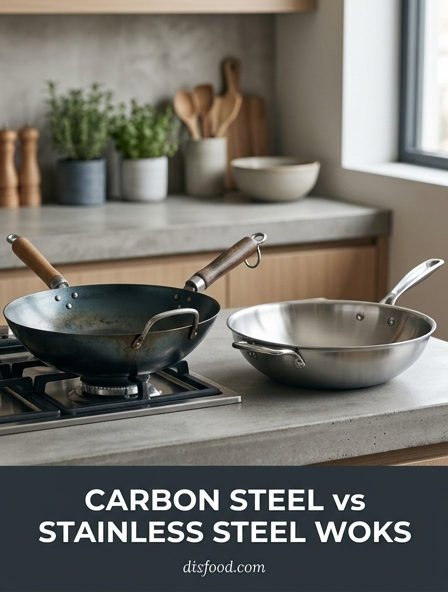
- A carbon steel wok with a flat bottom for high-heat stir-frying.
- Cast iron griddles for perfect searing and browning.
Investing in high-grade ferrous cookware ensures that the induction system operates at its peak potential, providing a safer, faster, and more controlled cooking experience for any kitchen enthusiast.



Comments