
If you've ever wondered why a simple piece of French pastry tastes worlds apart from a standard dinner roll, the secret usually lies in the fermentation process of your fat source. While sweet cream butter is the ubiquitous, mild-mannered staple of American kitchens-prized for its neutral, creamy simplicity-cultured butter is its sophisticated, European-style counterpart. By adding live bacterial cultures to the cream before churning, manufacturers trigger a fermentation process that develops complex diacetyl notes, resulting in a tangy, nutty, and intensely aromatic profile. Choosing between them isn't just about taste; it's about how the higher fat content and distinct acidity of cultured varieties can transform the flake of your pie crust or the richness of a pan-seared steak.
| Feature | Sweet Cream Butter | Cultured Butter |
|---|---|---|
| Production | Directly churned fresh, pasteurized cream. | Cream fermented with live active cultures. |
| Flavor Profile | Mild, sweet, and subtly creamy. | Tangy, nutty, and bold (high diacetyl). |
| Butterfat Content | Standard 80% (Higher water content). | Typically 82%-86% (Lower moisture). |
| Acidity (pH) | Neutral (approx. 6.7 pH). | Slightly acidic (approx. 4.5-5.0 pH). |
| Best For | General baking and everyday spreading. | Laminated doughs, sauces, and finishing. |
| Texture | Firm when cold; standard melting point. | More pliable; faster, cleaner melt. |
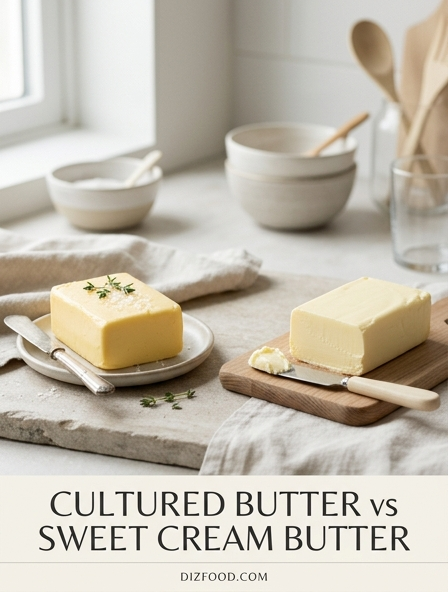
Understanding the Core Differences Between Cultured and Sweet Cream Butter
At the most fundamental level, the difference between cultured and sweet cream butter lies in the treatment of the cream before the churning process begins. Sweet cream butter, which is the standard variety found in most North American grocery stores, is made from fresh, pasteurized cream. It is valued for its mild, neutral, and predictably creamy flavor profile. Because it does not undergo any fermentation, it retains the natural sweetness of the dairy, making it a versatile "blank slate" for both cooking and baking.
In contrast, cultured butter-often referred to as European-style butter-is made by adding live bacterial cultures to the cream, similar to the process of making yogurt or creme fraiche. This cream is allowed to sit and ferment for several hours, or even days, before it is churned into butter. During this resting period, the bacteria convert the milk sugars into lactic acid, which fundamentally alters the chemical composition and flavor of the fat. This process not only changes the taste but often results in a higher butterfat content, typically ranging between 82% and 86%, whereas standard sweet cream butter usually hovers around 80%.
- Sweet Cream: Made from fresh, unfermented cream; mild and slightly sweet.
- Cultured: Made from fermented cream; tangy, nutty, and chemically complex.
- Geographic Preference: Sweet cream is dominant in the United States, while cultured butter is the traditional standard across Europe.
How the Fermentation Process Shapes Butter Flavor
The fermentation process is the defining stage that separates cultured butter from its sweet cream counterpart. When lactic acid bacteria are introduced to the cream, they begin a metabolic process that breaks down lactose. This biological activity produces a variety of aromatic compounds, the most significant being diacetyl. Diacetyl is the organic compound responsible for the quintessential "buttery" smell and flavor that is often intensified in cultured varieties. Without this fermentation window, sweet cream butter lacks the depth and savory backbone found in cultured products.
The duration and temperature of the fermentation also play a critical role in the final output. Artisanal producers may allow the cream to ripen slowly at lower temperatures to develop a more nuanced acidity. As the pH level of the cream drops due to the production of lactic acid, the fat globules begin to change, making them easier to churn and resulting in a denser, less airy finished product. This aging process allows the flavors to "bloom," resulting in a butter that tastes less like simple fat and more like a complex dairy product with a distinct personality. For the home cook, understanding this process helps in identifying why cultured butter smells more pungent and floral when melted in a pan compared to the relatively odorless melting of sweet cream butter.
The Distinctive Taste Profiles of Cultured versus Sweet Cream
The sensory experience of tasting these two butters side-by-side reveals a stark contrast in complexity and finish. Sweet cream butter offers a clean, straightforward palate. It tastes primarily of fresh milk and fat, with a cooling sensation on the tongue. It is designed to be unobtrusive, providing richness without distracting from other ingredients. This makes it the preferred choice for delicate sauces or dishes where the butter is meant to provide texture rather than a dominant flavor note.
Cultured butter, however, delivers a much more assertive experience. It is frequently described as having a "tang" or a slight acidity that cuts through the richness of the fat. Many enthusiasts note hints of hazelnut, toasted hay, or even a mild blue cheese funk in high-quality cultured varieties. The fermentation adds a layer of umami that lingers on the palate. This complexity makes cultured butter the superior choice for "butter-forward" applications, such as spreading on a fresh baguette or finishing a seared steak. When used in these ways, the butter acts more like a seasoning than just a cooking medium.
| Feature | Sweet Cream Butter | Cultured Butter |
|---|---|---|
| Primary Flavor | Sweet, milky, mild | Tangy, nutty, acidic |
| Aroma | Neutral | Pungent, floral, rich |
| Aftertaste | Clean and short | Complex and lingering |
| Best Use | General cooking, simple cookies | Table butter, finishing, pastries |
Baking Results with Cultured Butter versus Sweet Cream Butter
In the world of pastry and baking, the choice between cultured and sweet cream butter can significantly impact the structure and flavor of the final product. The primary factor here is the fat-to-water ratio. Because cultured butter is often churned to a higher fat percentage (82% or higher), it contains less water than standard sweet cream butter. In recipes like pie crusts or puff pastry, lower water content means less steam is released, but the higher fat content leads to a more tender, "short" texture. The result is a flakier, more shatteringly crisp crust that holds its shape better during the baking process.
Flavor retention is another critical consideration. Sweet cream butter can sometimes get lost in the presence of strong flavors like chocolate or heavy spices. Cultured butter, however, holds its own. Its fermented notes survive the high heat of the oven, imparting a subtle "baked-in" richness to shortbreads, pound cakes, and brioche. Many professional bakers prefer cultured butter for laminated doughs because its lower moisture content makes it more "plastic" and easier to roll into thin, even layers without the butter breaking or melting into the flour prematurely. If a recipe calls for "European-style" butter, using a cultured variety is essential to achieving the intended professional-grade result.
The Role of Lactic Acid Bacteria in Cultured Dairy
The science behind cultured butter revolves entirely around the introduction of specific strains of lactic acid bacteria, most commonly Lactococcus lactis and Leuconostoc mesenteroides. These bacteria are the same microorganisms used in the production of many cheeses and fermented milks. Their primary function in the cream is to consume the naturally occurring lactose and convert it into lactic acid. This acidification process serves two purposes: it creates the signature tangy flavor profile and acts as a natural preservative, inhibiting the growth of spoilage-inducing bacteria.
- Inoculation: Bacteria are added to pasteurized cream to begin the transformation.
- Incubation: The cream is held at a specific temperature (usually around 60-70°F) to allow the bacteria to multiply.
- Acidification: The pH drops, which alters the protein structure of the cream and deepens the yellow color.
- Flavor Synthesis: The bacteria produce diacetyl and other esters that provide the "cultured" aroma.
While the heat of the pasteurization or the eventual cooking of the butter will kill the live bacteria, the metabolic byproducts remain. These products are what give cultured butter its unique nutritional and chemical profile. The presence of lactic acid also helps the butter last slightly longer in the refrigerator compared to uncultured sweet cream butter, as the acidic environment is less hospitable to mold.
Texture and Melting Point Variations for Home Cooks
Texture is a tactile way to distinguish these two butters, and it is largely influenced by the fat concentration. Cultured butter, especially the European-style varieties, tends to be denser and less waxy than sweet cream butter. When cold, cultured butter can be quite firm, but it has a unique "plasticity" that allows it to be pounded or rolled without shattering. This is a vital characteristic for bakers making croissants or biscuits. Sweet cream butter, with its higher water content, can sometimes feel slightly more slippery or greasy when handled at room temperature.
The melting point also differs slightly. High-fat cultured butter often has a lower melting point than its sweet cream counterpart. This means it melts faster on hot toast and, more importantly, it melts more quickly in the mouth. This rapid melt-away sensation enhances the perception of flavor, as the aromatic compounds are released more efficiently onto the taste buds. For the home cook, this means that cultured butter may brown faster in a skillet, as the milk solids are more concentrated and the water evaporates more quickly. Monitoring the heat is essential when switching from sweet cream to cultured butter to avoid burning the milk solids during sautéing.
Nutritional Breakdown of Cultured and Sweet Cream Varieties
From a purely caloric standpoint, cultured and sweet cream butters are very similar, both containing roughly 100 calories per tablespoon. However, the nutritional nuances emerge when looking at the fat composition and vitamin content. Because cultured butter is frequently made from the milk of grass-fed cows-a common practice in Europe-it often contains higher levels of Vitamin K2 and Omega-3 fatty acids. The yellow hue of cultured butter is usually more intense, indicating a higher concentration of beta-carotene derived from the cows' diet of fresh pasture.
Another point of interest is the lactose content. The fermentation process in cultured butter consumes a portion of the lactose present in the cream. While butter is already naturally low in lactose, cultured butter is even lower, making it occasionally more tolerable for individuals with mild lactose sensitivities. Additionally, while the live cultures are generally destroyed if the butter is used for baking or high-heat cooking, some artisanal brands that produce raw or minimally processed cultured butter may retain some probiotic benefits if consumed cold. However, for most commercially available brands, the primary health benefits are found in the quality of the fat rather than the presence of live bacteria.
Why European Style Cultured Butter is Gaining Popularity
In recent years, there has been a significant shift in North American kitchens toward European-style cultured butter. This trend is driven by a growing interest in artisanal ingredients and the influence of culinary media. As home cooks become more sophisticated, they are looking for ways to elevate simple dishes, and swapping standard sweet cream butter for a cultured variety is one of the easiest ways to achieve a "restaurant-quality" flavor at home. Brands like Kerrygold (Ireland), Le Gall (France), and various domestic high-fat butters have become staples in many households.
The popularity is also tied to the "slow food" movement. Cultured butter represents a return to traditional methods of food production that prioritize flavor and craftsmanship over industrial efficiency. Furthermore, the rise of specialized diets like Keto and Paleo has put a spotlight on the quality of fats. Consumers are no longer just looking for "fat," but for "good fat" that carries vitamins and lacks additives. The rich, golden appearance and deep, savory aroma of cultured butter appeal to the modern consumer's desire for authenticity and transparency in the dairy aisle. This has led many mainstream American dairies to introduce their own "European-style" lines to compete with imports.
Choosing the Best Butter for High Heat Cooking and Sautéing
When it comes to the stovetop, the choice of butter can change the outcome of a dish. Sweet cream butter is an excellent all-purpose choice for sautéing vegetables or frying eggs over medium heat. Its higher water content provides a bit of a buffer, allowing the butter to bubble and foam as the water evaporates, which signals the cook to the temperature of the pan. It is reliable and predictable, though it lacks the flavor punch of its cultured rival.
Cultured butter, however, is the champion of "Beurre Noisette," or brown butter. Because it has more concentrated milk solids and less water, it browns more efficiently and produces a more intense, toasted-nut aroma. When used for searing scallops or finishing a pasta sauce, the cultured notes become concentrated, creating a luxurious, velvety finish. However, cooks must exercise caution; the lower water content and higher fat mean that cultured butter can reach its smoke point more rapidly than sweet cream butter. If you are cooking at very high temperatures, such as for a quick sear, you might find that the milk solids in cultured butter burn too quickly. In such cases, clarifying either type of butter to make Ghee is the best approach, though cultured Ghee will still retain a hint of that fermented complexity.
Final Comparison for Selecting the Right Butter for Your Recipe
Ultimately, the decision between cultured and sweet cream butter depends on the role the butter plays in your recipe. If the butter is a background player-intended only to provide fat for sautéing or to add moisture to a heavily spiced cake-sweet cream butter is perfectly adequate and often more cost-effective. It provides the necessary richness without competing with other bold ingredients. It remains the gold standard for everyday American baking where neutrality is expected.
Conversely, choose cultured butter when you want the dairy to be the star. For any application where the butter is consumed raw or lightly melted, the difference in quality is unmistakable. It is the superior choice for flaky pastries, high-end shortbreads, and any dish where "buttery-ness" is the primary flavor goal. While it often comes at a higher price point, the depth of flavor and improved texture it provides to baked goods and finished dishes make it a worthwhile investment for the discerning home cook.
- Use Sweet Cream For: Everyday sautéing, cookies with many mix-ins, and budget-conscious cooking.
- Use Cultured For: Pie crusts, puff pastry, brown butter sauces, and spreading on high-quality bread.
- The "Golden Rule": If you can taste the butter on its own in the final dish, go with cultured.





Comments