
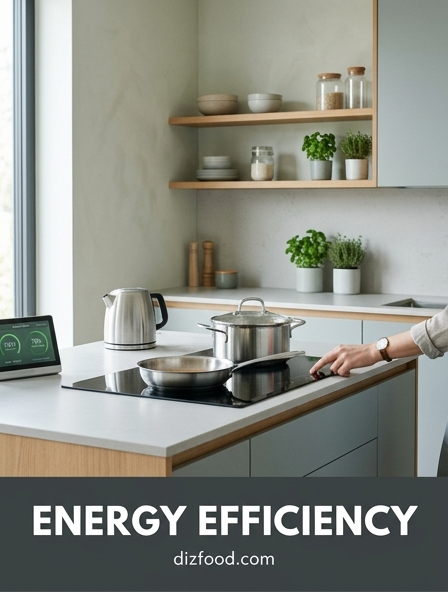
Smart Appliance Selection for Sustainability
Choosing the right appliances is the foundational step toward a sustainable kitchen. When shopping for new units, the most reliable indicator of efficiency is the Energy Star certification, which ensures the product meets strict federal standards for reduced energy consumption. Modern smart appliances go a step further by integrating with home automation systems to monitor power usage in real-time. These devices can often be programmed to run during off-peak hours when electricity rates are lower and the grid is less stressed.
- Look for refrigerators with high-efficiency compressors and improved insulation.
- Select dishwashers that offer "eco-mode" settings to minimize water heating.
- Prioritize ovens with convection features to speed up cooking times.
- Invest in smart monitors that alert you if a door is left open or a filter needs changing.
While the initial cost of high-efficiency models may be higher, the long-term savings on utility bills and the reduced environmental footprint justify the investment. By selecting appliances designed for durability and low resource consumption, homeowners contribute significantly to a more circular and responsible economy.
Benefits of Induction Cooking Technology
Induction cooking represents a significant leap in kitchen energy efficiency compared to traditional gas or electric radiant cooktops. Instead of heating a burner that then transfers heat to a pot, induction uses electromagnetic fields to excite the molecules within the cookware itself. This process is incredibly efficient, as approximately 90% of the energy produced is transferred directly to the food, compared to only about 40% for gas. This rapid heat transfer results in faster boiling times and more precise temperature control, which prevents energy waste through overcooking.
Furthermore, because the cooktop surface stays relatively cool, very little ambient heat is released into the kitchen. This helps maintain a comfortable indoor temperature and reduces the load on air conditioning systems during the summer months. Safety is another inherent benefit; since there are no open flames or red-hot coils, the risk of burns or kitchen fires is drastically reduced. For those looking to decarbonize their homes, induction provides a high-performance alternative that relies entirely on electricity, which can be sourced from renewable energy providers.
Optimizing Kitchen Ventilation and Airflow
Effective ventilation is essential not only for air quality but also for maintaining thermal efficiency in the kitchen. A high-quality range hood removes excess heat, steam, and airborne grease, which prevents your cooling system from working overtime. To optimize airflow, it is crucial to use the lowest fan setting necessary for the task at hand. High-speed settings often exhaust more conditioned indoor air than required, leading to unnecessary energy loss as the HVAC system compensates for the pressure change.
- Clean or replace grease filters monthly to ensure the motor doesn't strain.
- Utilize cross-ventilation by opening windows when the outdoor temperature is mild.
- Check ductwork for leaks to ensure air is being moved outside efficiently.
- Install a variable-speed hood to better match ventilation needs with cooking intensity.
By managing how air moves through the space, you can maintain a stable temperature and reduce moisture buildup. This prevents mold growth and protects your cabinetry and appliances from the damaging effects of humidity and heat, ultimately extending the lifespan of your kitchen infrastructure.
Energy Saving Cooking Habits and Tips
Small changes in how you prepare daily meals can lead to substantial energy savings over time. One of the simplest yet most effective habits is to always keep lids on pots and pans while cooking. This traps heat and steam, allowing food to cook faster and at lower temperature settings. Additionally, matching the size of the cookware to the burner prevents heat from escaping around the edges of the pan. For electric stovetops, using flat-bottomed pans ensures maximum contact with the heating element for better conduction.
- Thaw frozen foods in the refrigerator overnight to reduce cooking time.
- Cut vegetables into smaller pieces to speed up the steaming or boiling process.
- Use the minimum amount of water necessary when boiling eggs or vegetables.
- Practice "batch cooking" to utilize the oven's heat for multiple dishes at once.
Avoid peeking into the oven while it is in use; every time the door opens, the internal temperature can drop by as much as 25 degrees, forcing the appliance to use more energy to recover. These disciplined behaviors collectively transform the kitchen into a model of efficiency.
Transitioning to LED Kitchen Lighting
Lighting is a critical component of kitchen functionality, but traditional incandescent or halogen bulbs are notoriously inefficient, converting most of their energy into heat rather than light. Transitioning to Light Emitting Diodes (LEDs) can reduce lighting energy consumption by up to 80%. In a kitchen environment, where lights are often left on for extended periods during meal prep and cleaning, this shift results in immediate and noticeable savings. LEDs also have a significantly longer lifespan, often lasting 25,000 hours or more, which reduces the frequency of replacements.
| Feature | Incandescent Bulbs | LED Bulbs |
|---|---|---|
| Energy Usage | 60 Watts | 8-12 Watts |
| Lifespan | 1,000 Hours | 25,000+ Hours |
| Heat Emission | High | Very Low |
Beyond general overhead lighting, consider installing LED under-cabinet strips. This provides focused "task lighting" exactly where it is needed, allowing you to turn off brighter, energy-intensive ceiling lights while working at the counter. Modern LEDs also offer various color temperatures, allowing you to choose a warm glow for dining or a cool, bright light for food preparation.
Maintaining Refrigerator and Freezer Efficiency
The refrigerator is one of the few appliances in the home that runs 24 hours a day, making its efficiency paramount. To keep it running at peak performance, regular maintenance is required. Dust and pet hair can accumulate on the condenser coils, forcing the compressor to work harder and consume more electricity. Vacuuming these coils twice a year can improve efficiency significantly. Furthermore, ensuring that the door seals are airtight prevents cold air from escaping and warm air from entering.
- Set the refrigerator temperature to 37-40°F and the freezer to 0°F.
- Check door gaskets by closing the door on a piece of paper; if it slides out easily, replace the seal.
- Keep the freezer relatively full to help maintain temperature, but do not block air vents.
- Allow hot leftovers to cool on the counter before placing them inside the fridge.
The location of the appliance also matters. Placing a refrigerator next to a dishwasher or oven, or in direct sunlight, causes it to work much harder to stay cool. Providing adequate clearance around the unit for air circulation is equally important for preventing overheating and ensuring mechanical longevity.
Eco Friendly Dishwashing Strategies
Many homeowners believe that hand washing dishes saves more water and energy than using a machine, but modern dishwashers are actually far more efficient. To maximize these benefits, it is essential to only run the dishwasher when it is completely full. Modern units are designed to handle food particles, so skipping the pre-rinse under a running tap can save gallons of water per cycle. Instead, simply scrape large food scraps into the compost or trash before loading the racks.
Most energy used by a dishwasher goes toward heating the water. Selecting the "Eco" or "Light" wash setting can reduce energy use by lowering the water temperature and shortening the cycle. Additionally, utilizing the air-dry or "no-heat dry" option prevents the appliance from using an energy-intensive heating element to dry the dishes. Simply cracking the door open at the end of the cycle allows the dishes to dry naturally via evaporation. Regular maintenance, such as cleaning the filter and checking the spray arms for clogs, ensures the machine operates at maximum efficiency without requiring double-washed loads.
Insulating Your Kitchen Space Effectively
Insulation isn't just for the attic; it plays a vital role in the kitchen ecosystem. Because the kitchen generates significant heat, proper insulation helps prevent that heat from migrating to the rest of the house in the summer, or escaping during the winter. High-quality weatherstripping around kitchen windows and exterior doors can eliminate drafts that force your climate control system to work harder. If your kitchen has a large amount of glass, using thermal curtains or UV-resistant window films can reflect solar heat during the day.
- Seal gaps around plumbing pipes under the sink with expanding foam.
- Install foam gaskets behind electrical outlet plates on exterior walls.
- Ensure the oven is properly calibrated so it doesn't leak heat through a faulty door.
- Add insulation to hot water pipes to reduce heat loss while waiting for the tap to warm up.
By creating a well-sealed envelope, you stabilize the ambient temperature of the room. This not only makes the kitchen a more comfortable place to work but also protects your refrigeration units from external heat loads, further driving down your monthly energy expenditures.
Harnessing Residual Heat for Cooking
Residual heat is the energy that remains in a heating element or an oven after it has been turned off. Learning to harness this "free" energy is a hallmark of an efficient cook. Electric stovetops and ovens retain heat for several minutes; by turning off the power five to ten minutes before the timer expires, you can finish the cooking process using only the stored thermal energy. This is particularly effective for grains, stews, and casseroles that benefit from a gentle finishing heat.
- Turn off the oven early when roasting vegetables to let them finish in the residual warmth.
- Use the warmth of a cooling stove to heat plates or keep a side dish warm.
- Keep the oven door closed after cooking to allow the heat to slowly dissipate into the room during winter.
- Utilize the "carry-over" cooking principle for meats to prevent overcooking and save energy.
This practice requires a bit of experimentation to master the timing, but it significantly reduces the total active power time of your appliances. Over a year, these saved minutes add up to a noticeable reduction in kilowatt-hours, all while improving the texture and flavor of many slow-cooked foods.
Using Small Appliances for Efficiency
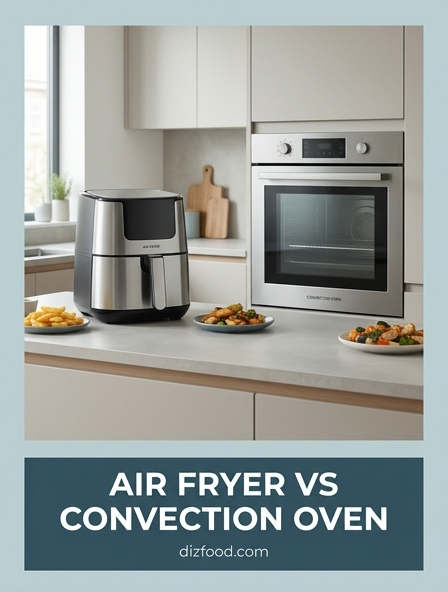
When preparing smaller meals or snacks, the large oven is often the most inefficient tool for the job. Small appliances are designed to heat up rapidly and focus energy on a smaller area, leading to significant power savings. For example, a toaster oven or air fryer can reach cooking temperatures in a fraction of the time it takes a full-sized oven to preheat. Similarly, an electric kettle is much more efficient at boiling water than a pot on a stovetop because the heating element is in direct contact with the liquid.
| Task | Recommended Appliance | Energy Benefit |
|---|---|---|
| Reheating Leftovers | Microwave | Uses 80% less energy than oven |
| Slow Cooking | Slow Cooker | Lower wattage over long periods |
| Baking Small Batches | Toaster Oven | Reduced preheat time and volume |
By matching the appliance to the portion size, you avoid heating a massive internal cavity for a single dish. Microwaves, in particular, are highly efficient for steaming vegetables and reheating, as they vibrate water molecules directly rather than heating the air around the food. Integrating these tools into your routine streamlines the cooking process while minimizing waste.



Comments