

Wild Yeast and Symbiotic Fermentation
Sourdough begins with a vibrant ecosystem of wild yeast and beneficial bacteria, primarily captured from the flour and the surrounding environment. Unlike industrial yeast, which consists of a single strain, a sourdough starter is a diverse biological community. The primary yeast species, such as Saccharomyces exiguus and Candida milleri, thrive in the acidic environment created by their bacterial counterparts. These microorganisms exist in a symbiotic state, where the yeast metabolizes sugars to produce carbon dioxide and ethanol, while the bacteria consume different carbohydrates and produce organic acids.
This biological cooperation is essential for the health of the culture. The yeast provides nutrients that support bacterial growth, and the bacteria lower the pH of the mixture, protecting the starter from harmful pathogens and spoilage molds. This delicate balance is maintained through regular feedings of flour and water, ensuring a steady supply of maltose and glucose. Over time, the culture stabilizes, resulting in a resilient leavening agent that confers unique characteristics to the final loaf of bread, far exceeding the complexity of a single-strain commercial ferment.
Lactic Acid Bacteria and Flavor Development
The distinctive tang and depth of sourdough are primarily the work of Lactic Acid Bacteria (LAB), which typically outnumber yeast cells in a healthy starter by a ratio of one hundred to one. These bacteria are categorized into two main groups based on their metabolic pathways. Homofermentative bacteria produce mainly lactic acid, which imparts a mild, creamy, and yogurt-like sourness. In contrast, heterofermentative bacteria produce both lactic acid and acetic acid, along with small amounts of carbon dioxide and ethanol, contributing a sharper, vinegary profile to the dough.
- Lactobacillus sanfranciscensis: The most iconic strain, known for its efficiency in symbiotic sourdough environments.
- Temperature Sensitivity: Warmer environments favor lactic acid production, while cooler temperatures encourage acetic acid.
- Hydration Impact: Wetter starters often yield a milder flavor, whereas stiffer starters tend to promote a more pungent acidity.
By manipulating these variables, a baker can tune the flavor profile of the bread. The presence of LAB also influences the shelf life of the bread, as the organic acids act as natural preservatives against mold.
The Chemistry of Organic Acids in Dough
During the fermentation process, the chemical landscape of the dough shifts as organic acids accumulate. These acids play a dual role: they define the sensory experience and physically alter the behavior of the dough proteins. As the pH drops below 5.0, the environment becomes increasingly hostile to competing microbes, ensuring the dominance of the starter's specific microflora. The ratio of lactic acid to acetic acid is the most critical factor in determining the "sour" character of the sourdough.
| Acid Type | Flavor Profile | Optimal Condition |
|---|---|---|
| Lactic Acid | Smooth, milky, mild | High hydration, warm temps (75-82°F) |
| Acetic Acid | Sharp, vinegary, pungent | Low hydration, cool temps (50-65°F) |
Chemically, these acids interact with the gluten network, influencing its extensibility and strength. A precise balance is required; excessive acidity can eventually degrade the gluten structure, leading to a dough that is overly slack and difficult to shape, while insufficient acid production results in a flat, uninteresting flavor and poor preservative qualities.
Enzymatic Breakdown for Improved Gluten Structure
The long fermentation required for sourdough activates several endogenous enzymes within the flour that are often bypassed in rapid bread-making. Amylases and proteases are the most significant players in this biochemical transformation. Amylases break down complex starches into simpler sugars, providing a continuous food source for the yeast and bacteria. This process not only fuels fermentation but also ensures that there are enough residual sugars left in the dough to facilitate caramelization during the baking stage.
Proteases, on the other hand, act upon the gluten proteins, glutenin and gliadin. By gently breaking down these long protein chains, proteases increase the extensibility of the dough, making it more supple and easier to stretch without tearing. This enzymatic "mellowing" is what allows sourdough to hold a large volume of gas despite being under tension. When managed correctly through techniques like autolyse-where flour and water are mixed and allowed to rest-these enzymes create a foundation for a superior internal structure and a more delicate mouthfeel in the finished product.
Achieving an Open and Airy Crumb
The elusive "open crumb"-characterized by large, irregular alveoli and a translucent, gelatinized interior-is the hallmark of many artisanal sourdough breads. Achieving this requires a mastery of hydration and fermentation timing. High hydration (75% to 85% or higher) is often necessary because water acts as a plasticizer, allowing the dough to expand more freely as gases build up. However, high water content demands a strong gluten network to prevent the structure from collapsing under its own weight.
To maximize aeration, the baker must follow specific handling techniques:
- Gentle Handling: Avoiding the degassing of the dough during the final shaping stages to preserve large gas pockets.
- Proper Bulk Fermentation: Ensuring the dough has increased in volume by 30-50% and feels full of air before shaping.
- High Heat and Steam: Using a preheated Dutch oven or baking stone to trigger "oven spring," where gas expands rapidly before the crust sets.
When these factors align, the carbon dioxide produced by the yeast pushes against the well-developed, enzymatic-relaxed gluten, creating a light, airy, and visually stunning interior.
Long Cold Proofing and Aromatic Complexity
A secondary fermentation phase, often referred to as "retarding," involves placing the shaped dough into a refrigerator for 12 to 24 hours. At these lower temperatures (38°F to 42°F), yeast activity slows down significantly, while the bacteria continue to produce organic acids at a reduced but steady pace. This extended period allows for the development of complex aromatic compounds that cannot be replicated in a quick, warm ferment. These compounds include esters and phenols, which contribute floral, fruity, and spicy notes to the crumb.
Beyond flavor, the cold proof has a physical benefit for the baker. Chilled dough is much firmer and easier to score with a razor blade, allowing for intricate decorative patterns and precise control over where the bread expands in the oven. The cold temperature also encourages the formation of "blisters" on the crust, which occur when small gas bubbles migrate to the surface and are trapped during the baking process. This combination of enhanced flavor and improved aesthetics makes the long cold proof a standard practice for producing high-quality sourdough.
Maillard Reaction and Crust Character
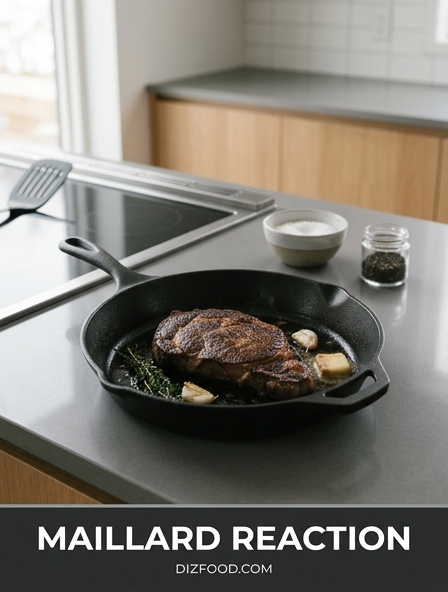
The transformation of pale dough into a deep, mahogany-colored crust is the result of the Maillard reaction. This chemical reaction occurs between amino acids and reducing sugars when exposed to high heat. In sourdough, the long fermentation process ensures an abundance of these precursors. Because the yeast does not consume all the sugars produced by the amylase enzymes, and the bacteria break down proteins into amino acids, the crust of a sourdough loaf becomes more flavorful and darker than that of commercial bread.
Steam is a critical component during the first fifteen minutes of baking to maximize this reaction. Moisture on the surface of the dough prevents the crust from setting too early, allowing the loaf to expand fully. It also dissolves surface sugars, which then undergo caramelization and the Maillard reaction more effectively. This results in a crust that is not only beautiful but also possesses a distinct texture-crispy, thin, and shattering-while the interior remains moist. The depth of color is often a direct indicator of the depth of flavor present in the bread.
Phytic Acid Reduction and Digestibility
One of the most significant health benefits of sourdough fermentation is the reduction of phytic acid, an "anti-nutrient" found in the bran of cereal grains. Phytic acid binds to minerals like iron, zinc, and magnesium, preventing their absorption in the human digestive tract. The acidic environment of sourdough activates an enzyme called phytase, which effectively breaks down phytic acid. This process makes the minerals within the grain more bioavailable, turning a simple loaf of bread into a more nutritious food source.
Furthermore, the long fermentation period allows for the partial pre-digestion of gluten. The proteases active during the long proofing stages break down the complex protein structures that many people find difficult to digest. While sourdough is not safe for those with celiac disease, many individuals with non-celiac gluten sensitivity find they can tolerate sourdough much better than bread made with commercial yeast. The presence of organic acids also slows down the rate at which glucose is released into the bloodstream, resulting in a lower glycemic index for sourdough compared to standard white bread.
Natural Leavening vs Commercial Yeast Performance
Choosing between a natural sourdough starter and commercial yeast involves a trade-off between speed and complexity. Commercial yeast (Saccharomyces cerevisiae) has been isolated for its vigor and predictability. It provides a rapid, consistent rise but lacks the bacterial diversity needed to produce complex acids and enzymes. Sourdough, while slower, offers a multi-dimensional sensory experience and nutritional advantages that industrial methods cannot match.
| Feature | Commercial Yeast | Sourdough Starter |
|---|---|---|
| Leavening Time | 1 - 3 hours | 12 - 36 hours |
| Flavor Profile | Simple, bready | Complex, acidic, nutty |
| Shelf Life | Short (2-3 days) | Long (5-7 days) |
| Nutritional Value | Standard | Enhanced via fermentation |
While commercial yeast is ideal for high-volume production where time is the primary constraint, natural leavening is preferred for artisanal applications where the goal is to maximize the inherent potential of the grain. The slow pace of natural leavening is the very thing that allows for the chemical and biological transformations that define high-quality bread.
Essential Steps for Artisanal Sourdough Results
Consistently producing high-quality sourdough requires a disciplined approach to the process. Each stage, from maintaining the starter to the final bake, influences the outcome. Precision in temperature and timing is just as important as the quality of the ingredients used. For a successful loaf, the following workflow is generally recommended:
- Levain Preparation: Feed your starter 6-8 hours before mixing to ensure it is at its peak activity level.
- Autolyse: Mix flour and water and let them rest for 30-60 minutes to jumpstart gluten development.
- Bulk Fermentation: Perform a series of "stretch and folds" every 30 minutes to build strength without kneading.
- Preserving Gases: Handle the dough gently during pre-shaping and final shaping to maintain the internal aeration.
- Retarding: Use a cold proof to develop flavor and make the dough easier to score before baking.
By following these steps, the baker leverages the biological power of the starter and the chemical properties of the flour to create a loaf with exceptional flavor, texture, and nutritional value. Patience remains the most critical ingredient in the sourdough process.




Comments